


Vintage French Art Pottery
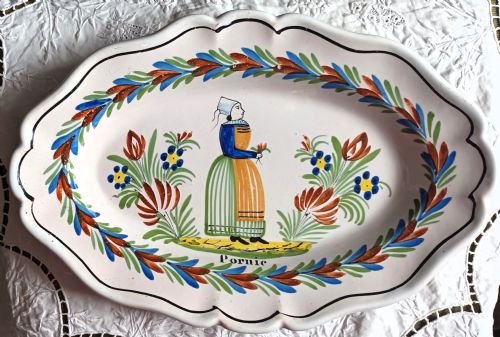
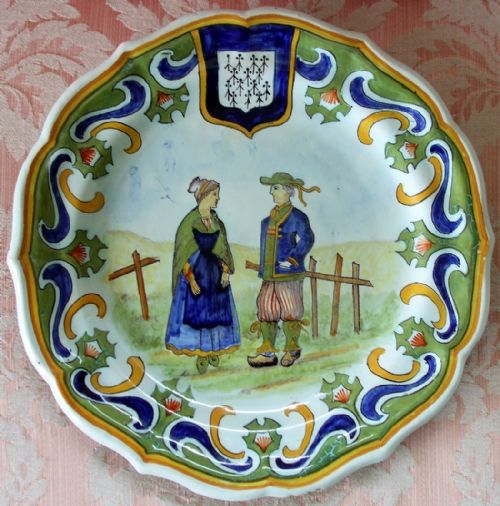
Vintage french art pottery brings together hand-painted faience, glazed stoneware and terracotta sculpture from regional French kilns.
Vintage French Art Pottery
When you search for vintage french art pottery, you encounter a varied selection of ceramics spanning the nineteenth century through the mid twentieth century. These objects range from functional tableware and decorative plates to sculptural animal figures and architectural tiles.
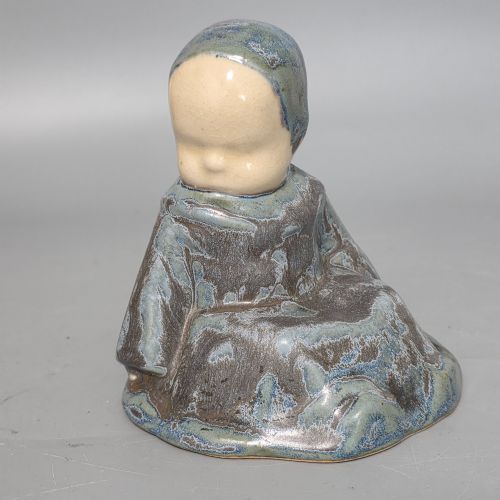
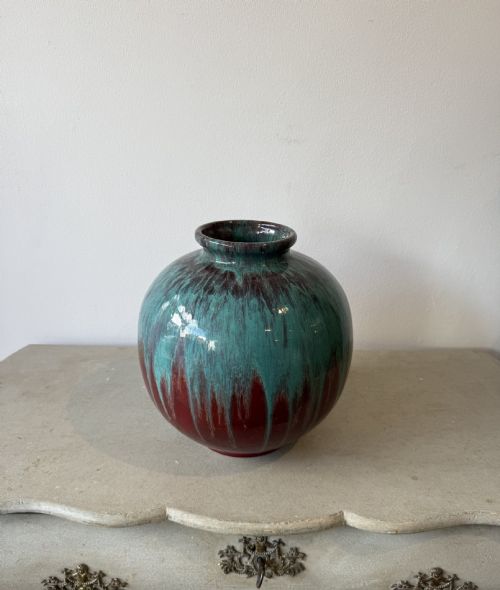
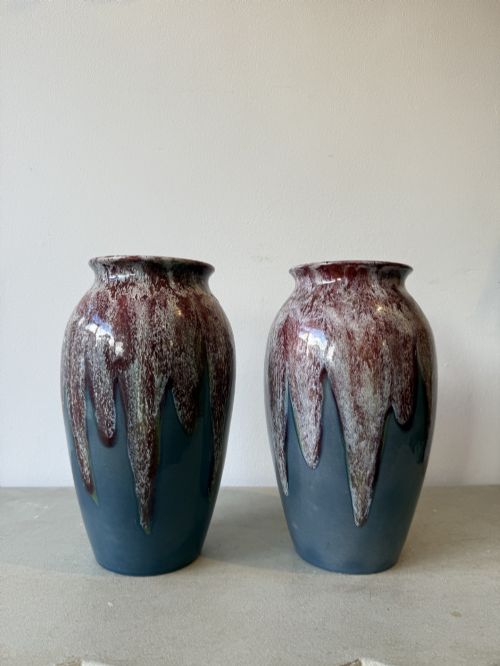
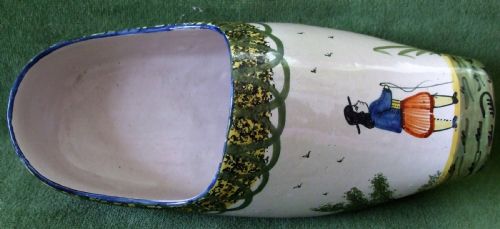
The pieces most frequently met on this page originate from notable regional centres such as Quimper, Desvres and Lille, alongside pieces shaped in the Art Nouveau and Art Deco styles. Vases, faience shoes, table lamps and terracotta busts appear regularly across the inventory.
Makers and potteries utilise traditional methods to produce earthenware, stoneware and tin-glazed items that reflect both provincial folk traditions and modernist design shifts. Each object carries the distinct visual language of its decade, from nineteenth century folk art to sleek 1930s forms.
Materials and production methods
Potters relied primarily on local clays, shaping ceramic, earthenware, terracotta and stoneware bodies either by hand or through mould pressing. These foundational materials provided the sturdy base necessary for subsequent glazing and firing processes.
Decoration typically involved tin glaze and hand-painted pigments, particularly seen in the production of traditional faience dishes, pin trays and sculptural figures. Artisans applied pigments directly onto the porous surface before a final kiln fixative process locked in the colour and gloss.
A nineteenth century ceramic pig from Normandy shares shelf space with watchful cats and painted wooden-shoe pin trays.
Assessing quality in regional ceramics
The distinction between standard provincial pieces and superior examples rests upon the precision of the hand-painted detailing and the depth of the glaze. Master painters at established potteries achieved sharper linework and richer polychrome palettes on figures and dishes.
Form also dictates standing, with sculptural works such as terracotta cat figures, stylized birds and large art deco vases demonstrating greater artistic ambition than repetitive utilitarian plates. The involvement of recognised modellers or signed studio pieces elevates the stature of an individual item.
Berthe Savigny·HB Quimper·Robert T Lallement·Le Manceau·Mougin·HR Quimper
The Vintage French Art Pottery Glossary
- Faience
- Tin-glazed earthenware produced across various European regions, known for its opaque white surface and hand-painted decoration. This technique allowed French provincial makers to apply intricate floral and figural motifs.
- Stoneware
- A dense, hard pottery fired at high temperatures until vitrified, making it largely impermeable to liquids. This durable material supported heavy glazes suited to large jardinieres and robust vessels.
- Terracotta
- Unglazed or glazed fired clay possessing a characteristic brownish-red hue, frequently utilised for sculptural busts and architectural ornaments. Sculptors favoured this medium for capturing fine anatomical details in figures.
- Tin Glaze
- A lead glaze rendered opaque by the addition of tin oxide, serving as a smooth white ground for painters. Artisans painted directly onto this absorbent surface before the final glost firing.
- Art Deco
- A design movement peaking in the 1930s characterised by streamlined geometric forms, stylised animal figures and vibrant colours. French pottery from this era often embraced bold silhouettes and simplified contours.
Vintage French Art Pottery: Frequently Asked Questions
What defines french faience?
French faience refers to tin-glazed earthenware decorated with hand-painted motifs, often produced in regional centres like Quimper and Desvres. These items range from domestic dishes to decorative wall plaques.
The tin glaze provides a characteristic milky white background that allows blue, yellow and red pigments to stand out vividly.
Where were these ceramics made?
These pieces originated in various French regions, including Normandy, Brittany and northern towns renowned for ceramic production. Local clay sources and regional stylistic traditions heavily influenced each workshop's output.
Rural folk art traditions existed alongside urban studio potteries to create this diverse ceramic landscape.
How should I display pottery at home?
Displaying vintage ceramics involves balancing sculptural forms like terracotta cats or busts with functional vessels such as vases and jardinieres. Placing items away from direct sunlight protects hand-painted pigments over time.
Grouping pieces by period or regional origin helps create a cohesive visual arrangement in a room.