




Vintage Fragment Cushion
A vintage fragment cushion brings historical textiles into modern rooms, turning antique tapestries and tribal bag faces into usable art.
Vintage Fragment Cushion
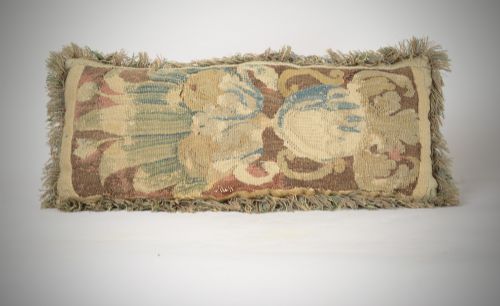
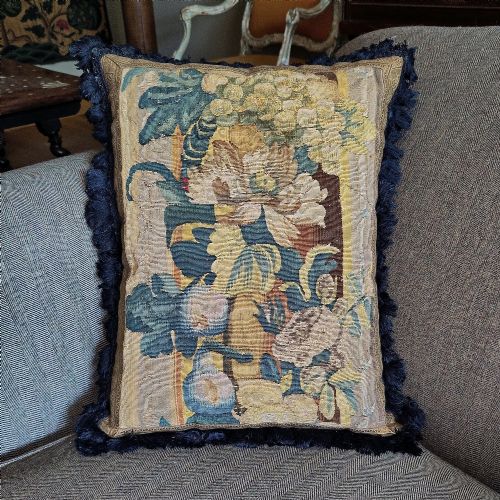
A vintage fragment cushion repurposes historic woven artefacts into decorative soft furnishings for the home. These pieces transform sections of older textiles, such as rug faces and tapestries, into items designed for everyday interior display.
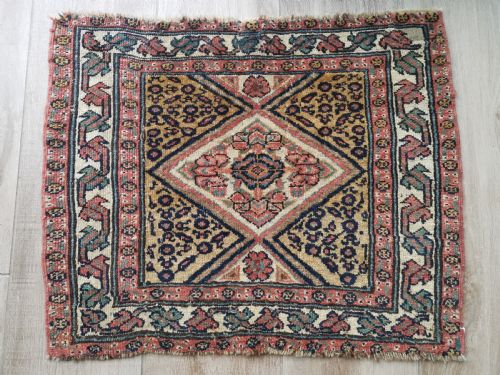
The selections here span centuries of textile tradition, drawing on items originating from seventeenth-century European work to nineteenth-century tribal weaving traditions. Buyers encounter everything from Flemish tapestry borders to Persian saddlebag faces mounted as cushions.
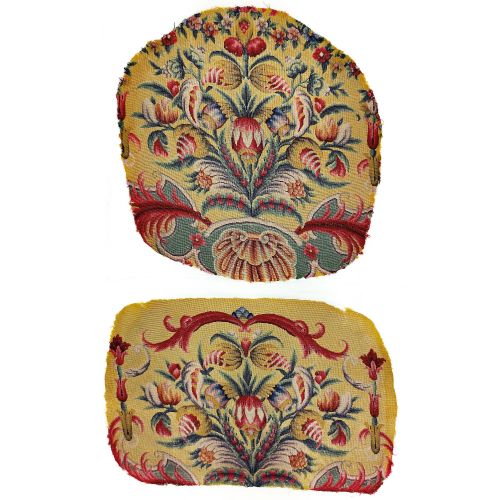
Forms include adaptations of bag faces, wheat sacks, and chair seats originating from diverse cultural regions. Each cushion preserves a portion of a larger textile, allowing historical weaving to function as a cushion.
How they were made
Construction relies on traditional natural fibres including wool, cotton, silk, linen, and canvas. Many examples utilise hand-spun wool dyed with vegetable dyes, contributing to the varied visual depth of the surface.
The underlying textiles often stem from nomadic or regional weaving traditions, employing techniques such as tapestry weaving or Soumak work. These constructed surfaces are subsequently adapted into cushion form while retaining the original historic face.
Vintage Fragment Cushion Retail Price Guide 2026
Typical asking prices for vintage fragment cushion among the pieces listed under this phrase on Sellingantiques today, from the lower quarter to the upper quarter. They describe what is for sale here now, not the wider market.
Current listings feature materials such as wool, silk, linen, and vegetable-dyed fibres.
What varies in quality
Quality rests in the integrity and visual strength of the textile fragment itself, along with the sensitivity of its adaptation into a cushion. Stronger examples showcase dense knotting, clear design motifs, and well-preserved natural dyes.
The distinction between tiers also involves the rarity of the originating piece, such as early Flemish tapestry fragments or specific tribal bag faces. Finer specimens display superior wool lustre and complex iconography, like bird or dragon designs.
The Vintage Fragment Cushion Glossary
- Bagface
- The decorative front panel of a nomadic storage bag, frequently utilised for cushions due to its concentrated design.
- Soumak
- A flat-weave technique involving wrapping weft threads around warp threads, producing a durable and textured surface.
- Tapestry
- A form of textile art woven by hand on a loom, commonly associated with European historical interiors.
- Vegetable dye
- Colouring derived from plants and roots, giving older textiles a natural tonal variation across the wool.
Vintage Fragment Cushion: Frequently Asked Questions
What is a vintage fragment cushion?
A vintage fragment cushion is a decorative home accessory made by repurposing a section of an older textile, such as a tribal bag face or tapestry.
These pieces give historic woven materials a new domestic purpose while preserving their original designs and textures.
How do I care for a textile cushion?
Care involves gentle treatment suited to fragile historic fibres and natural dyes.
Keep them out of direct sunlight to prevent fading, and consult a specialist textile cleaner when maintenance is required.
Where do the textile fragments originate?
The fragments come from various traditions, including European tapestries and tribal weaving regions across Persia.
Items range from seventeenth-century Flemish borders to nineteenth-century nomadic saddlebag faces.
Are these cushions made from authentic antiques?
Yes, the cushions incorporate genuine historical textile fragments dating from past centuries.
Craftsmen adapt these authentic sections into usable cushions to highlight their historic patterns and materials.