

Vintage Foyer Table
A vintage foyer table brings immediate character to an entrance hall, offering a surface for everyday items while setting the tone of the interior.
Vintage Foyer Table
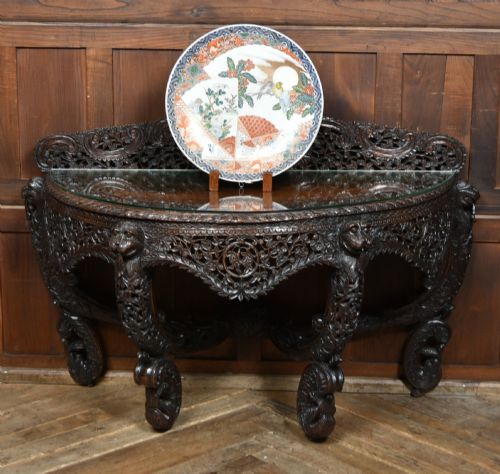
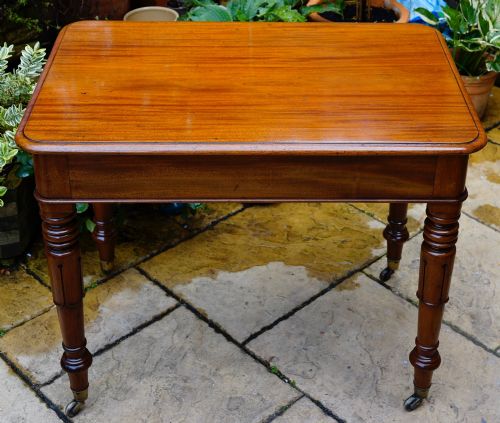
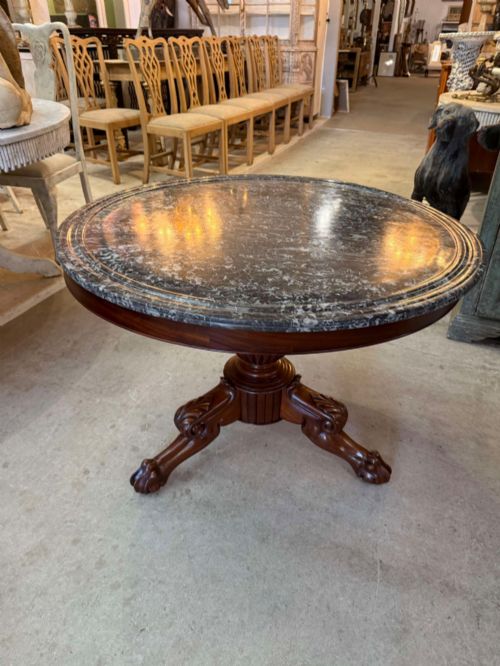
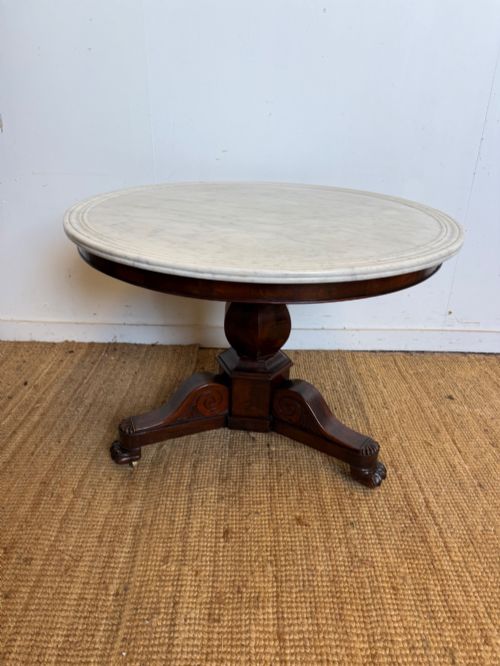
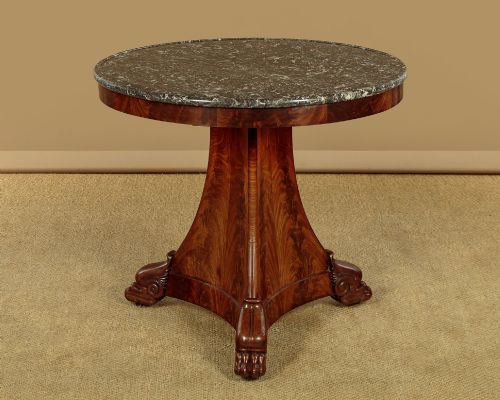
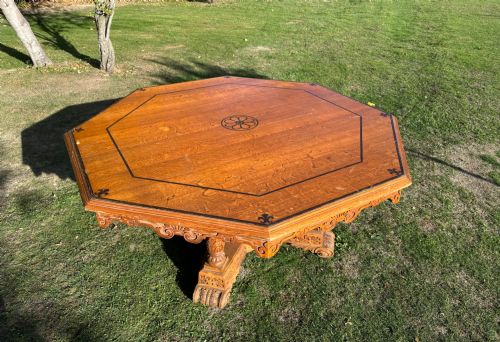
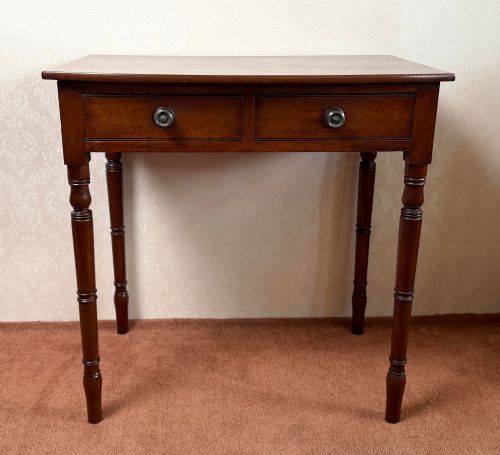
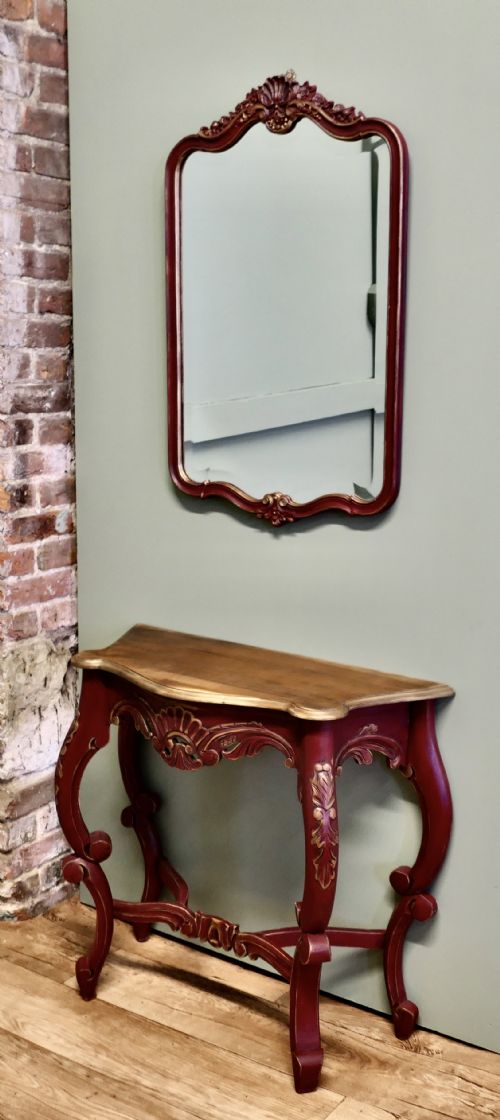
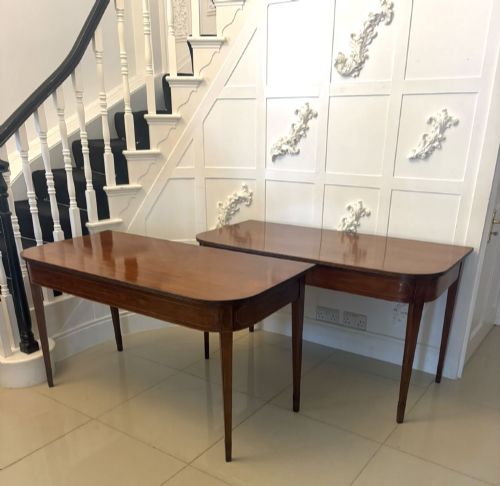
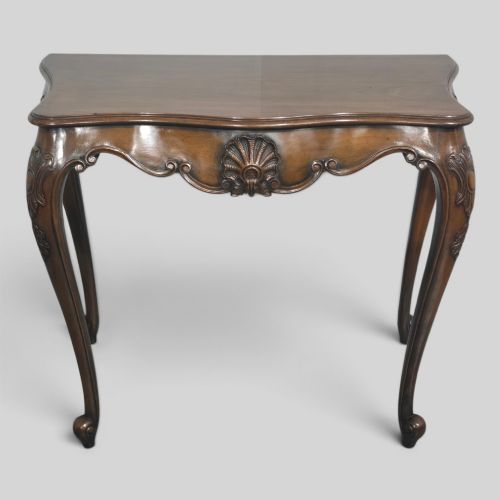
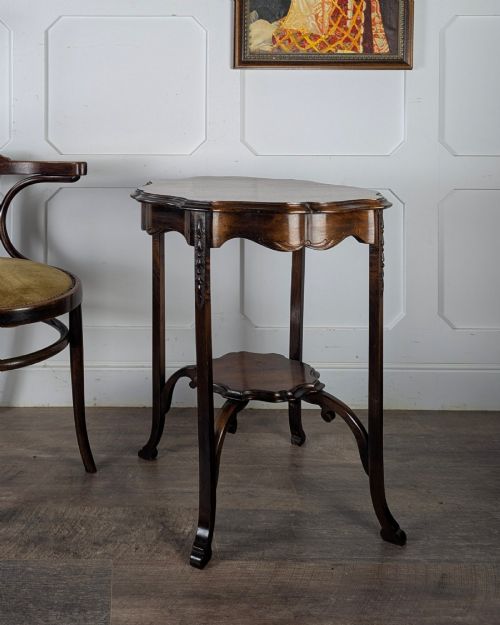
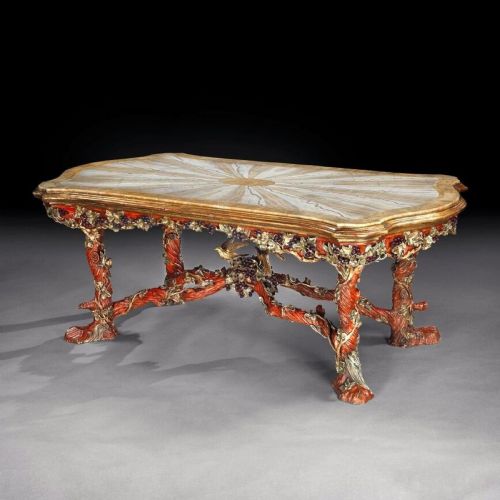
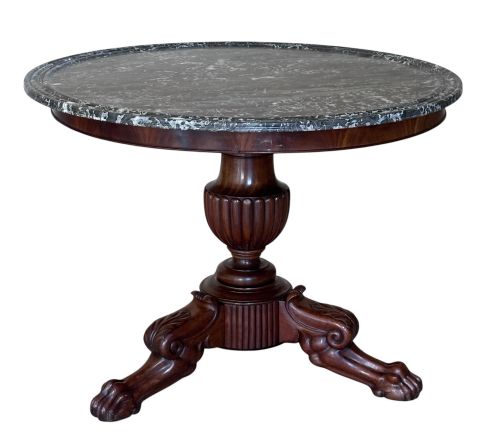
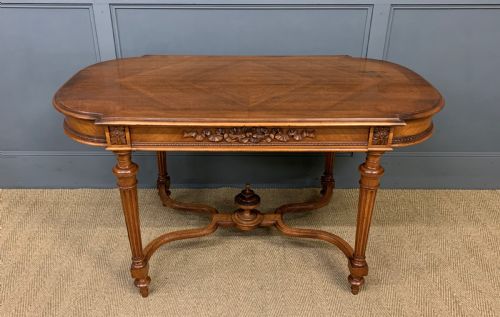
A vintage foyer table encompasses practical console and centre tables designed to occupy entrance halls and reception spaces. The pieces appearing here span the Victorian, Edwardian, and Art Deco eras, alongside Georgian Revival interpretations.
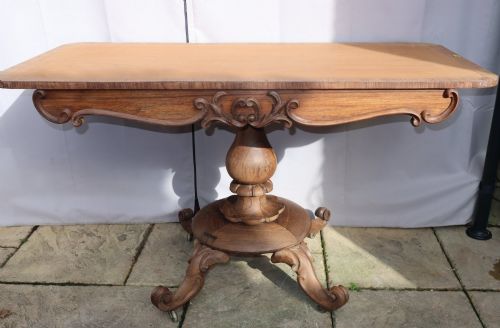
Buyers frequently encounter console tables positioned flush against walls, alongside occasional centre tables suited to larger entrance spaces. The forms reflect traditional joinery combined with period aesthetic movements ranging from early twentieth-century modernism to classic revivals.
Materials and construction
Construction relies predominantly on solid timber frameworks and carefully chosen decorative veneers. Mahogany forms the backbone of these pieces, frequently enhanced by contrasting boxwood and satinwood inlay.
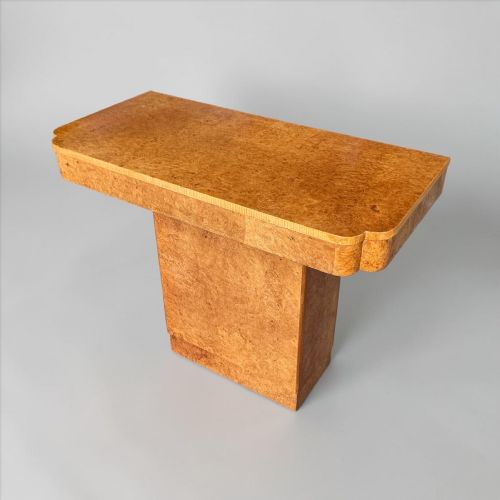
Cabinetmakers utilised specialised surface treatments including burr birch and birds eye maple veneer. Details such as ebonised wood and brass elements provide structural contrast and visual definition.
Vintage Foyer Table Retail Price Guide 2026
Typical asking prices for vintage foyer table among the pieces listed under this phrase on Sellingantiques today, from the lower quarter to the upper quarter. They describe what is for sale here now, not the wider market.
Materials represented across the inventory include mahogany, burr birch, satinwood, boxwood, birds eye maple veneer, and ebonised wood.
Assessing craftsmanship
Quality rests upon the selection of timber veneers and the precision of decorative inlay work. Pieces demonstrating superior craft exhibit harmonious grain alignment and cleanly executed stringing.
The integration of contrasting woods like boxwood and satinwood indicates higher standards of workshop production. Conversely, simpler constructions rely on basic timber surfaces without intricate detailing.
The Vintage Foyer Table Glossary
- Console table
- A table designed to stand against a wall, frequently supported by brackets or legs at the front. These pieces serve narrow entrance spaces efficiently.
- Centre table
- A freestanding piece meant to be viewed from all sides, often positioned in the middle of a room or grand hall.
- Veneer
- A thin layer of figured wood applied to a secondary timber base to create decorative patterns. Burr birch and birds eye maple are typical examples.
- Inlay
- A technique where contrasting materials are set into the surface of a base timber to form decorative motifs. Boxwood and satinwood frequently appear in this role.
Vintage Foyer Table: Frequently Asked Questions
Where should I place a console table?
These tables find their natural home in entrance halls and narrow corridors where floor space is limited. They provide a convenient drop-off point for keys and post.
Larger entrance areas can accommodate freestanding centre tables which allow movement around all sides while displaying lamps or floral arrangements.
How do I care for wooden surfaces?
Regular dusting with a soft, dry cloth preserves the polished finish of mahogany and veneered surfaces. Avoid placing items that trap moisture directly onto the timber.
Keeping these tables away from direct heat sources prevents the wood and delicate veneer work from drying out over time.
What defines Art Deco style?
Art Deco pieces emphasise streamlined geometry, striking contrasts, and smooth polished surfaces. Materials like birds eye maple and ebonised wood characterise this visual language.
These designs move away from historical revivalism towards a cleaner, more modern aesthetic suitable for urban interiors.
What is a Georgian Revival table?
Georgian Revival pieces replicate the proportions and decorative vocabulary of eighteenth-century furniture. Cabinetmakers working in later decades reproduced these classic forms using traditional timbers.
Mahogany remains the primary material for this style, often accompanied by subtle inlay work reflecting earlier craftsmanship.