

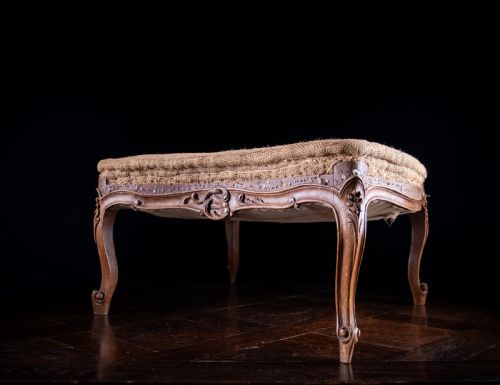
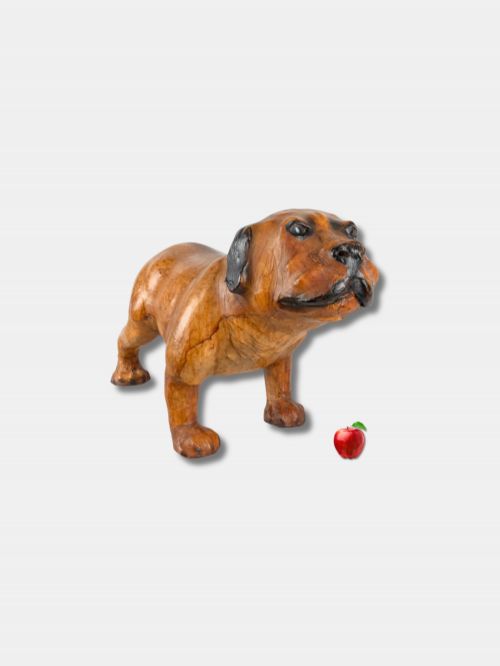
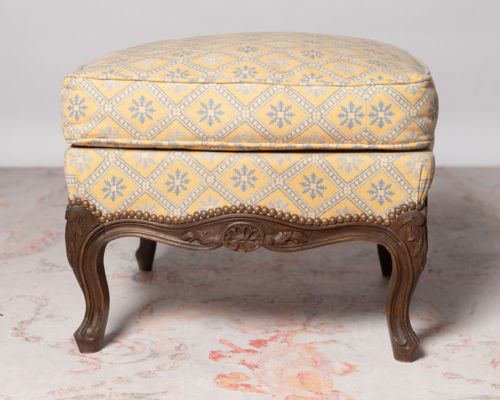

Vintage Footrest Ottoman
These vintage footrest ottoman pieces range from Victorian mahogany designs to Art Deco leather models, offering period charm and practical comfort for daily interiors.
Vintage Footrest Ottoman
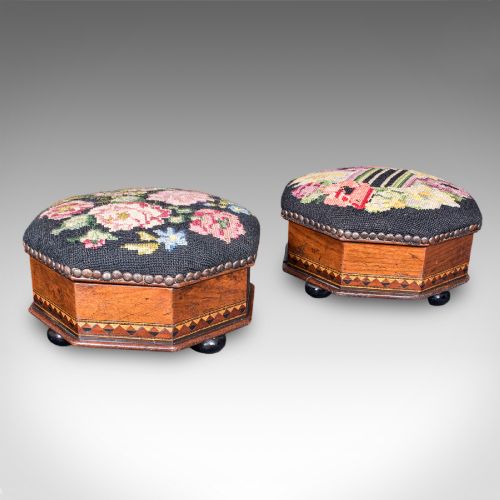
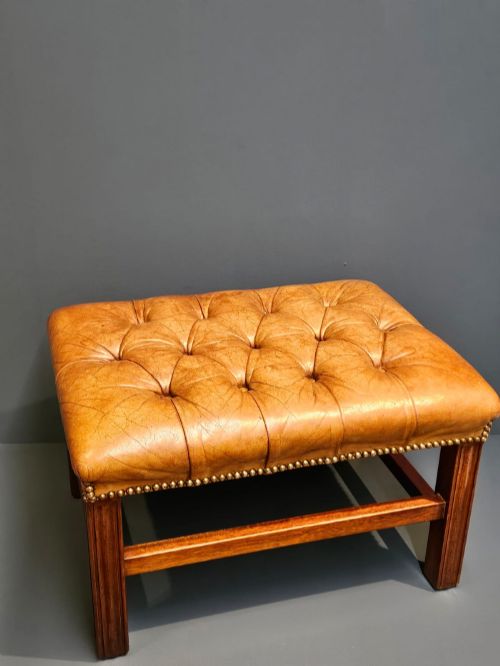
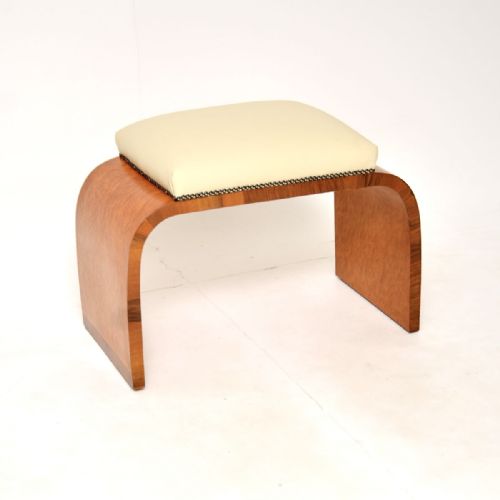
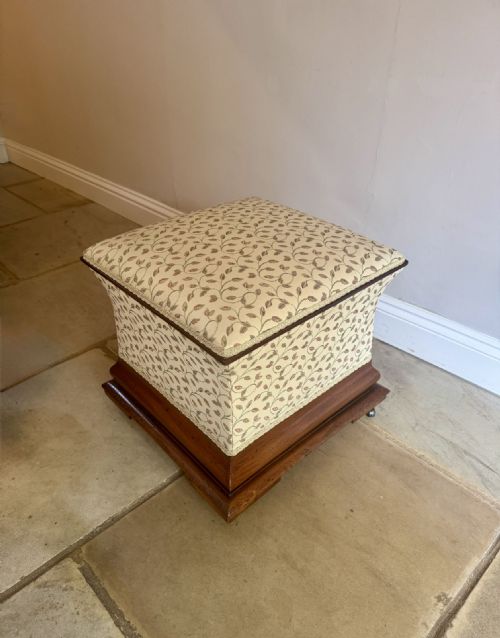
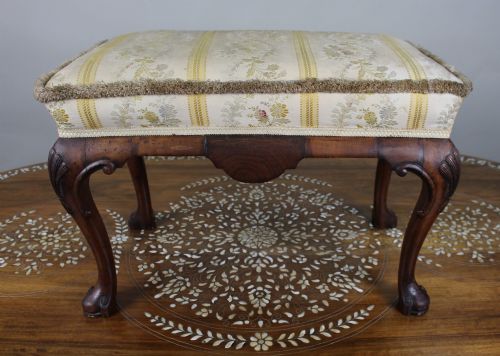
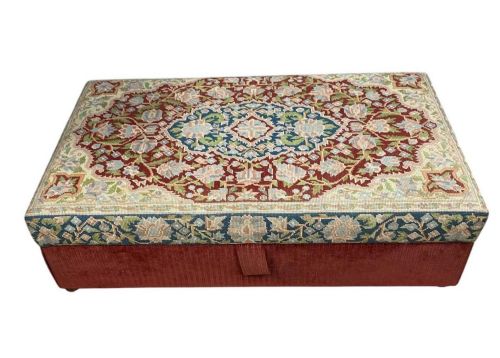
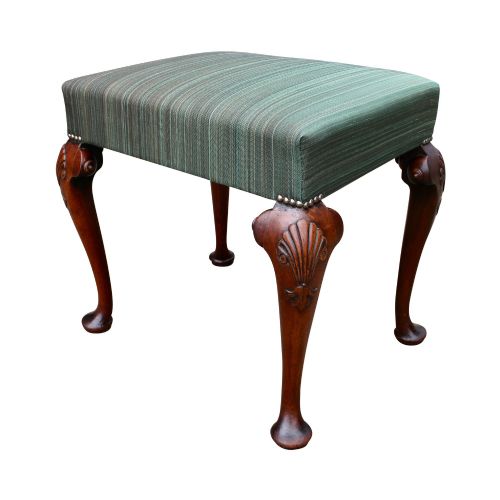
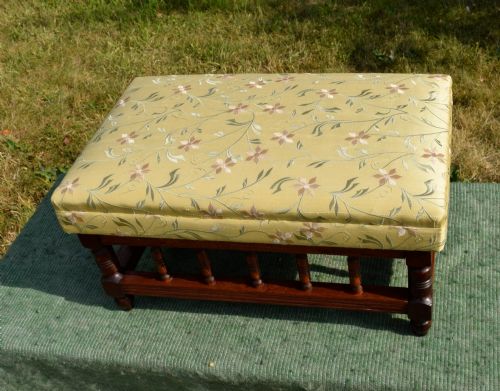
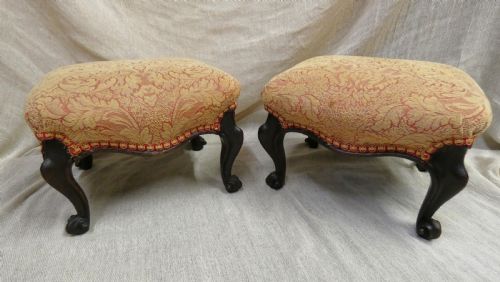
When you search for vintage footrest ottoman options, you encounter a variety of low seating forms designed for resting feet or serving as small seats. The selection spans compact fireside stools and larger ottomans, frequently appearing in forms like footstools and centre stools.
The pieces on this page derive from several distinct eras, stretching from mid-nineteenth-century examples through Edwardian and Art Deco periods. Victorian and nineteenth-century walnut and mahogany models dominate the listings, alongside early twentieth-century leather animal figures and revival styles.
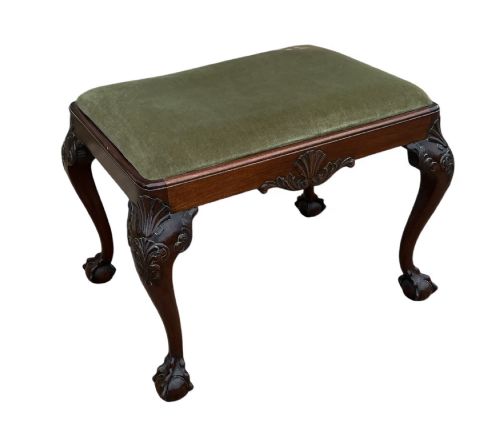
Makers and workshops of note include names such as Omersa for Liberty, Harry and Lou Epstein, and Miles and Edwards. Revival aesthetics also feature heavily, with Queen Anne, Chippendale, and Louis styles represented across walnut, mahogany, and beech frames.
How they were made
Craftsmen built the frames of these pieces using timbers such as walnut, mahogany, oak, teak, and beech, often applying carved details or polished finishes. Hardwood structures provide the solid foundation for both traditional stools and more decorative revival models.
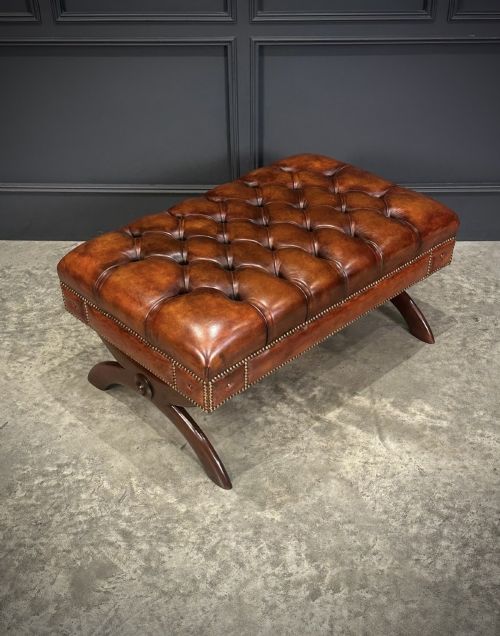
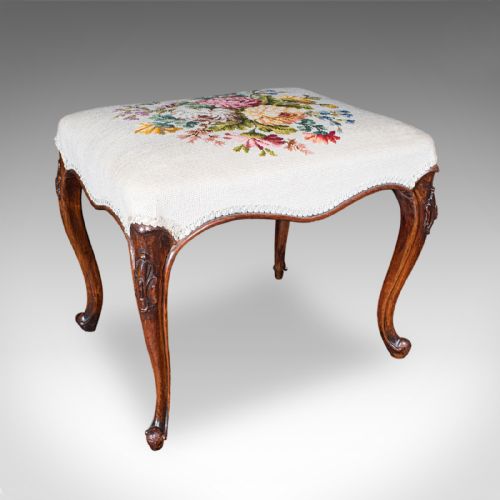
Upholstery methods rely on traditional textile coverings including needlepoint, tapestry, kilim, wool, fabric, and leather. Many pieces showcase intricate needlework tops or patinated leather surfaces secured over padding and webbing.
Vintage Footrest Ottoman Retail Price Guide 2026
Typical asking prices for vintage footrest ottoman among the pieces listed under this phrase on Sellingantiques today, from the lower quarter to the upper quarter. They describe what is for sale here now, not the wider market.
Listings feature woods like mahogany and walnut alongside textiles including tapestry, leather, and needlepoint.
What varies in quality
The standard of timber carving and frame construction dictates the distinction between ordinary and superior pieces. Finer examples display crisp hand-carving on walnut or mahogany, solid joinery, and well-proportioned revival styling.
The integrity and originality of the upholstery or leather covering significantly influence the character of the item. Pieces retaining period needlework, tapestry, or aged leather patination command greater interest than those requiring total reupholstery.
Omersa Workshop·Harry and Lou Epstein·Miles and Edwards·Howard and Sons
The Vintage Footrest Ottoman Glossary
- Ottoman
- A low upholstered seat or footstool without a back or arms, often designed for domestic relaxation. These pieces function as independent footrests or small coffee tables.
- Needlepoint
- A type of canvas work embroidery used extensively for historical stool tops and fireside furnishings. It provides a durable and decorative surface texture.
- Curule
- An X-shaped frame design originating in antiquity and revived in nineteenth-century seating. This ancient form gives structural strength and architectural interest to stools.
- Kilim
- A flatwoven textile originating from the East, utilised as a distinctive covering for nineteenth-century footstools. It introduces geometric patterns and rich colour to the piece.
- Metamorphic
- Describing furniture designed with mechanical parts that transform its function or shape. Gout stools often incorporate this adjustable mechanism for elevating the feet.
Vintage Footrest Ottoman: Frequently Asked Questions
How do I use a vintage ottoman?
These pieces serve primarily as footrests beside armchairs or as occasional seats in living spaces and bedrooms.
Larger variations also function successfully as low coffee tables when topped with a flat tray.
How do I date a Victorian footstool?
Examine the underlying timber, joinery techniques, and the style of the carved details on the frame. Secondary woods and traditional hand tools often indicate nineteenth-century origins.
Needlework tops and upholstery webbing can also offer clues to the specific manufacturing decade.
What is a gout stool?
A gout stool is an adjustable footrest designed to elevate the foot at a comfortable angle for resting. Edwardian metamorphic examples often feature a pivoting mechanism for this purpose.
They combine practical health utility with compact woodwork and upholstery.
Are leather footstools vintage?
Leather upholstery appears frequently on early twentieth-century pieces, including Art Deco designs and novelty animal forms. These items utilise patinated leather over solid wood or stuffed structures.
They provide a durable surface that develops a rich character through age and use.