


Vintage Food Safe Cupboard
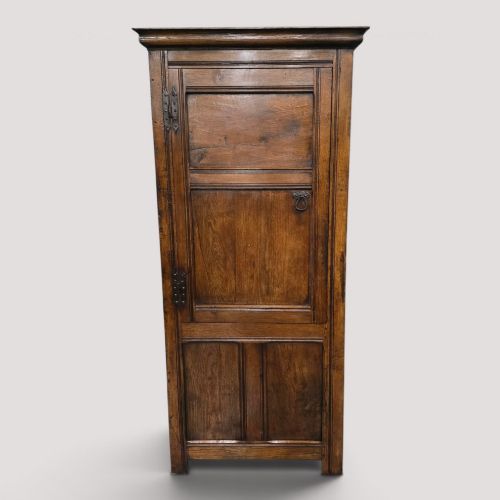
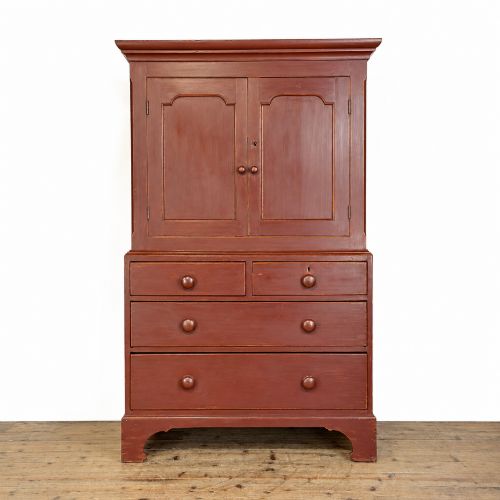
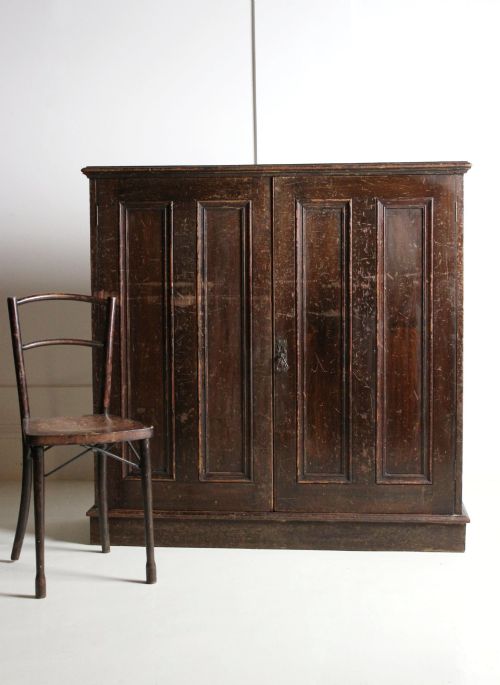
These vintage food safe cupboards are practical pieces of country storage designed to protect provisions, offering timeless utility for modern kitchens.
Vintage Food Safe Cupboard
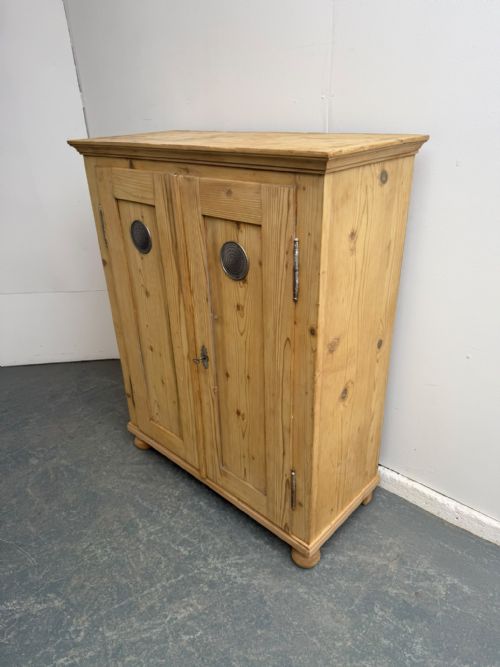
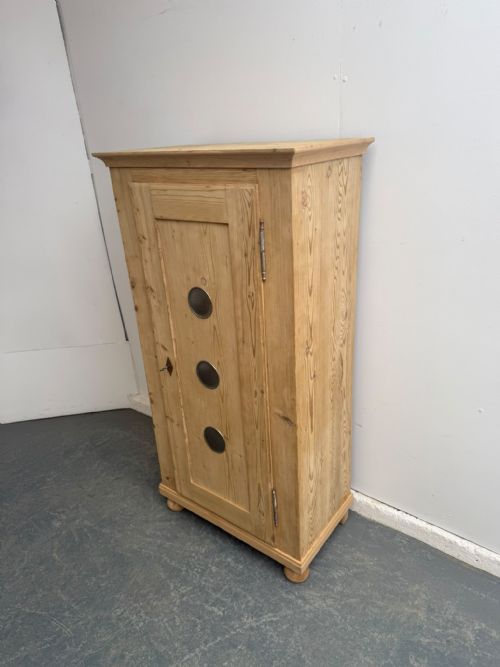
A vintage food safe cupboard serves as a dedicated storage cabinet for household provisions, often featuring ventilated panels to keep contents fresh. These pieces originate from various regional traditions, spanning domestic and farmhouse contexts across Britain, France, Scandinavia, and Eastern Europe.
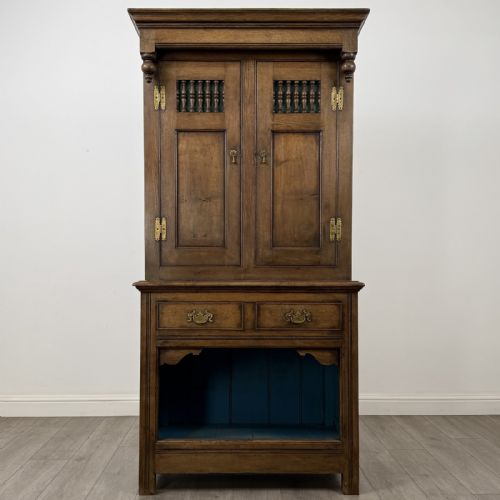
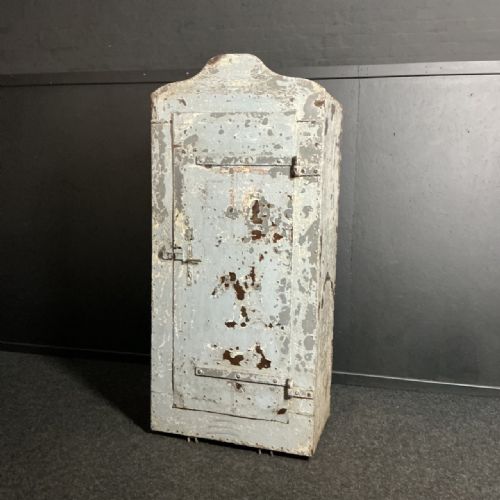
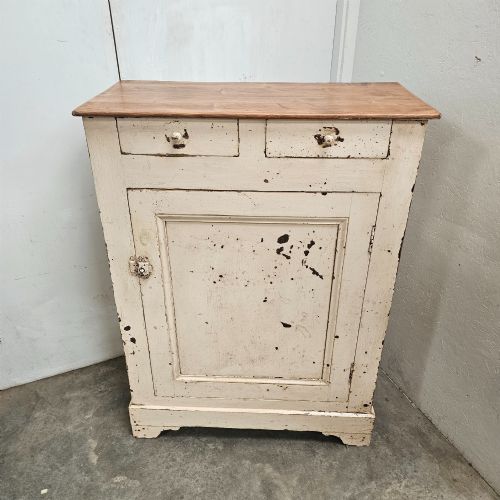
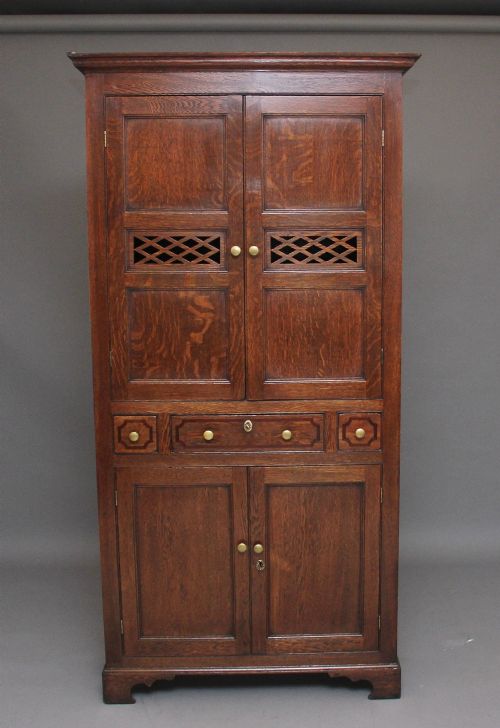
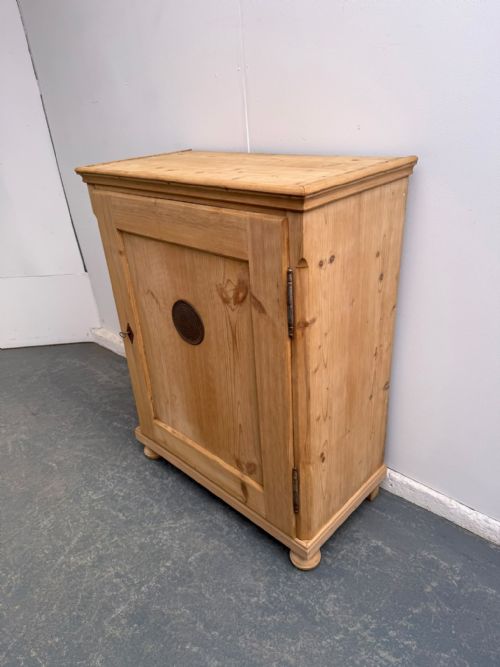
The selections available here range from tall housekeeper and larder cupboards to smaller wall cabinets and confituriers. Pine forms the mainstay of these functional items, alongside oak, walnut, and painted steel.
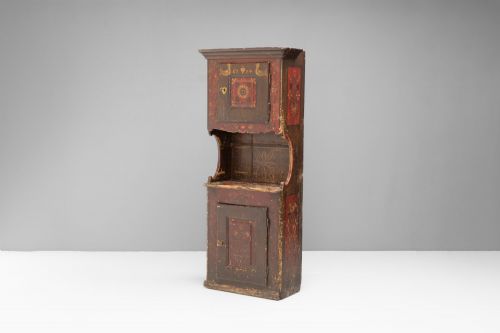
Periods represented stretch from seventeenth century rustic examples through Georgian and Victorian country pieces up to early twentieth century designs. Buyers frequently encounter painted pine or natural wood finishes showing practical everyday wear.
How they were made
Makers constructed these utility cupboards predominantly from solid timbers like pine and oak, using straightforward joinery suited to hardworking furniture. Panels frequently incorporated wire mesh, perforated metal, or turned wooden spindles to allow air circulation while excluding pests.
Surfaces often received layers of protective paint, which dealers and owners have subsequently maintained, stripped, or waxed. Simple brass or iron hardware secures the doors, reflecting the utilitarian purpose of keeping food safe.
One cheerful pine cupboard carries later sign-writing advertising Hovis Bread, proving that old kitchen furniture loves a second career.
What varies in quality
The standard of a vintage food safe cupboard depends upon the integrity of its original timber and the retention of its functional ventilation panels. Finer examples display thoughtful proportions, carved pillar details, or untouched regional paint surfaces rather than purely utilitarian utility.
Construction methods also distinguish standard workshop pieces from superior vernacular items, noting particularly the thickness of the timber and the survival of original brass or iron fittings. Alterations to shelves or replaced hardware shift a piece away from its original state.
The Vintage Food Safe Cupboard Glossary
- Food safe
- A specialised cabinet built with vented panels of wire mesh or pierced metal to store perishables away from insects. These pieces formed essential furniture in kitchens before mechanical refrigeration.
- Housekeeper's cupboard
- A large storage piece traditionally used for linens, dry goods, and household provisions. They often combine multiple doors and drawers in substantial pine or oak construction.
- Confiturier
- A small French cupboard originally designed to store confit jars and preserves. They typically feature a single door above a small drawer and sit low to the floor.
- Panetière
- A traditional French wall or floor cabinet meant for storing bread. These pieces frequently incorporate turned spindles to ensure adequate airflow around the loaves.
- Vernacular furniture
- Practical items made by local tradespeople to suit regional needs rather than following high London fashion. These objects prioritize utility and local materials over academic stylistic rules.
Vintage Food Safe Cupboard: Frequently Asked Questions
How do I clean a painted pine cupboard?
Use a damp cloth with mild soapy water to gently wipe painted surfaces, avoiding harsh chemical solvents that might lift the historic finish.
Dry the timber thoroughly afterwards and apply a clear beeswax where the paint has worn thin to protect the underlying wood.
Are these cupboards suitable for modern kitchens?
These storage pieces integrate well into contemporary spaces as freestanding larders or pantry units for dry goods, crockery, and glassware.
Their ventilated doors make them practical for storing items that benefit from air circulation while adding rustic character to a room.
What does vented mean on a cupboard?
Vented refers to doors or sides fitted with wire mesh, pierced tin, or wooden slats designed to let air pass through the interior.
This ventilation prevented stored food from spoiling in the era before electric refrigeration.