



Vintage Flower Table
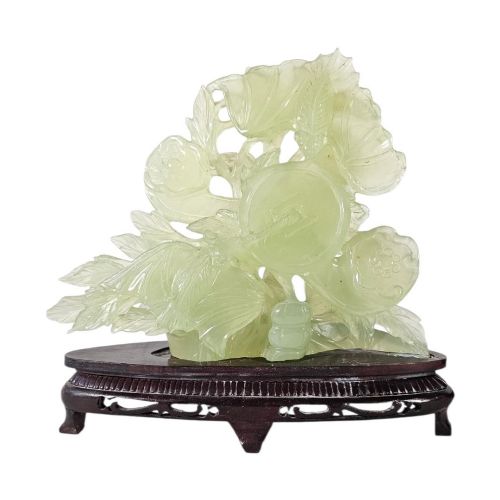
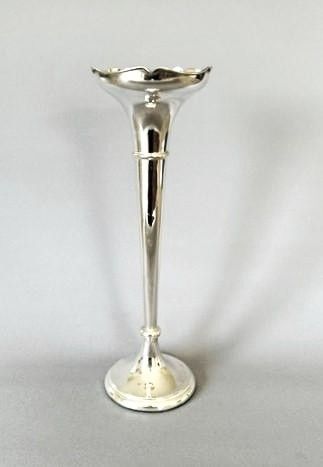
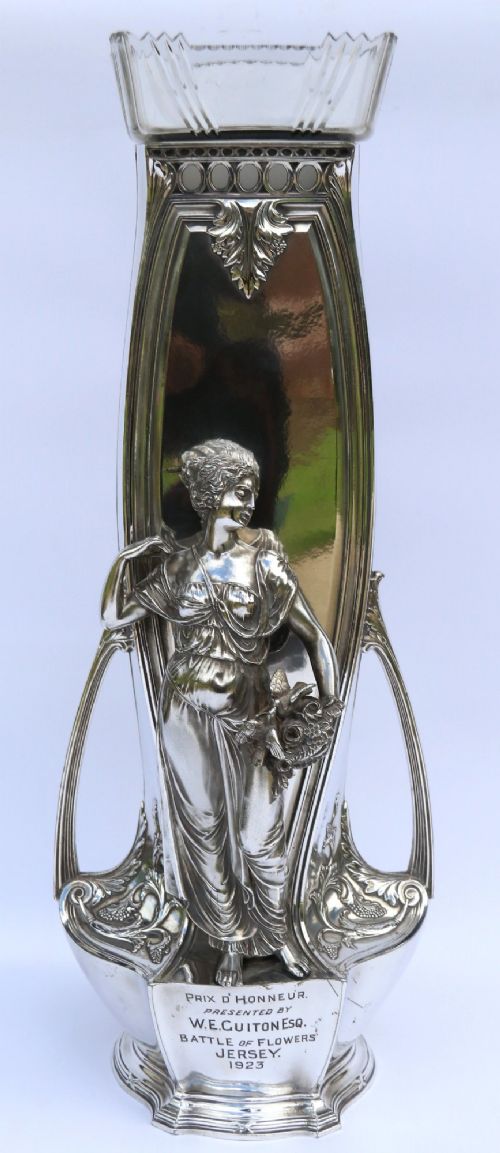
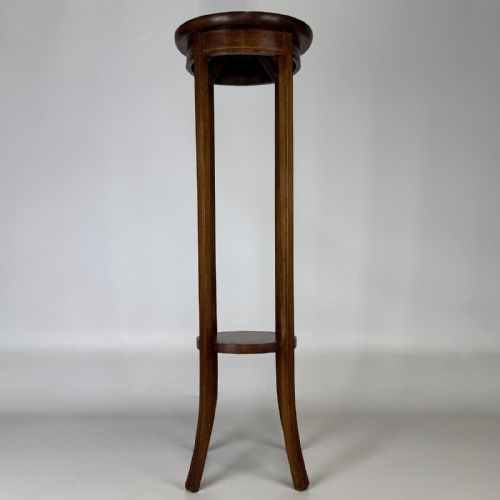
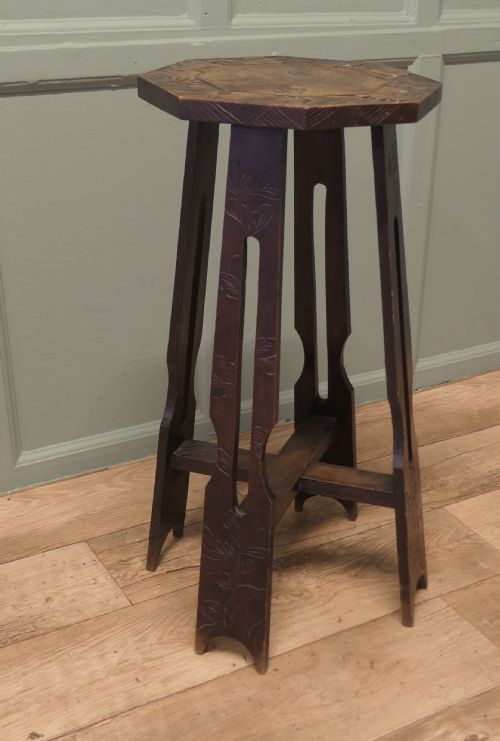
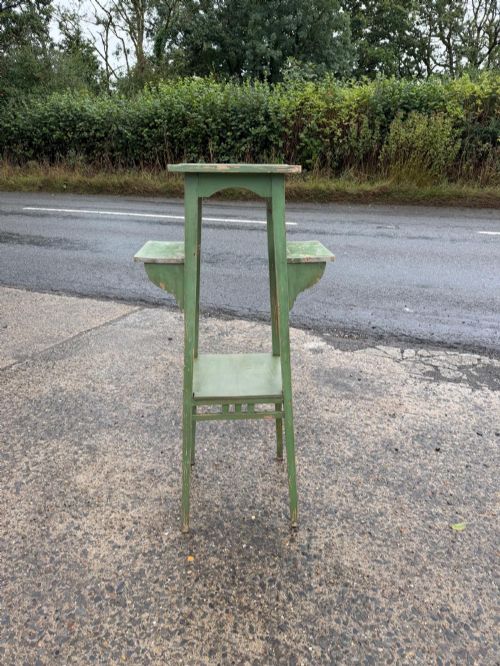
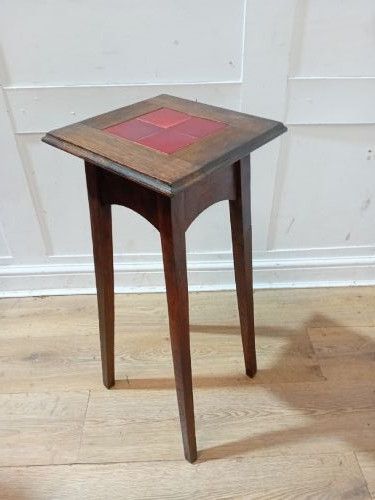
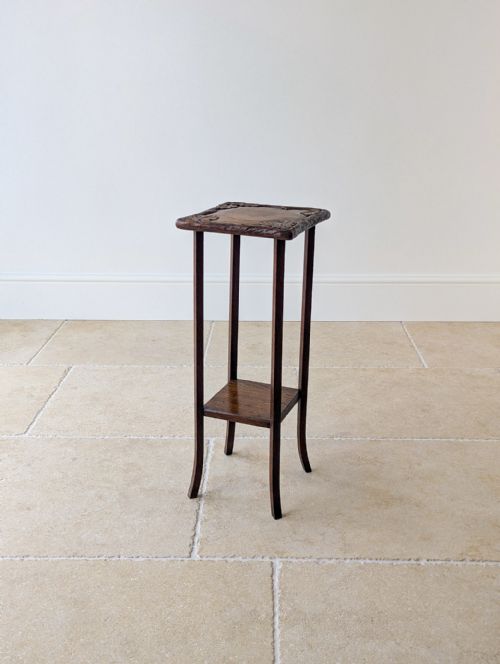
These pieces sold as a vintage flower table encompass plant stands, jardiniere supports, and display columns designed to elevate botanical decoration in a room.
Vintage Flower Table
A vintage flower table serves primarily as a dedicated platform for plants, vases, and floral displays rather than general domestic use. Buyers seeking this phrase encounter plant stands, jardiniere supports, and low pedestals constructed to hold pots and vessels.
The selections span the Victorian, Edwardian, and Art Deco periods, alongside earlier nineteenth-century examples and turn-of-the-century designs. Most options lean toward Edwardian oak or mahogany plant stands and compact occasional tables suited for floral arrangements.
Origins vary from English Arts and Crafts workshops to French and Chinese export studios, bringing diverse decorative traditions into a single functional category. Elm, oak, and exotic hardwoods dominate the structural forms alongside marble-topped and brass-mounted pedestals.
Materials and construction methods
Construction relies heavily on traditional cabinet-making timbers such as oak, mahogany, walnut, and elm, often shaped with barley twist legs, carved detailing, or tiered lower shelves. Joinery techniques reflect the period, utilising mortise and tenon joints in Arts and Crafts pieces and turned components in standard plant stands.
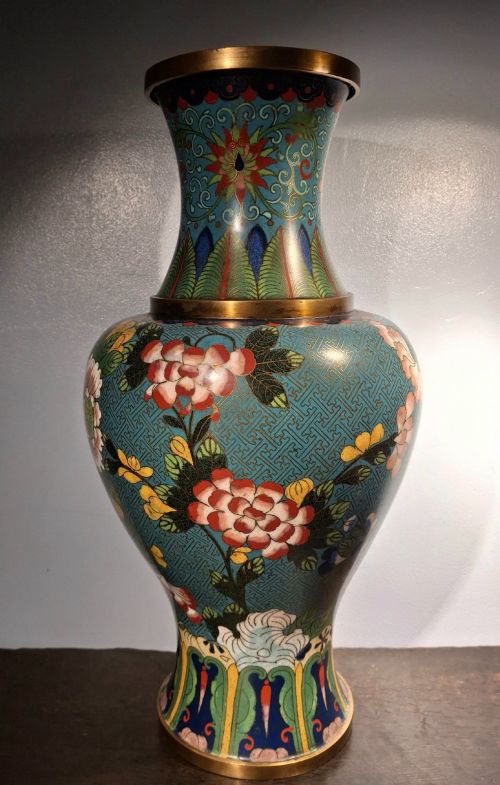
Surfaces frequently incorporate contrasting inlays, marble inserts, or cloisonne enamel panels to support heavy ceramic pots and damp planters. Brass fittings, gilt bronze mounts, and original painted finishes provide structural stability and decorative enrichment to wooden frames.
Vintage Flower Table Retail Price Guide 2026
Typical asking prices for vintage flower table among the pieces listed under this phrase on Sellingantiques today, from the lower quarter to the upper quarter. They describe what is for sale here now, not the wider market.
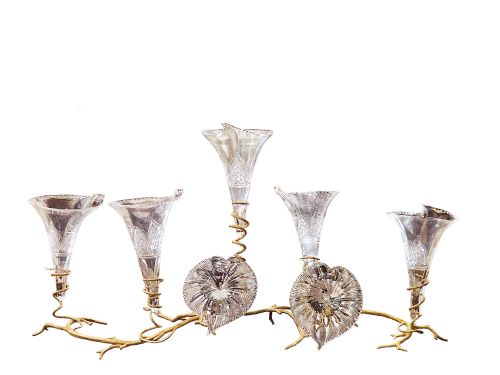
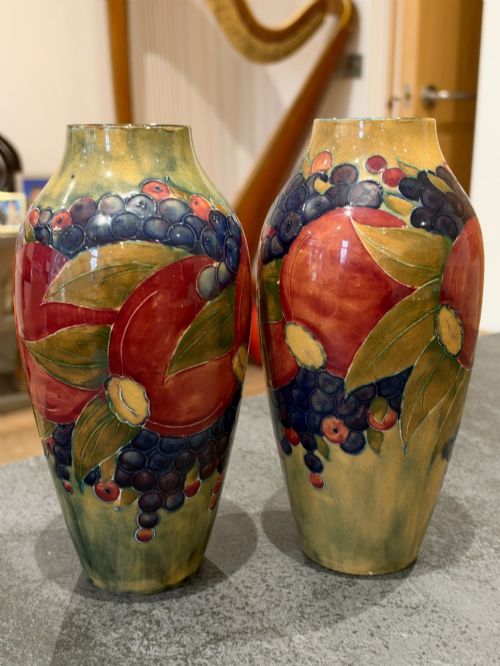
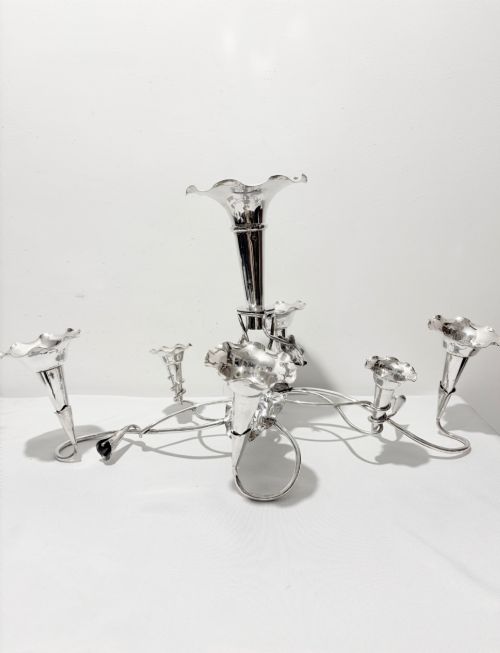
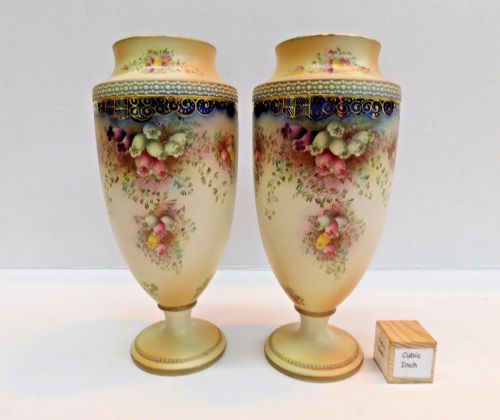
Object forms range from tall plant stands and jardiniere supports to porcelain centrepieces and occasional tables.
Assessing quality and craftsmanship
Quality separates through the integrity of the timber selection, the crispness of hand-carved details, and the stability of the joints under weight. Superior pieces maintain original marble tops, intact brass mounts, and uncompromised structural frames without excessive replacement hardware.
Execution of decorative elements, such as inlaid mother-of-pearl or precise turning on legs, marks the distinction between standard utilitarian items and masterwork furniture. Finer examples retain authentic surface patination and maker attributions that demonstrate exceptional period craftsmanship.
Liberty & Co·Sitzendorf porcelain·St Louis glassworks·Plaue Schierholz
The Vintage Flower Table Glossary
- Jardiniere
- An ornamental pot or stand designed specifically to hold a living plant or floral arrangement. These vessels often sit atop dedicated pedestals or form integrated parts of plant stands.
- Cloisonne
- A metalworking technique where enamel is applied to compartments created by soldering wires to a metal body. Pieces utilising this method frequently display floral and bird motifs.
- Pedestal table
- A standalone column or small table supported by a single central shaft or pillar. They provide elevated surfaces for display items and plant pots.
- Barley twist
- A type of turned furniture leg resembling a spiral rope. This decorative woodworking style appears frequently on Edwardian and Victorian plant stands.
- Epergne
- A decorative centrepiece bowl fitted with multiple arms and smaller receptacles for fruit or flowers. These items often feature glass or silver construction.
Vintage Flower Table: Frequently Asked Questions
What is a vintage flower table used for?
These pieces function primarily as elevated surfaces for potted plants, floral arrangements, and decorative vases within domestic interiors. They allow botanicals to sit at varying heights to catch light and improve room proportions.
Historically, they served practical roles in conservatories, parlours, and hallways to protect flooring from damp plant pots while displaying horticulture. Today, collectors utilise them similarly for indoor greenery or as compact display furniture.
How do I identify an Edwardian plant stand?
Edwardian examples typically utilise oak or mahogany, often featuring lower display shelves and simpler structural lines than their Victorian predecessors. Barley twist legs and subtle Arts and Crafts influence frequently appear in this bracket.
Construction methods from this era lean toward sturdy domestic utility, balancing lighter proportions with enough weight to support heavy ceramic jardinieres safely.
Are marble tops original on these stands?
Many nineteenth-century and turn-of-the-century plant stands and console tables were manufactured specifically with inset marble slabs to resist water damage from watering plants. These stone inserts are generally integral to the original design.
Checking the underside of the top reveals whether the timber housing matches the age and joinery style of the rest of the frame.
How do I care for wood and marble plant stands?
Protect wooden surfaces by using saucer liners beneath pots to prevent moisture rings and water damage to the polish or grain. Regular dusting and occasional application of appropriate furniture wax maintain the finish.
Marble inserts require gentle cleaning with mild soap and water, avoiding acidic substances that can etch the polished stone surface over time.