


Vintage Floral Print
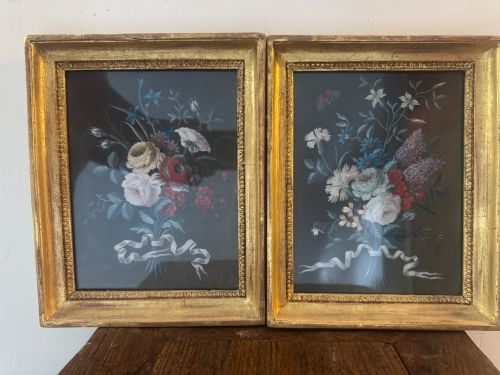
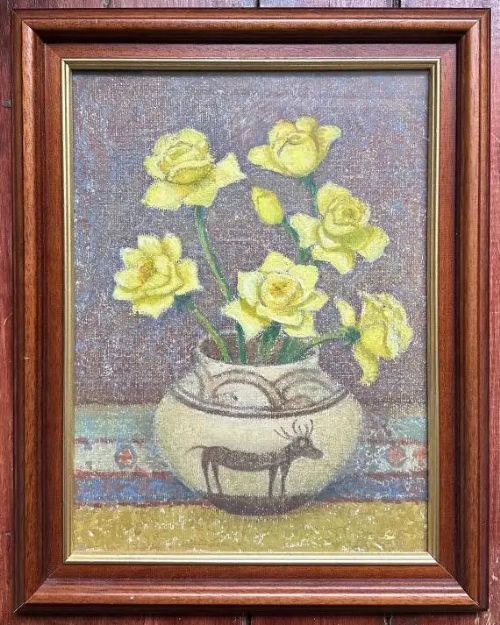
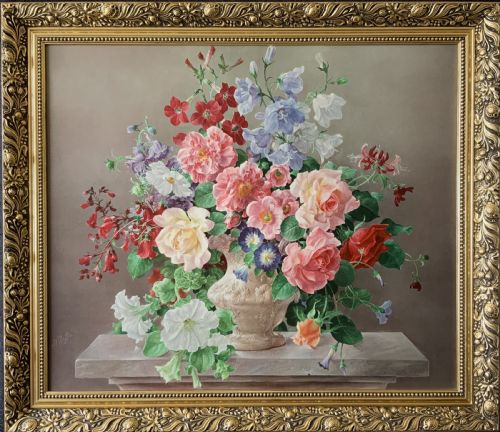
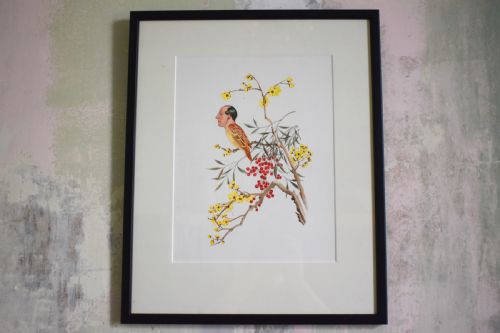
A vintage floral print brings botanical studies, hand-coloured engravings and painted garden scenes into a room.
Vintage Floral Print
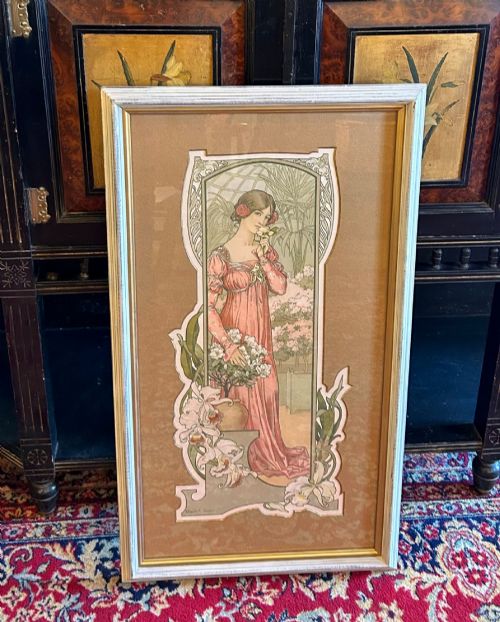
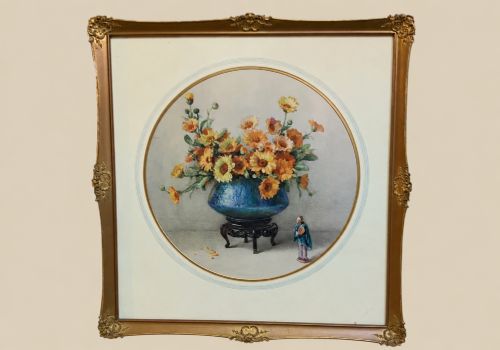
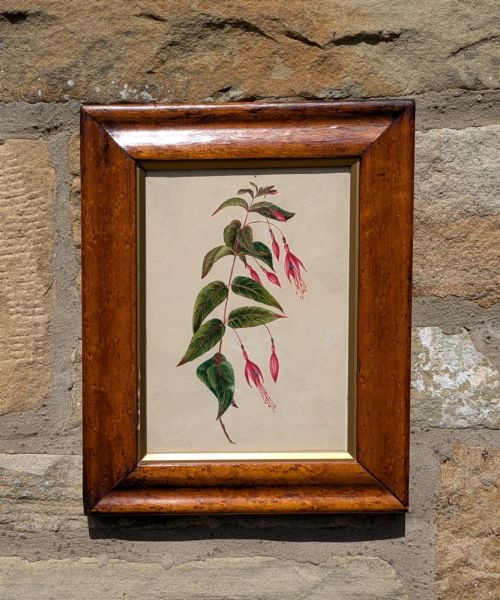
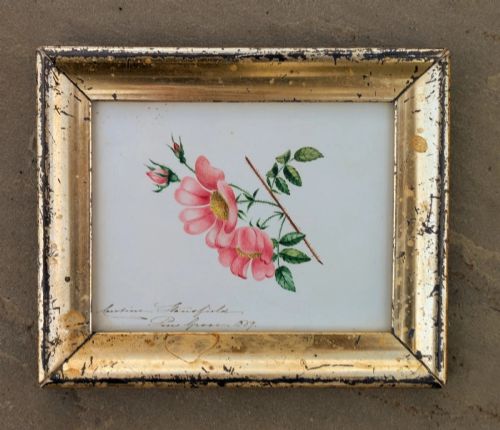
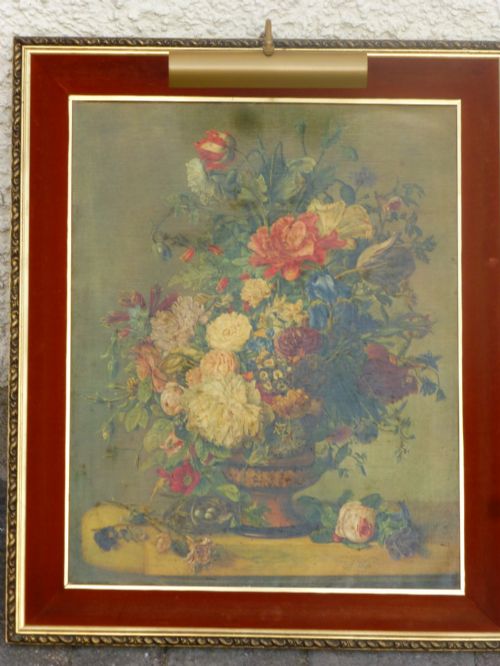
When searching for a vintage floral print, collectors encounter a diverse range of artistic interpretations spanning multiple centuries. The selection encompasses delicate watercolour studies, lithographs and engraved botanical plates framed for display.
Originating from periods such as the eighteenth and nineteenth centuries, these works often depict roses, wild flowers and garden scenes. Pieces range from single manuscript sheets to sets of botanical engravings created for scientific publication.
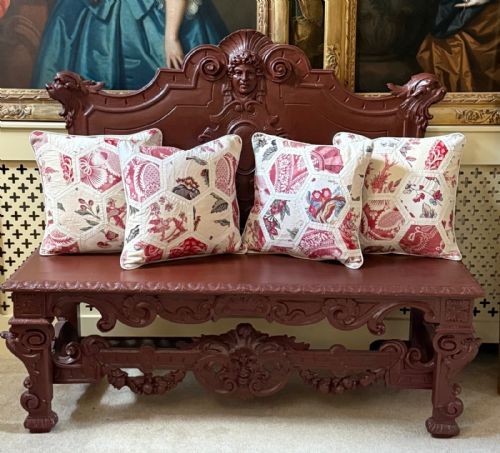
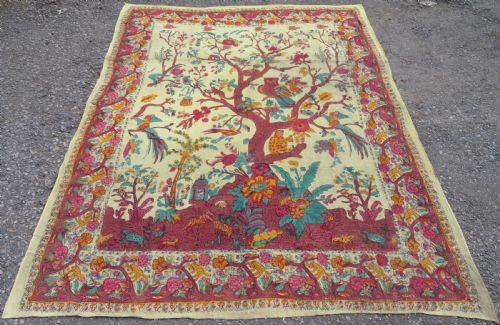
Alongside works on paper, the category extends to printed textiles, cushion covers and wallpaper panels featuring botanical motifs. Buyers frequently find framed artwork originating from English and European schools of botanical illustration.
How They Were Made
Many works utilise paper as a base for watercolour, gouache, pencil and ink, capturing fine botanical details by hand. Engravings and lithographs rely on inked plates or stones, occasionally finished with hand-applied colour.
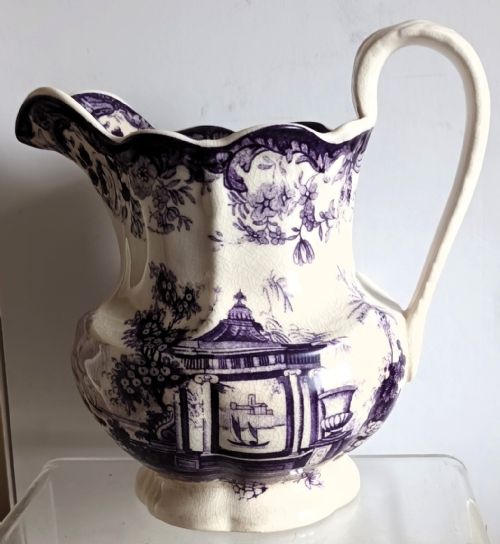
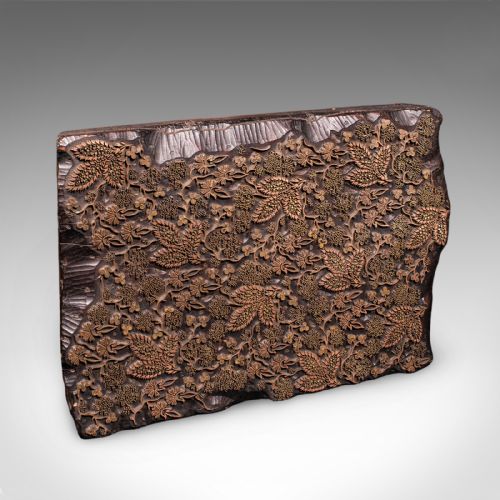
Textiles and wallpapers involve block printing and transfer techniques applied to cotton, linen, canvas and earthenware surfaces. Carved brass stamps and wooden blocks provide the physical impression for patterned fabrics and wall panels.
Several botanical studies include uninvited insects meticulously painted alongside the flowers, keeping the garden alive on paper.
What Varies in Quality
The standard of execution in botanical art depends upon the precision of the draughtsmanship and the subtlety of the pigment application. Hand-coloured engravings show variation in the delicacy of the watercolour wash applied over the printed line.
The integrity of the paper substrate and the clarity of the printed impression dictate the visual strength of works on paper. Preservation against fading and damp ensures that the original tonal range remains intact.
Elisabeth Sonrel·Anton Weiss·Emma Fordyce MacRae·Harold Clayton·Simon Pietersz Verelst·Terence Loudon·Pancrace Bessa·Charlotte Isa James·John Curtis·Margaret Evangeline Wilson·Georg Wolfgang Knorr·Jane Utley
The Vintage Floral Print Glossary
- Lithograph
- A planographic printing method using a stone or metal plate on which the image area is rendered ink-receptive. This technique allows for faithful reproduction of original drawings and paintings.
- Engraving
- A printmaking process where an artist cuts lines into a metal plate to hold ink for transfer under pressure. Botanical publications relied on this method for precise scientific illustration.
- Gouache
- An opaque water-based paint containing pigment mixed with a binding agent and white filler. It provides solid, matte areas of colour in botanical still life compositions.
- Oleograph
- A mechanical colour print textured to imitate an oil painting on canvas. These prints were produced in the nineteenth and twentieth centuries to replicate popular oil works.
- Palampore
- A large, hand-painted or printed cotton bed cover originating from India. These textiles feature elaborate floral and tree of life motifs.
Vintage Floral Print: Frequently Asked Questions
How do I hang antique botanical art?
Botanical prints and watercolours look striking when grouped together in symmetrical arrangements on a wall. Match similar frame styles to create a cohesive display in a hallway or study.
Keep works away from direct sunlight to prevent the watercolours and tinted papers from fading over time. Professional framing with conservation glass protects the delicate paper from environmental damage.
What is the difference between an engraving and a lithograph?
An engraving is produced by carving lines into a hard plate, resulting in crisp, defined outlines that often show a platemark in the paper margin. Lithography relies on a chemical greasy drawing on stone or metal, capturing softer tonal gradations.
Examining the surface with a magnifying glass reveals the sharp incisions of an engraved plate compared to the flatter dot patterns or flat ink layers of lithographic prints.
Can I use antique floral textiles in modern interiors?
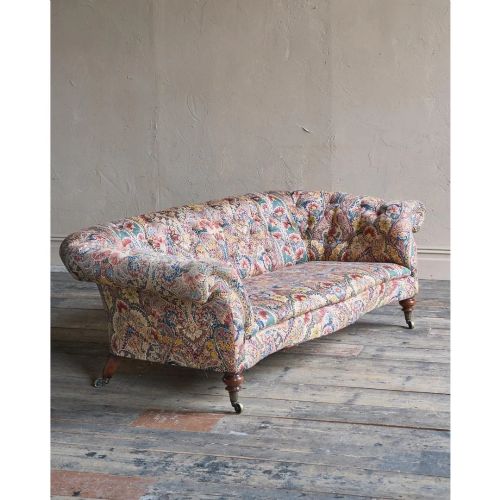
Antique cushion covers, fabric panels and linen pieces introduce texture and historic pattern into contemporary living spaces. Pair them with neutral upholstery to let the botanical motifs stand out.
Protect delicate historical fabrics from heavy wear by placing them on decorative cushions or wall panels rather than everyday seating.
How are different centuries of floral art identified?
Eighteenth and nineteenth-century pieces often feature hand-applied watercolour over copperplate engravings, accompanied by handwritten botanical nomenclature. Twentieth-century works frequently utilise modern lithographic printing or mixed media on canvas.
Paper quality, watermark evidence and framing techniques also offer reliable clues regarding the exact period of execution.