






Vintage Floral Porcelain
Vintage floral porcelain brings painted botanical detail to domestic display, offering objects defined by ceramic form and applied floral decoration.
Vintage Floral Porcelain
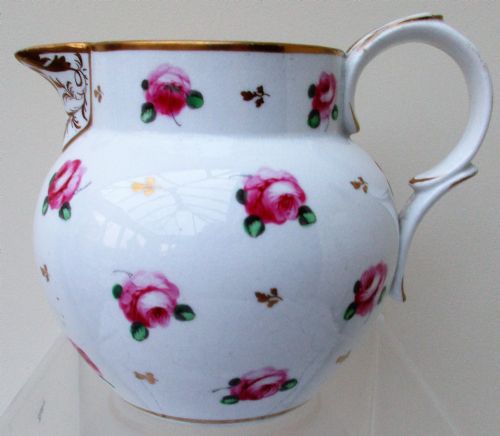
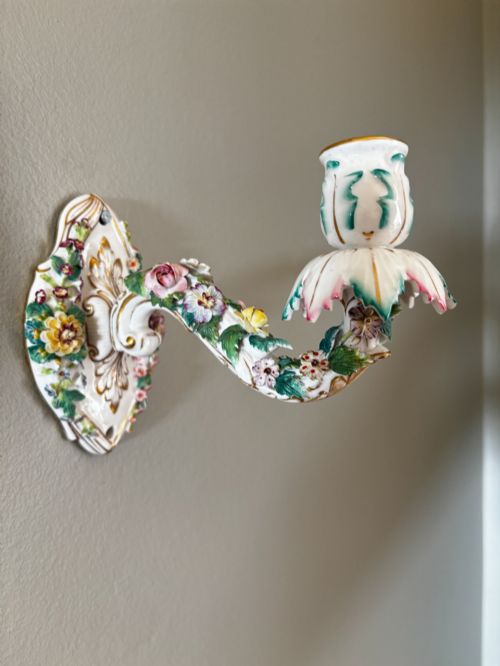
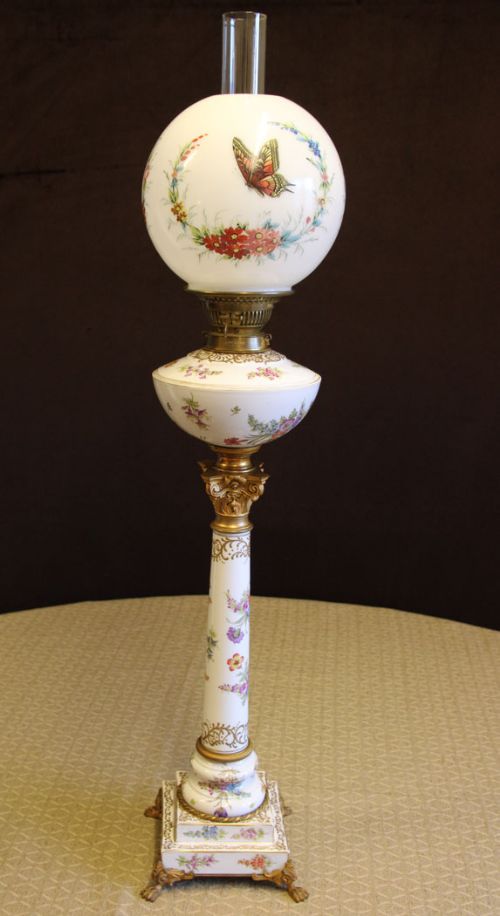
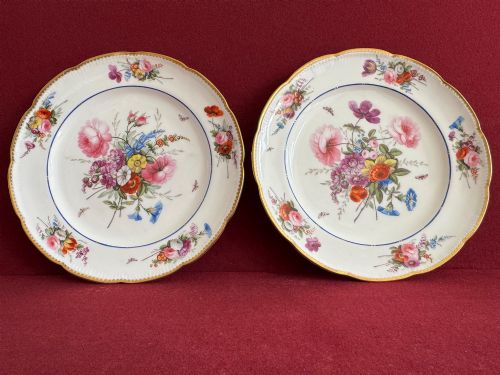
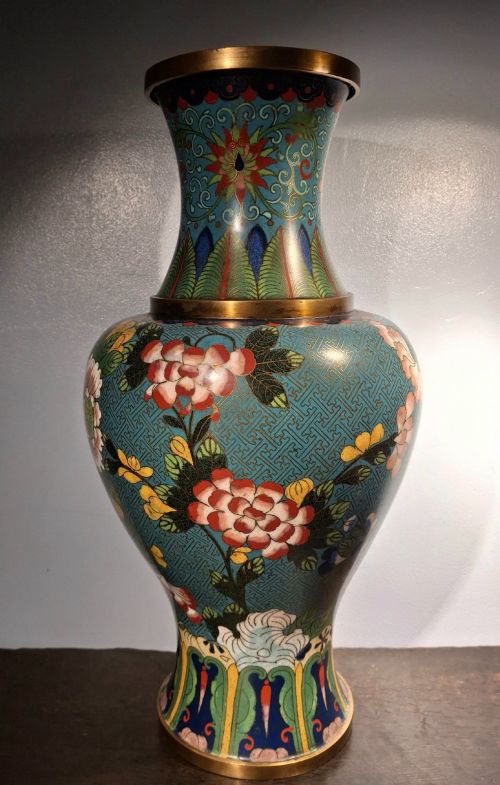
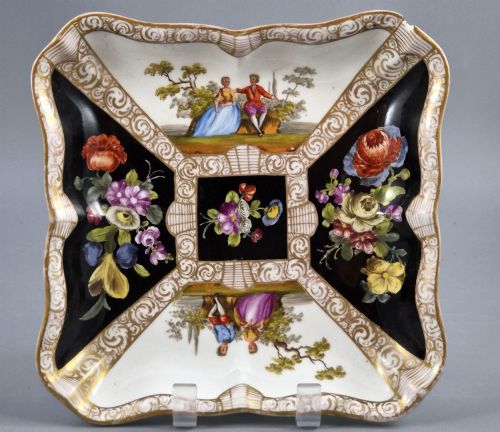
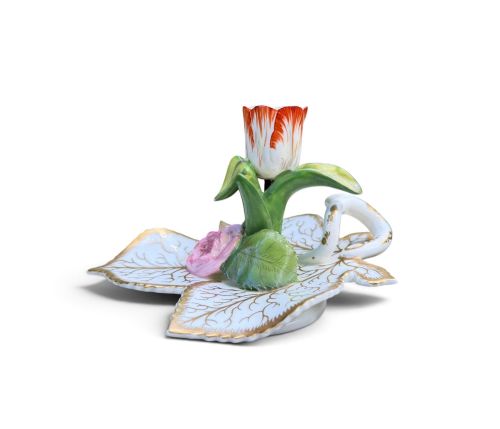
When someone searches for vintage floral porcelain, they encounter a range of ceramic items featuring painted floral motifs, botanical subjects, and garden scenes. These pieces span centuries of production, drawing on styles from Georgian tea wares to Victorian cabinet plates and early twentieth century lamps.
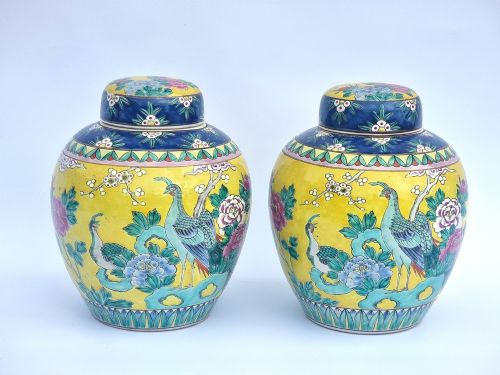
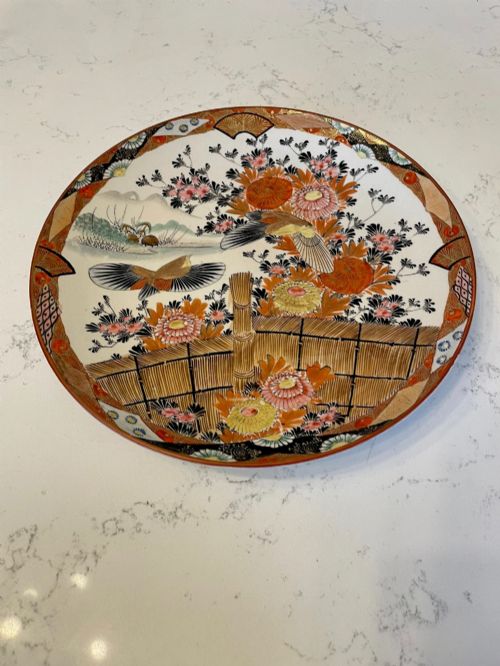
The objects take many forms across these listings, from decorative bowls and dishes to table lamps, vases, and complete dinner services. English factories like Royal Doulton, Spode, and Worcester sit alongside continental makers and Japanese Imari imports, all sharing a focus on floral ornamentation.
Buyers most frequently meet nineteenth century and early twentieth century examples, where hand painted flowers and transfer printed botanical designs appear on porcelain, ironstone, and ceramic bodies. Each piece reflects the aesthetic priorities of its period, whether through Rococo Revival curves or clean Edwardian profiles.
How vintage floral porcelain was made
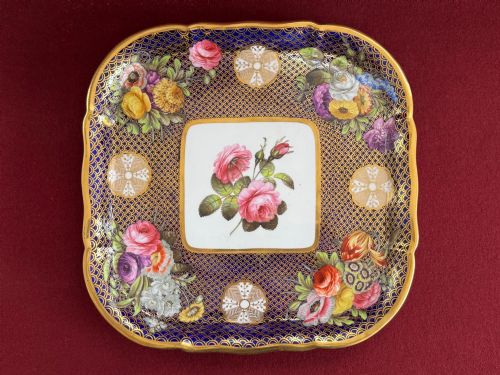
Production relies on fired ceramic bodies finished with glaze, enamel, and occasionally gold leaf or gilding to highlight painted floral motifs. Artisans applied pigments directly to the porcelain surface, sometimes using transfer printing for complex outlines before adding hand painted colour.
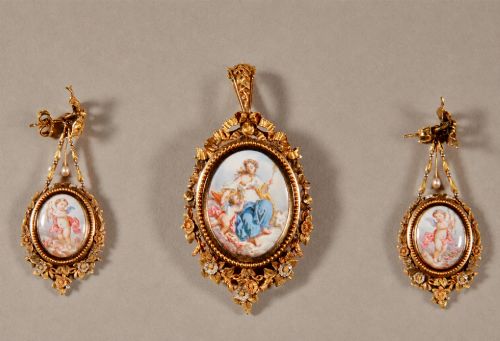
Firing techniques varied according to the factory and period, producing hard paste and soft paste porcelain alongside ironstone and stoneware. Gilding was often applied as a final metallic accent and fixed with a low temperature kiln firing to secure the gold leaf to the glazed surface.
Vintage Floral Porcelain Retail Price Guide 2026
Typical asking prices for vintage floral porcelain among the pieces listed under this phrase on Sellingantiques today, from the lower quarter to the upper quarter. They describe what is for sale here now, not the wider market.
Listings feature porcelain, enamel, gold leaf, and ceramic across Georgian, Victorian, and Edwardian periods.
What varies in quality
Quality rests in the execution of the painting and the crispness of the porcelain body, distinguishing factory work from standard commercial output. Hand painted botanical studies by named artists or skilled factory hands show brushwork depth and botanical accuracy that mechanical transfer methods lack.
The preservation of the enamel colours and the integrity of the gilding also define the grade of a piece. Wear to gold leaf or rubbing on painted floral centres alters the visual impact, while heavy potting or thicker glaze layers suggest utility rather than fine cabinet display.
Royal Doulton·Spode·Meissen·Royal Crown Derby·Minton
The Vintage Floral Porcelain Glossary
- Cabinet plate
- A decorative ceramic plate intended for display on a wall or in a cabinet rather than for table service. These items often feature detailed hand painted scenes or floral studies.
- Gilding
- The application of gold leaf or gold powder to ceramic surfaces for decoration. It frames painted floral panels or edges rims and handles.
- Enamel
- Opaque glass applied to porcelain as a coloured decoration before firing. Enamel paints provide the vibrant reds, blues, and yellows seen in floral motifs.
- Imari
- A style of Japanese export porcelain featuring underglaze blue and iron red, frequently accented with gold. Designs often incorporate floral and garden panels.
- Soft paste
- An early ceramic composition fired at lower temperatures than true hard paste porcelain. It possesses a warm creamy tone beneath the glaze.
Vintage Floral Porcelain: Frequently Asked Questions
How do I identify vintage floral porcelain periods?
Dating relies on factory marks stamped or painted on the underside of the ceramic base, combined with the style of the floral painting. Examining the glaze texture and the shape of the object helps place it within nineteenth or early twentieth century production.
Changes in ceramic bodies and decorating techniques also indicate age. Earlier pieces often show softer paste compositions and hand brushed botanical details, while later items may use transfer printing alongside enamel colours.
Were these porcelain items meant for daily use?
Many items, such as tea cups, plates, and jugs, were produced for dining and domestic service. Over time, surviving examples often transitioned into decorative display pieces due to their age and delicate painted surfaces.
Larger forms like garden seats, jardiniers, and table lamps served functional roles in period interiors. Their sturdy construction allowed them to handle plants or provide lighting while displaying floral designs.
How should I clean vintage floral porcelain?
Maintenance requires gentle washing with warm water and mild soap, avoiding harsh scrubbing brushes that might damage the enamel or gilding. Hand washing preserves the delicate painted floral details better than mechanical dishwashers.
Care must be taken around worn areas of gold leaf or old repairs. Drying with a soft cloth prevents water spots and keeps the glazed ceramic surface bright.
What defines Japanese Imari floral patterns?
Japanese Imari porcelain combines underglaze cobalt blue with iron red and gold overglaze decorations. The resulting palette creates bold contrast across panels filled with flowers and foliage.
This aesthetic influenced European porcelain manufacturers during the eighteenth and nineteenth centuries. The style remains distinct through its dense geometric and floral partitioning of the ceramic surface.