


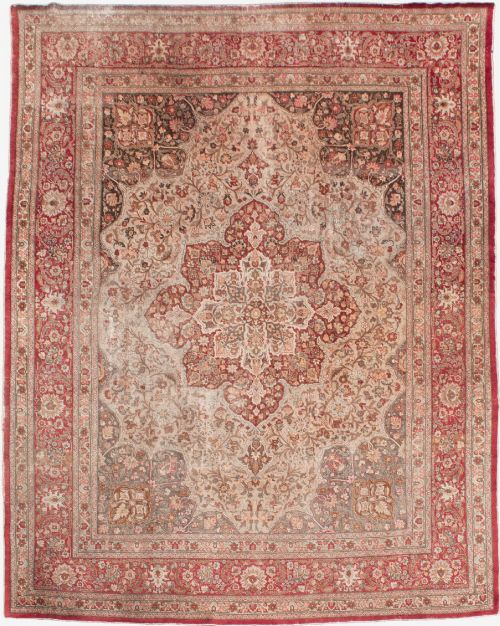
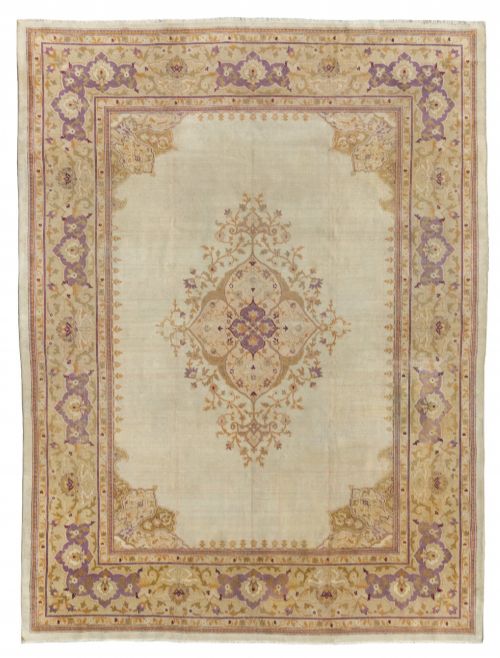
Vintage Floral Medallion Rug
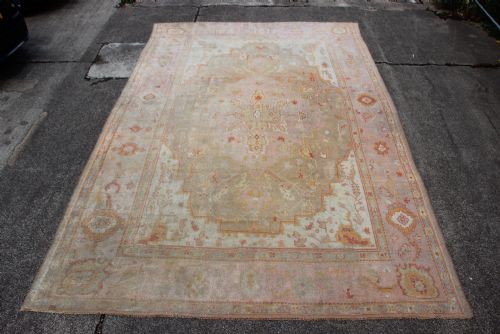
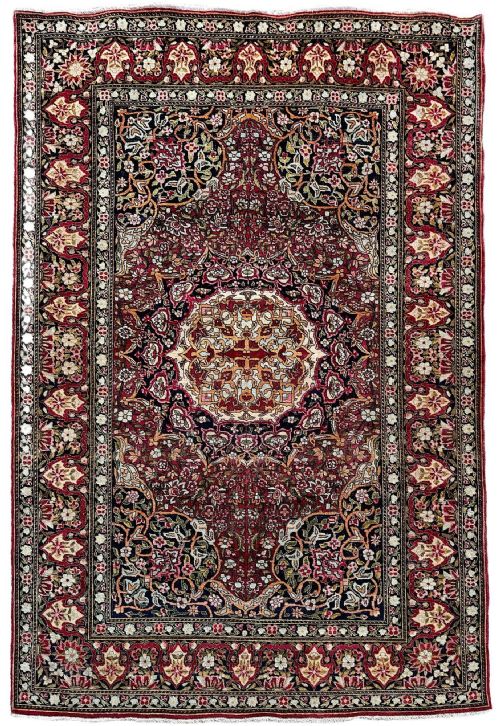
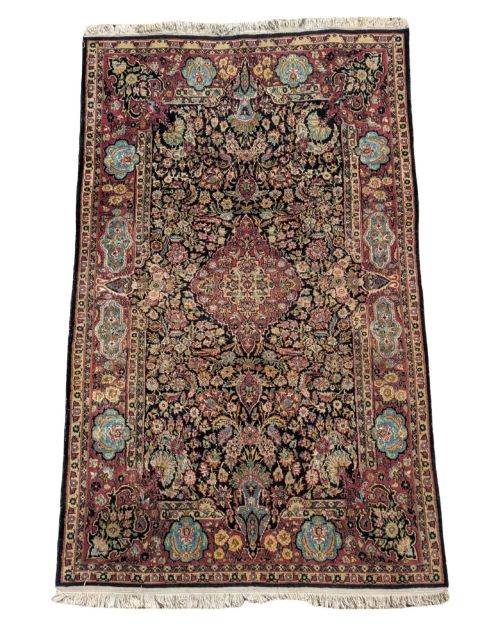
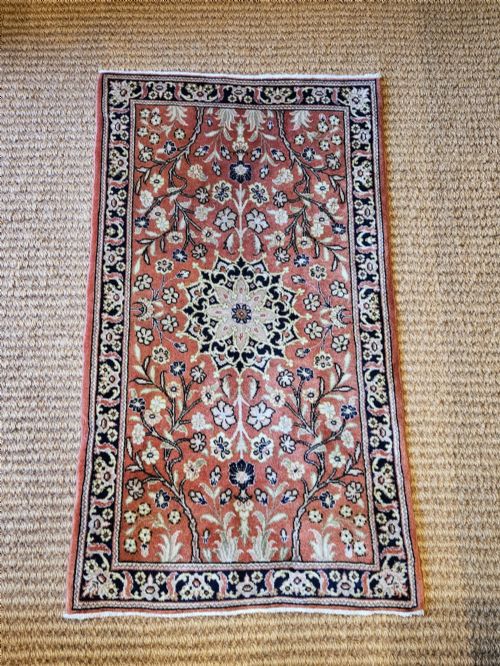
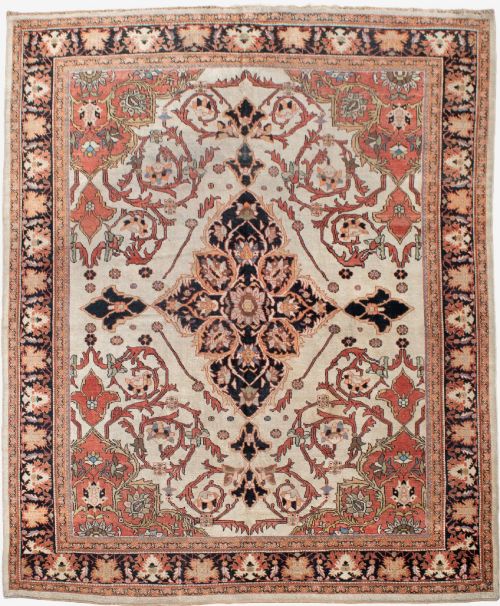
A vintage floral medallion rug brings centuries of woven history to a floor, anchoring a room with a central geometric or botanical motif.
Vintage Floral Medallion Rug
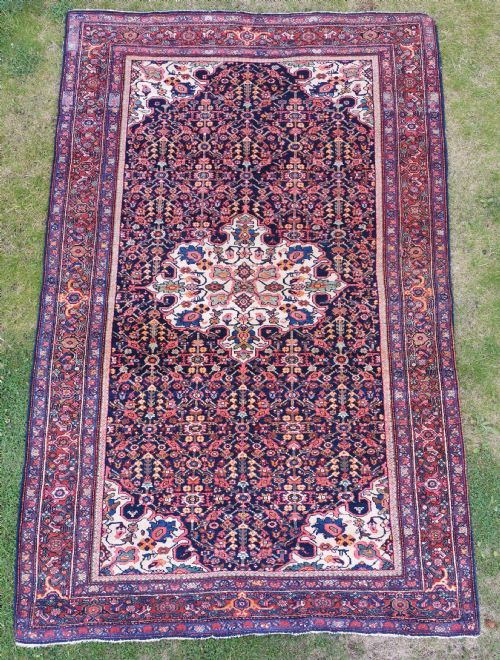
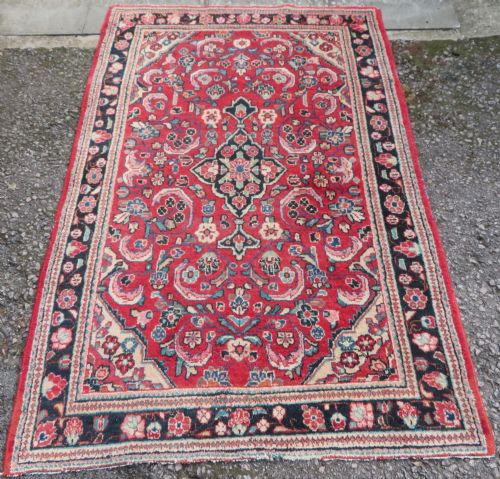
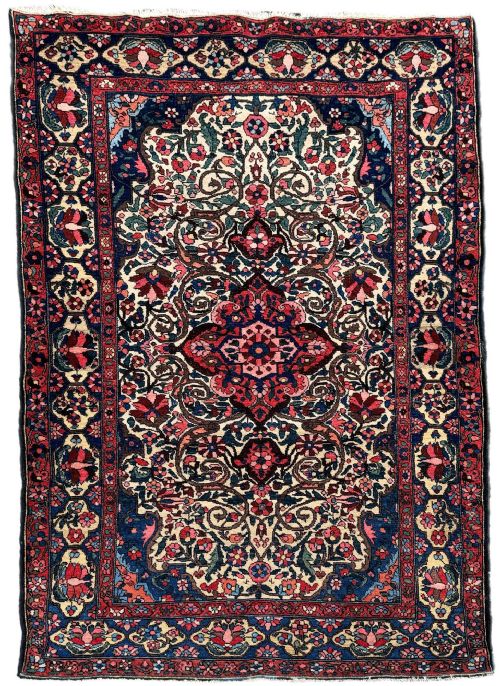
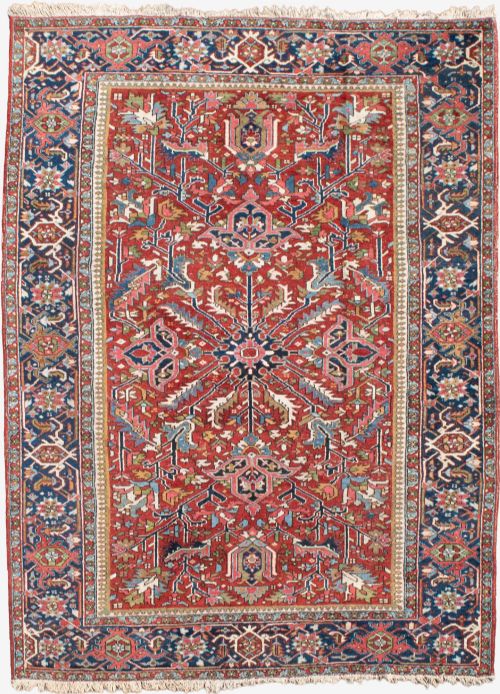
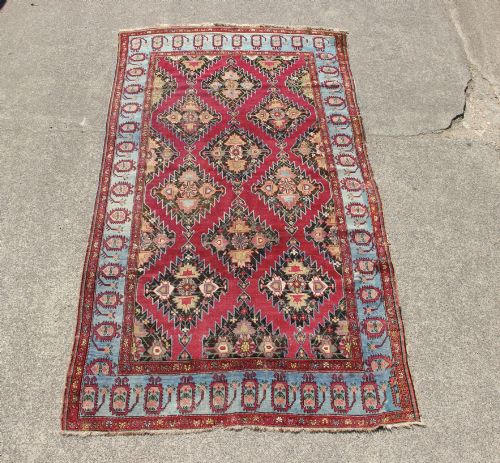
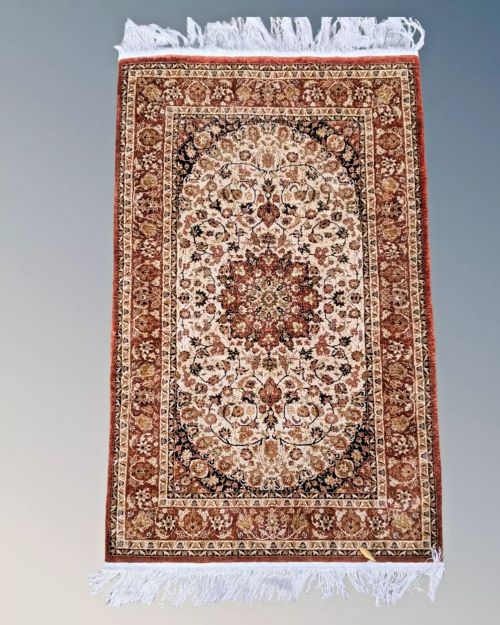
A vintage floral medallion rug draws the eye to a distinct central ornament, surrounded by intricate field patterns and decorative borders. When searching for a vintage floral medallion rug, buyers encounter room-sized carpets and smaller hearth rugs spanning the nineteenth and early twentieth centuries.
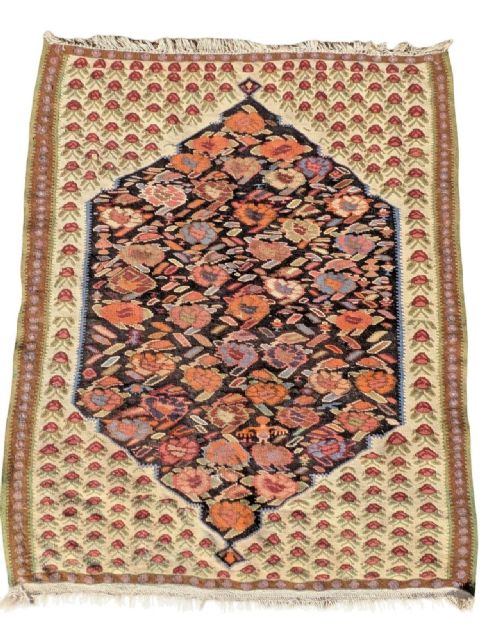
The selection on this page includes traditional Persian styles such as Bakhtiar, Tabriz, Heriz, Mahal, and Saroukh, alongside pieces originating from India, China, and the Caucasus. Formats range from large country house carpets down to runners, kilims, and pictorial weaves.
Originating predominantly from workshop traditions and village looms, these floor coverings demonstrate regional geometry and botanical motifs passed down through generations of weavers. Each piece reflects the specific palette and knotting density of its geographic source.
How They Were Made
Makers utilised natural materials including durable wool, lustrous cotton foundations, and fine silk highlights to construct these textiles. Weavers knotted or flat-wove these yarns by hand on vertical or horizontal looms, building dense piles designed to endure decades of domestic use.
Dyers sourced vegetable and mineral colorants to achieve rich indigo blues, madder reds, and soft pastel shades that mellow gracefully with age. Skilled hands trimmed the pile and finished the edges with sturdy selvedges to prevent fraying.
Periods represented span the nineteenth century through the 1940s.
What Varies in Quality
Knot density and structural integrity dictate the precision of the central medallion and the crispness of the surrounding floral details. Finer piles maintain a tight, even surface where intricate curvilinear or geometric lines remain sharply defined across the field.
The choice of raw materials influences the handle and longevity of the textile, with high-grade wool and pure silk providing superior lustre and resilience. Natural dye variation across the abrash adds depth to the surface, distinguishing artisan execution from uniform output.
Benlian
The Vintage Floral Medallion Rug Glossary
- Medallion
- The central ornamental motif dominating the field of the rug, often circular, oval, or radiating with floral elements.
- Abrash
- Subtle tonal variations within a single colour field, caused by distinct dye batches or changes in wool lots during weaving.
- Kilim
- A flat-woven carpet or rug produced without a pile, traditionally employing slit-tapestry techniques.
- Selvedge
- The reinforced side edges of a rug, finished with binding threads to protect the foundation structure from unraveling.
- Field
- The main central background area of the rug enclosed by the surrounding borders.
Vintage Floral Medallion Rug: Frequently Asked Questions
How do I clean a wool rug?
Regular gentle vacuuming without a beater bar removes loose dirt from the pile. Professional cleaning remains necessary for deep washing to preserve the natural lanolin in the wool.
Avoid harsh chemical detergents and excessive moisture, which can damage the cotton foundation threads or cause dye bleed.
Where should I place a large carpet?
Room-sized carpets anchor seating arrangements in living spaces or sit beneath dining tables to define the entertaining zone. Ensure front furniture legs rest on the textile to unify the room.
Runners and smaller formats suit hallways, bedrooms, and quiet reading corners where floor space requires a focal point.
How do I date a woven textile?
Examination of the colour palette, wool quality, and structural characteristics points toward specific decades of production. Natural dyes and hand-spun yarns typically indicate earlier manufacturing periods.
Stylistic shifts in the central medallion and border motifs also help place the piece within the nineteenth or early twentieth century.
What is a kilim weave?
A kilim is constructed through interweaving warp and weft threads flat without creating a raised pile. This technique produces a lightweight, reversible textile with sharp geometric patterns.
These flat-weaves function well as decorative floor coverings or wall hangings.