
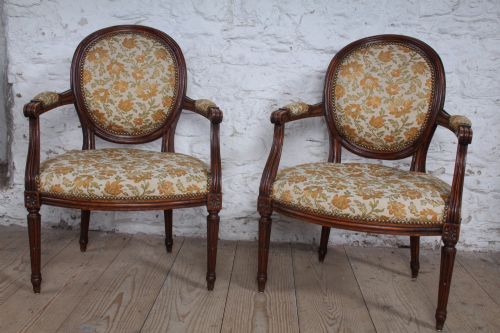

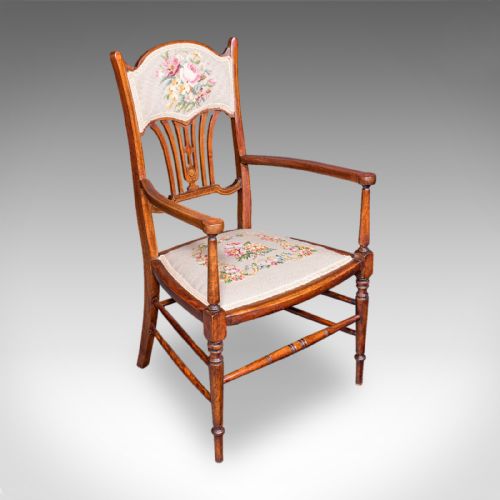
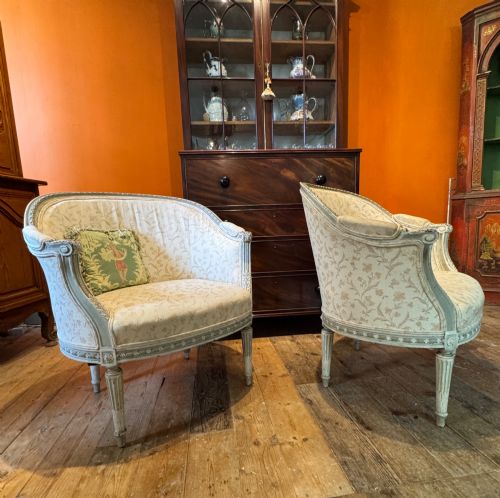
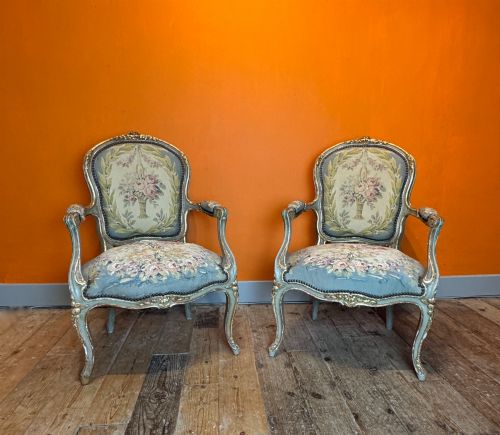
Vintage Floral Armchair
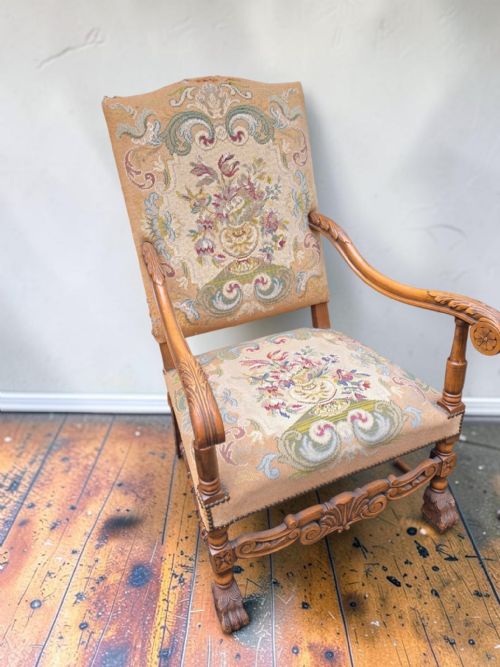
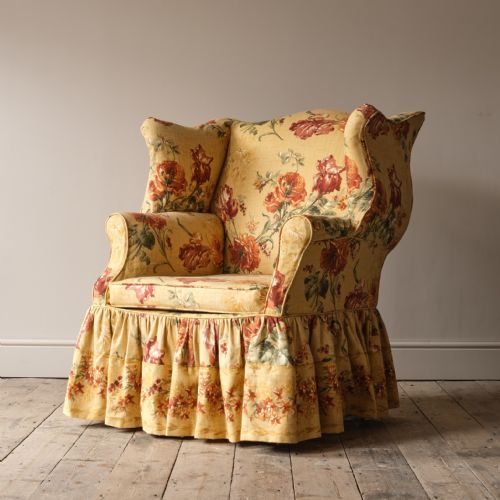
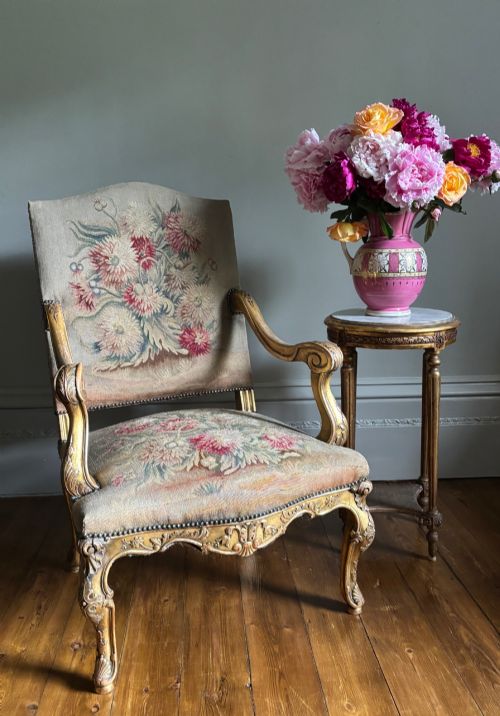
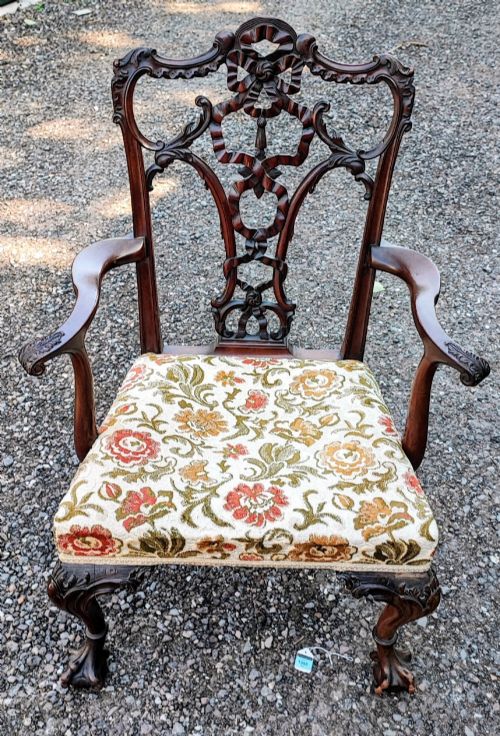
A vintage floral armchair brings pattern, character and deep comfort into a room through textiles and traditional frames.
Vintage Floral Armchair
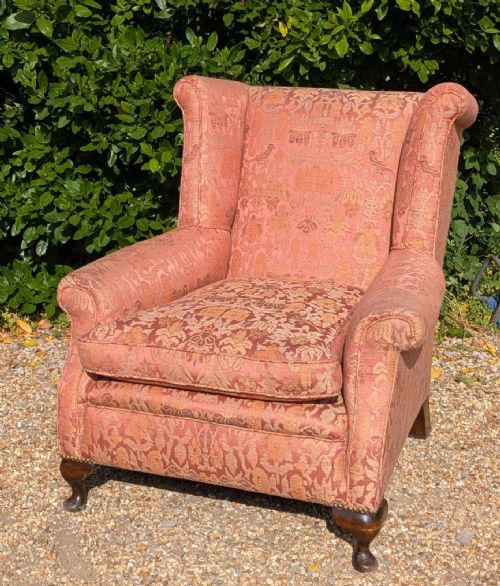
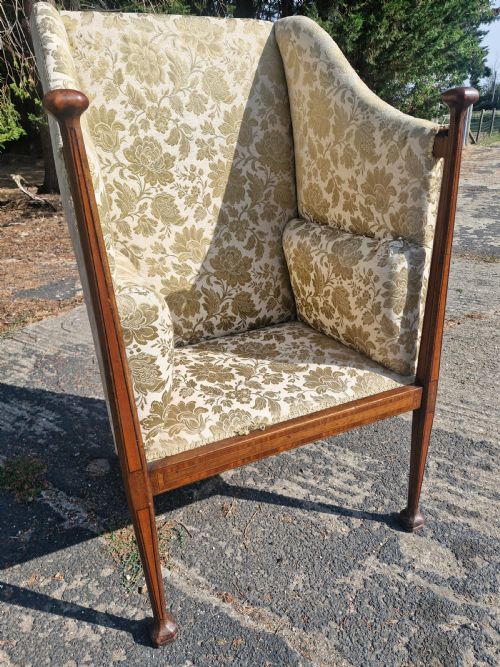
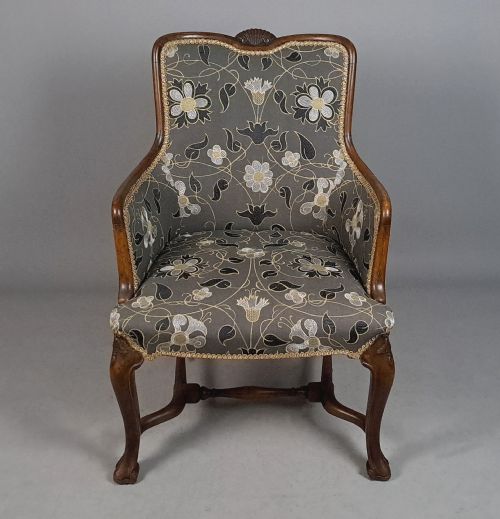
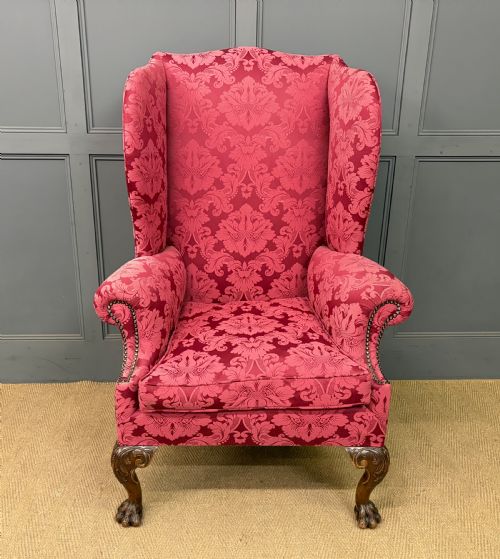
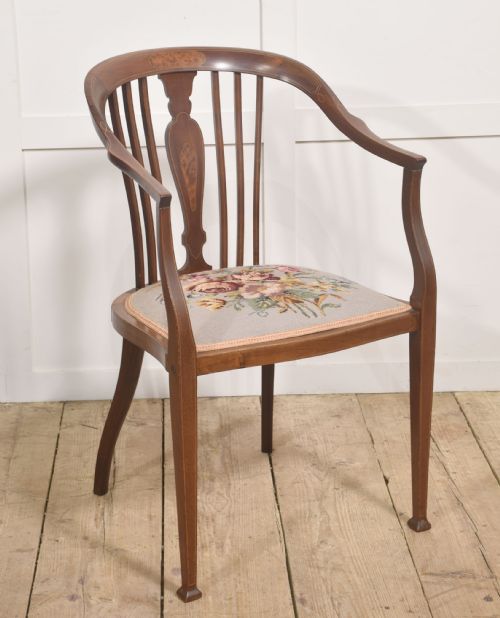
When searching for a vintage floral armchair, buyers encounter a wide selection spanning the Victorian era, the Edwardian period, and the early twentieth century. These pieces encompass various forms including wingbacks, bergères, and occasional chairs upholstered in patterned textiles, tapestry, and chintz.
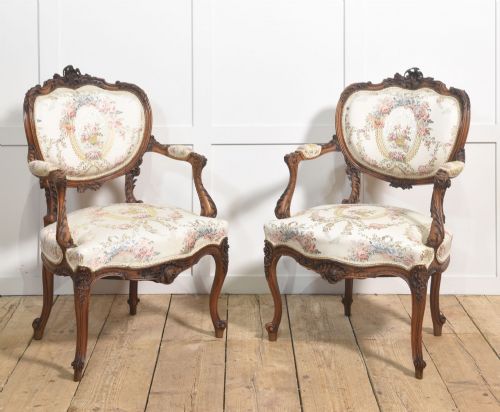
The materials recorded across these seating options combine hardwood frames of mahogany, walnut, oak, and beech with traditional upholstery fabrics such as velvet, needlepoint, and printed linen. Many examples reflect historical revivals, drawing on Queen Anne, Carolean, and Rococo styles alongside the flowing lines of Art Nouveau.
Most entries originate from English country house traditions or continental workshops, offering diverse scales from deep-seated lounge chairs to compact occasional seating. The selection balances decorative painted finishes and parcel gilt woodwork with sturdy natural timber frames.
Markers of distinction
Quality reveals itself in the integrity of the timber frame, the crispness of any carved ornament or inlay, and the harmony between the woodwork and the chosen textile. Pieces retaining original paintwork or period-appropriate upholstery demonstrate superior preservation.
Subtleties in proportion and the weight of the timber separate standard production seating from finer workshop output. The depth of the carving and the complexity of the textile panels distinguish standard domestic chairs from grander drawing-room seating.
A vintage wicker porters chair upholstered in Mulberry Rococo linen offers a dramatic enclosed retreat from the modern world.
Whytock and Reid·Howard and Sons
The Vintage Floral Armchair Glossary
- Bergère
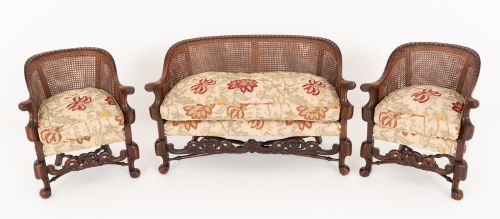
- An enclosed upholstered armchair with wooden frames, often featuring cane panels to the sides and back. These French-derived seats frequently appear in walnut or painted finishes.
- Wingback
- An armchair featuring protective side panels designed to shield the sitter from draughts. This form spans several centuries and appears frequently in deep-seated country house variations.
- Parcel Gilt
- A decoration technique where portions of a wooden frame are selectively covered in thin gold leaf. This finish highlights specific carved details against a painted or polished timber ground.
- Needlepoint
- A type of canvas work embroidery utilised for upholstery panels on nineteenth-century chairs. These stitched textiles often display floral motifs worked in wool and silk.
- Chintz
- A glazed or unglazed printed cotton fabric featuring vibrant floral patterns. This textile is frequently associated with traditional English country house interiors.
Vintage Floral Armchair: Frequently Asked Questions
How do I date a floral armchair?
Dating relies on identifying stylistic markers such as cabriole legs, carved splats, or upholstered wings characteristic of specific eras like the Victorian period or the Edwardian decade. Construction methods and timber choices further clarify the production period.
Secondary details, including the style of the textile and the type of stuffing used beneath the fabric, provide additional context for the age of the piece.
Where were these armchairs placed originally?
These chairs served multiple domestic functions, from fireside seating in morning rooms and libraries to decorative accents in boudoirs and drawing rooms. Larger wingbacks were positioned to retain heat in draughty country houses.
Smaller occasional and slipper chairs suited bedrooms and dressing rooms, offering movable seating that matched the room's prevailing textile scheme.
Are original upholstery fabrics common?
Surviving textiles range from original needlepoint panels and tapestry covers to later replacement chintz and velvet. The condition of the fabric varies according to past usage and environmental exposure.
Many pieces retain period fabric schemes, while others showcase historical reupholstery that reflects changing interior tastes through the decades.
What timber frames are typically found?
Frames are constructed predominantly from hardwoods such as mahogany, walnut, oak, and beech. These timbers were chosen for their strength and suitability for turning and carving.
Inlaid satinwood and painted or gilt finishes appear on specific decorative styles, particularly those influenced by French designs.