

High Back Wing Seat
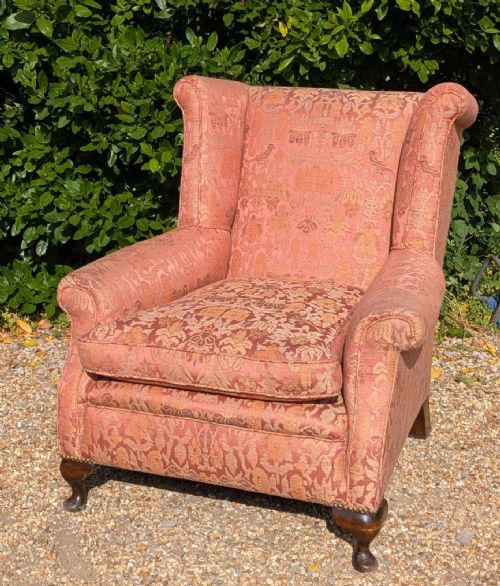
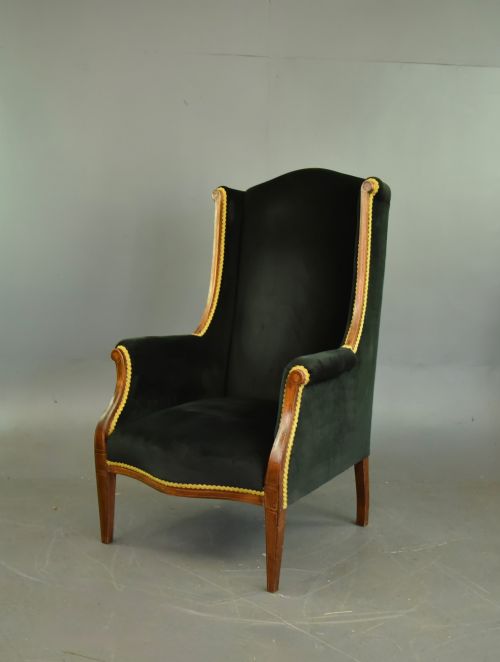
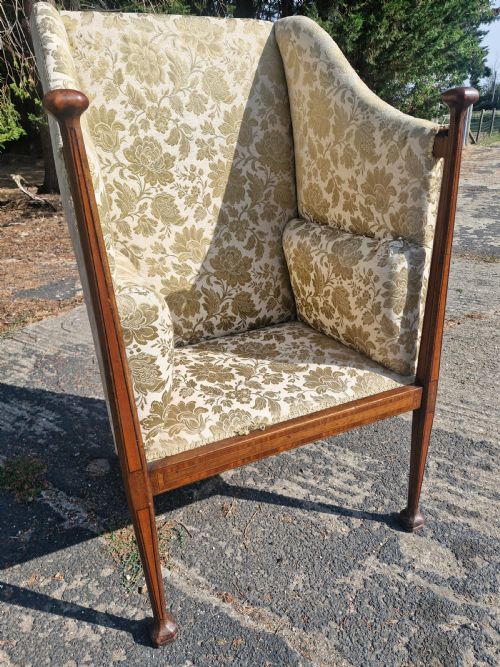
A high back wing seat offers deep comfort and draught-excluding side panels, making it the quintessential fireside armchair for traditional interiors.
How they were made
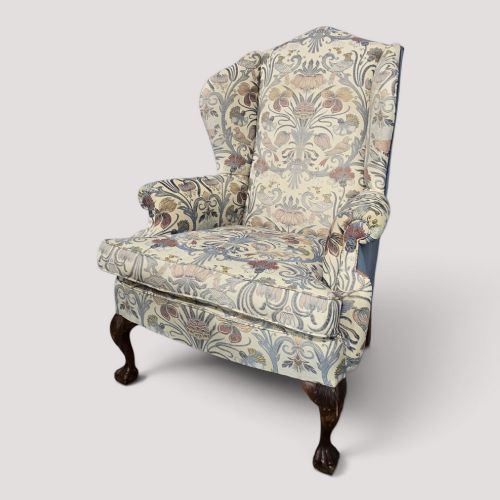
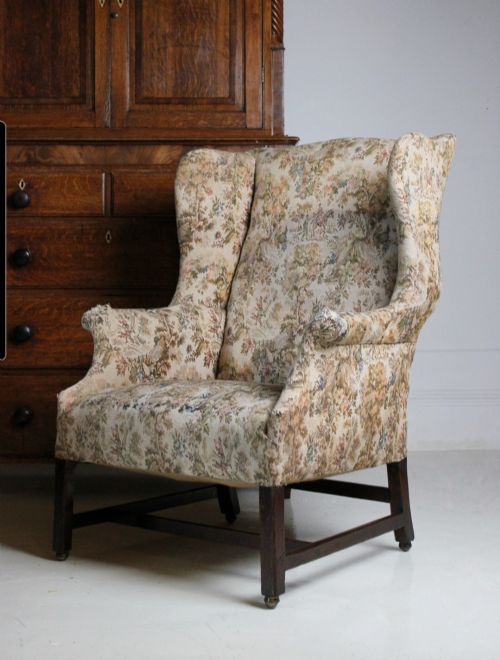
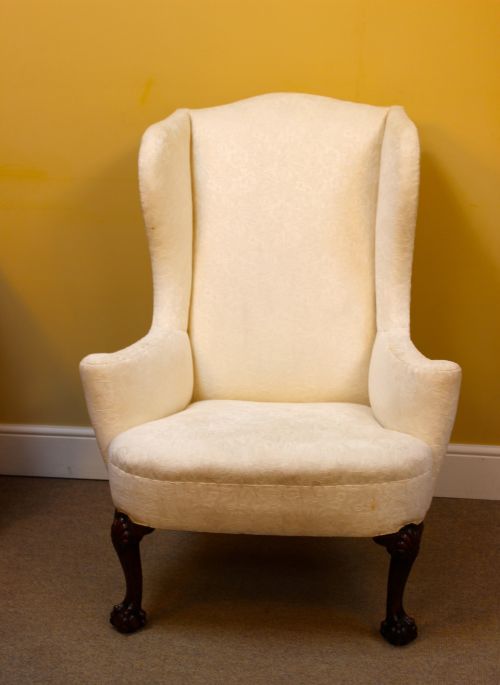
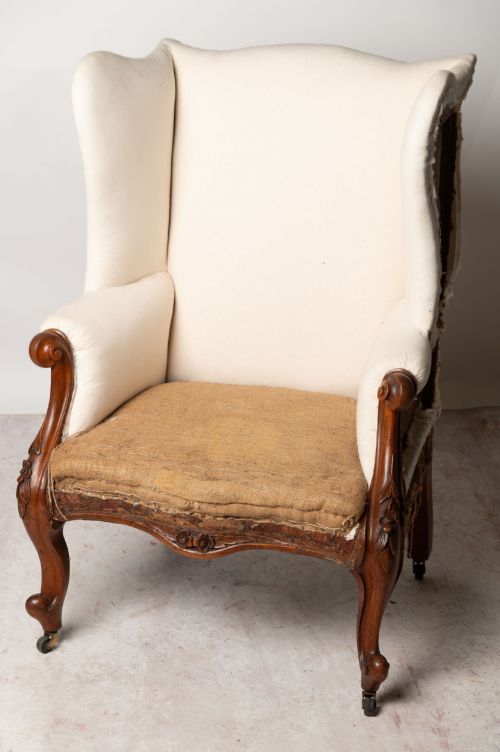
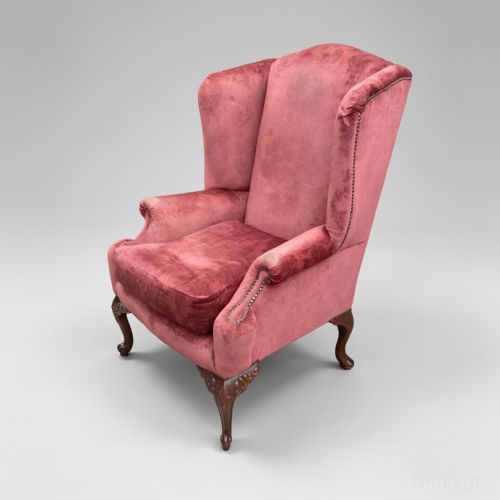
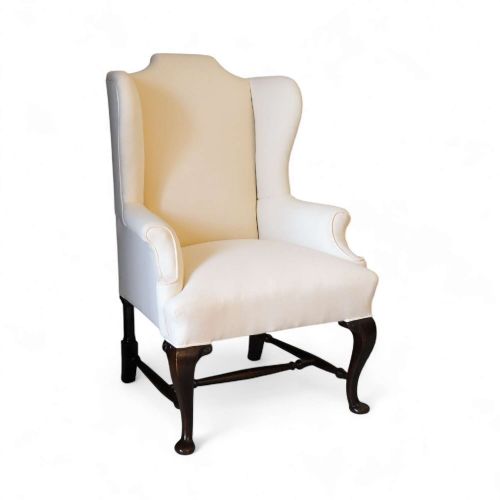
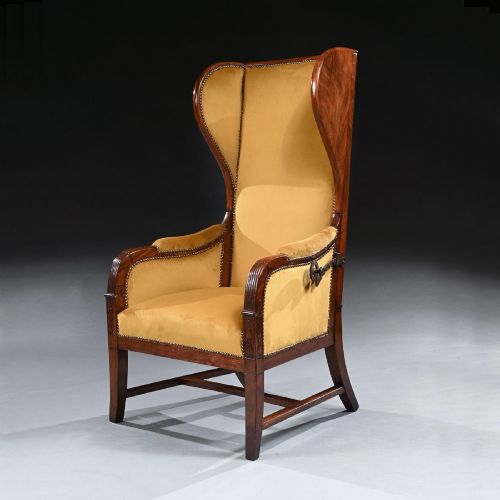
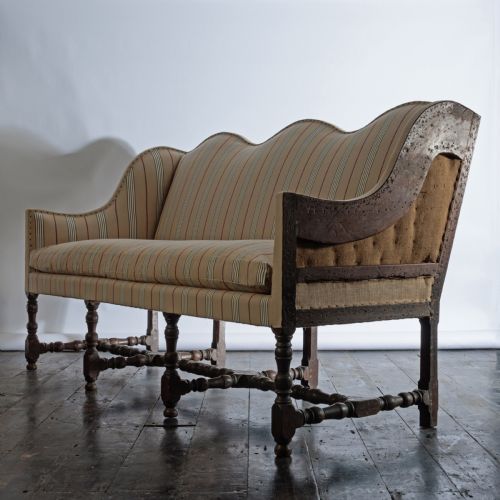
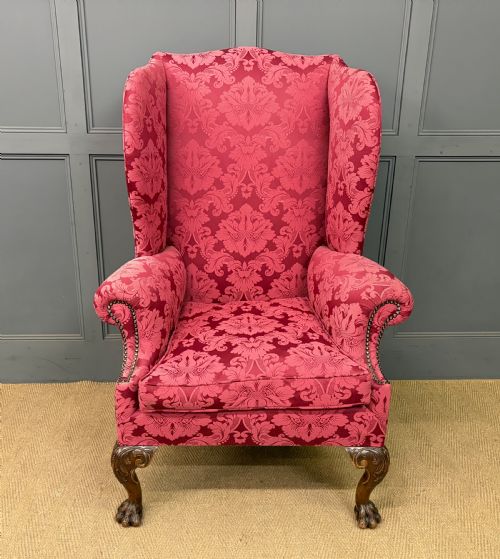
Timbers such as mahogany, walnut and oak form the rigid skeletal frames that support the extensive upholstery layers. Joinery methods rely on traditional pegged mortise and tenon joints in earlier pieces, giving way to sturdy internal bracing in later examples. Exposed wooden elements often feature carved cabriole legs, ball and claw feet or simple turned supports.
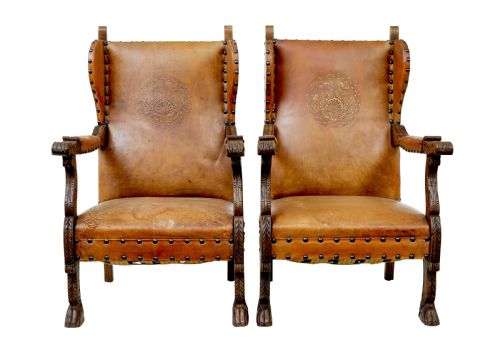
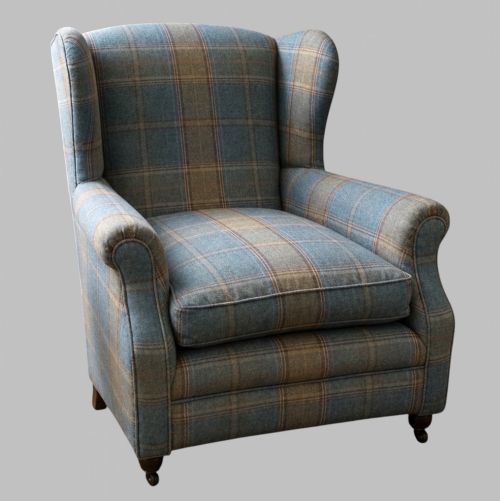
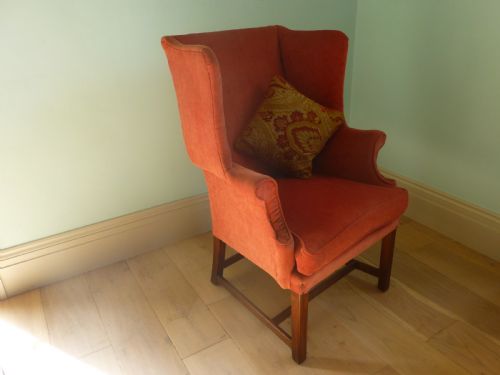
Upholstery techniques dictate the comfort and profile of the seat, utilising materials ranging from traditional horsehair and feathers to modern fillings. Outer coverings encompass embossed leather, wool plaid, rich velvet, chenille twill and heavy linen. Brass castors and decorative nailing frequently finish the lower framework and arm terminals.
What varies in quality
The integrity of the underlying timber frame and the precision of the joinery establish the structural calibre of a high back wing seat. Hand-carved details on legs and stretchers reflect the original maker's skill and the social standing of the initial commission. Substantial proportions and well-balanced wing curves separate ordinary domestic seating from finer library and drawing-room examples.
Upholstery materials and execution heavily influence the overall character and comfort of the piece. Fine fabric choices, whether period-appropriate leather or specialist woven textiles, elevate the visual impact of the chair. The retention of original timber patination without excessive modern intervention preserves historical authenticity.
Listings feature mahogany, walnut and oak frames upholstered in velvet, leather, plaid and linen across various centuries.
Whytock and Reid·Howard and Sons
The High Back Wing Seat Glossary
- Wingback
- An upholstered armchair featuring protective side panels attached to the arms and back. These extensions originally deflected draughts around a fireplace.
- Cabriole leg
- A furniture leg that curves outward in a convex arc at the knee and inward in a concave arc near the foot. This classical form often terminates in a pad or ball and claw foot.
- Settle
- A wooden bench featuring a high solid back and enclosed arms to block cold air. Some examples incorporate box storage beneath the seat.
- Chenille
- A fuzzy woven fabric named after the French word for caterpillar. It provides a soft, tactile surface texture popular in traditional upholstery.
- Brass castor
- A small swivelling wheel attached to the base of furniture legs. They allowed heavy chairs and sofas to be repositioned across carpets easily.
High Back Wing Seat: Frequently Asked Questions
What is a high back wing seat?
A high back wing seat is a traditional upholstered armchair or sofa featuring prominent side panels flanking the upper backrest. These wings were originally engineered to shield the sitter from chilly draughts in grand country houses.
Over the centuries, cabinetmakers and upholsterers refined the silhouette into various regional and revival styles. Today, the form remains prized for its distinct architectural profile and deep seating comfort.
Where should I place a wing chair?
These seats naturally suit living rooms, studies and libraries where traditional focal points like fireplaces or bookshelves exist. Their substantial height allows them to anchor empty corners or sit comfortably opposite a sofa.
Because of their enclosed design, they create an intimate reading nook when paired with a small side table and a dedicated lamp.
How do I date a wingback chair?
Dating relies on examining the timber frame construction, leg style and upholstery webbing beneath the seat. Eighteenth-century models typically feature heavier oak or walnut frames with hand-carved cabriole legs, whereas later Victorian and Edwardian examples often employ mahogany with machine-turned supports.
Upholstery fabric and tacking methods also provide clues, though most antique pieces have undergone re-covering over their lifespan.
Are these chairs comfortable for daily use?
Most antique high back wing seats offer generous proportions designed for relaxation, though comfort levels depend heavily on the internal padding. Many pieces feature feather-filled cushions or supportive sprung bases that suit modern lounging.
Buyers seeking everyday seating often select pieces with deep seats and sturdy lumbar support.