

Vintage Fireplace Wall Mirror
A vintage fireplace wall mirror brings scale and reflected light to a room, anchoring a chimney breast with the presence of the nineteenth and early twentieth centuries.
Vintage Fireplace Wall Mirror
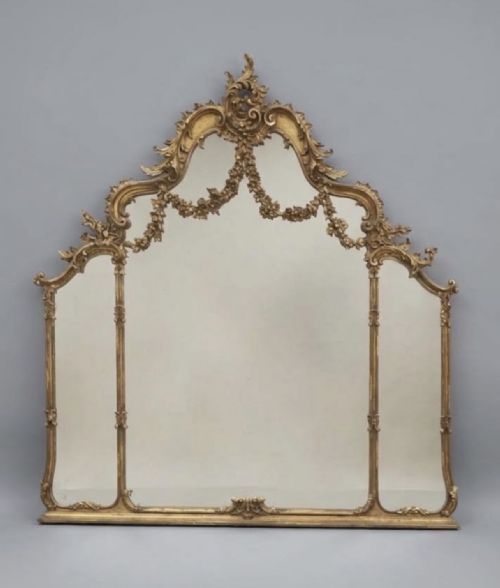
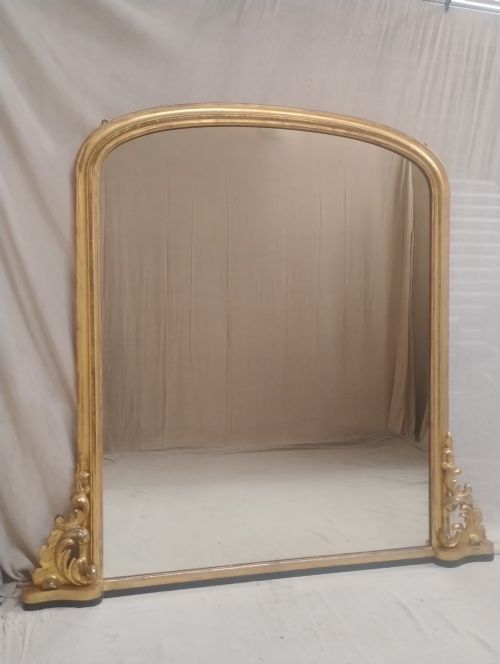
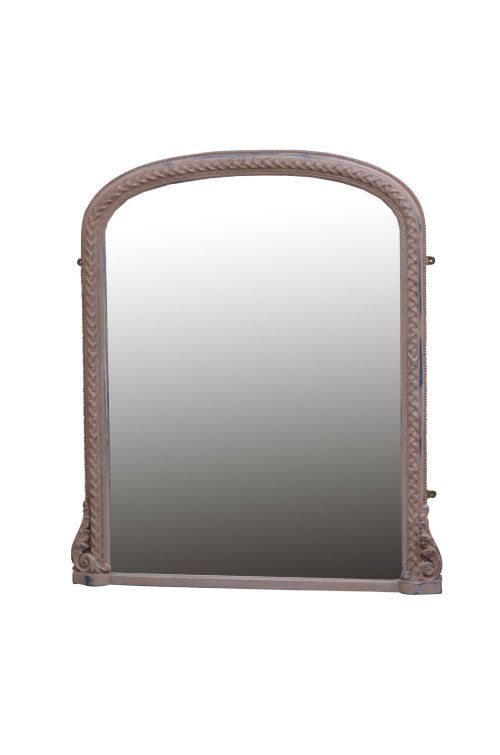
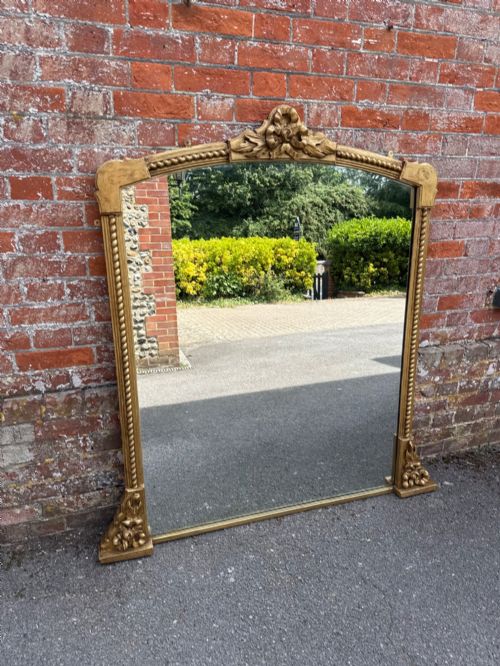
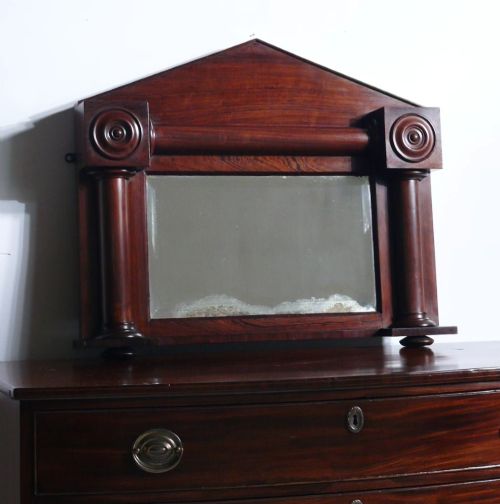
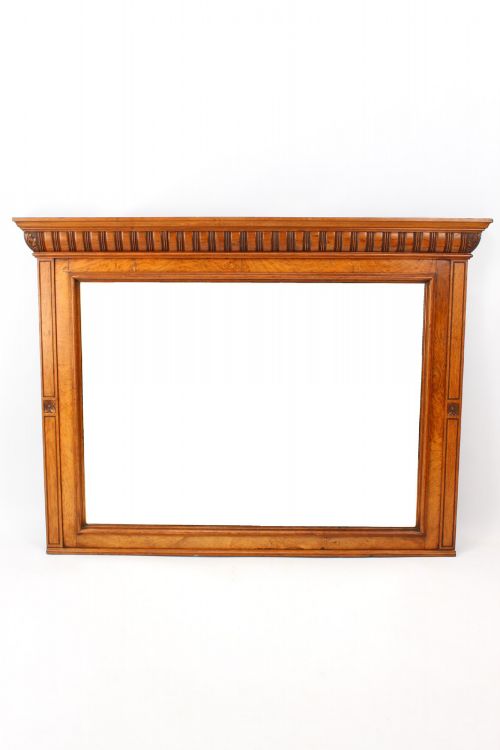
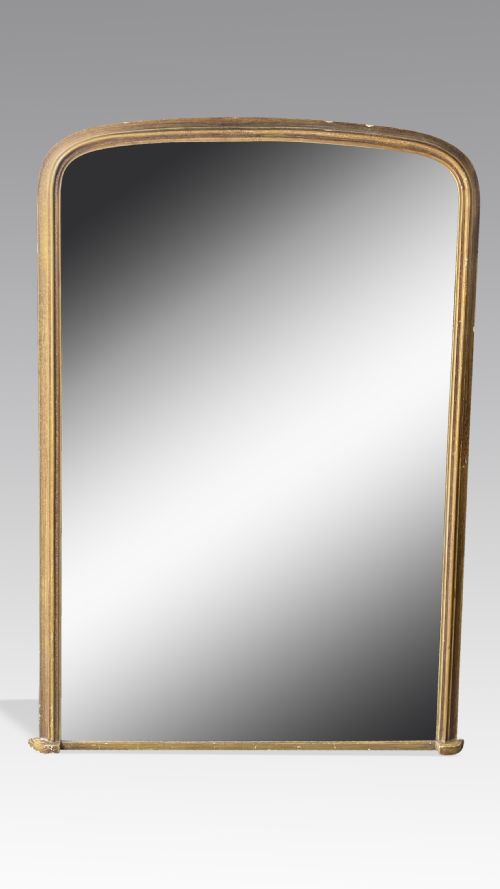
When searching for a vintage fireplace wall mirror, buyers encounter grand architectural glass designed specifically to sit above a mantelpiece. These pieces span the Victorian, Edwardian, and Regency eras, originating from English, French, and Italian workshops.
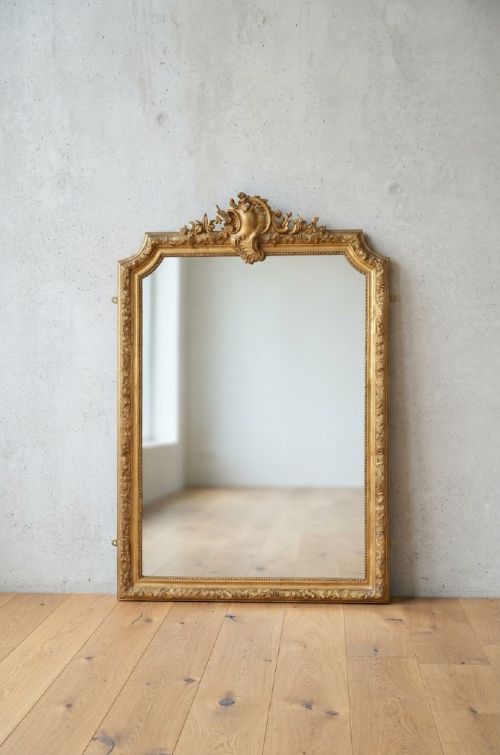
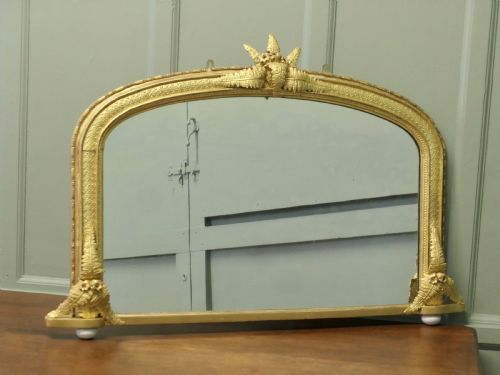
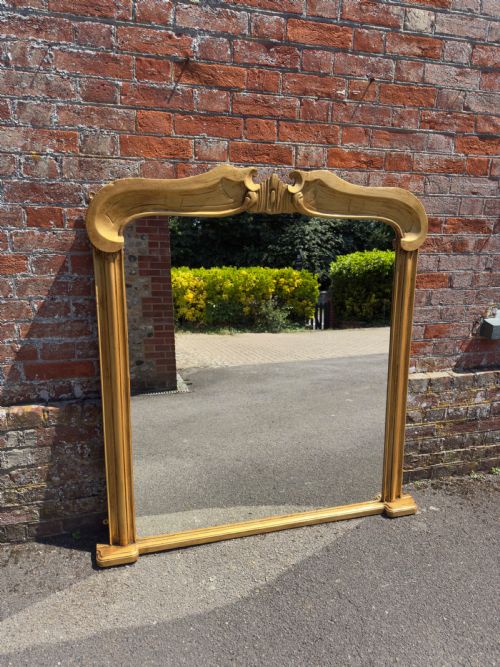
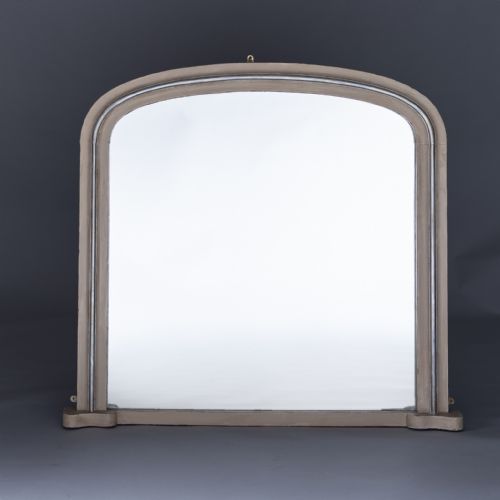
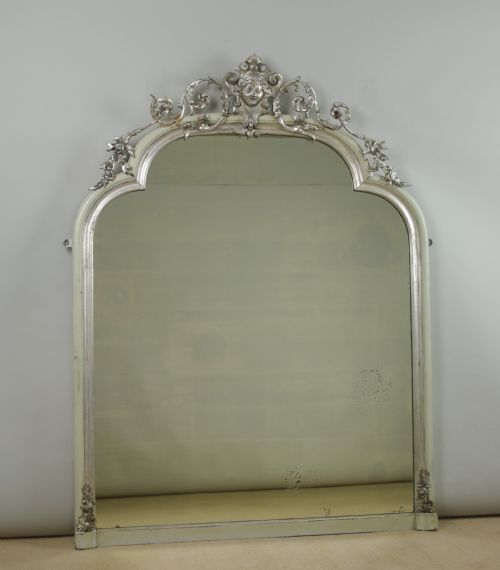
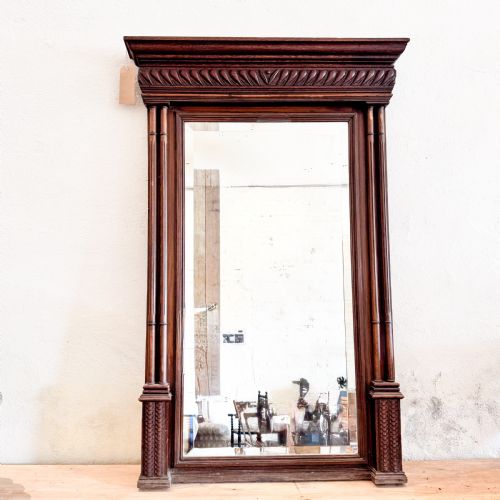
The most common forms on this page are overmantel mirrors featuring arched tops, cartouche shapes, and rectangular frames. They draw upon styles such as Rococo Revival, Louis Philippe, and Art Deco, using substantial proportions to dominate a chimney wall.
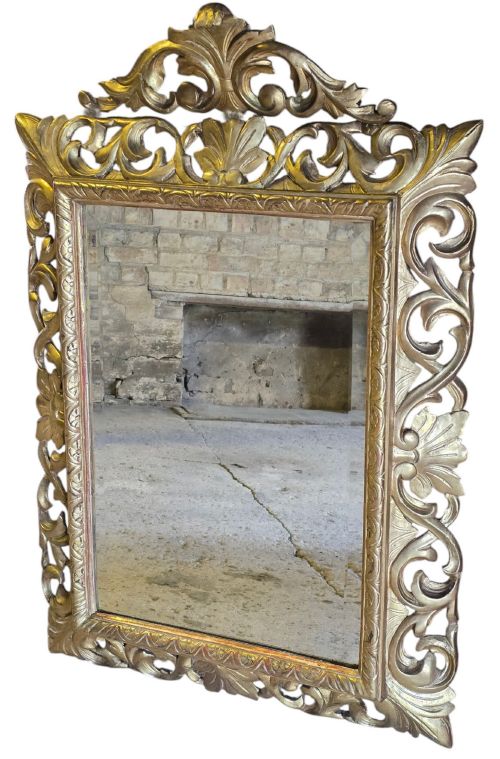
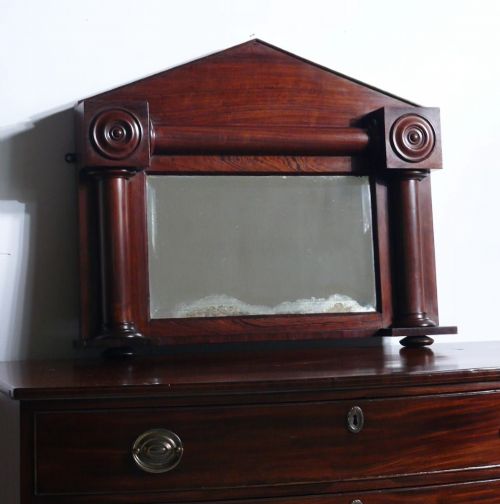
Materials range from traditional giltwood and carved gesso to rosewood, walnut, and painted wood surfaces. Many incorporate shaped crests and layered palettes, reflecting the interior tastes of the nineteenth and early twentieth centuries.
Materials and construction
Carved wood and gesso form the decorative structure of many frames, providing a stable base for subsequent gilding or paint layers. Artisans shaped these wooden substrates to create ornate scrollwork, arched tops, and layered mouldings.
Giltwood, gold leaf, and parcel-silvering supply the reflective metallic finishes seen across the selection, often complemented by hand-applied paint in palettes of lilac, ink blue, or black lacquer.
Mirror glass is fitted into heavy timber and composite frames, occasionally featuring peach-coloured glass or etched details that date the manufacture to the early twentieth century.
Vintage Fireplace Wall Mirror Retail Price Guide 2026
Typical asking prices for vintage fireplace wall mirror among the pieces listed under this phrase on Sellingantiques today, from the lower quarter to the upper quarter. They describe what is for sale here now, not the wider market.
Several mirrors include hidden heart motifs and unexpected lilac paint palettes tucked into Victorian chimney breast frames.
Distinctions in quality
The depth and crispness of the carved wood and gesso ornamentation separate the finest examples from standard production. Superior pieces display deeply undercut foliage and scrollwork that retain clean edges beneath layers of gold leaf or paint.
The integrity of the original mercury or silvered glass plate contributes significantly to the character of the object. Heavier frames with substantial structural joinery and well-preserved original backing boards indicate higher standards of period cabinetmaking.
The Vintage Fireplace Wall Mirror Glossary
- Overmantel mirror
- A large wall glass designed explicitly to hang above a fireplace mantel. These mirrors often feature wide horizontal or vertical proportions to balance the hearth below.
- Gesso
- A plaster-like mixture applied to wood frames and carved before gilding or painting. It allows artisans to achieve sharp relief details.
- Giltwood
- Timber coated with gold leaf or gold paint. It provides a bright, reflective surface that catches natural and candlelight.
- Cartouche form
- An ornamental frame design resembling a rolled-up paper scroll or tablet, often with curved edges. This style appears frequently in French nineteenth-century pieces.
- Parcel-silvered
- A finishing technique where parts of a frame are treated with silver leaf or silver paint to create a contrasting metallic effect against painted wood.
Vintage Fireplace Wall Mirror: Frequently Asked Questions
How do I hang a heavy overmantel mirror?
These large frames require secure fixing directly into masonry or substantial wall studs using heavy-duty brackets. Given their considerable weight, professional installation ensures the mirror rests safely above the fireplace.
Position the bottom edge just above the mantel shelf so the glass reflects the room rather than the ceiling above.
Are these mirrors suitable for modern interiors?
The grand scale and ornate framing of nineteenth and early twentieth-century designs provide a striking contrast against contemporary white walls and minimalist decor. They instantly add depth and historical character to a modern living space.
Resting the frame directly on the mantelpiece without hanging it creates a relaxed, traditional interior look.
How do I clean an antique mirror glass?
Use a soft, dry microfibre cloth to remove dust from the glass and the delicate gesso frame. Avoid spraying liquids directly onto the glass, as moisture can seep behind the plate and damage the silvering.
Apply mild, non-ammonia cleaner to the cloth rather than the mirror if stubborn marks require removal.
What is the difference between Victorian and Edwardian mirrors?
Victorian examples tend to be heavier and more exuberant, featuring deep giltwood carvings, arched tops, and rich Rococo Revival influences. They prioritize grand scale and ornate decorative statements.
Edwardian pieces often introduce lighter woods such as rosewood and walnut, alongside marquetry inlay, black lacquer, and geometric Art Deco colour accents.