
Vintage Fine Jewellery
Vintage fine jewellery gathers rings, pendants, earrings and bracelets spanning Victorian, Edwardian, Art Deco and mid-century periods.

Vintage Fine Jewellery
Vintage fine jewellery comprises precious adornments produced across the Victorian, Edwardian, 1910s, 1920s Art Deco, 1950s and 1960s periods. Buyers seek these items to acquire wearable pieces with documented historical character and distinct period manufacture.
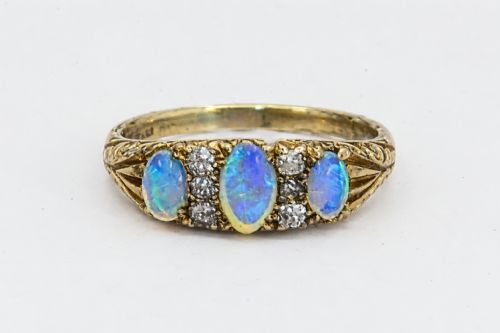
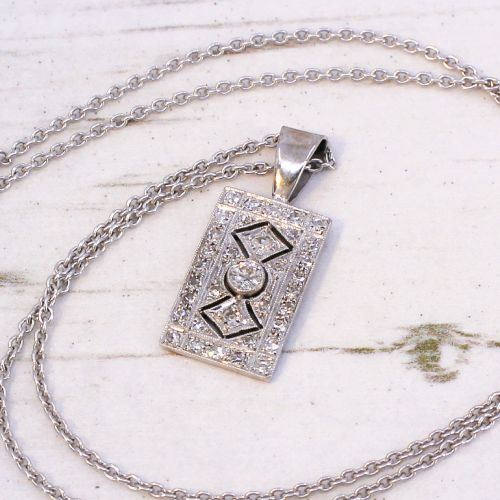
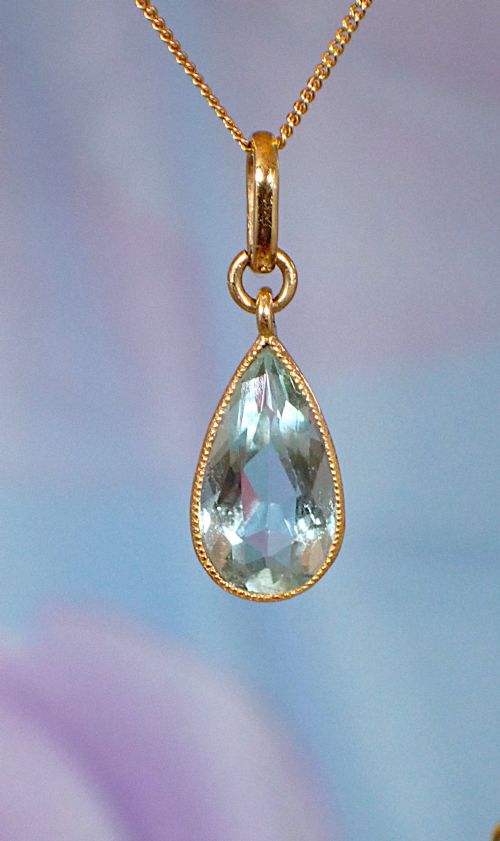
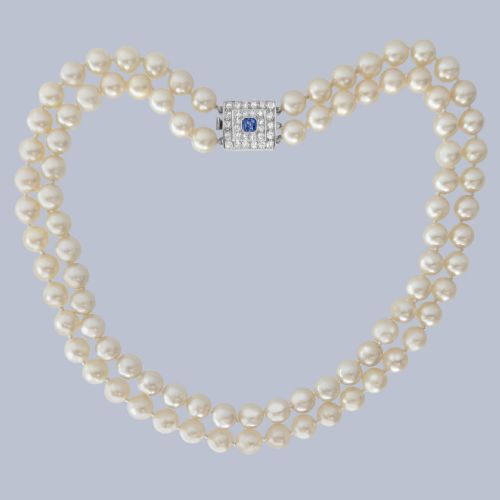
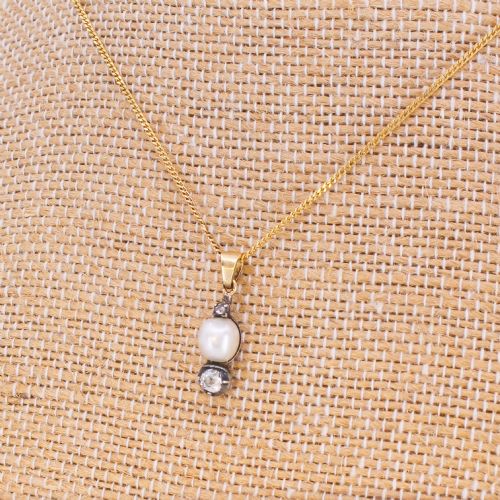
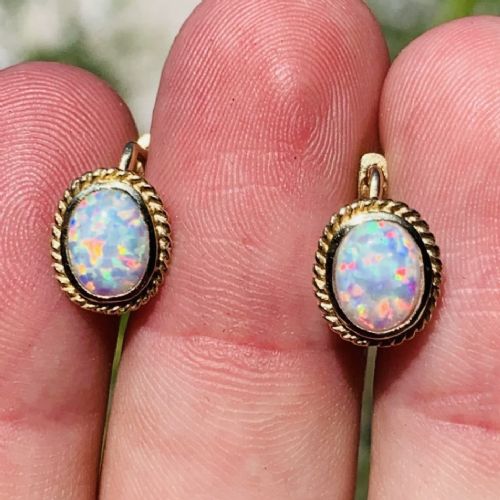
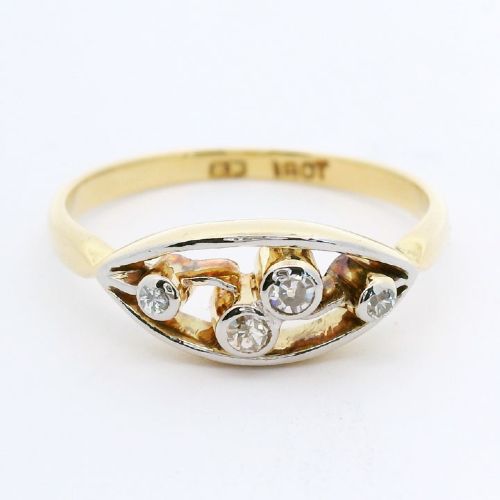
The selection on this page centres on rings, drop earrings, stud earrings, bracelets, bangles, brooches, necklaces and pendants. Rings and cluster earrings dominate the inventory, accompanied by pearl necklaces and gemstone pendants.
Materials span 18ct gold, 9ct gold, 14ct gold, platinum, and silver, set with diamonds, sapphires, rubies, emeralds, aquamarines, opals, pearls, amethysts, jadeite and topaz.
How they were made
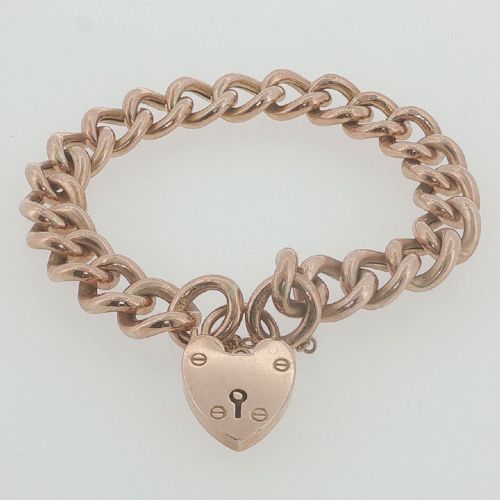
Metals such as platinum, 18ct white gold, yellow gold, rose gold and silver form the structural mounts and links. Artisans worked these precious metals into curb links, gate bracelets, cluster settings and cross-over bangles.
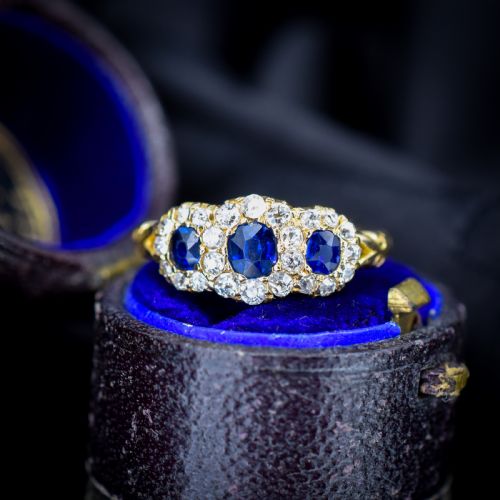
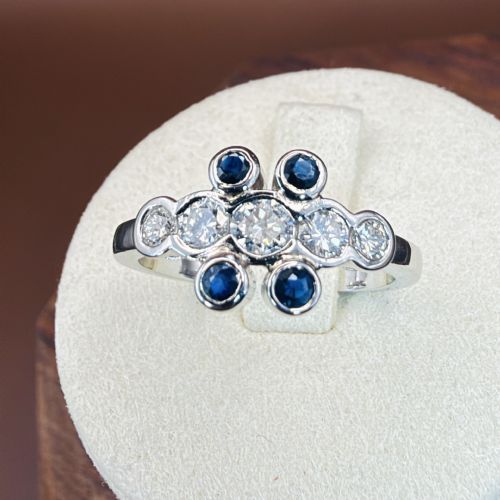
Gemstones including old cut diamonds, cabochon opals, natural pearls, sapphires and emeralds received specialised cutting, such as pear, oval, trapezoid and emerald cuts. Settings secure these stones within structured clusters, five-stone rows and prong or bezel mounts.
Vintage Fine Jewellery Retail Price Guide 2026
Typical asking prices for vintage fine jewellery among the pieces listed under this phrase on Sellingantiques today, from the lower quarter to the upper quarter. They describe what is for sale here now, not the wider market.
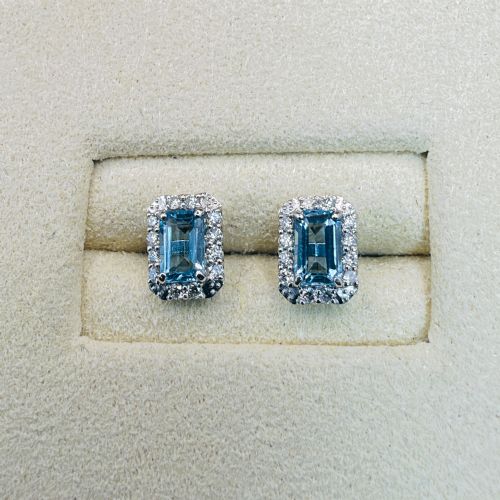
Listings feature items spanning the Victorian period through to the 1960s, employing materials from platinum and 18ct gold to pearls and emerald-cut aquamarines.
What varies in quality
Quality differentiates through the choice of primary materials and the precision of gemstone selection. Pieces incorporate certified pearls, substantial diamond carat weights like 1.34ct or 1.20ct, and high-purity metals such as 19.2ct gold or platinum.
Craftsmanship execution establishes distinctions across the range. Superior examples combine matched gemstone colour saturation, intricate detailing like rose-cut diamond accents or enamel work, and robust structural integrity in linkages and clasps.
Kutchinsky·Le Vian
The Vintage Fine Jewellery Glossary
- Cabochon
- A gemstone shaped and polished with a smooth, rounded surface rather than faceted. This style highlights the natural optical phenomena of stones like opals, moonstones and jadeite.
- Old cut
- A diamond facet configuration typical of the Victorian and Edwardian eras, featuring a smaller table and larger culet. These cuts produce a softer candlelight sparkle compared to modern brilliant cuts.
- Cluster
- An arrangement of multiple gemstones grouped tightly around a central stone. This setting style maximises visual impact and light reflection.
- Rose-cut
- A historic diamond cut characterised by a flat base and a domed crown covered in triangular facets. It gives stones a subtle, translucent glow.
- Gate bracelet
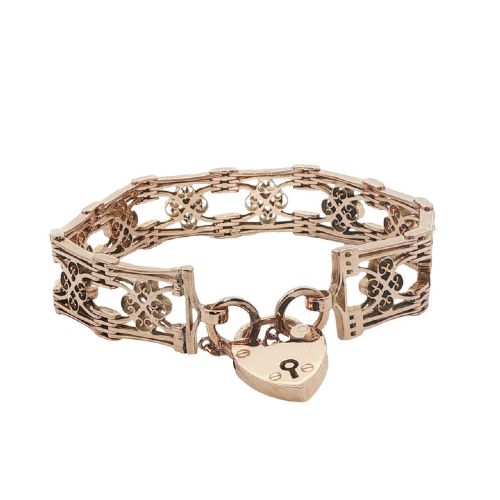
- A flexible wrist ornament constructed from parallel metal bars connected by vertical links. Originating in the Victorian period, these pieces often fasten with a heart-shaped padlock.
Vintage Fine Jewellery: Frequently Asked Questions
What periods do these pieces come from?
The selection spans the Victorian, Edwardian, Art Deco, 1950s and 1960s eras. Each period brings distinct design characteristics, from delicate filigree work to bold mid-century geometric forms.
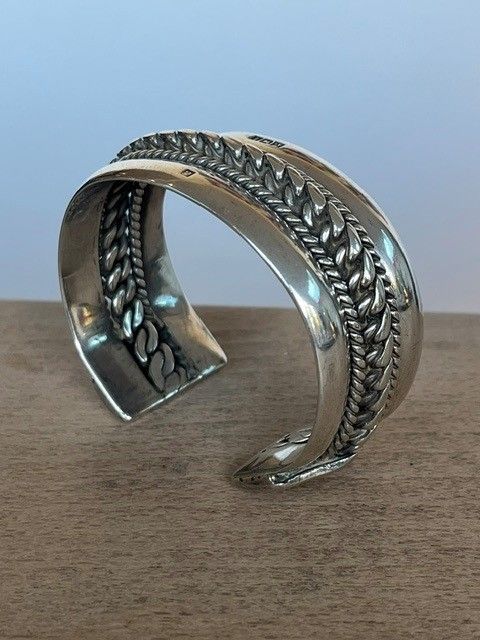
Items reflect the prevailing aesthetic of their decade of origin. One finds Edwardian platinum mountings alongside chunky 1950s silver cuffs and 1960s textured gold work.
How should I clean my vintage jewellery?
Care requirements depend on the specific materials used in the piece. Hard gemstones and precious metals generally tolerate gentle warm water and mild soap.
Organic materials like pearls and soft stones such as opals require specialist care to avoid moisture damage. Professional inspection protects vulnerable settings and stringing.
Are pearls in these necklaces natural?
Inventory includes both natural saltwater pearls and certified pearl varieties. Period pieces from the 1920s often feature documented certification confirming their origin.
Many antique pearl strands have undergone professional restringing to ensure durability for daily wear. Documentation in individual listings specifies certification details.
What metals are used in these items?
Items utilise 18ct yellow gold, 18ct white gold, 14ct gold, 9ct rose gold, platinum, silver and 19.2ct gold. Platinum offers a durable, bright white setting popular in Edwardian and Art Deco designs.
Gold purity varies from 9ct up to high-carat Portuguese and Egyptian pieces. Hallmarks on many items verify the metal standard and manufacturing origin.