


Vintage Fine Art Study
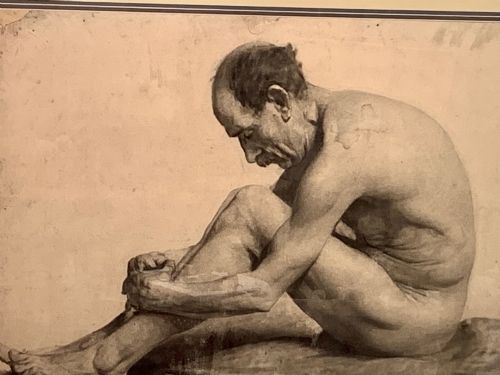
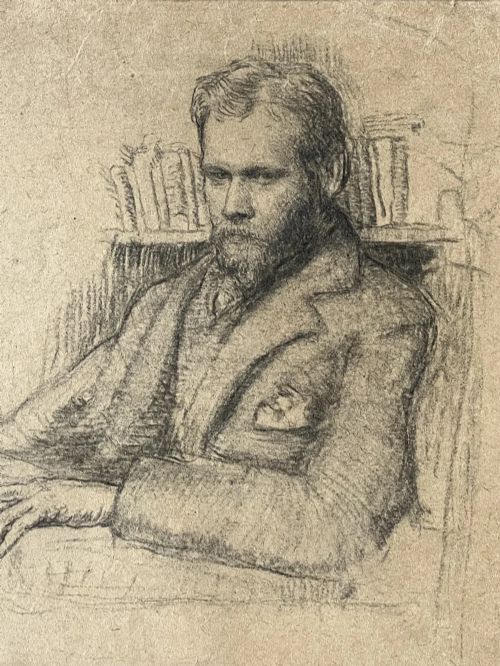
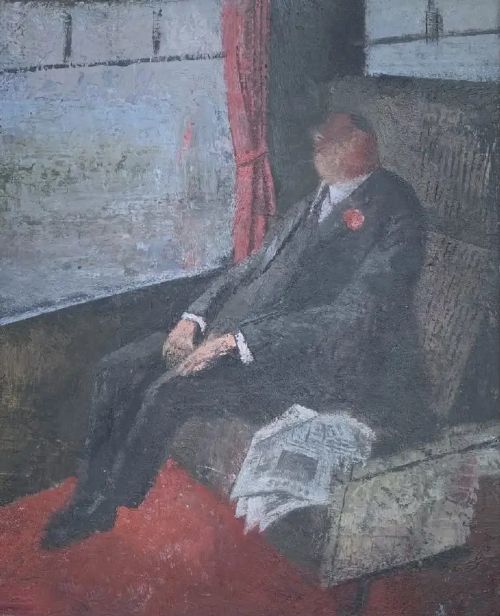
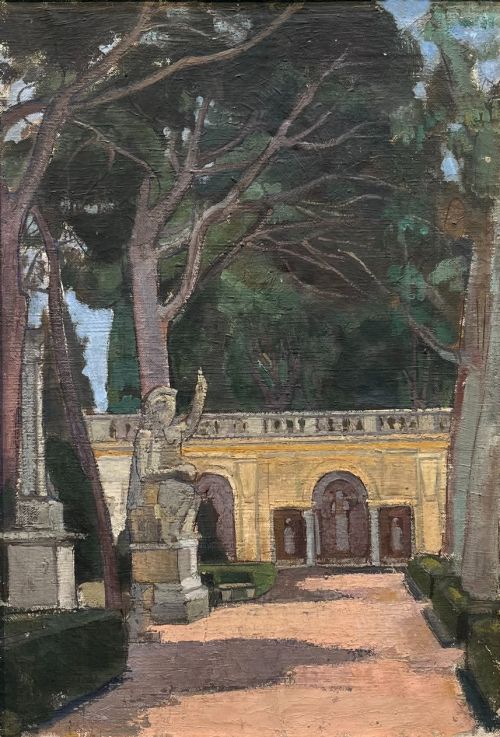
These vintage fine art study pieces capture immediate preparatory work and finished sketches across canvas, board, and paper from the nineteenth and twentieth centuries.
Vintage Fine Art Study
A vintage fine art study comprises preparatory drawings, quick sketches, and finished compositional works created across the nineteenth and twentieth centuries. Buyers encounter oil paintings, charcoal, pastel, and watercolour works on paper, canvas, and board originating from British, European, and wider international schools.
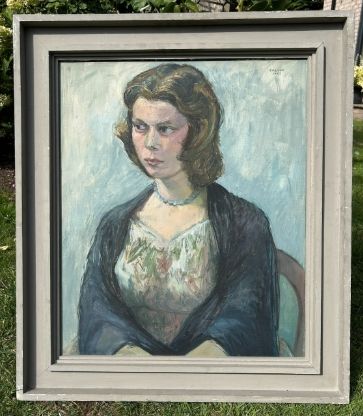
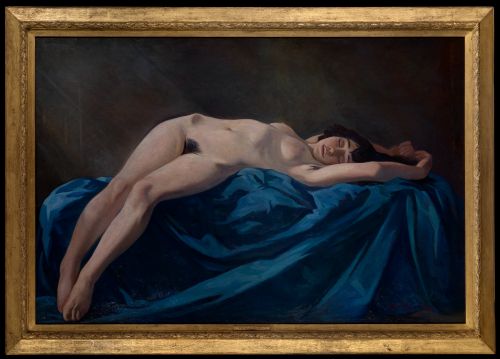
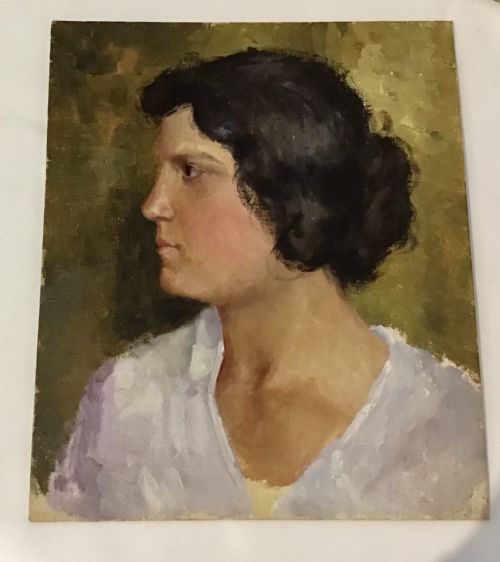
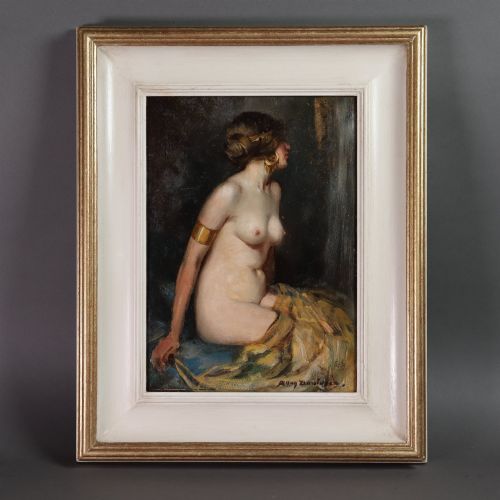
The selections span portraiture, landscape, figurative nudes, and animal studies from periods including the Victorian era, Edwardian years, Art Deco period, and mid-twentieth century. Works range from anonymous school pieces to signed compositions by established artists.
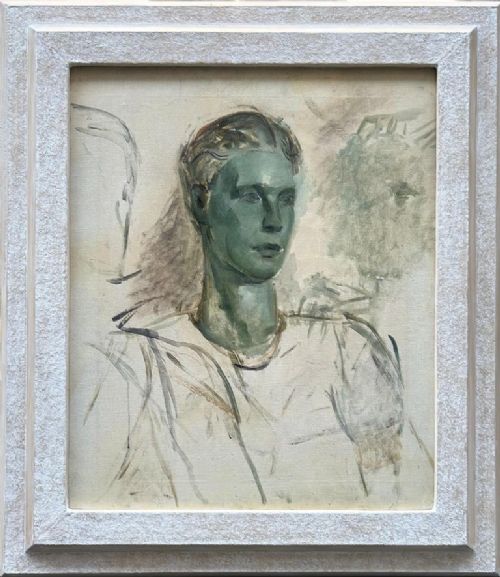
These pieces offer direct insight into an artist's working method, capturing transient light, anatomical detail, or compositional arrangements before final major canvases were undertaken.
How they were made
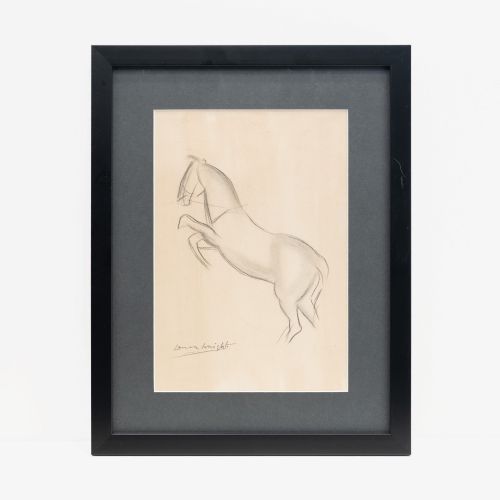
Artists executed these studies using oil paint on stretched canvas, wooden panel, or board, alongside works on paper utilising charcoal, graphite, pastel, watercolour, and sanguine. Preparatory marks and visible underdrawings often remain exposed to reveal the spontaneous execution of the piece.
Support materials reflect the working practices of the period, with oils applied heavily or thinly in loose strokes, while drawings rely on the grain of the paper and the contrast of dry media.
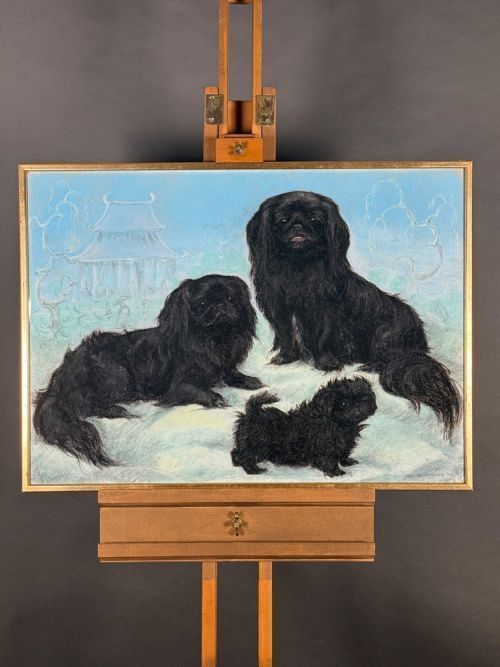
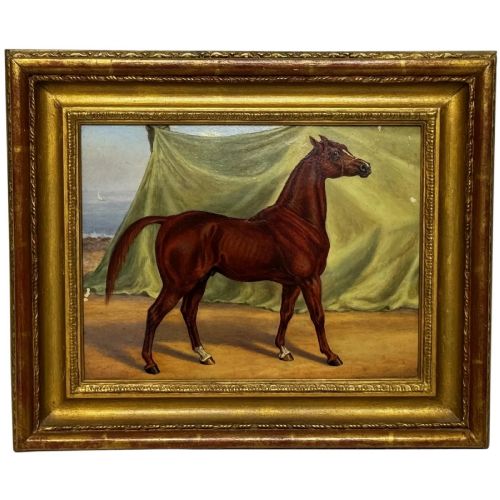
Several studies record domestic animal life, capturing the still moments of terriers, horses, and Pekingese dogs.
What varies in quality
Quality rests in the economy of line, sureness of touch, and the ability of the hand to capture form or expression with minimal hesitation. A successful study displays confident execution where the hurried nature of the work adds energy rather than looking laboured.
The preservation of the paper, canvas, or board surface and the stability of the medium dictate the longevity and visual integrity of the surviving artwork.
Kenneth Cozens·Eric Robertson·Augustus John·Dame Laura Knight·Allan Douglas Davidson·Maurice Adams·Raoul Millais·Ernest Higgins Rigg·James Clark·Frank Moss Bennett·Hans Temple·Margaret Evangeline Wilson·Kershaw Schofield·Raymond Arthur Roadnight·Rowland Henry Hill·Reginald G. Eves·John J. Hamer·Roberto Venturi
The Vintage Fine Art Study Glossary
- Study
- A preparatory drawing, oil sketch, or minor painting executed to test ideas or record visual information before undertaking a larger, finished work.
- Sanguine
- A reddish-brown chalk used extensively for portrait drawings and figure studies during the seventeenth, eighteenth, and nineteenth centuries.
- Board
- A rigid wooden or fibrous panel utilised as a painting support instead of stretched canvas, common in plein air and preparatory oil studies.
- Academic Realism
- A style of painting and drawing produced under the influence of European academies of art, prioritising accurate anatomical proportions and classical finish.
- British Impressionism
- A late nineteenth and early twentieth-century painting movement focusing on light, loose brushwork, and everyday subjects painted outdoors.
Vintage Fine Art Study: Frequently Asked Questions
What is a vintage fine art study?
A vintage fine art study is a preliminary work, sketch, or observational piece created by an artist to explore a subject, composition, or lighting effect.
These pieces often show the working process more directly than a finished gallery painting, capturing rapid brushstrokes or charcoal lines.
How were these studies used?
Artists used studies to record portraits, landscapes, animal anatomy, or figures from life before committing to a larger canvas.
Many works were kept in studio portfolios or passed down among practitioners as instructional examples of draughtsmanship and painting technique.
How do I frame works on paper?
Works on paper such as charcoal, pastel, and watercolour require framing behind glass with acid-free mounts to prevent humidity damage and fading.
Keeping the paper lifted away from the glass protects the delicate pigment layers over time.
How do I tell periods apart?
Periods are identified through a combination of costume, framing styles, paper types, and the specific painting techniques characteristic of decades like the Edwardian era or the 1950s.
Signatures, artist dates, and recorded exhibition histories also help narrow down the exact decade of execution.