



Canvas Male Portrait Study
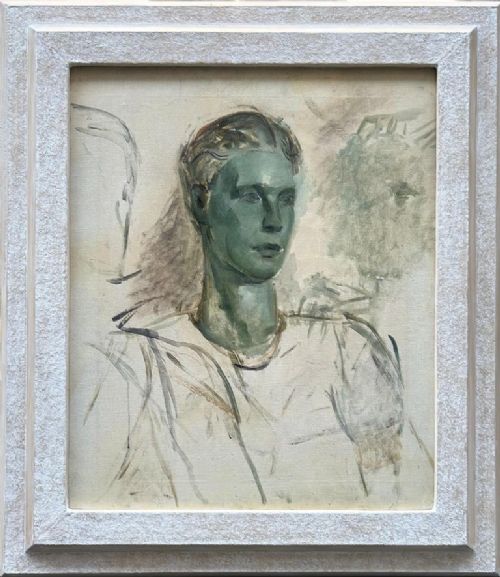
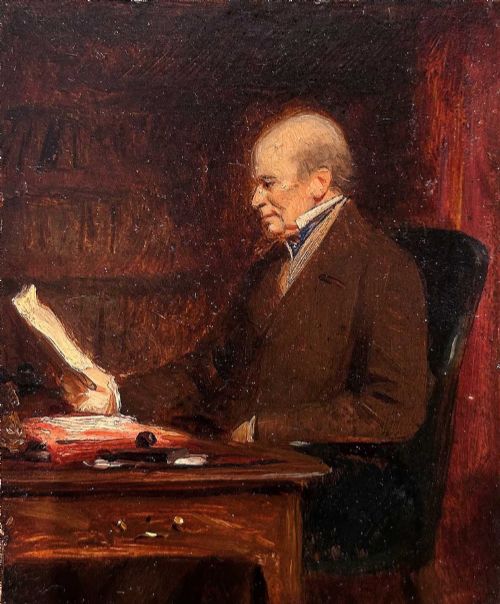
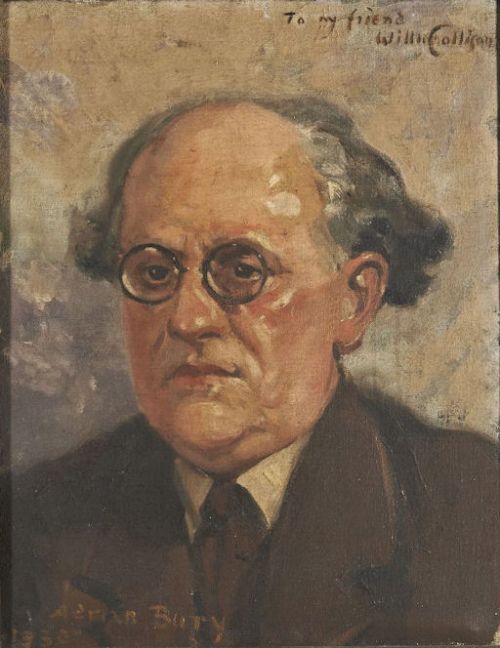
A canvas male portrait study offers a direct, intimate encounter with a sitter, spanning from seventeenth-century Italian works to post-war modernism.
Canvas Male Portrait Study
A canvas male portrait study captures the likeness and character of men through painted representations on fabric supports. These works range from formal academic exercises and self-portraits to informal character studies of bearded gentlemen and pipe smokers.
The selections encountered here stretch across several distinct eras, including seventeenth-century Italian and Roman schools, nineteenth-century Victorian pieces, and twentieth-century modern British and post-war creations. Academic realism sits alongside en grisaille interpretations and mid-century modern canvases.
Buyers will find both named sitters and anonymous models, offering a cross-section of artistic approaches from different centuries. The format varies from head and shoulder compositions to more expansive torso studies.
Materials and construction
The primary vehicle for these works is oil paint applied to woven canvas supports, though supplementary materials such as wood and card occasionally appear in the wider framing or backing. Artists utilise oil paint for its rich depth and ability to blend tones smoothly across the surface.
Techniques range from classical academic layering and monochrome en grisaille methods to the looser, more expressive brushwork found in post-war compositions. Some works incorporate additional decorative elements like silver leaf to enhance specific visual details.
The current selection spans from the seventeenth century through the Victorian and Edwardian eras into mid-century modernism, utilising canvas, oil paint, wood, and card.
Assessing visual merit
The distinction between a routine academic exercise and a compelling masterwork lies in the economy and sureness of the brushstrokes. Pieces that capture an authentic sense of personality tend to command greater visual authority than stiffer, purely mechanical representations.
Oilver Messel·Stephen Pearce·Alexandre Louis Martin·Roberto Venturi·William Woodhouse·Adrian Bury
The Canvas Male Portrait Study Glossary
- En grisaille
- Painting executed entirely in shades of grey or neutral monochromatic tones. This technique often mimics the appearance of relief sculpture.
- Academic realism
- Style of painting produced under the influence of European academies of art. It emphasises precise anatomical accuracy and traditional compositional rules.
- Oil on canvas
- Pigments bound in a drying oil medium applied to a stretched fabric ground. It remains the standard support for historical and fine art paintings.
- Roman School
- Group of artists working in Rome across various centuries influenced by classical antiquity and high baroque traditions. Their output frequently focuses on historical and philosophical subjects.
Canvas Male Portrait Study: Frequently Asked Questions
How should I hang a canvas portrait?
These works require stable wall environments away from direct sunlight and excessive humidity to protect the oil paint and canvas fibres. Proper picture hooks suited to the weight of the wooden stretcher frames ensure secure placement.
Positioning the piece at eye level allows the viewer to engage properly with the sitter's gaze and expression. Adequate spacing from other artworks lets the composition hold its own visual space.
What is the difference between a study and a finished portrait?
A study is typically a preparatory work or a focused exploration of a specific subject, such as a head and shoulders composition or lighting effect. These pieces often display a looser, more energetic application of paint compared to formal commissioned portraits.
Finished portraits generally aim for a polished, definitive likeness of the sitter. Studies offer collectors a glimpse into the artist's working method and immediate observations.
How do I identify seventeenth-century works?
Seventeenth-century paintings often display characteristic dark grounds, dramatic chiaroscuro lighting, and classical or philosophical themes typical of Baroque and Roman schools. The preparation of the canvas and the ageing of the oil medium provide physical clues to their early origins.
Examining the construction of the wooden stretcher and the type of canvas weave helps confirm the historical period. Specialist consultation can further verify the stylistic markers of the era.