
Vintage Figurine
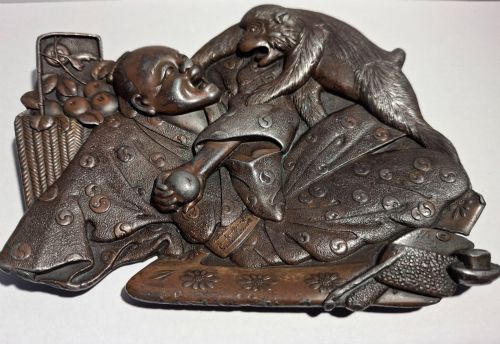
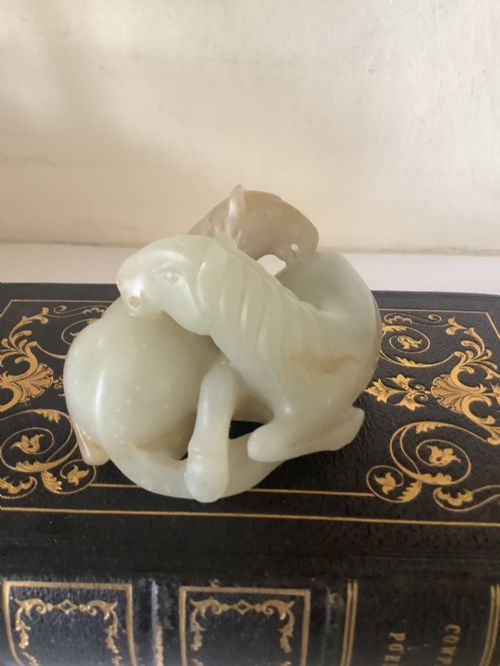
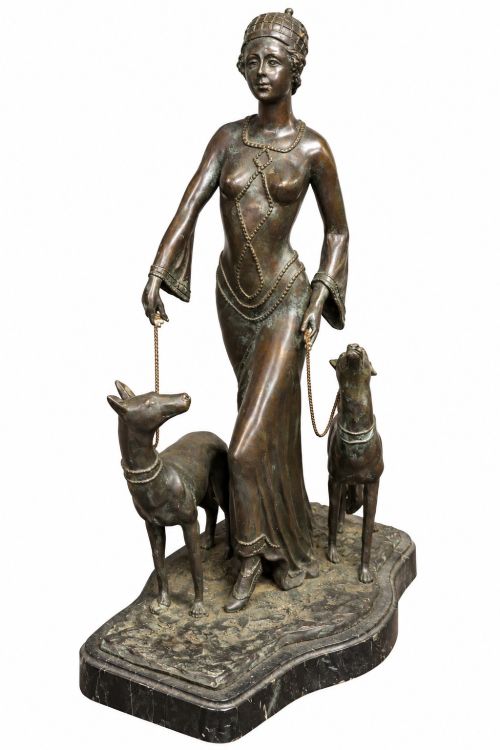
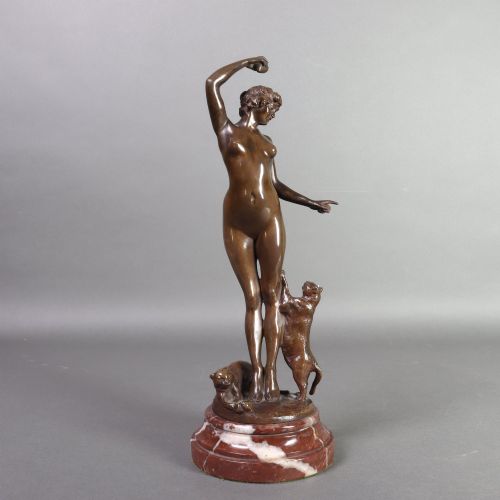
A vintage figurine captures character in miniature, offering a compact study in period design, animal form and human posture.
Vintage Figurine
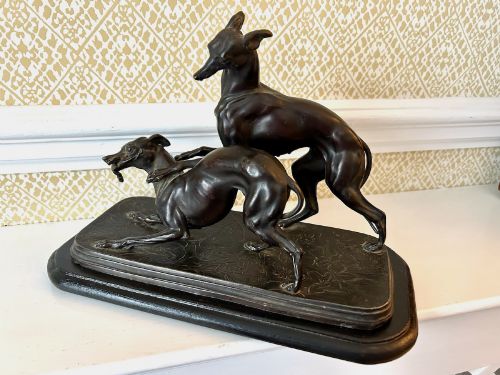
A vintage figurine spans diverse sculptural forms, from animal studies and dancers to portrait busts executed across the nineteenth and twentieth centuries. These objects appear in bronze, spelter, carved wood, jade, alabaster and glazed ceramic, reflecting shifts in taste from Victorian naturalism to Art Deco stylisation.
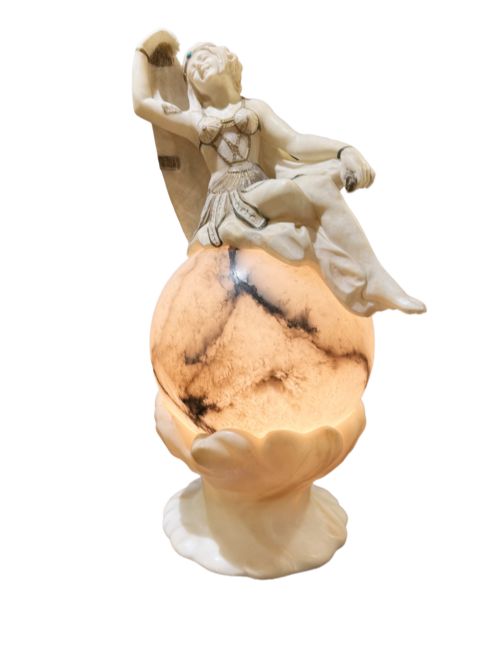
The versions most frequently met in this selection include Art Deco bronze and spelter dancers on marble bases, carved wooden animal figures, and small metal novelties. Makers and sculptors channel motion and stillness alike through media ranging from sterling silver to painted plaster.
Origins stretch across European workshops, Japanese folk art traditions and Chinese carving studios. Buyers encounter everything from utilitarian desk accessories like inkwells and pin cushions to cabinet sculptures designed purely for display.
Materials and construction methods
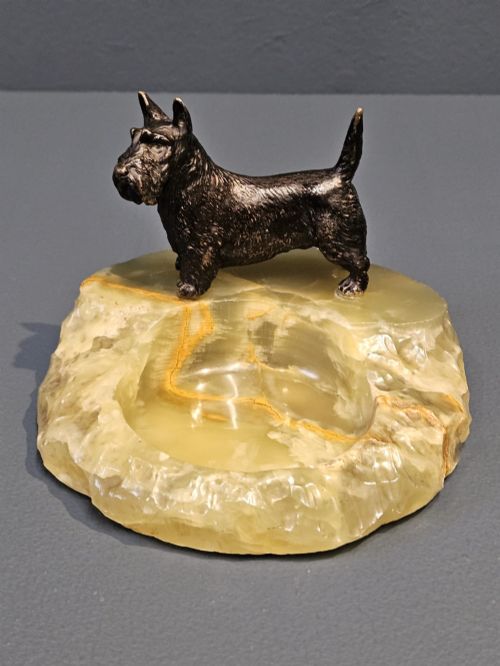
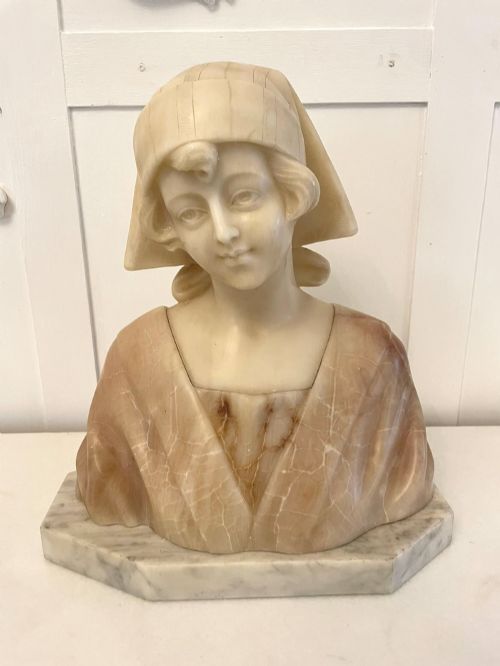
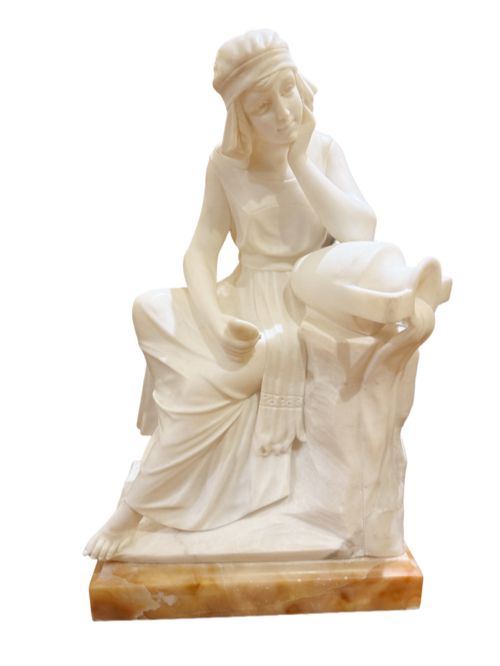
Metal sculptures utilise bronze and spelter, often cast using the lost-wax method before receiving patination, silvering or painted finishes. Marble and alabaster serve as substantial bases or carved figural bodies, requiring precise chiselling and polishing.
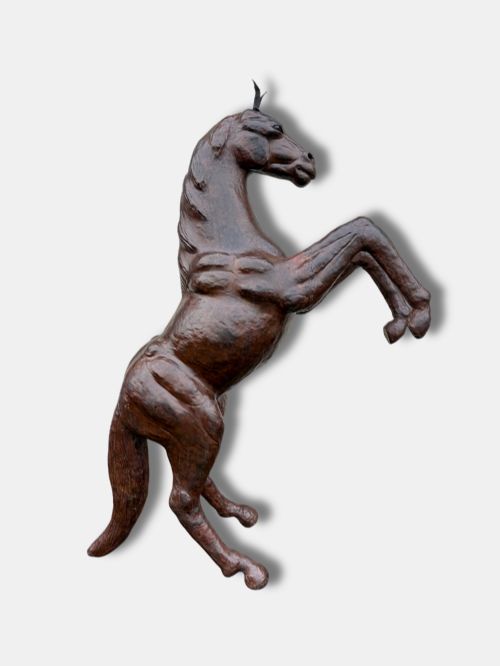
Carved pieces rely on hardwoods such as linden wood and cedar, shaped with hand gouges and knives to bring out the grain and texture of fur or feathers. Jade and hardstone carvings demand abrasive cutting and meticulous hand-polishing on dedicated stands.
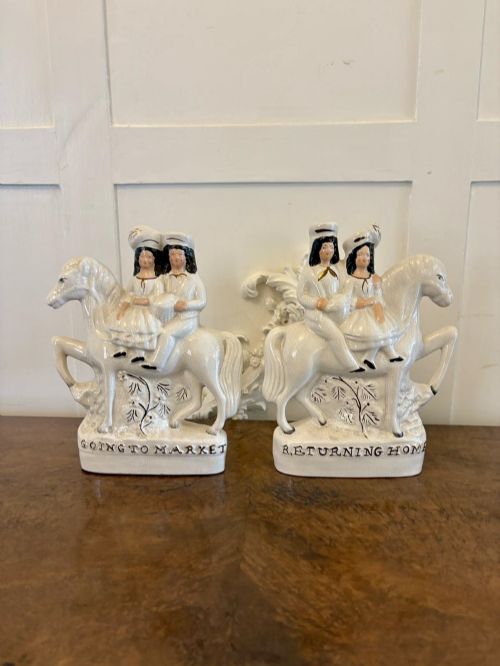
Ceramic and porcelain examples involve moulding, glazing and high-temperature kiln firing, sometimes combined with hand-painted enamel details as seen in Staffordshire earthenware and English porcelain.
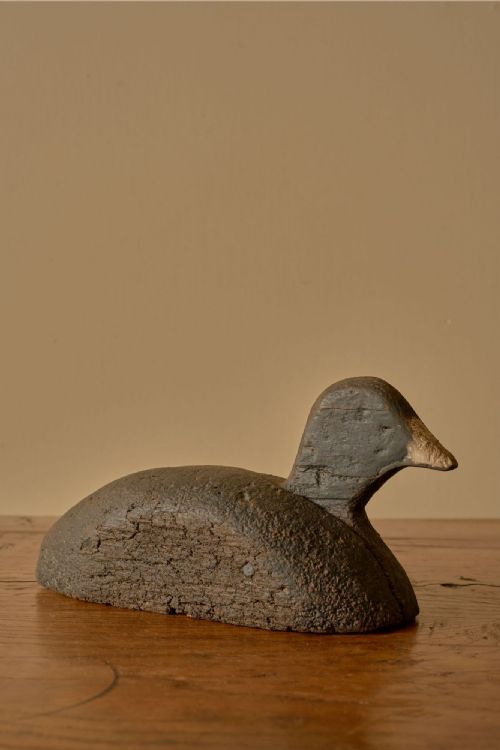
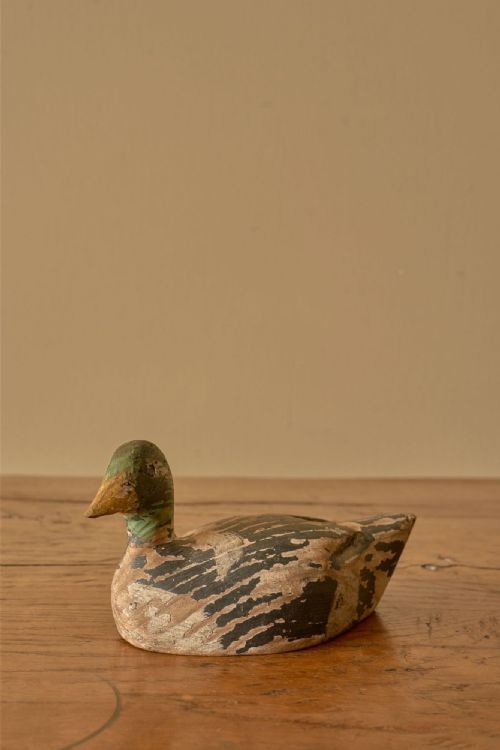
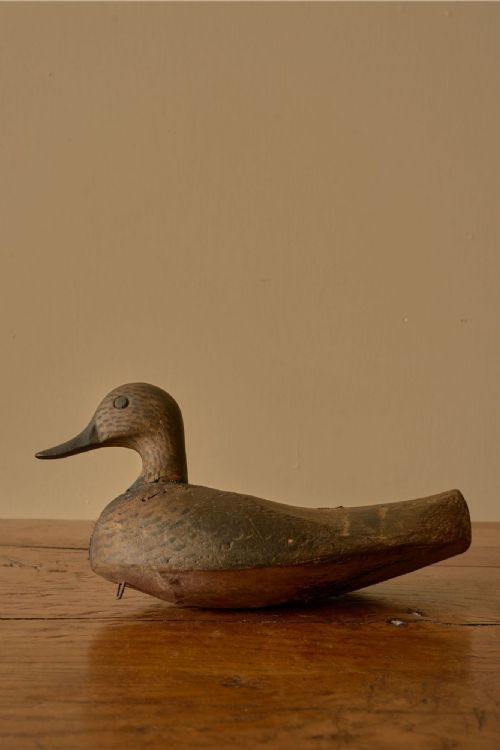
A decoy duck with a painted wooden body invites a rustic stillness into rooms once populated by sleek bronze panthers.
Distinctions in craftsmanship and execution
Quality rests in the fidelity of the cast or the crispness of the carving, where sharper details in facial expressions, drapery and musculature distinguish superior studio work from commercial repetition. Master sculptors and established foundries maintain tight control over proportions and surface texture.
The integration of mixed media dictates the harmony of the whole piece, such as how cleanly a bronze figure mounts to a veined marble base or how securely hardstone sits upon its wooden stand. Weight, balance and the integrity of the patina or original paint layer govern visual success.
Georges Gori·Gustave Dussart·Lavroff·D. H. Chiparus·Notari·Hagenauer·Maurice Giraud-Rivière·Pierre Collinet·Carl Kauba
The Vintage Figurine Glossary
- Spelter
- A zinc alloy used as a less costly alternative to bronze, frequently painted or patinated to simulate heavier metal. It appears widely in figural decorative objects from the early twentieth century.
- Patina
- The surface sheen or colour layer developed on metal, wood or leather through age and handling, or applied chemically by an artist. A natural patina enhances the depth of a bronze or silver surface.
- Animalier
- A nineteenth-century artistic style focusing on the realistic depiction of animals, particularly in motion or combat. Sculptors in this tradition studied anatomy closely in menageries.
- Takazōgan
- A Japanese metalwork technique involving the application of contrasting metal inlays to create pictorial designs. It appears on decorative metalware and small vessels from the Meiji period.
- Flat Back
- A ceramic manufacturing method where the rear of a figure remains unglazed and flat because the piece was intended to stand against a wall. This construction is typical of nineteenth-century Staffordshire pottery.
Vintage Figurine: Frequently Asked Questions
What materials were used for these sculptures?
Makers utilised bronze, spelter, marble, alabaster, hardstones like jade, various woods, and glazed ceramics. Each material dictates the weight, texture and visual character of the finished object.
Surface treatments such as silvering, paint and natural patinas further define the appearance of these pieces across different decades.
How do I identify an Art Deco piece?
Art Deco examples feature streamlined forms, geometric bases, stylised human figures such as dancers or athletes, and dynamic animal subjects like panthers and hounds. These objects often combine bronze or silvered metal with contrasting marble plinths.
The aesthetic emphasises clean lines and modern movement, distinguishing them from earlier Victorian or Edwardian naturalism.
Were these figures meant for display?
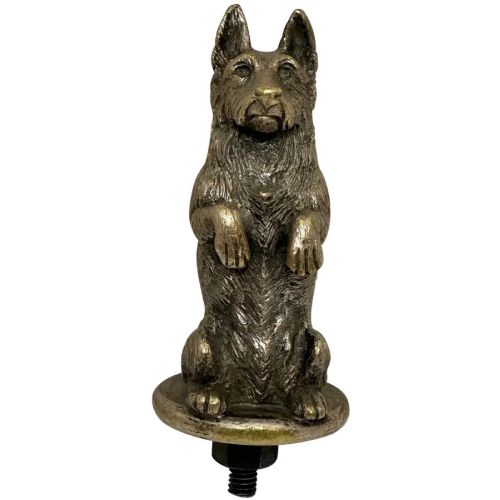
Many served as purely decorative cabinet sculptures, mantel ornaments or architectural desk elements. Others fulfilled practical roles, functioning as inkwells, pin cushions, car mascots or ash trays.
Their dual nature as art and utility reflects how period households integrated sculpture into daily domestic life.
How should I care for mixed media pieces?
Dust wooden and carved surfaces gently with a soft dry cloth, avoiding moisture and harsh cleaning agents. Metal components benefit from occasional light dusting to preserve their original patination without stripping the surface.
Keep alabaster and marble bases away from direct heat and damp environments to protect the stone and any applied finishes.