




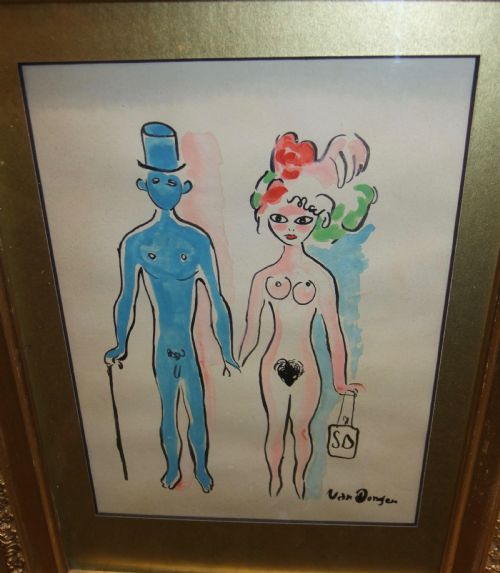
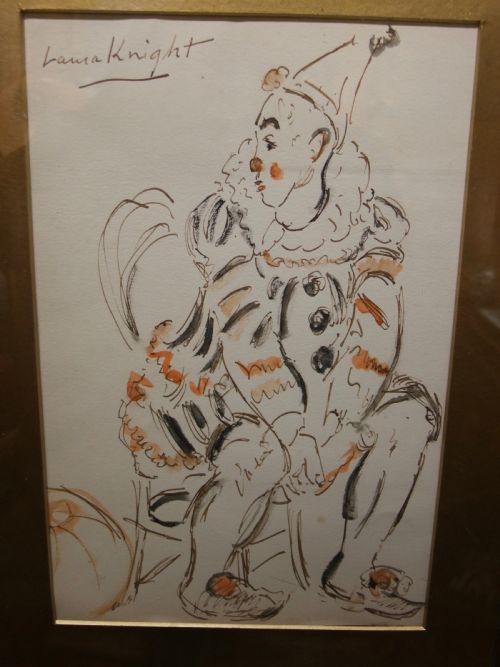


Vintage Figure Illustration
A vintage figure illustration captures human form and character through period draughtsmanship, offering an authentic piece of history for your walls.
Vintage Figure Illustration
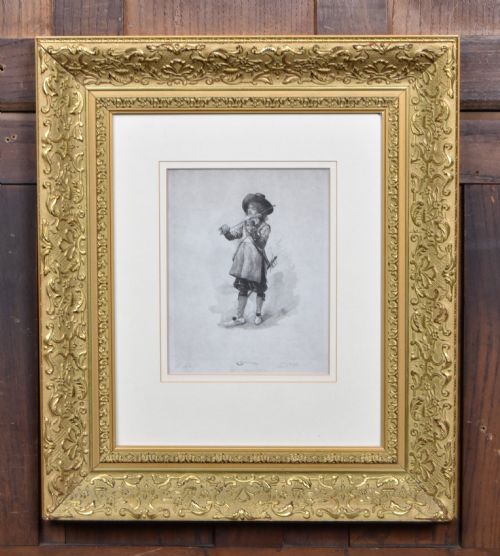
A vintage figure illustration brings together portraits, character studies, and anatomical works spanning from the eighteenth century through the twentieth century. These pieces encompass original drawings, engravings, etchings, watercolours, and limited edition prints.
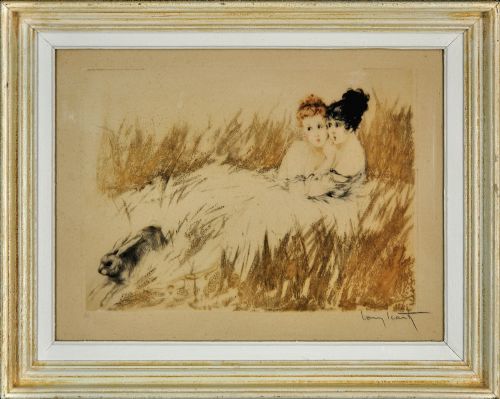
You are most likely to encounter twentieth-century modernist, Art Deco, and Victorian examples on this page, framed as wall art or original drawings on paper. The subjects range from circus performers and dancers to classical allegories and detailed anatomical studies.
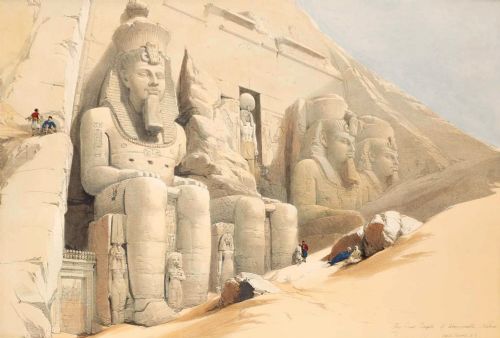
Works originate from various periods including the Regency era, the Victorian epoch, and the 1920s and 1930s. Artists utilise diverse stylistic approaches from French engraving traditions to surrealism and nineteenth-century orientalism.
How they were made
Artists created these works primarily on paper supports, employing graphite, charcoal, pen and ink, and watercolour. Many pieces also incorporate hand colouring and gilt framing to accent the visual composition.
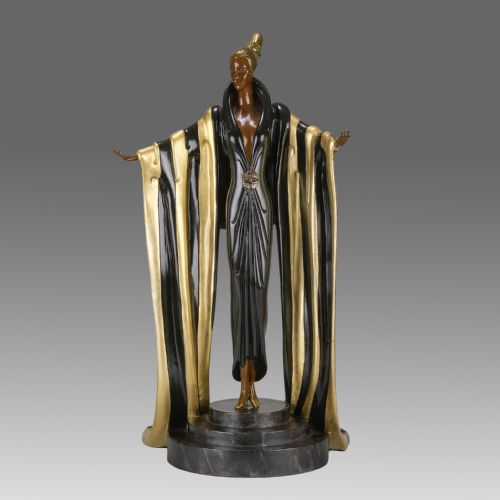
Printmakers utilised engraving and etching techniques on copper or related plates, while sculptors worked in cold-painted bronze. Wood frames frequently house these illustrations, preserving the delicate paper media against environmental wear.
Current listings feature paper supports combined with media like graphite, ink, and watercolour across periods from 1750 to 1960.
What varies in quality
The distinction between tiers rests upon the directness of the draughtsmanship and the strength of the artist's line. An original drawing by a recorded hand commands greater interest than a standard commercial print.
The integrity of the paper support and the originality of the contemporary frame heavily influence the standing of any given piece. Well-preserved sheets retain crisp ink tones and vibrant watercolours without excessive fading or staining.
David Roberts·Louis Icart·Erté·Albert Terry·Kees van Dongen·Dame Laura Knight·Henry Bird·Eduard Veith·Francis Dodd
The Vintage Figure Illustration Glossary
- Etching
- A intaglio printing process where lines are bitten into a metal plate with acid before being inked and pressed onto paper. This technique allows for fine, fluid detail akin to a pen sketch.
- Engraving
- A method of cutting design lines directly into a metal plate using a sharp tool called a burin. The resulting prints exhibit clean, precise edges and uniform depth.
- Cold-painted bronze
- A sculptural process where bronze figures receive non-fired oil or enamel paint applications. This finish requires careful handling to prevent flaking over decades.
- Watercolour
- A paint medium consisting of water-soluble pigments suspended in a gum arabic binder. It yields translucent washes of colour across paper grounds.
- Anatomical
- Depicting the physical structures of human or animal bodies with scientific precision. Such drawings served medical, educational, or classical illustrative purposes.
Vintage Figure Illustration: Frequently Asked Questions
What is a vintage figure illustration?
A vintage figure illustration is a work of art on paper or an early print depicting human subjects, created during periods such as the Victorian era, the Art Deco years, or the twentieth century.
These pieces range from quick graphite sketches and ink studies to finished watercolours and hand-coloured etchings.
How should I frame and hang them?
These delicate works on paper require conservation mounting behind glass to protect them from ultraviolet light and atmospheric moisture. Keeping them out of direct sunlight prevents the watercolour pigments and ink from fading.
Many pieces arrive in period frames which complement the age of the artwork, though secure wall fixings remain essential for heavier framed prints and sculptures.
How do I tell different periods apart?
Stylistic cues and framing materials often signal the date of a piece, with nineteenth-century works leaning towards academic realism or orientalism. Pieces from the 1920s and 1930s frequently adopt Art Deco geometry, modernist reductions, or surrealist abstraction.
Signatures, artist ciphers, and paper types also help establish whether an illustration belongs to the Georgian, Victorian, or mid-twentieth-century periods.
Are these works original art?
The selection includes both unique original drawings in graphite, ink, and watercolour, alongside limited edition prints and period engravings. Each listing specifies the exact medium used by the artist or printmaker.
Original drawings represent one-of-a-kind creations, whereas prints are produced in multiples using traditional plates or blocks.