


Framed Nude Wall Art
These framed nude wall art pieces span academic studies to modernist oils, capturing the human form across centuries in wood, glass and canvas.
Framed Nude Wall Art
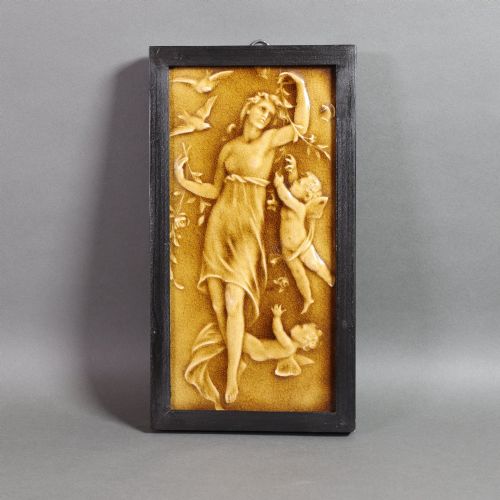
Framed nude wall art encompasses centuries of figural studies, oil paintings, prints and relief plaques capturing the human form. Collectors seek these works for their direct engagement with the body, rendered through the lenses of academic realism, art deco and mid-century modernism.
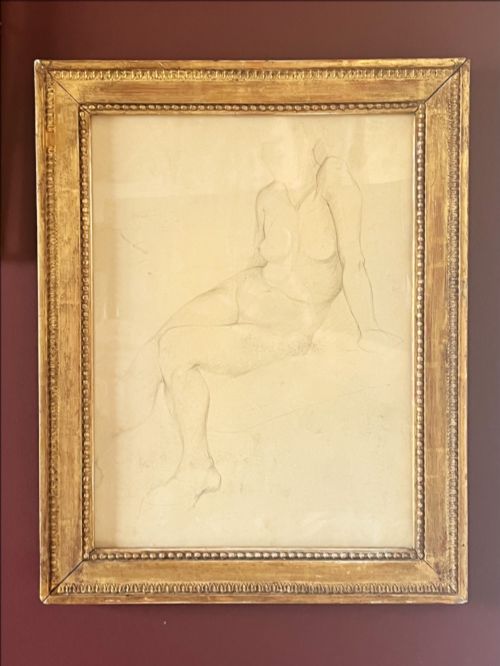
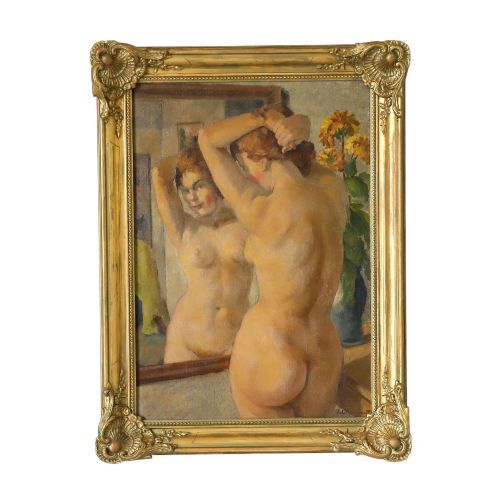
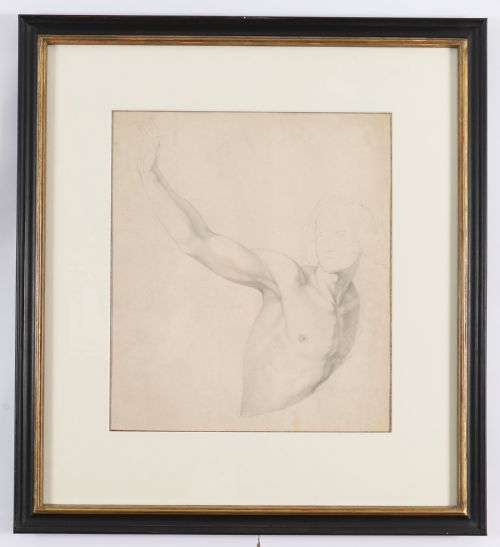
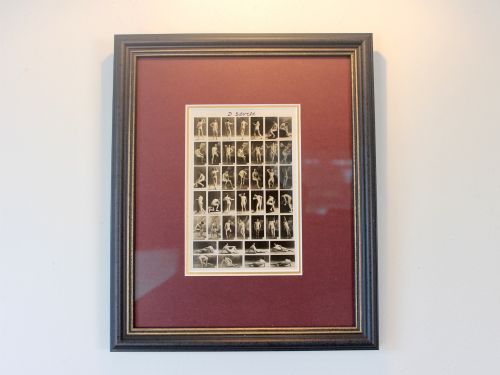
The selections available here range from nineteenth-century graphite life drawings to twentieth-century oil paintings on canvas and paper. Buyers encounter everything from intimate photographic contact sheets to substantial oil compositions encased in antique wooden frames.
Originating across Britain, France, Sweden and beyond, these pieces reflect changing aesthetic values from Victorian academic ideals to modernist abstraction. Each artwork preserves a specific moment in figurative depiction, anchored by period framing and glass protection.
How they were made
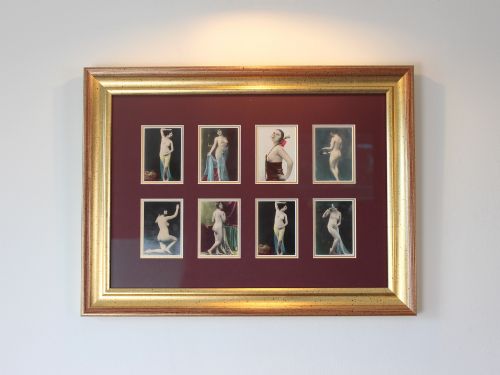
Artists relied on traditional supports including canvas, laid paper, wood panels and marble relief, applying media such as oil paint, graphite, charcoal, watercolour and hand-tinted photographic emulsions. Academic works often began as careful pencil or charcoal life studies before progressing to layered oil colours.
Listings feature works spanning the nineteenth century through to the nineteen-sixties, utilising mediums from oil paint and graphite to photography and marble.
What varies in quality
Execution and anatomical command distinguish standard life studies from masterworks, particularly in the handling of light, shadow and line. The subtlety of tonal gradation in graphite or the confident brushwork in oil paintings determines the visual power of each piece.
The integrity of the physical components also differentiates examples, from the original period framing and uncompromised paper health to the stability of the canvas. Authentic association with named artists or documented academic submissions elevates the historical significance of the object.
Philippe de Rougemont·Julian Mandel·Raymond Moritz·Tony Giles·Gaetan Dumas·James Clark·Arthur Hacker·Fernand Jean Barbier·Peter Paul Rubens·Pierre Buillon·Henri Chatillon·Raymond Arthur Roadnight·Kees van Dongen
The Framed Nude Wall Art Glossary
- Academic Realism
- A style of painting and sculpture produced under the influence of European academies of art, prioritising strict anatomical accuracy and classical subject matter. Works in this tradition show meticulous attention to proportion and lighting.
- Life Drawing
- The act of drawing the human figure from a live model, serving as the foundational training for figurative artists. These studies emphasise direct observation of form and muscle structure.
- Hand Tinted
- A photographic print or sheet enhanced with applied watercolour, ink or pigments by hand. This technique adds selective colour to monochrome images.
- Intimist
- An artistic style focusing on quiet, private interior scenes of domestic life, often associated with post-impressionist painters. These compositions emphasise mood and personal intimacy.
- Relief
- A wall-mounted sculptural technique where the sculpted elements project from a background plane. Marble versions offer a tactile alternative to flat two-dimensional works.
Framed Nude Wall Art: Frequently Asked Questions
How should I hang framed nude art?
Position the centre of the artwork at eye level, ensuring it is away from direct sunlight to protect pigments and paper supports.
Pair wooden frames with neutral wall backgrounds to let the tonal qualities of the human form stand out without distraction.
Are these pieces original works?
The collection includes unique hand-drawn charcoal and graphite studies, original oil paintings on canvas, and period photographs alongside vintage prints.
Check individual listings to confirm whether a piece is a one-off painted composition or a historical print edition.
How do I care for antique frames?
Dust wooden frames gently with a dry microfibre cloth, avoiding chemical sprays that can damage historic gilt or painted surfaces.
Keep pieces in rooms with stable humidity levels to prevent the wood from warping and to protect the paper or canvas housed inside.
What periods do these artworks represent?
The listings span from the nineteenth century through the art deco era and into mid-century modernism, capturing shifting artistic approaches to the body.
Victorian and academic pieces sit alongside twentieth-century avant-garde interpretations and photographic studies.