


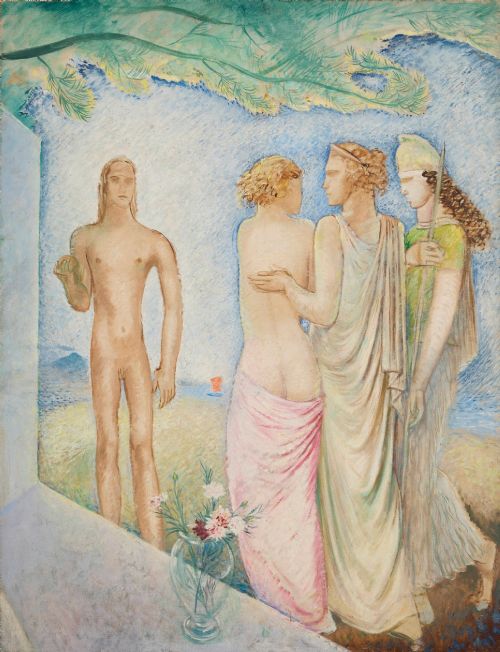
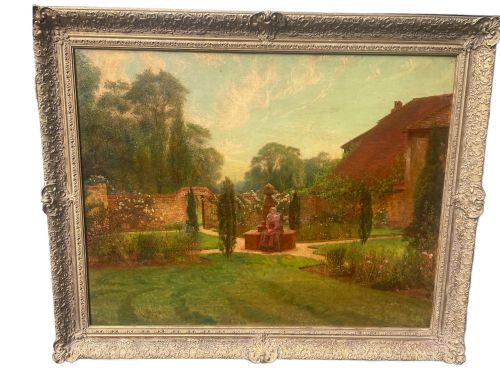
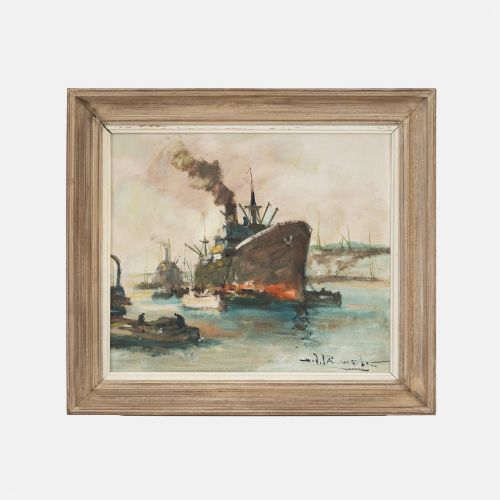
Vintage Oil Canvas Artwork
Vintage oil canvas artwork brings painted portraiture, landscape and still life into a room through pigment laid directly on woven fabric.
Vintage Oil Canvas Artwork
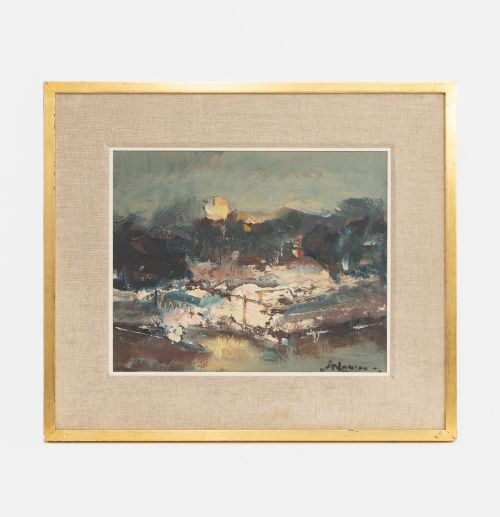
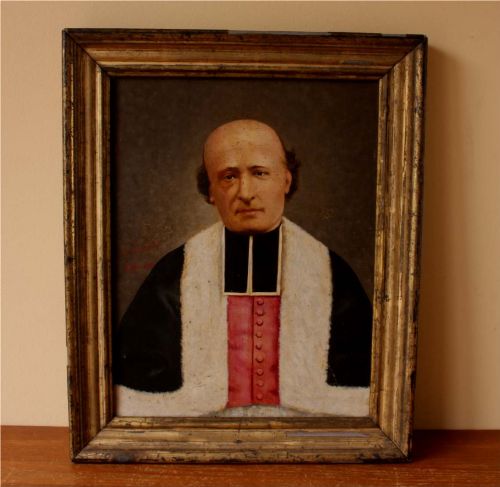
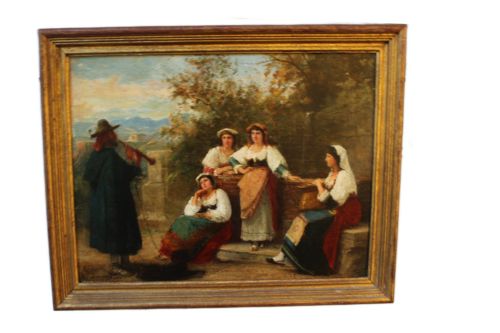
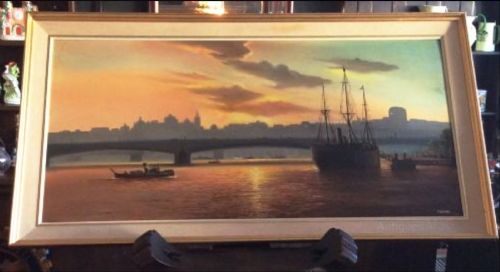
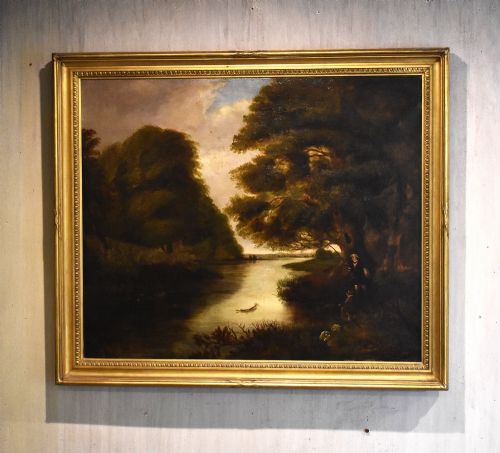
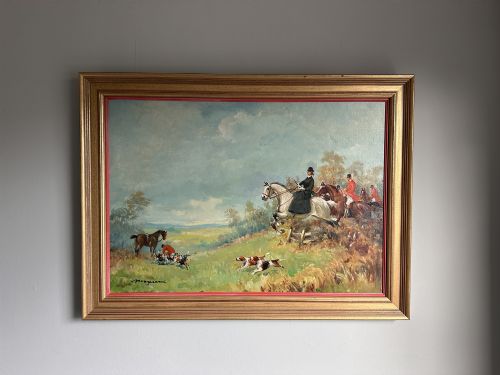
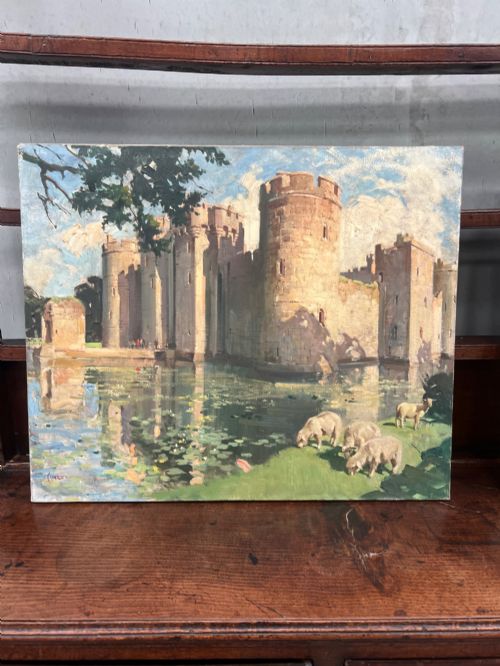
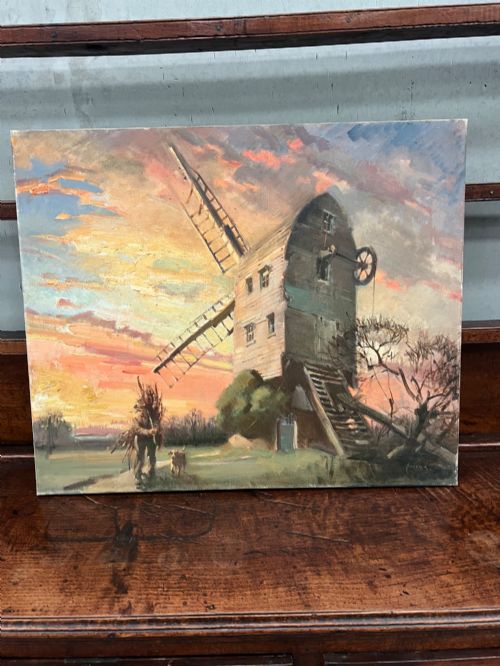
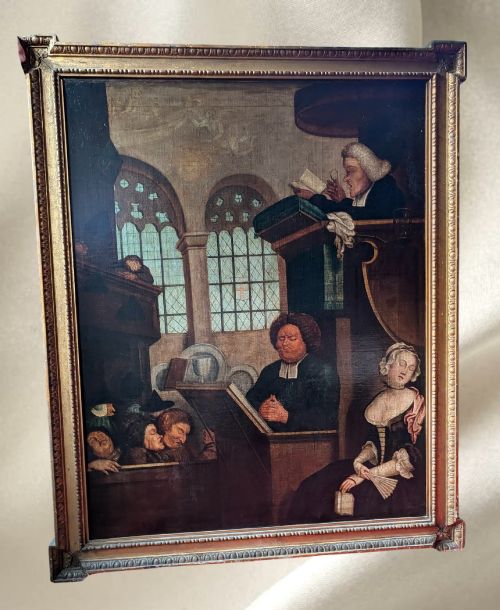
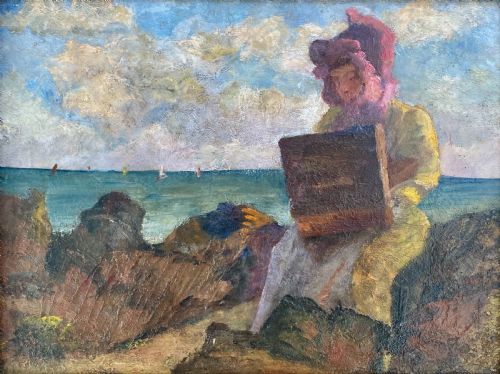
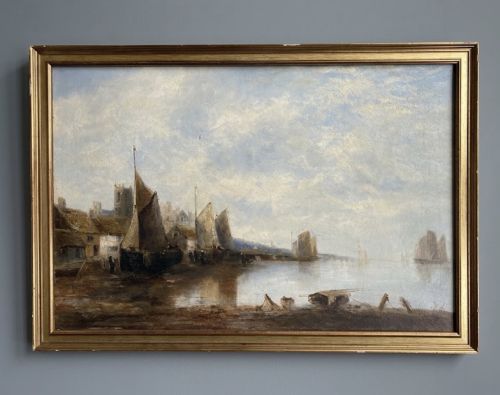
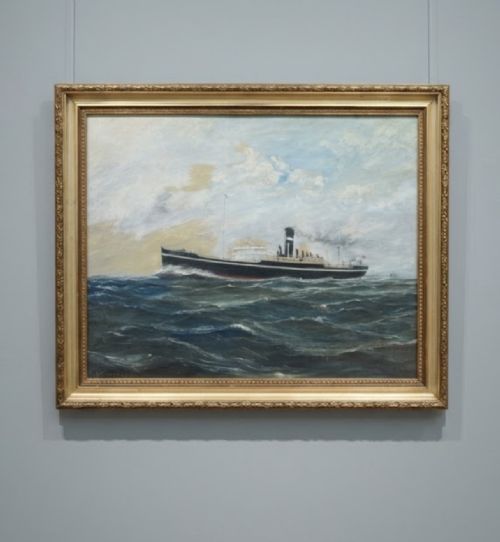
When you search for vintage oil canvas artwork, you encounter framed paintings spanning the nineteenth century through the mid-twentieth century. The selection includes maritime coastal scenes, equine portraits, floral still life compositions and pastoral British landscapes.
You are most likely to meet pieces representing nineteenth century realism, Edwardian school works and mid-century British landscapes. These paintings encompass both signed original works by listed artists and traditional school studies.
Subjects range from quiet rural settings and river landscapes to dramatic maritime seascapes and detailed human portraits. Each piece reflects the specific palette and brushwork characteristic of its originating period.
How they were made
These works rely on oil paint applied to woven canvas supports, sometimes stretched over wooden frames or laid onto board. The medium allows for gradual blending, rich layering and textured impasto effects.
Many paintings retain their original framing, which frequently incorporates gilt wood or moulded gesso embellishments. The combination of oil pigment and supportive canvas has allowed these pieces to endure across successive centuries.
Vintage Oil Canvas Artwork Retail Price Guide 2026
Typical asking prices for vintage oil canvas artwork among the pieces listed under this phrase on Sellingantiques today, from the lower quarter to the upper quarter. They describe what is for sale here now, not the wider market.
Materials recorded across the available inventory include oil paint, canvas, wood, gilt, gold leaf and gesso.
What varies in quality
The distinction between works rests upon the confidence of the brushwork, the handling of light and shadow, and the anatomical or spatial accuracy of the composition. Skilled artists achieve depth and atmospheric perspective through measured tonal transitions rather than flat application.
Frame preservation and the integrity of the original paint surface influence the overall character of the piece. Works that retain their undisturbed pigment layers and period-appropriate gilt gesso frames demonstrate superior preservation.
Henry Barraud·Kenneth Cozens·William H Myers·Dumini Leopoldo·Clifford Hanney·Frederick Marriott·Eugène-Louis Gillot·William McAlpine·Reginald Arthur Borstel·Alfred Fontville de Breanski Jr·George Houston·Herbert Royle·Hubert Haider
The Vintage Oil Canvas Artwork Glossary
- Oil on Canvas
- A painting technique where pigmented oil paint is applied to a woven fabric support. This combination provides durability and allows for subtle blending.
- Gesso
- A plaster-like mixture applied to wooden frames as a base for moulding and gilding. It creates a smooth surface for decorative relief work.
- Impasto
- Paint applied thickly to a canvas so that the strokes stand out from the surface. This technique introduces tactile texture and visible brush dynamics.
- Post-Impressionism
- An art movement extending beyond impressionist limits to emphasise symbolic content and geometric forms. Artists use expressive brushwork and unnatural colour choices.
- Still Life
- A painting featuring inanimate subject matter, typically everyday objects or food items. These compositions focus on arrangement, light interplay and texture.
Vintage Oil Canvas Artwork: Frequently Asked Questions
Where should I hang these paintings?
Select an interior wall away from direct sunlight and sudden temperature shifts to protect the canvas and pigments.
Keep paintings clear of radiators and damp areas to prevent the wood stretcher and canvas from warping.
How do I identify the period?
Examine the style of the framing, the preparation of the canvas reverse, and the clothing or subjects depicted.
Signatures, artist dates, and exhibition labels on the stretcher bars often provide direct clues to the creation date.
Can I reframe an antique canvas?
Original period frames are generally preferred because they complement the age and aesthetic of the artwork.
If reframing is necessary, ensure the replacement maintains appropriate proportions and historical sympathy with the painting style.