
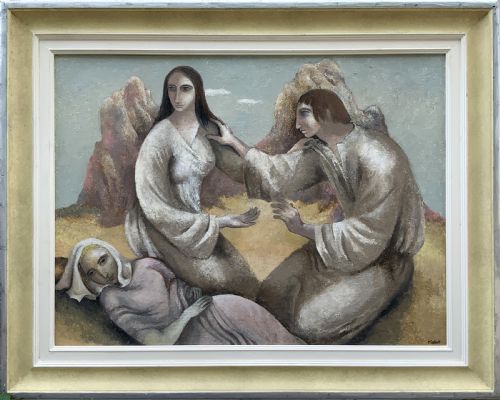
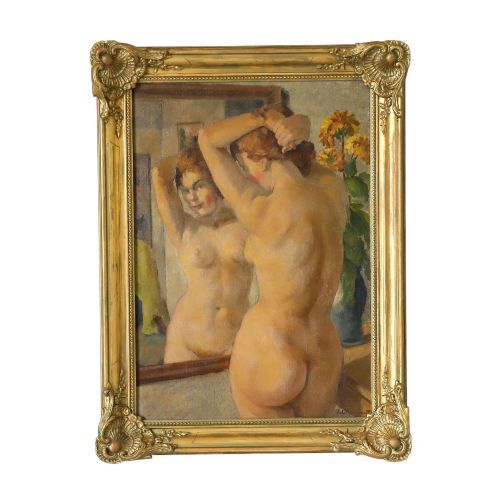
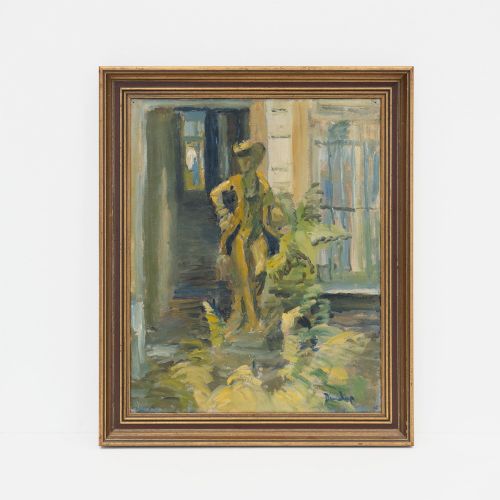


Modern Figurative Oil Painting
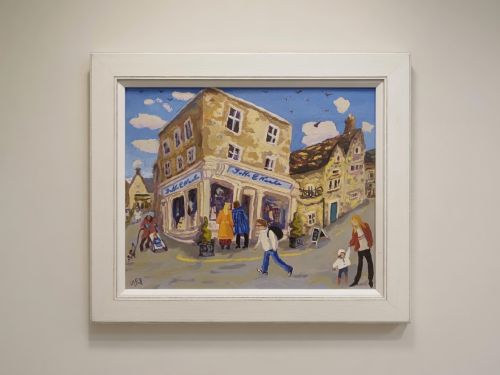
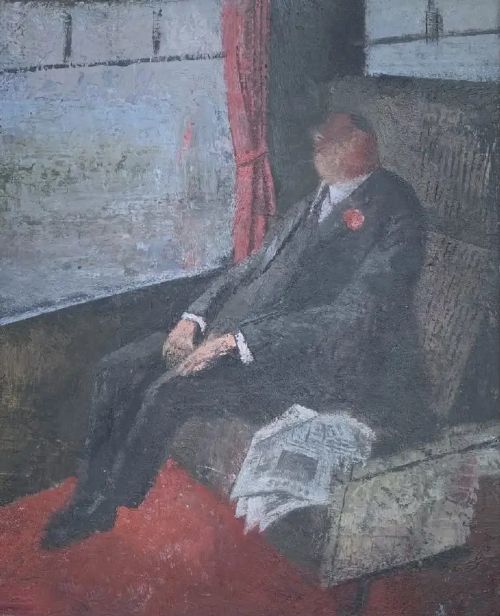
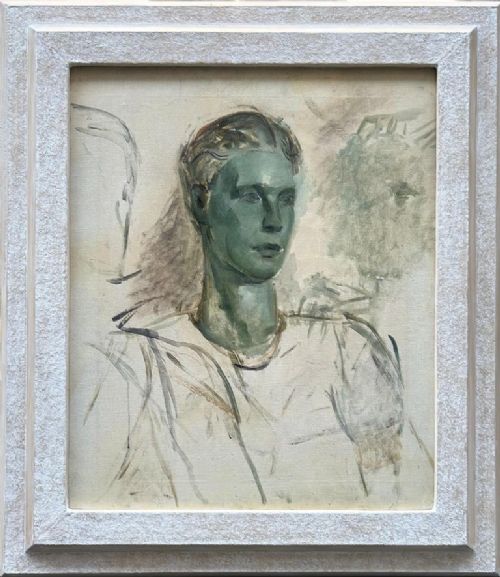
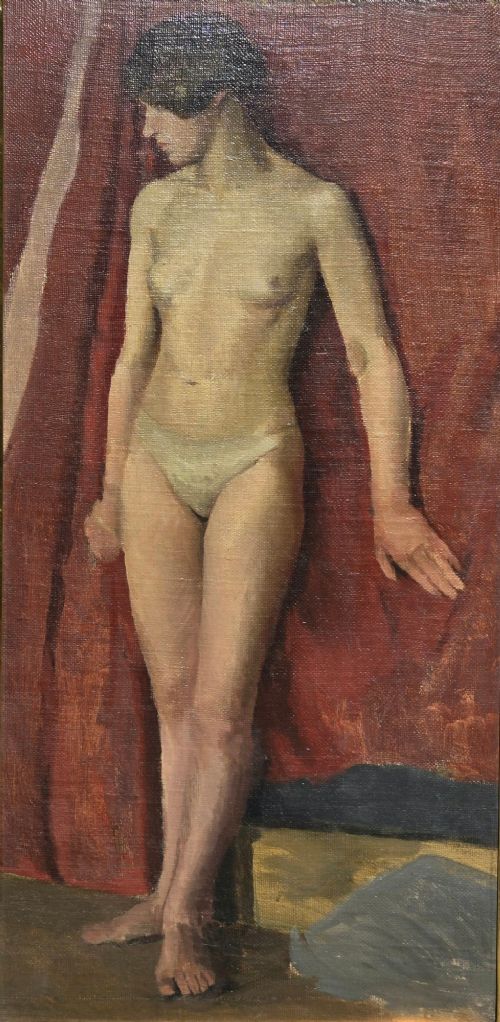
A modern figurative oil painting brings character to a room through expressive brushwork and mid-century human subjects.
Modern Figurative Oil Painting
A modern figurative oil painting represents human forms and scenes through twentieth-century lenses, spanning periods from the 1920s to later than 1960. You will frequently encounter portraits, nudes, and figurative studies that reflect British, American, French, and Swedish modernist movements.
The selections on this page range from early twentieth-century avant-garde works to mid-century modernist compositions. These pieces capture subjects like dancers, children, and reclining figures using distinct twentieth-century visual vocabularies.
Surrealist influences and mid-century British styles appear regularly across the paintings. Each work employs oil paint to explore human presence through various twentieth-century aesthetic approaches.
How they were made
Artists painted these works primarily with oil paint applied to canvas, board, or wood supports. Some pieces utilise thick impasto techniques to build physical texture upon the surface.
Many works retain their period wood frames, occasionally finished with gilt details. Canvas is frequently stretched directly or laid onto board for additional stability.
Listings feature works executed on canvas, board, and wood supports using oil paint.
What varies in quality
The strength of the composition and the confidence of the brushwork define the upper tier of these works. Masterful handling of paint and form distinguishes notable artists from anonymous school pieces.
The integrity of the surface materials and the preservation of the original pigments influence the standing of each painting. Works that retain their period framing and stable canvas or board surfaces demonstrate superior historical preservation.
Lucy Pratt·Oilver Messel·Winifred Rymer·Christine Nesbit·Philippe de Rougemont·Ronald Ossory Dunlop·Septimus Scott·Philip Naviasky·Peter Jackson·Jean Hippolyte Marchand·Jeffrey Pratt·Yo Mayer·Andre Delfau·Raymond Arthur Roadnight·Richards Rubin·Markey Robinson·Bernard Meninsky·Tschacbasov
The Modern Figurative Oil Painting Glossary
- Impasto
- Paint applied thickly to a canvas or board, leaving visible brush or palette knife marks that stand out from the plane. This technique adds tactile depth and dimensionality to the surface.
- Moderne
- A twentieth-century design style embracing simplified forms and streamlined aesthetics. It influences the structural composition of figures within the painted space.
- Surrealism
- An artistic movement exploring the subconscious, dreams, and bizarre juxtapositions of imagery. Works in this vein feature mysterious or hidden figures and dreamlike narratives.
- Avant-garde
- Art that pushes experimental boundaries and breaks from traditional academic conventions. Pieces carrying this descriptor often reflect early twentieth-century radical shifts in perspective.
Modern Figurative Oil Painting: Frequently Asked Questions
What is a modern figurative oil painting?
These works are oil paintings created during the twentieth century that depict human subjects, from portraits to nudes. They utilise modernist, surrealist, or contemporary approaches rather than strict academic realism.
Artists working in this tradition prioritised expressive brushwork and emotional resonance over exact physical likeness.
How should I hang an oil painting?
Protect the canvas or board by hanging the piece away from direct sunlight and excessive temperature fluctuations. Ensure the wall fixings match the weight of both the artwork and its wood frame.
Keep paintings in rooms with stable humidity to preserve the oil paint and support structure over time.
How do I identify mid-century pieces?
Examine the materials and stylistic markers, such as mid-century modernist or surrealist compositions typical of the 1930s through the 1950s. Look for original framing and support types like board or canvas.
Signatures, dates, and recorded artist details in the listing help confirm the specific period of origin.
Are these paintings signed by the artists?
Many pieces feature visible artist signatures, inscriptions, or attribution notes left on the canvas or board. Other works represent school or anonymous studio productions from specific decades.
Documentation and stylistic evidence assist in connecting unsigned works to known periods and artistic circles.