
Vintage Figurative Artwork
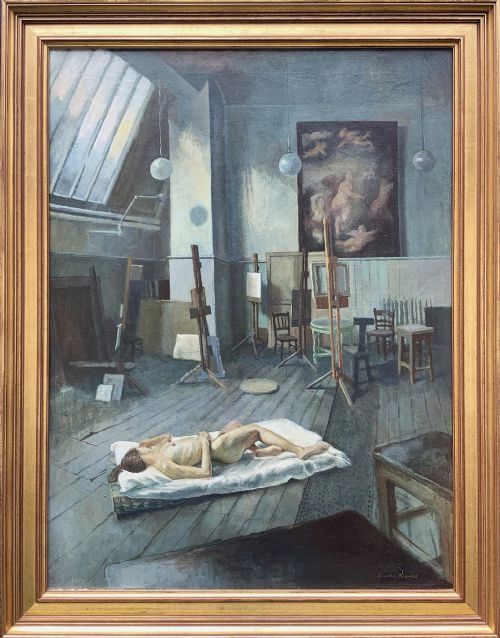
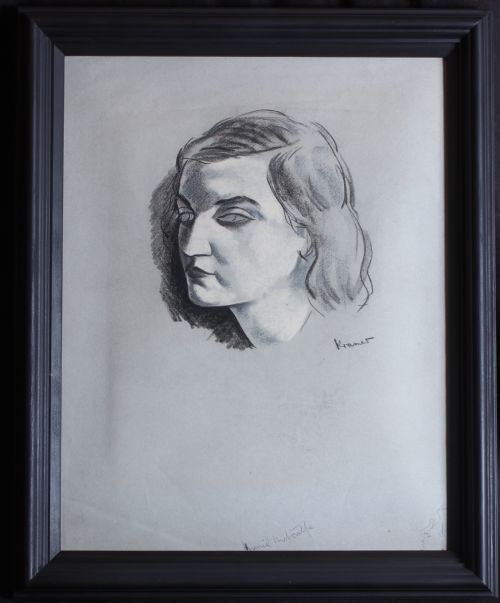
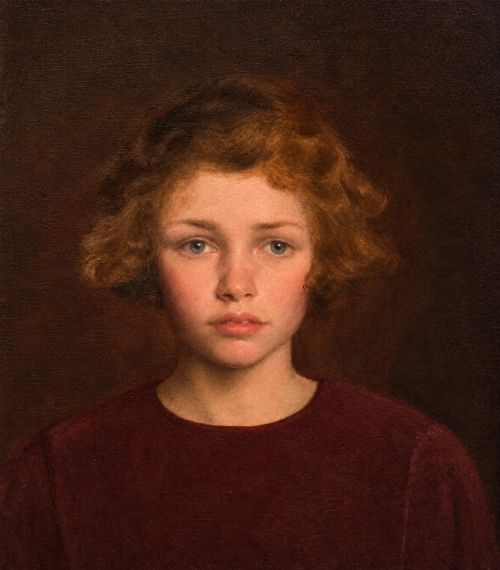
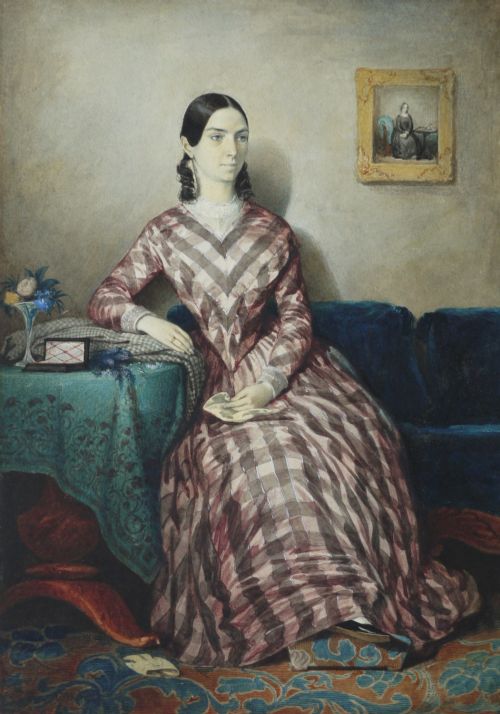
Vintage figurative artwork brings human presence and character into a room, spanning mediums from ink and watercolour to oil on canvas across several decades.
Vintage Figurative Artwork
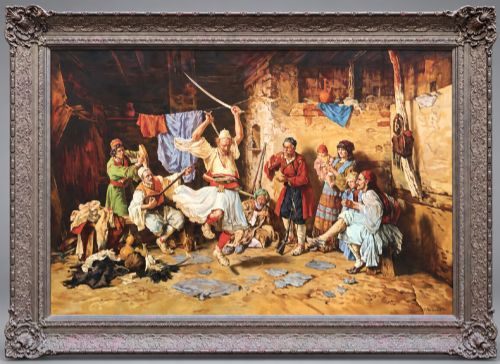
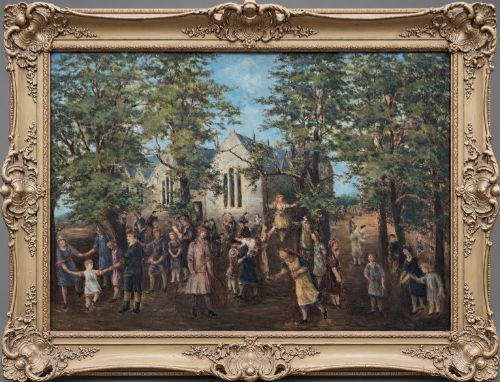
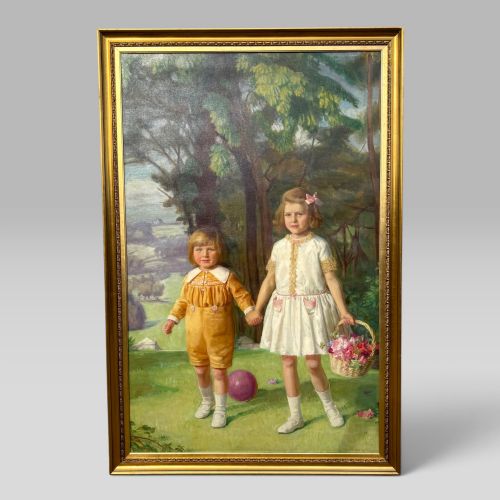
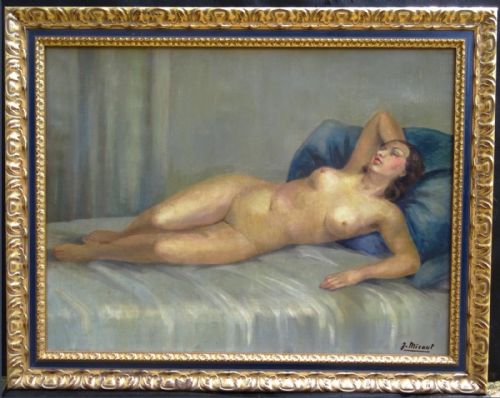
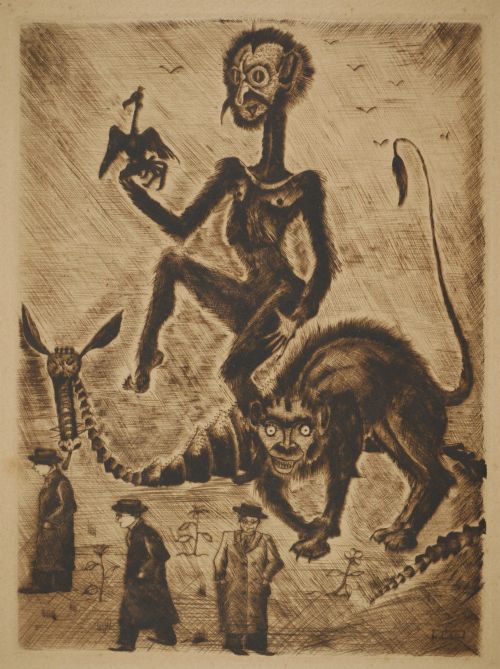
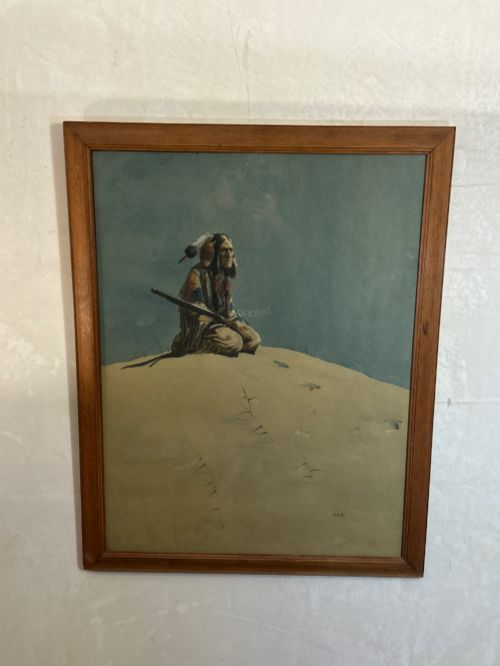
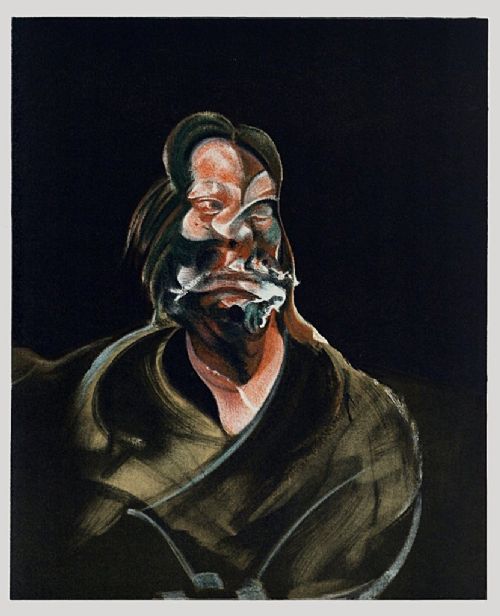
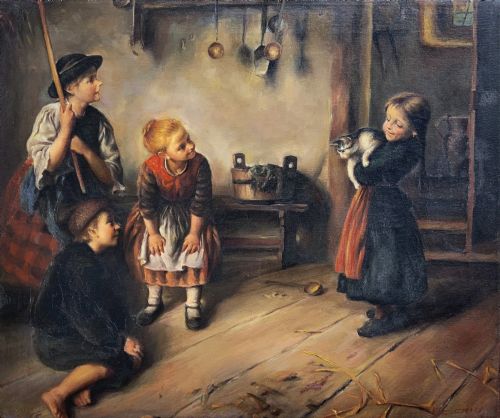
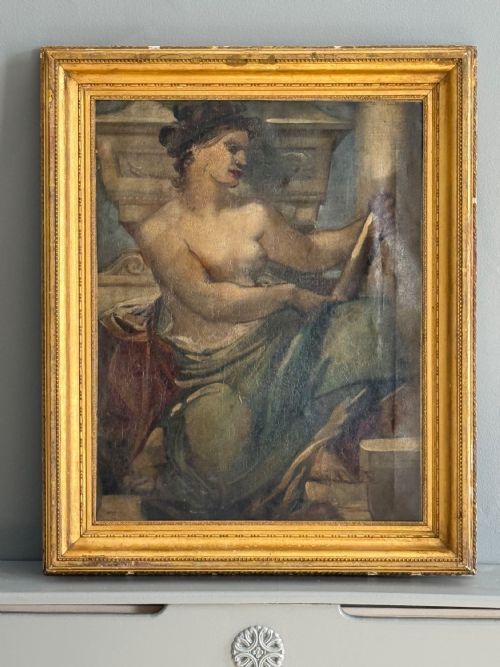
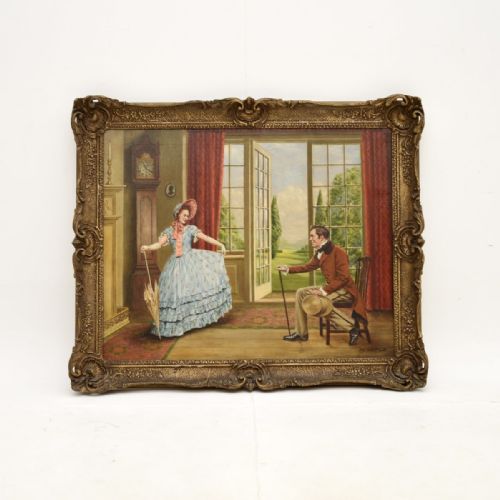
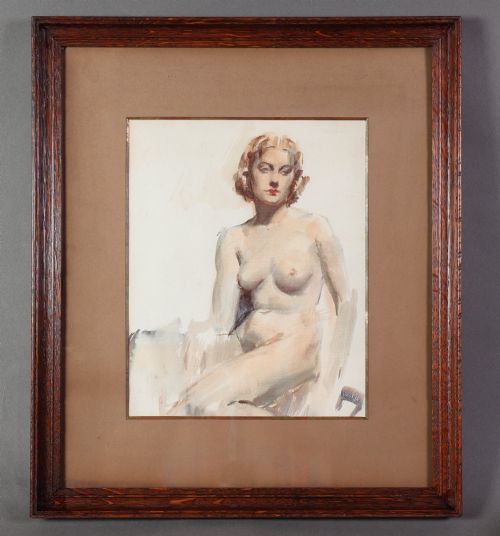
Vintage figurative artwork encompasses paintings, drawings, prints, and sculptures that portray people, ranging from formal portraits and intimate genre scenes to studies of the human form. Buyers searching this phrase encounter works executed in oil paint, watercolour, ink, pastel, and gouache, alongside etchings and lithographs.
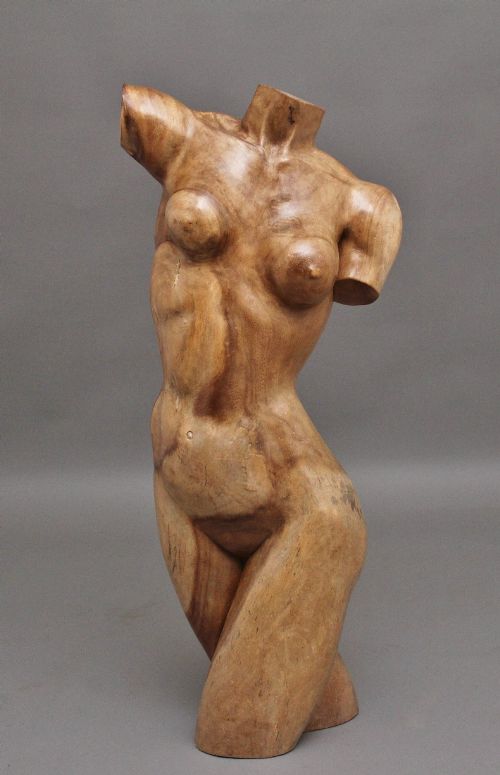
The pieces span periods from the nineteenth century through the mid-twentieth century, capturing shifts in artistic expression including Impressionism, Post-Impressionism, Art Deco, and Modern British movements. Portraits of individuals, dancers, and everyday workers dominate the forms available on this page, alongside life-size carved torsos and symbolic compositions.
How They Were Made
Artists built these works using traditional supports such as canvas, paper, and wood panels, applying media that included oil paint, watercolour, ink, and impasto. Canvas allowed for rich layering of oils, while paper accommodated fluid watercolour washes, delicate pastel strokes, and precise ink lines.
Sculptural pieces from the period involved direct carving of wood to produce life-size female torsos and other figurative forms. Printmakers utilised techniques such as etching, lithography, and pochoir to produce limited editions on paper.
Several artists captured subjects mid-movement, preserving dancers backstage at the Scala and figures caught in quiet morning routines.
What Varies in Quality
The strength of composition and sureness of line separate masterworks from routine studio output, particularly in how the artist captures gesture and expression. Draftsmanship in the underlying drawing dictates the success of both oil paintings and rapid ink sketches.
The preservation of the medium also distinguishes pieces, with stable pigment adhesion, minimal surface craquelure, and well-maintained paper or canvas ensuring the longevity of the artwork.
Jacob Kramer·Kurt Lorein Victor Peiser·John Hassall·Francis Bacon·Alfred Lyndon Grace·Frank Dobson·Joseph Biel·James Stroudley·Francisco Sancha·Herbert Ashwin Budd·Charles Stuart Forbes·Beatrice Saunders·Lena Gurr·Winifred Rymer·Henry Windsor Fry·Christine Nesbit·J.A. Grant·John Meredith·Philippe de Rougemont·Charles James McCall·Pablo Picasso·Umberto Volpato·Valdemar Magaard·Percy Lancaster
The Vintage Figurative Artwork Glossary
- Impasto
- Paint applied thickly to a canvas or panel, standing out in relief from the surface. This technique creates a textured quality that catches light and adds physical depth to figurative subjects.
- Gouache
- An opaque water-based paint that dries to a matte finish. Artists combine it with watercolour or pastel to build solid areas of colour and sharp highlights on paper.
- Lithograph
- A print produced from a flat stone or metal plate treated to retain ink in designated areas. Artists use this method to create multiple faithful reproductions of original drawings.
- Genre painting
- The pictorial representation of scenes from everyday life, typically depicting ordinary people engaged in common activities. These works provide social context alongside human depiction.
- Etching
- A printmaking process where lines are incised into a metal plate with acid before receiving ink. The resulting impressions display fine linear detail and tonal variation.
Vintage Figurative Artwork: Frequently Asked Questions
What defines a figurative artwork?
Figurative artwork depicts recognisable subjects from the real world, primarily human figures, rather than abstract forms. This category includes portraits, nudes, dancers, and scenes of daily life.
Artists across the nineteenth and twentieth centuries used these human subjects to explore emotion, narrative, and changing stylistic movements.
How do I care for works on paper?
Works on paper, including watercolours, drawings, and prints, require protection from direct sunlight to prevent fading. Framing with acid-free mounts and UV-filtered glass safeguards the medium from environmental damage.
Maintaining stable indoor humidity levels prevents warping and deterioration of the paper support over time.
What is the difference between an oil painting and a print?
An oil painting is a unique, hand-painted work created by applying pigment suspended in oil onto canvas or wood. Each brushstroke is singular and directly applied by the artist.
A print is a multiple reproduction created using a master plate, stone, or block, such as a lithograph or etching.
How do I date a vintage portrait?
Dating a portrait involves examining clues such as clothing styles, hairstyles, and framing techniques characteristic of specific decades. Signatures, dates inscribed on the reverse, and artist records provide definitive chronological markers.
Materials and canvas types also offer evidence of the manufacturing period.