




Vintage Ink Portrait
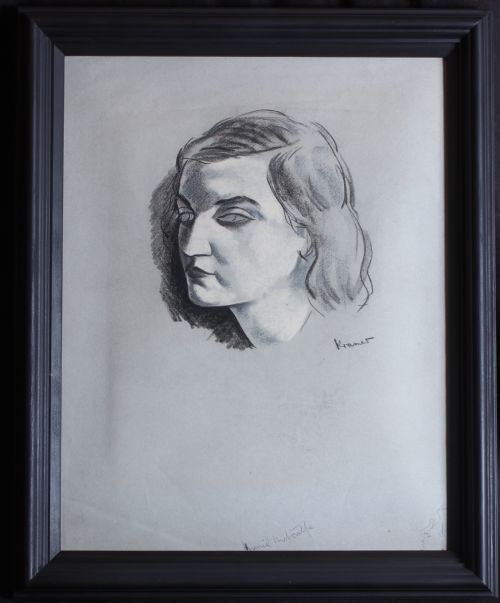
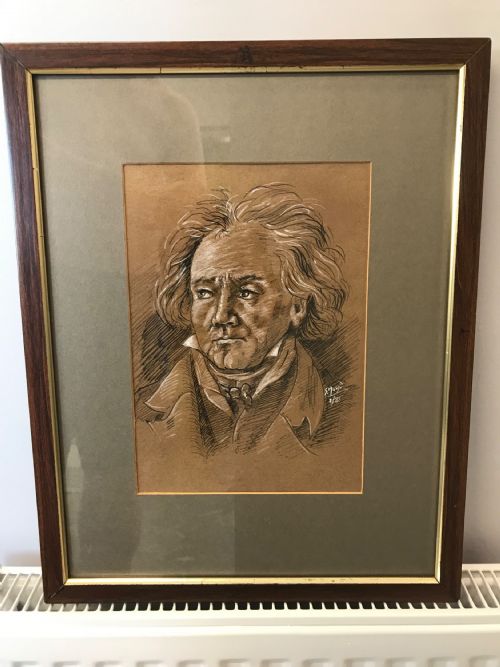
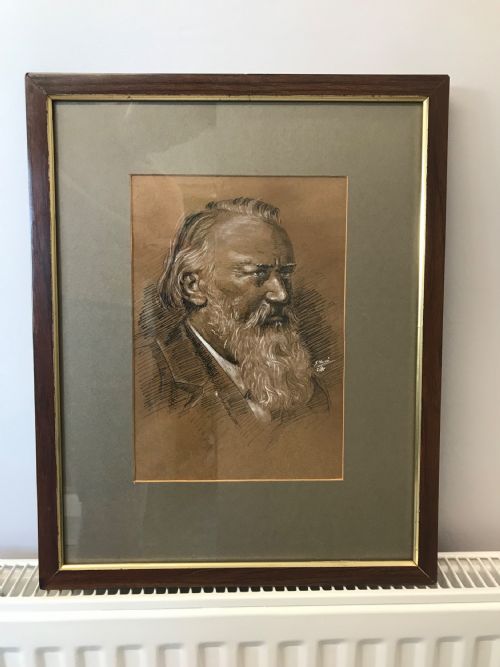
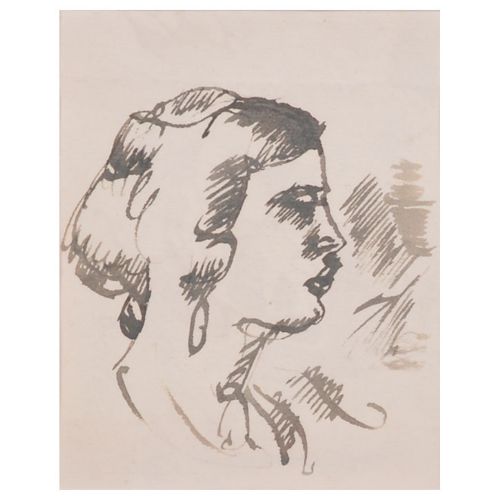
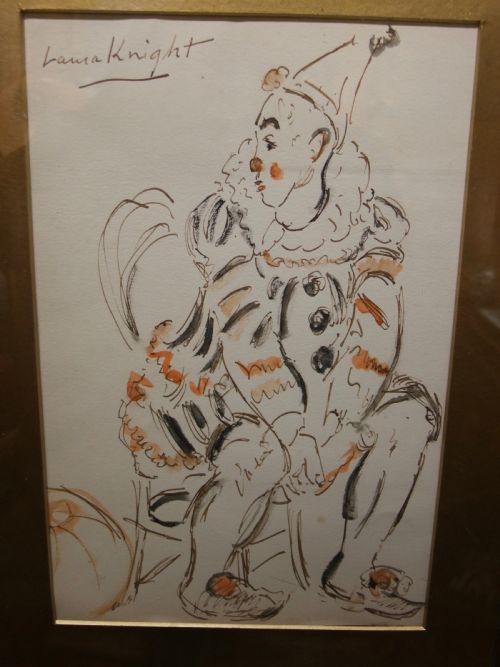
A vintage ink portrait captures character through swift line and tone, offering an intimate glimpse into past lives.
Vintage Ink Portrait
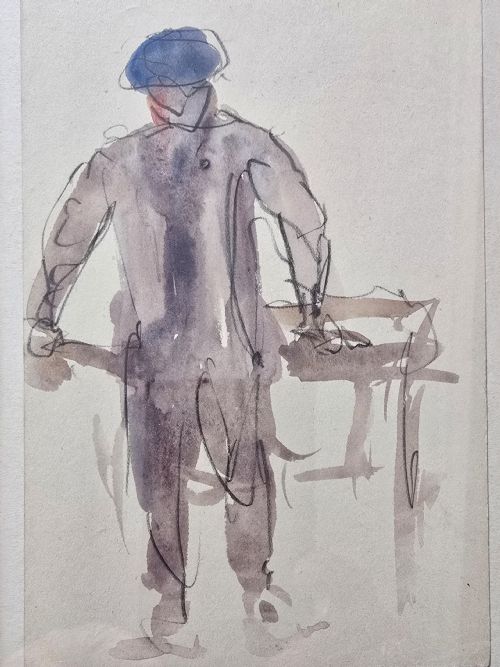
A vintage ink portrait presents a likeness drawn on paper, often combined with media such as watercolour, gouache, or wash, spanning periods from the nineteenth century through the mid-twentieth century.
These works range from academic realism and silhouette portraits to modern British and mid-century studies, housed in frames of wood or giltwood.
How they were made
Artists utilise pen and ink on paper, frequently applying washes or gouache to build depth and shadow beneath or over the linework.
Framing typically involves glass protection set within wood or giltwood frames, occasionally featuring scroll mounts.
Listings feature works on paper spanning the nineteenth century through the mid-twentieth century, including pieces executed in ink, watercolour, gouache, and charcoal.
What varies in quality
Quality rests upon the sureness of the draughtsmanship and the expressive economy of the line, which separates a mechanical likeness from a perceptive study of the sitter.
The preservation of the paper and the integrity of the ink against fading dictate the visual strength of the piece over time.
Jacob Kramer·Michael Healy·Alfred Darbyshire·Lucien Freud·YA MING·Johan Noah Bemmel·Herbert Dicksee·John Duncan Fergusson·Dame Laura Knight
The Vintage Ink Portrait Glossary
- Wash
- A diluted layer of ink or watercolour applied to paper to create smooth tonal gradations behind or across linework. This technique adds atmospheric depth to a monochrome drawing.
- Gouache
- An opaque watercolour paint containing a binding agent that provides solid matte highlights. It is frequently layered over ink to accentuate light and form.
- Silhouette
- A solid profile portrait filled in with a dark pigment, most commonly cut from paper or painted. These works rely entirely on contour to convey identity.
- Etching
- A printmaking process where acid bites lines into a metal plate to hold ink for transfer to paper. It produces fine, crisp lines characteristic of works on paper.
- Giltwood
- Wood carved and coated with gold leaf or gilt finish, commonly used for period picture frames. It provides a reflective border that complements works on paper.
Vintage Ink Portrait: Frequently Asked Questions
What is a vintage ink portrait?
A vintage ink portrait is an original drawing on paper utilising pen, ink, and often supplementary washes to depict a human subject. These works span various historical periods from the nineteenth century to the mid-twentieth century.
They appear in diverse styles ranging from strict academic realism to looser modern interpretations, reflecting the artistic approaches of their respective eras.
How should I hang works on paper?
Works on paper require protection from direct sunlight to prevent the ink and any accompanying watercolour from fading over time. Maintaining stable indoor humidity prevents the paper support from cockling or developing foxing spots.
Framing with UV-filtered glass safeguards the delicate medium while allowing the drawing to be safely displayed in domestic spaces.
How do I date a silhouette?
Dating a silhouette relies upon the framing materials, the style of the paper support, and the costume or hair styling depicted in the profile. Nineteenth-century examples often utilise specific card stocks and distinct frame profiles.
Written inscriptions on the reverse, where present, can also offer clues regarding the sitter and the date of execution.
What is the difference between ink and etching?
An ink drawing is a unique, direct application of pigment onto paper by the hand of the artist. Each line is drawn individually using a pen or brush.
An etching is an engraved print pulled from a prepared metal plate, meaning multiple impressions can theoretically exist, although each print remains a work on paper.