
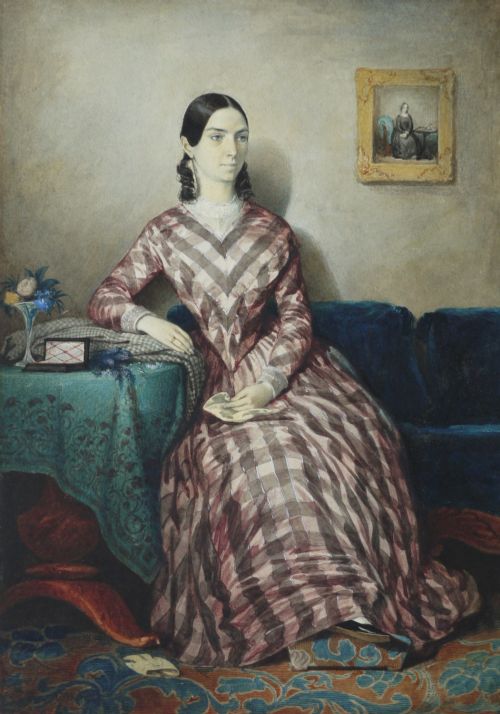
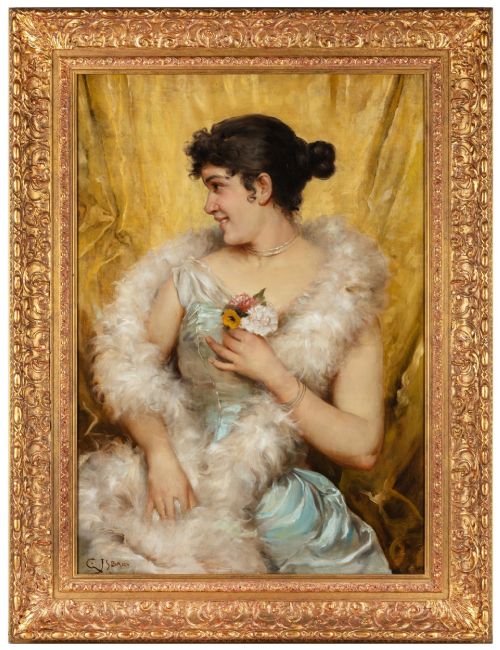
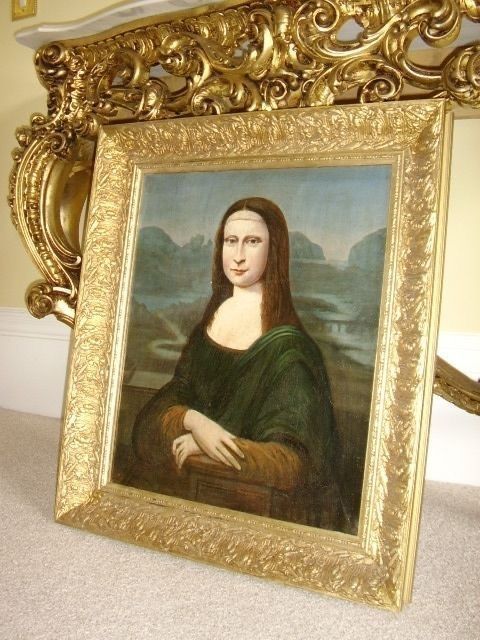


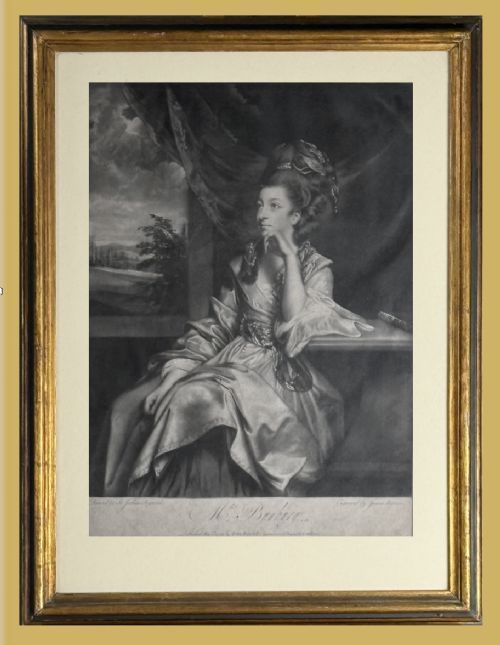
Vintage Female Portrait Art
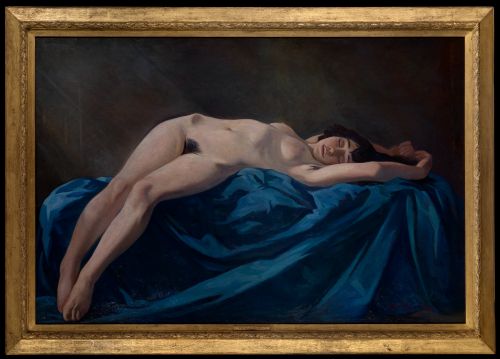
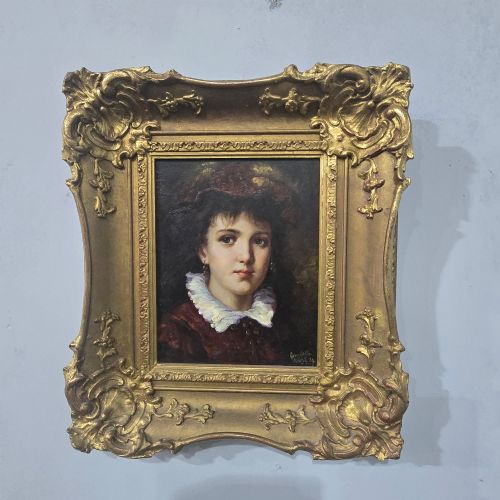
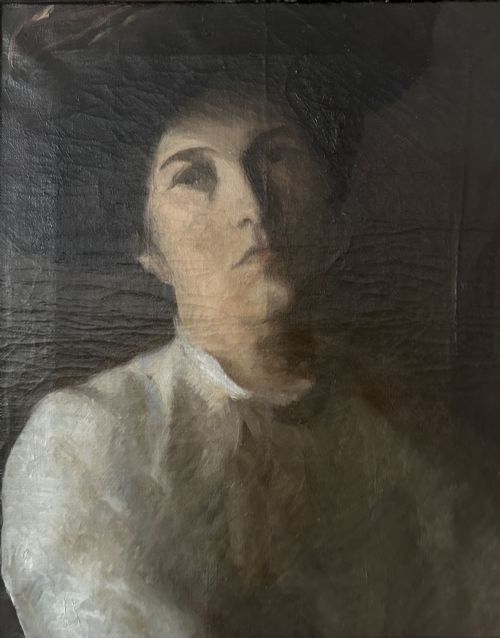
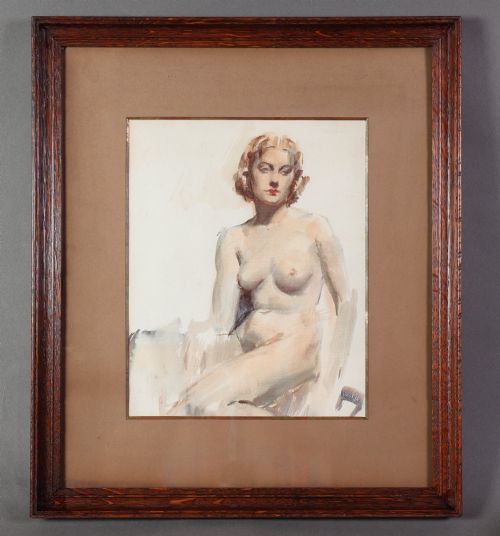
Vintage female portrait art brings together centuries of painted likenesses, from canvas oils to delicate pastels.
Vintage Female Portrait Art
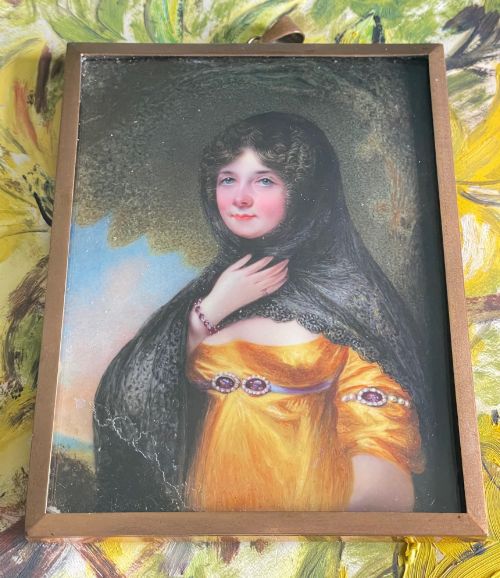
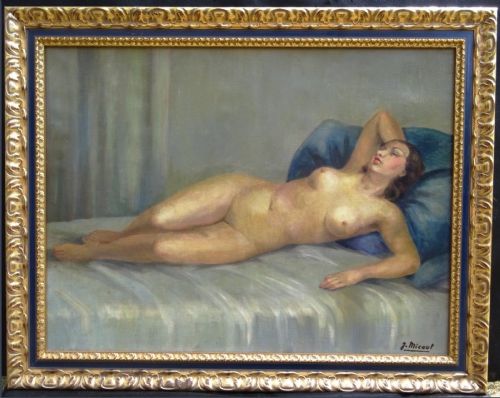
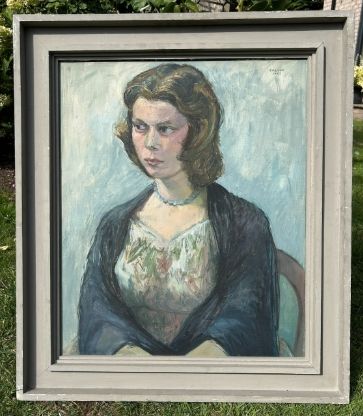
Vintage female portrait art comprises framed oil paintings, watercolours, prints, and sculptures depicting women across diverse historical periods. When searching for vintage female portrait art, buyers encounter works ranging from 17th-century nobility studies to mid-century modernist depictions.
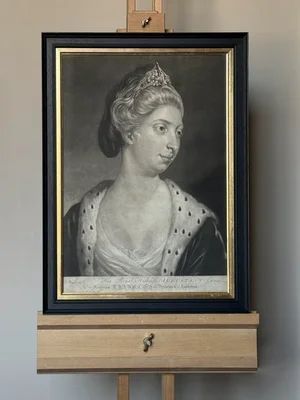
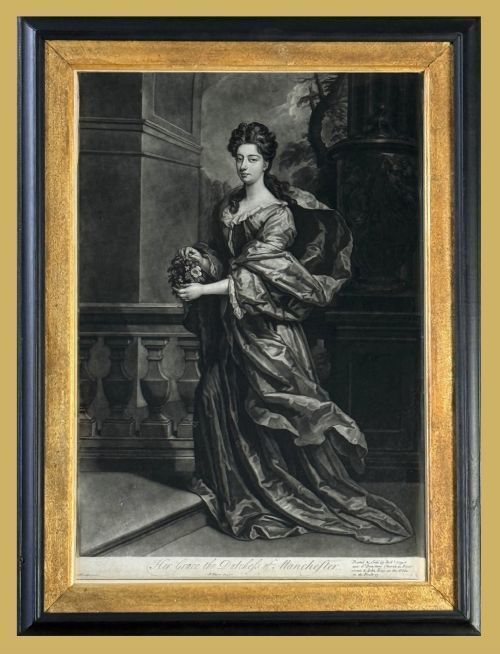
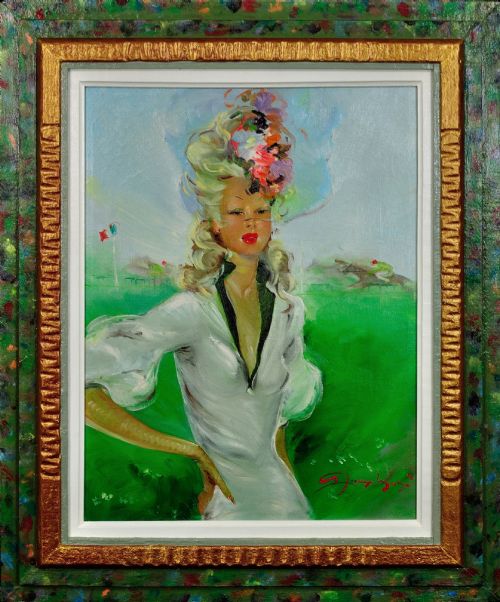
The selection on this page leans heavily into oil on canvas and oil on board, supplemented by pastel drawings, enamel miniatures, alabaster busts, and mezzotint prints. Subjects include known historical figures, artists' self-portraits, and anonymous beauties captured by British and European schools.
How they were made
Many of these pieces utilise oil paint applied to stretched canvas or wooden panels, whilst others employ watercolour and pastel on paper. Printmakers utilised copper plates to produce mezzotints and hand-coloured etchings reproducing earlier painted compositions.
Framed works frequently combine wood and glass to protect the surface, and sculptures are shaped from alabaster. Enamel miniatures require delicate kiln-firing techniques on metallic surfaces to secure the pigment.
One artist captured herself firmly at the easel with a paint palette, ensuring she remained permanently at work.
What varies in quality
Quality rests upon the skill of the brushwork and the precision with which the sitter's expression and clothing are rendered. Finer pieces demonstrate a confident command of light and shadow, particularly in the treatment of skin tones and textiles.
The strength of attribution also elevates a piece, distinguishing signed works by recorded artists from anonymous school paintings. Preservation of the original canvas, panel, and pigments further determines the standing of an individual work.
John Hayls·Horace Hone·Kenneth Cozens·Eric Robertson·Florence Small·Louis Icart
The Vintage Female Portrait Art Glossary
- Mezzotint
- A printmaking process where the copper plate is roughened to achieve rich tonal gradations. This technique allows for subtle shadows and soft transitions in portraiture.
- Enamel
- A glassy substance fused to metal through heat to create a durable painted surface. It maintains vibrant colour over long periods without fading.
- Mezzotint portrait
- A printed likeness produced via the mezzotint method, often reproducing an oil painting by a prominent master. James Watson and John Faber Jr utilised this method.
- Alabaster
- A fine-grained mineral carved to create sculptural busts and figures. Its smooth, translucent quality mimics the appearance of marble.
- Hand-coloured etching
- An engraved metal plate print that receives colour by hand after printing. Louis Icart utilised this method for graphic works.
Vintage Female Portrait Art: Frequently Asked Questions
What periods do these portraits cover?
The available artworks span from the 17th century through the Regency and Victorian eras into the mid-20th century. Earlier examples often depict nobility, whilst later 20th-century pieces explore modernist and impressionist styles.
Buyers will find that each era introduces distinct clothing styles, painting techniques, and colour palettes that help contextualise the artwork.
Are all the portraits painted in oils?
Oil on canvas and oil on board form a large portion of the collection, but the medium varies significantly. The selection also includes watercolours, pastels, enamel miniatures, alabaster sculptures, and printed mezzotints.
Each medium offers a different visual texture, from the heavy impasto of mid-century oils to the delicate precision of paper-based pastels.
How should I display vintage portraits at home?
These framed works and sculptures suit traditional gallery walls, living rooms, and studies where lighting can highlight the detail of the subject. Pairing oil paintings with period frames enhances their visual presence in a room.
Placement should avoid direct sunlight to protect pigments, particularly on works executed on paper or canvas.
How can I identify the subject of a portrait?
Some pieces name the sitter directly in the title or through accompanying inscriptions on the reverse, depicting historical figures or named nobility. Anonymous portraits rely on clothing, hairstyles, and accessories to suggest the sitter's social standing and period.
Costume details, such as ruffs, bonnets, or modern necklaces, provide strong clues regarding the decade in which the portrait was created.