



Seventeenth Century Portrait Painting
A seventeenth century portrait painting brings aristocratic presence and layered history into a room through masterful oil brushwork.
Seventeenth Century Portrait Painting
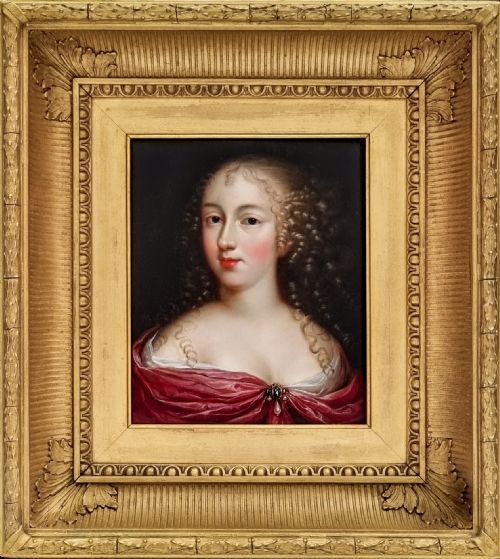
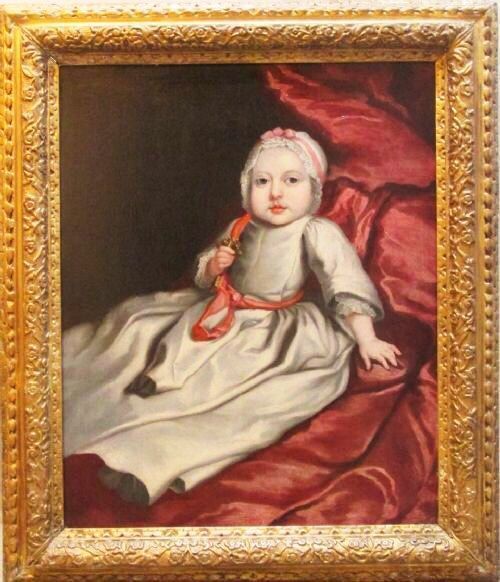
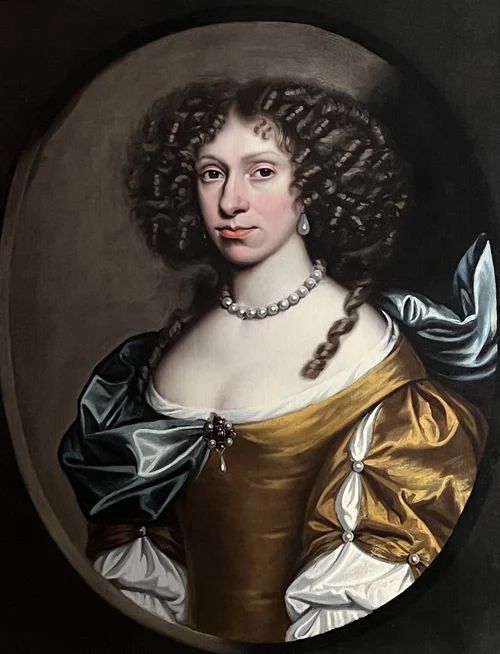
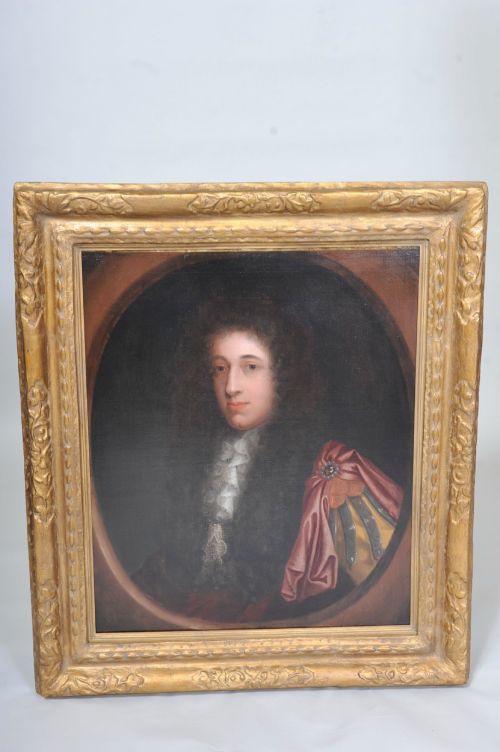
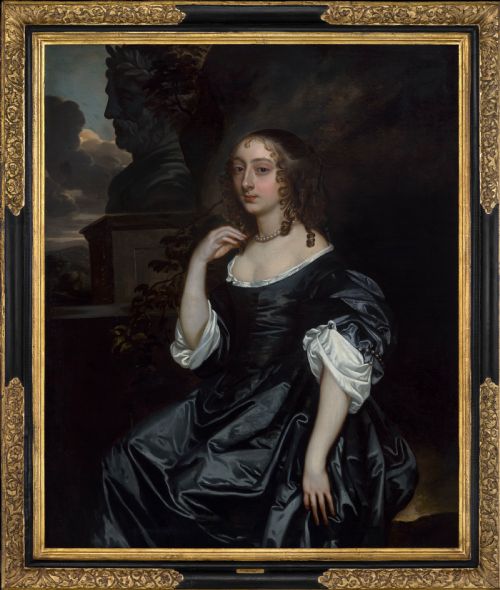
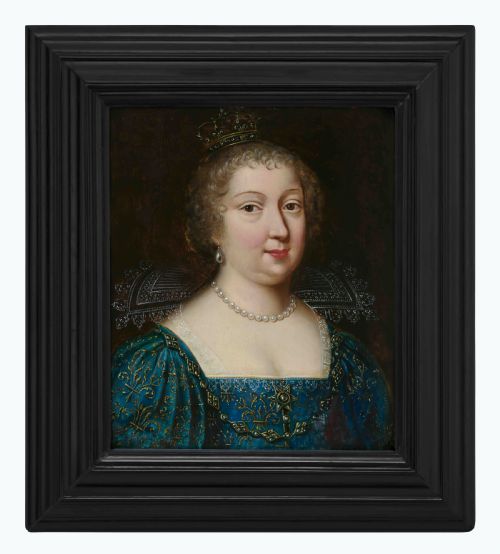
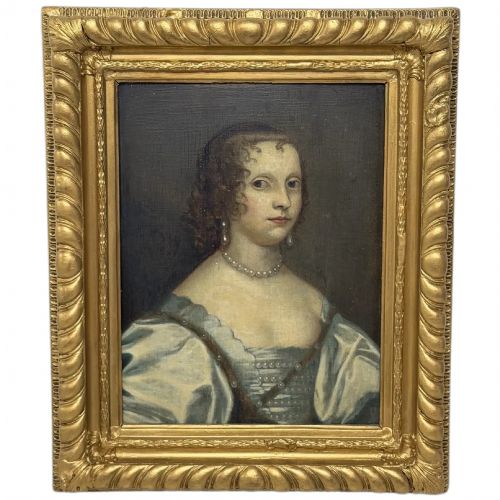
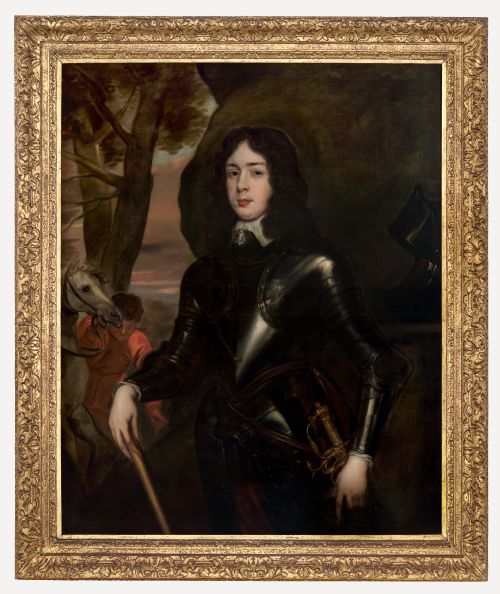
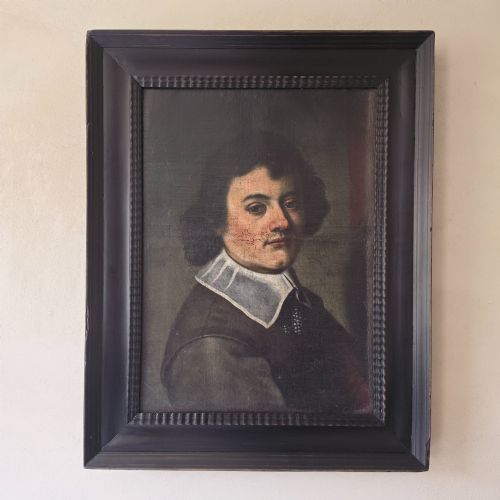
A seventeenth century portrait painting captures aristocratic sitters, military officers, clergymen, and royals rendered during the Baroque and Stuart eras. These works range from intimate panel depictions to grand canvases framed in period giltwood.
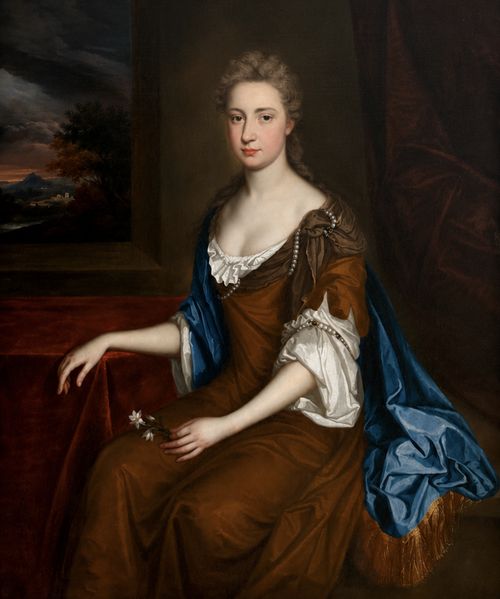
Buyers encounter subjects such as named nobles, anonymous gentlemen, and ladies adorned with pearls or exotic birds. Many pieces emerge from British, Dutch, and Flemish schools reflecting continental artistic traditions.
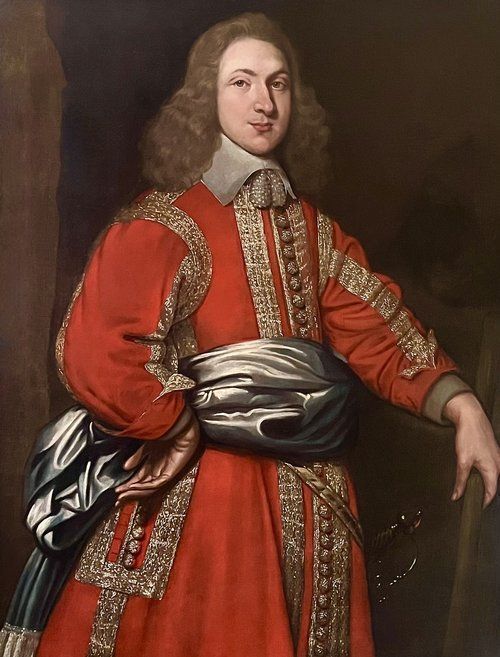
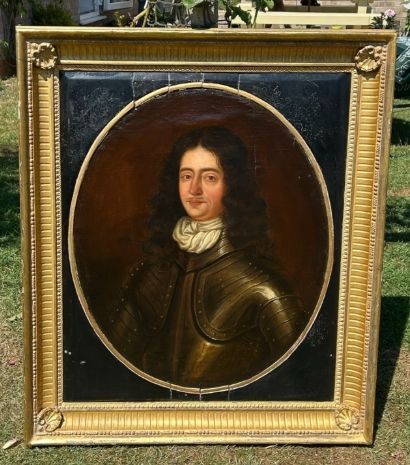
Compositions frequently present sitters in ornate armour, rich red coats, or formal court dress, reflecting the social hierarchies of the period. Studio followers and circle artists frequently replicate the grand manner of prominent masters.
Materials and Construction
Artists painted primarily with oil on canvas or oak panel, employing refined layers of pigment to achieve depth in textiles and flesh tones. Canvases are typically stretched over timber frames and housed in decorative giltwood mouldings.
Giltwood frames utilise applied gold leaf over gesso and wood substrates, providing a reflective border that complements the rich dark palettes of the paintings. Panels provide a rigid ground favoured by earlier northern European workshops.
Several noble sitters share space with an exotic bird, a favourite hunting dog, and a gentleman caught in the act of drinking.
Assessing Quality and Execution
Quality rests in the anatomical precision of the hands and face, the lifelike rendering of lace and fabric textures, and the handling of light across the subject. Superior works display confident brushwork in the drapery and subtle psychological depth in the expression.
The distinction between a named master, a contemporary studio hand, and a later follower determines the standing of the work. Original seventeenth century execution differs fundamentally from later nineteenth century interpretive copies through pigment maturity and canvas weave.
Sir Peter Lely·Michael Dahl·Nicolaes Maes·Pieter Nason·Samuel Cooper
The Seventeenth Century Portrait Painting Glossary
- Baroque
- An artistic style prevalent during the seventeenth century characterised by dramatic lighting, rich colour, and dynamic movement. This approach emphasises emotional intensity and grand scale in portraiture.
- Oil on Canvas
- Pigment mixed with drying oil applied to a woven textile support. This combination allowed artists to create subtle tonal gradations and rich textures.
- Giltwood
- Wood carved and coated with gold leaf or metallic powder. These frames are traditional accompaniments to fine art paintings of the period.
- Circle of
- A designation indicating an artist worked closely alongside a master in the same workshop or environment. These painters absorbed the direct stylistic methods of the principal figure.
- Panel Painting
- An artwork executed on a flat piece of wood rather than stretched fabric. Oak was the predominant wood utilised by northern European workshops for this purpose.
Seventeenth Century Portrait Painting: Frequently Asked Questions
How do I identify a seventeenth century portrait painting?
Examine the costume, wig style, and ruff or collar, which follow strict historical periods between sixteen hundred and seventeen hundred. Pigment analysis and canvas characteristics also help confirm the age of the materials.
Look for inscriptions naming the sitter or the artist, though these can sometimes be added later. Comparing the handling of lace and hair with authenticated works from the same school clarifies attribution.
What is the difference between studio work and an original master?
An original master painting comes directly from the hand of the named artist, whereas studio works involve assistance from pupils or apprentices. Masterpieces display superior confidence in the brushwork and greater psychological depth.
Studio pieces often replicate successful compositions produced by the primary workshop. Both categories hold historical significance, but market interest generally favours pieces with direct attribution.
How should I care for an antique oil painting?
Keep the artwork away from direct sunlight, extreme temperature shifts, and high humidity to prevent the canvas from slackening and the paint from cracking. Gentle dusting with a soft, dry brush is sufficient for maintenance.
Avoid using water or chemical cleaners on the paint surface or the giltwood frame. Professional conservators should handle any structural repairs or cleaning of discoloured varnish.
Why do some portraits depict sitters in armour?
Armour served as a symbol of military rank, nobility, and martial readiness during the turbulent political conflicts of the seventeenth century. Many royalists and military officers chose this attire to project authority and status.
Even when sitters had limited active military service, portrait painters utilised standard armour props in the studio. This convention aligned the subject with classical ideals of heroism and steadfastness.