





Vintage Female Figure Painting
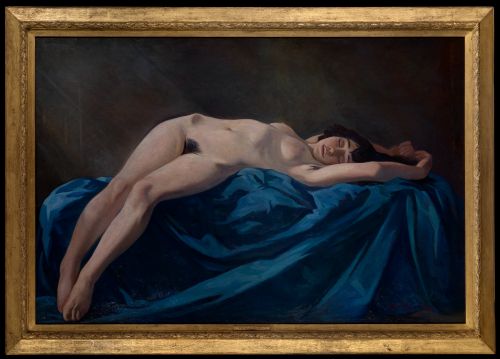
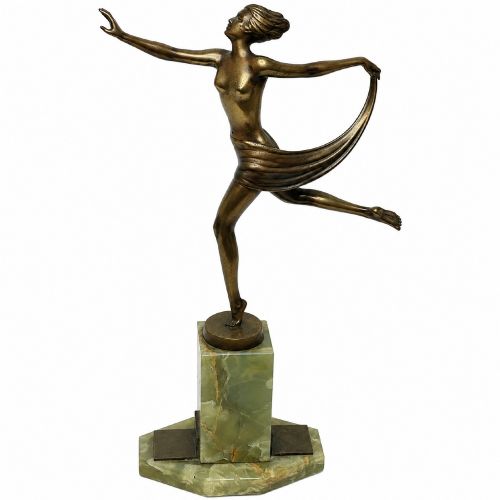
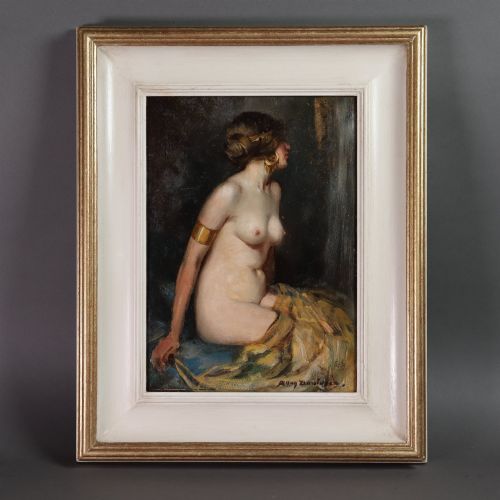
These vintage female figure painting examples capture the human form through oil on canvas and bronze, bringing expressive depth to any room.
Vintage Female Figure Painting
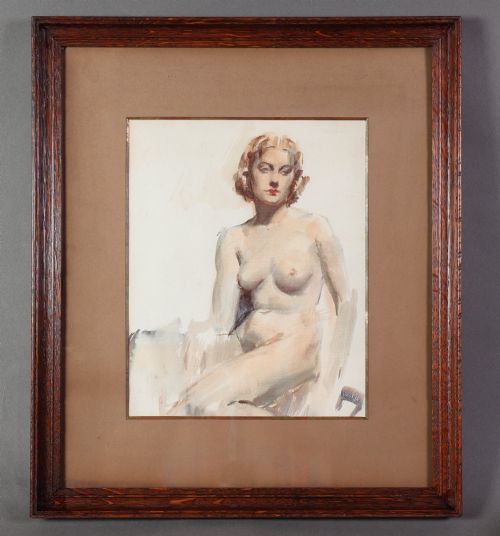
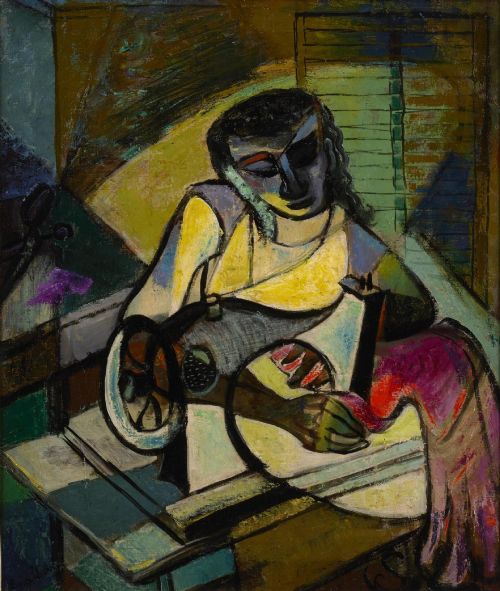
A vintage female figure painting encompasses canvas works and sculptural representations created across the nineteenth and twentieth centuries. Buyers search this phrase to find expressive depictions of women rendered through traditional oil paint and bronze casting.
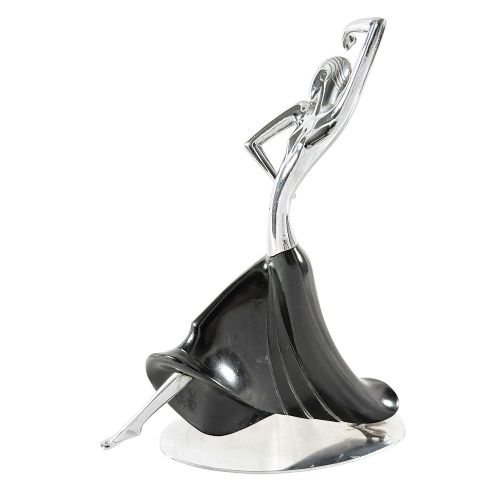
The selections available here lean heavily into early twentieth-century production, particularly Art Deco and modernist interpretations. These pieces range from intimate seated studies to dynamic dancing figures set upon marble bases.
European workshops dominate the origins of these works, spanning British, French, Austrian, and Swedish hands. Collectors encounter both signed canvases from known artists and evocative studies produced by anonymous regional schools.
Materials and construction methods
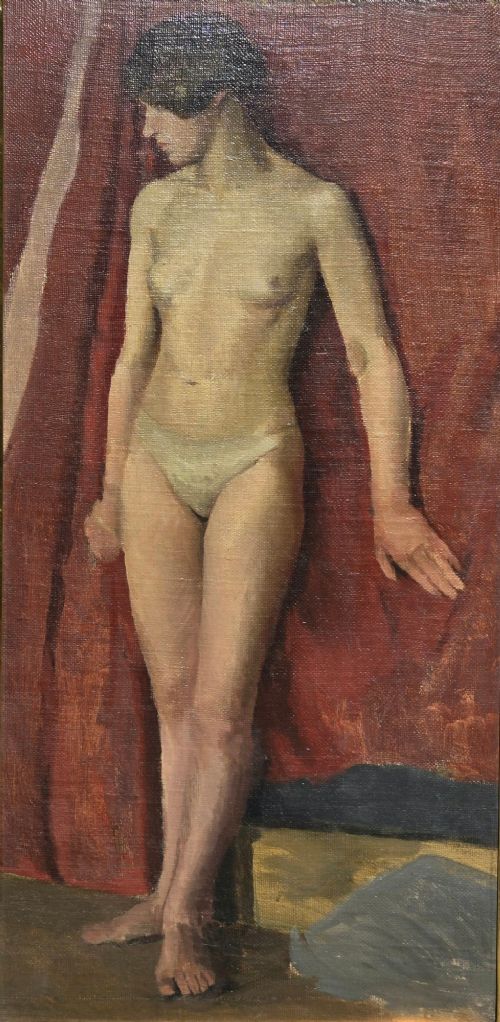
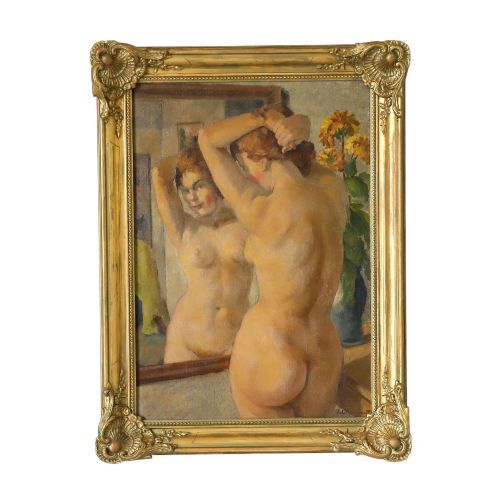
Oil on canvas forms the core of the pictorial works, utilising rich pigments applied with traditional brushwork or impressionist techniques. Wooden supports and paper also appear as secondary mediums for painted studies.
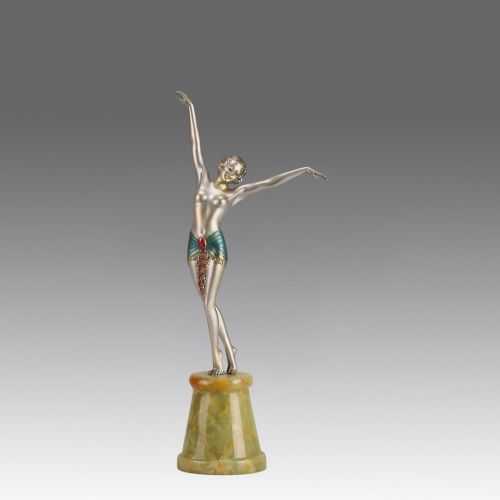
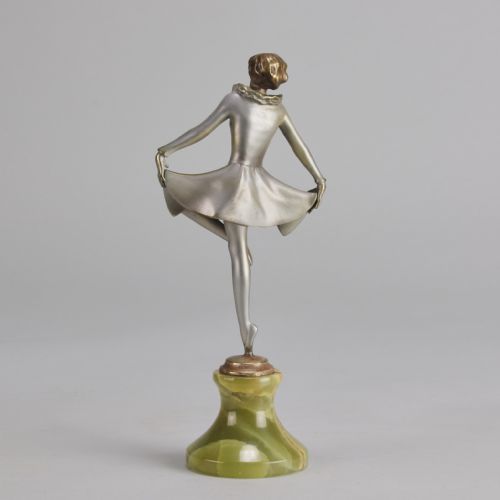
Sculptural pieces rely on cold-painted bronze, spelter, and carved marble, frequently combining multiple substances in the chryselephantine tradition. Metal figures receive hand-painted polychrome finishes or metallic plating to accentuate the clothing and contours.
Physical mediums recorded across the inventory include onyx, wood, bronze, oil on canvas, and marble.
Measures of quality and execution
Quality rests in the anatomical precision of the drawing and the expressive power of the brushwork. Superior painted examples display confident handling of light across the skin and drapery, whereas lesser works remain stiff and formulaic.
In sculptural pieces, the sharpness of the cold-painting and the integrity of the casting determine the tier. Fine metalwork preserves delicate facial expressions and crisp costume details without surface pitting.
Pierre le Faguays·Ferdinand Preiss·Josef Lorenzl·Philippe de Rougemont·Allan Douglas Davidson·Pinchus Kremegne·Jean Hippolyte Marchand·Erté
The Vintage Female Figure Painting Glossary
- Cold-painted bronze
- A metal casting technique where paint is applied to a cold bronze surface rather than fired in a kiln. This method allows for intricate polychrome details on clothing and hair.
- Chryselephantine
- A sculpture created using a combination of bronze and ivory. The term derives from ancient Greek traditions denoting gold and ivory work.
- Spelter
- A zinc alloy frequently utilised as an economical alternative to bronze during the Art Deco period. It takes patination and metallic paint finishes readily.
- Impressionism
- An art movement focused on capturing the visual impression of the moment through small, thin yet visible brush strokes. It prioritises an accurate depiction of light in its changing qualities.
- Modern British
- An umbrella term for art produced in Britain during the twentieth century that embraced modernist principles. It bridges traditional figuration and avant-garde abstraction.
Vintage Female Figure Painting: Frequently Asked Questions
How do I care for an oil painting?
Keep the canvas away from direct sunlight and fluctuating humidity to prevent cracking in the paint layer. Dust the surface gently with a soft, dry brush without applying pressure.
Avoid using water or chemical solvents on the paint surface. Consult a professional conservator if the canvas requires cleaning or structural repair.
What is the difference between bronze and spelter?
Bronze is a heavy alloy of copper and tin known for its durability and fine casting capabilities. Spelter is a softer zinc-based metal that feels lighter and requires careful handling to prevent breakage.
Visual inspection under a magnifying glass often reveals the underlying greyish metal of spelter if the surface plating chips. Bronze develops a stable, rich patina over decades of exposure to air.
How can I date a painted study?
Examine the preparation of the canvas, the type of stretcher frame used at the back, and any inscriptions or signatures. Stylistic markers such as Art Deco geometry or Impressionist brushwork also point to specific decades.
Compare the framing materials with historical standards, noting that older pieces frequently retain original frames that corroborate the period.
Where should I hang these figures?
Select a wall with stable ambient temperatures away from radiators and direct heat sources. Neutral background tones allow the intricate brushwork and rich colour palettes of the figures to stand out.
Ensure the mounting hardware matches the weight of the framed canvas or sculptural shelf. Proper lighting from an adjustable picture lamp enhances the depth of the oil paint.