




Blue Canvas Painting
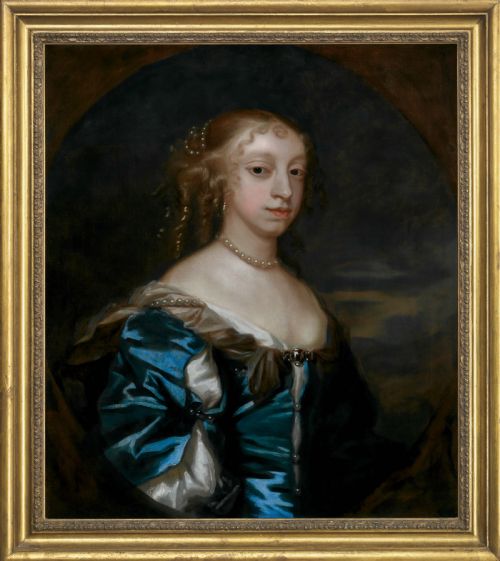
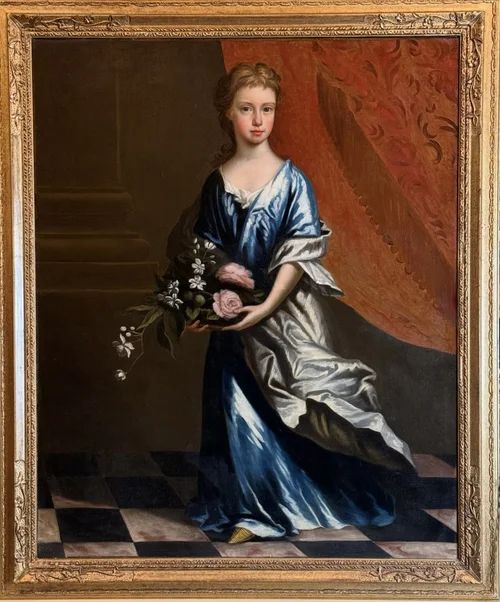
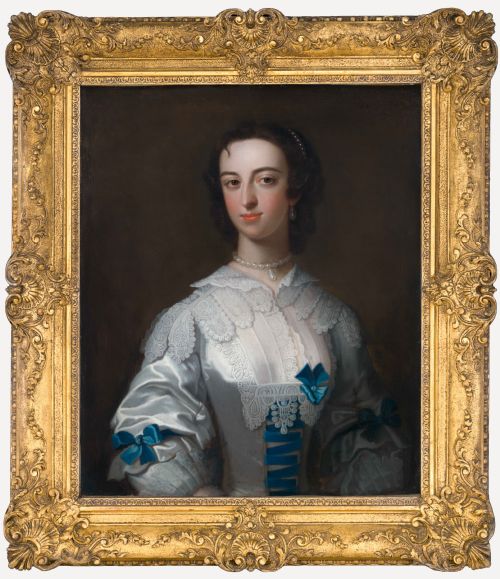
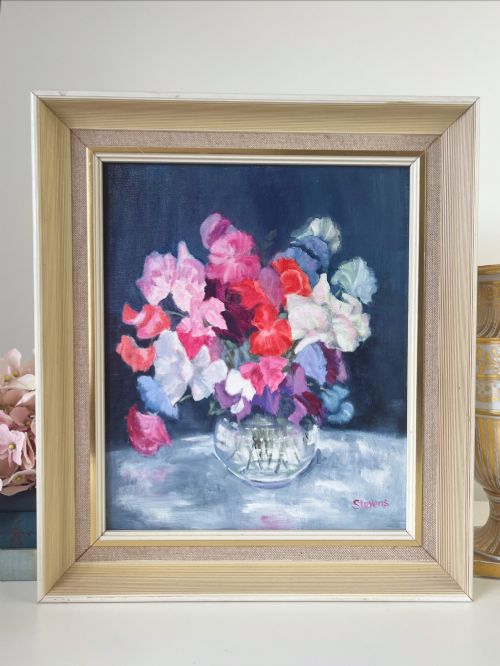
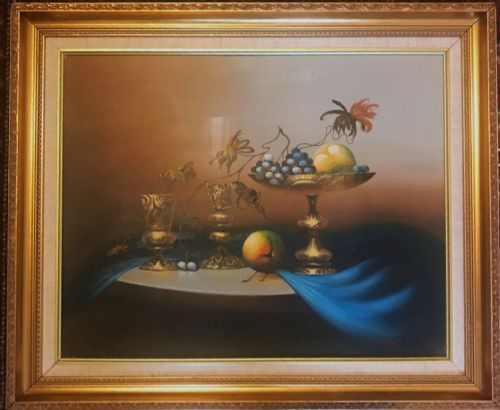
When collectors search for a blue canvas painting, they discover centuries of portraiture and still life where blue drapery, coats, and vessels anchor the composition.
Blue Canvas Painting
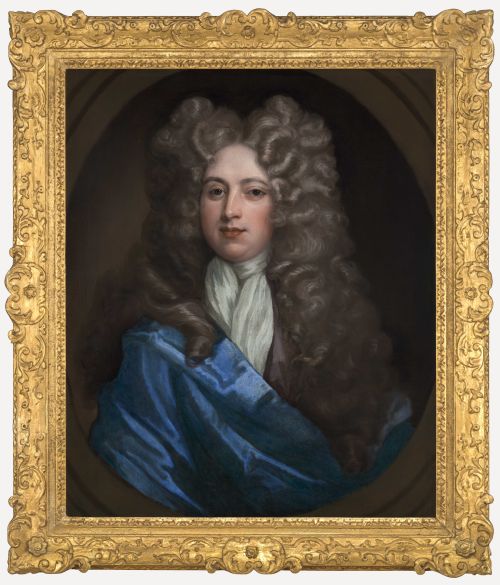
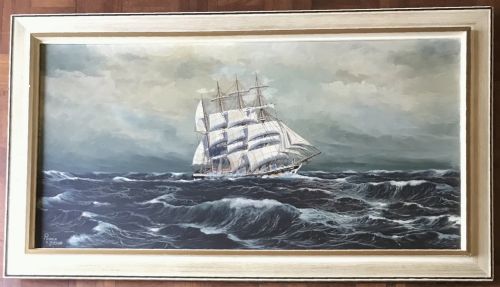
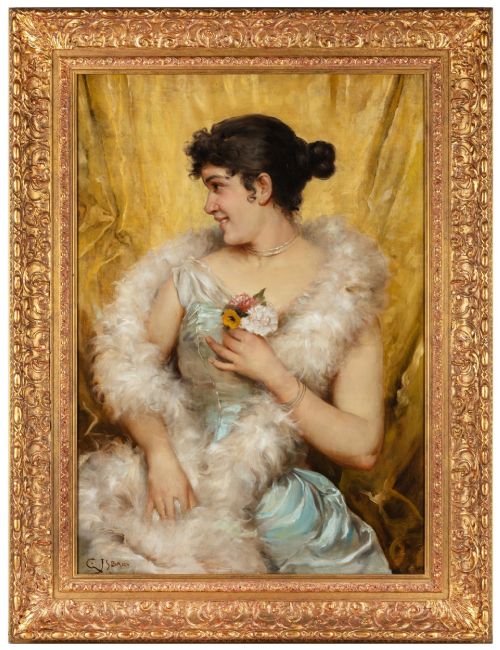
A blue canvas painting encompasses oil portraits, marine views, and still lifes spanning from the seventeenth century through the modern era. Buyers searching this phrase most frequently encounter seventeenth and eighteenth-century British and European portraiture featuring sitters adorned in blue mantles, gowns, or coats.
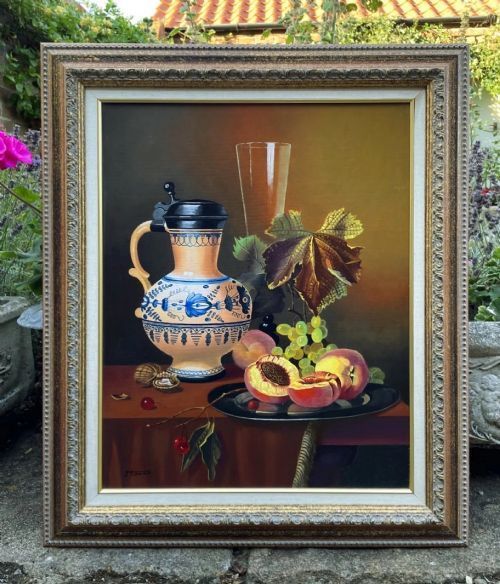
The selection also includes nineteenth-century landscape and marine works alongside twentieth-century still life studies. Across these forms, canvas serves as the primary ground for layered oil pigments applied by named masters, studio circles, and regional schools.
How They Were Made
Artists built these works using oil paint applied to woven canvas stretched over wooden frames, often supported by period giltwood mouldings. The technique relies on rich ground layers and nuanced glazing to render textiles such as silk and velvet.
Pigments were worked with brushes and knives to capture the depth of blue mantles, twilight skies, and shadowed interiors. Many surviving pieces retain their original stretchers and historic frames finished in gilt leaf.
Several seventeenth-century noblewomen hold plucked oranges in their portraits, reminding us that citrus fruits were once astonishing luxury accessories.
What Varies in Quality
Preservation of the original canvas grain, minimal relining, and the survival of documented attributions elevate an example. Secondary elements, such as the crisp carving of a period gilt frame, further separate exceptional pieces from standard items.
John Hayls·Charles Jervas·Jeremiah Davison·Michael Dahl·Thomas Murray·Pieter Borsseler·Lemuel Francis Abbott·Sir Joshua Reynolds·Charles D'Agar·Robert Byng·Bernard Gribble·Alfred Pollentine·Francis Moltino·Thomas Creswick·Albert Bierstadt·Enoch Seeman·Jonathan Richardson·Michael Dahl·Herman Verelst·Robert Levrac-Tournières·Sir Godfrey Kneller·Henry Pickering·John Closterman·Jurrien Beek
The Blue Canvas Painting Glossary
- Canvas
- A heavy woven fabric, typically linen or hemp, used as the primary support surface for oil paintings. It is stretched tightly over a wooden frame before painting.
- Giltwood
- Wood that has been coated with a thin layer of gold leaf or gold powder. This material frequently defines the ornate frames associated with antique portraiture.
- Mantle
- A loose, sleeveless cloak or shawl worn over the shoulders, frequently rendered in blue silk or velvet in seventeenth and eighteenth-century portraiture.
- Studio work
- A painting produced by assistants and pupils in the workshop of a master artist. These pieces often follow the master's established compositions and palette.
- Provenance
- The documented history of ownership of an antique object. A clear provenance helps confirm attribution and authenticity.
Blue Canvas Painting: Frequently Asked Questions
How do I date a blue canvas painting?
Dating relies on the sitter's costume, periwig style, and hair fashion, which shifted perceptibly every few decades. Canvas preparation, stretcher construction, and the style of the accompanying frame provide further chronological clues.
Comparison with documented portraits from the same period helps narrow the decade of creation. Archival signatures and exhibition labels on the reverse also secure the date.
What does attributed to mean?
An attribution indicates that the work shares the distinct hand, style, and period of a known master without carrying a signed signature. Experts assign these pieces based on stylistic comparisons with fully authenticated works.
This designation allows collectors to acquire museum-quality techniques by recognised artists at a more accessible level.
Why are blue pigments prominent in old portraits?
Blue drapery was utilised by portraitists to create dramatic contrast against neutral backgrounds and flesh tones. The colour denoted status and wealth through the historic cost of pigments like ultramarine.
Sitters frequently chose blue mantles or coats to project sophistication and modern fashion in formal sittings.