




Cornish School Painting
These cornish school painting works capture light and coastal life across centuries of artistic tradition.
Cornish School Painting
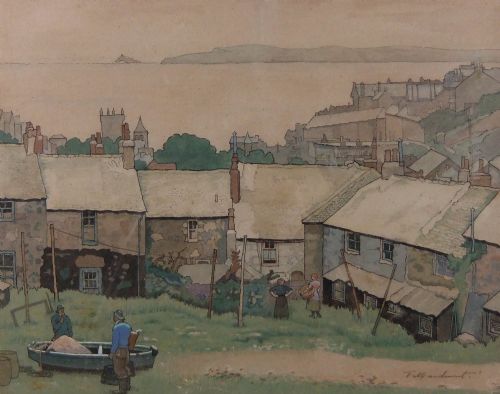
When you search for a cornish school painting, you encounter works rooted in coastal communities such as Newlyn and St Ives. These pieces capture local harbours, fisherfolk and landscapes through the lens of regional art movements.
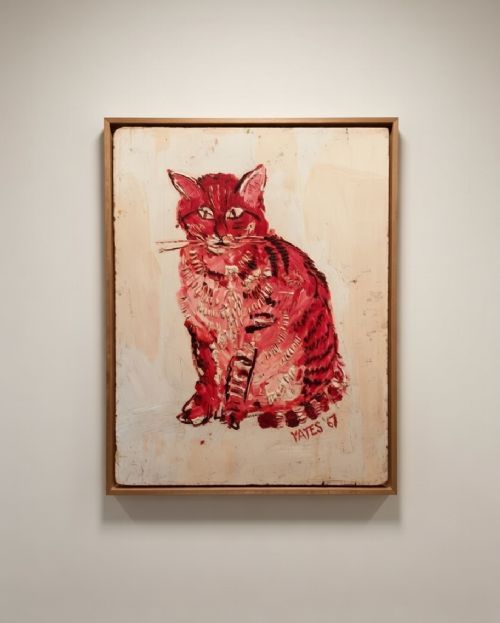
The selections available here range from early eighteenth-century portraits and nineteenth-century marine scenes to twentieth-century modernism and mid-century naive art. Watercolour paintings on paper and oil paintings on canvas or board represent the core of these offerings.
Materials and methods
Artists painted primarily with oil paint or watercolour, applying their mediums to canvas, board, paper and wood panels. These materials sustained artists working outdoors and in studios across Cornwall.
Works are typically framed, preserving the paper, canvas or board supports. The handling of oil paint and watercolour defines the distinct character of each period, from Edwardian coastal marine studies to mid-century modernism.
Listings feature works spanning from the eighteenth century to the mid-twentieth century, executed in oil and watercolour.
Factors of quality
Quality rests in the handling of the medium and the sureness of the composition, whether working in watercolour on paper or oil on canvas. Stronger works demonstrate a confident command of light and coastal atmosphere.
The distinction between standard pieces and finer examples lies in the artist's engagement with the subject, from detailed nineteenth-century fisherfolk scenes to expressive mid-century compositions.
Thomas Maidment·Joan Gillchrest·Tony Giles·Denis Mitchell·George Turland Goosey·Fred Yates·William Lambert Bell·Ralph Todd·William Lee Hankey·S. J. Lamorna Birch·Cuthbert Crossley·J Titcomb·Tom Seymour
The Cornish School Painting Glossary
- Newlyn School
- An art colony based in the Cornish fishing village of Newlyn from the late nineteenth century onwards, known for plein air realist painting of local life.
- St Ives School
- A twentieth-century grouping of artists based in St Ives, associated with the shift towards modern British abstraction and mid-century modernism.
- Oil Paint
- A slow-drying paint made with pigments suspended in oil, widely used on canvas and board for rich colour depth.
- Watercolour
- A painting method in which natural pigments are suspended in a water-based solution, traditionally applied to paper supports.
Cornish School Painting: Frequently Asked Questions
What periods do these paintings cover?
The works span from the eighteenth century through the nineteenth and twentieth centuries, including Edwardian and mid-century periods.
Paintings range from early portraits to St Ives School modernism and mid-century naive art.
What mediums were used by these artists?
Artists utilised oil paint and watercolour as their primary mediums for capturing coastal subjects.
These mediums were applied to various supports including canvas, paper, board and wood.
How do Newlyn and St Ives works differ?
Newlyn works often reflect late nineteenth-century realism, focusing on fisherfolk, harbour scenes and coastal marine life.
St Ives pieces frequently lean towards twentieth-century modernism, still life and abstract compositions.
Are these paintings supplied framed?
Many examples are offered in frames that complement their mid-century or earlier origins.
Framing helps protect delicate paper and canvas supports from environmental wear.