




Vintage Farm Table
A vintage farm table brings solid timber grain and functional utility into modern spaces, offering a sturdy surface shaped by decades of domestic use.
Vintage Farm Table
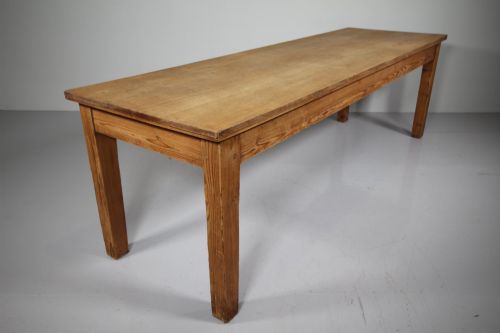
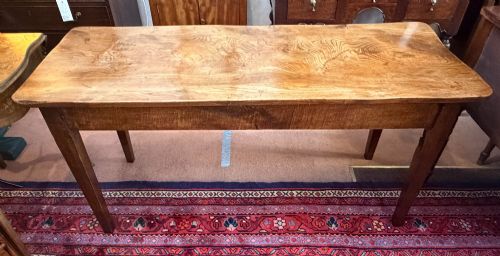
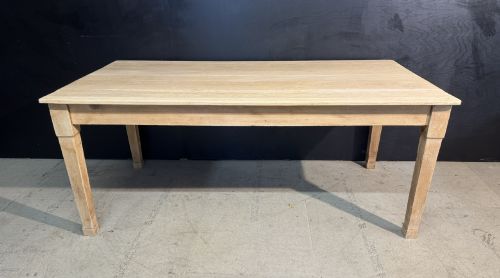
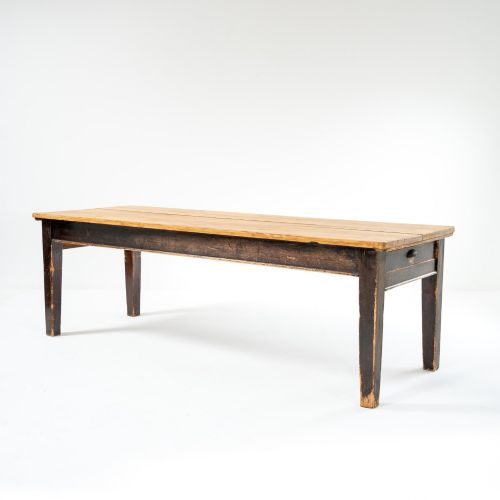
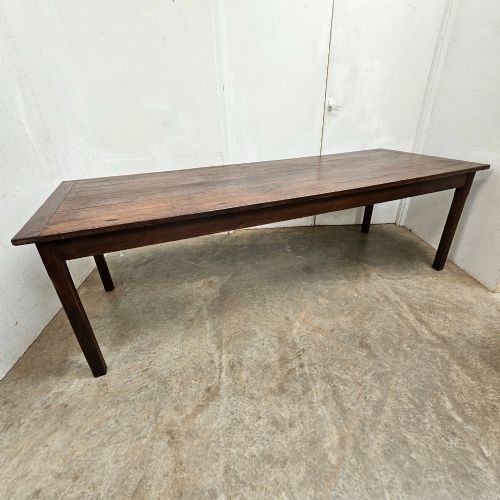
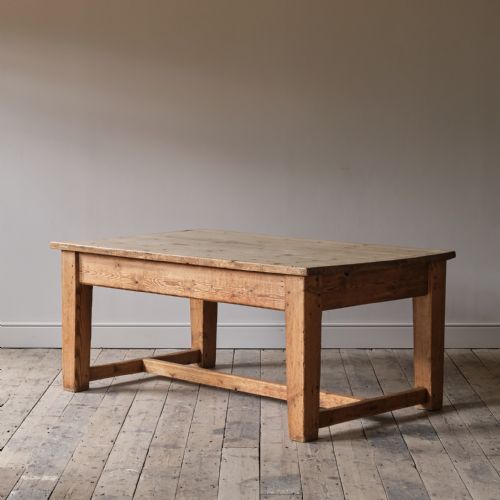
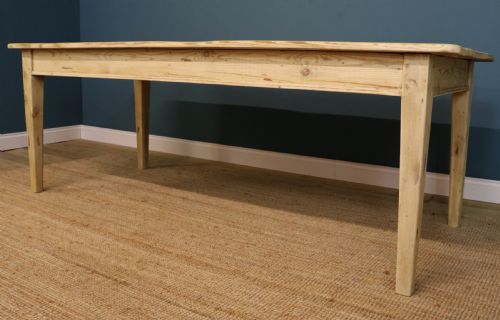
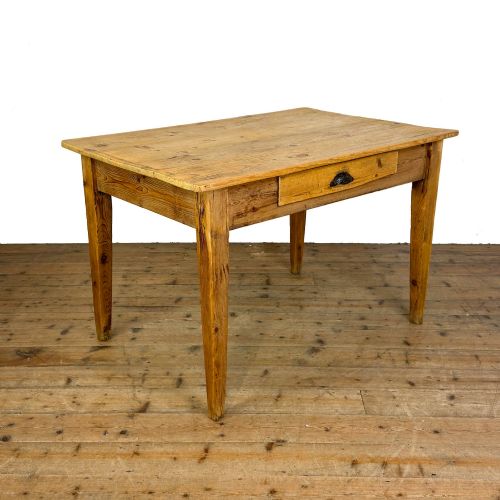
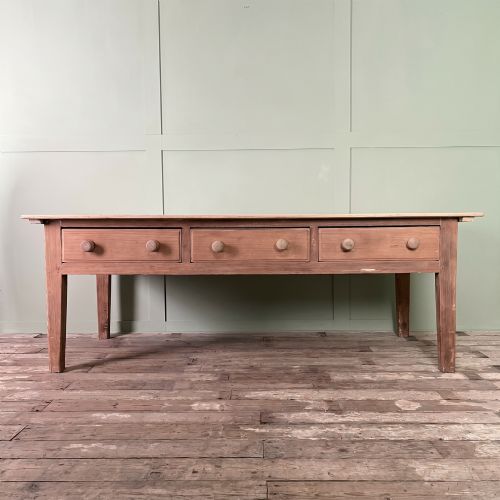
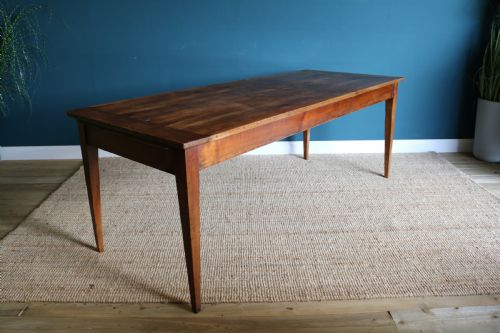
When hunting for a vintage farm table, buyers examine robust timber frames designed primarily for daily preparation and dining within domestic spaces. These pieces span the nineteenth century and the early decades of the twentieth century, originating from British, French, Swedish, and wider continental workshops. The listings here showcase heavy pine, oak, elm, and cherry examples configured as standard dining boards, long harvest tables, and narrow preparation surfaces.
The most common variants met on this page are nineteenth century pine and oak boards, often featuring scrubbed tops, painted bases, or simple drawer additions. Shorter refectory formats and trestle designs also appear alongside specialist dairy and kitchen boards. Buyers choose these robust objects to anchor kitchens and dining rooms with honest, time-worn materials rather than modern veneer.
Materials and construction methods
Carpenters constructed these tables using dense domestic hardwoods like oak, elm, and cherry alongside resilient softwoods such as pine and sycamore. Timber selection depended heavily on local availability, resulting in French cherry frames, Swedish painted pine bodies, and British oak refectory structures. Joinery relied on sturdy pegged mortise and tenon joints designed to withstand heavy daily labour without losing structural integrity.
Surfaces frequently show the marks of hand-planing and sustained scrubbing, while certain variations incorporate functional elements like bread slides, extension leaves, and single side drawers. Paint finishes range from original Swedish Falu red coatings to layered historic pigments and bleached timber treatments. These traditional methods ensure the framework remains stable across centuries of continuous domestic service.
Several listings preserve the historic evidence of farm life, including dedicated pig scratching boards and dairy prep tables.
Assessing build quality and proportion
Quality in a vintage farm table rests in the proportion of the timber, the integrity of the original joints, and the honesty of the surface patina. Tables retaining their original baseboards, deep skirts, and uncompromised leg structures sit securely without excessive wobble or modern reinforcement. The distinction between standard utility boards and superior examples lies in the thickness of the top planks and the restraint shown during historical cleaning or bleaching.
Superior pieces display harmonious scaling between the length of the top and the thickness of the supporting legs, whether configured as trestles, cabriole supports, or simple turned posts. Original surface treatments, such as unblemished historic paint or deep natural grain patination accumulated through decades of use, separate exceptional specimens from heavily altered items.
Heals Of London
The Vintage Farm Table Glossary
- Scrub top
- A bare timber tabletop repeatedly scoured with water and abrasive brushes to maintain hygiene in a working kitchen. This process leaves the softwood grain raised and light in colour.
- Harvest table
- An exceptionally long dining board traditionally built to seat large numbers of farm labourers for seasonal communal meals. These pieces often feature numerous slender legs for stability along their extended length.
- Refectory table
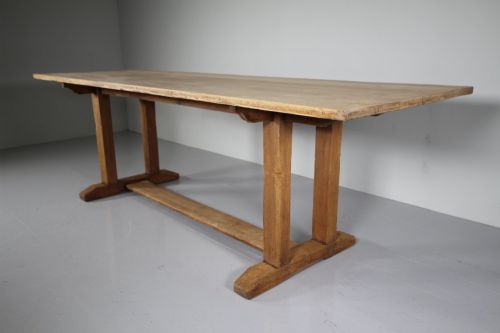
- A long, narrow dining table originally designed for monastic dining halls, characterised by substantial legs linked by low longitudinal stretchers. Twentieth-century revivals often adopt this sturdy architectural format.
- Trestle table
- A board supported by two or more upright frames connected by a horizontal beam rather than four distinct corner legs. This construction allows maximum legroom along the length of the table.
- Bread slide
- A pull-out wooden shelf integrated beneath the main tabletop to provide extra workspace for kneading dough or cooling baked goods. It slides smoothly back into the apron when not in use.
- Falu paint
- A traditional Swedish red paint containing copper mining residue used to protect timber from harsh weather and decay. It imparts a distinct matte finish found on Scandinavian furniture.
Vintage Farm Table: Frequently Asked Questions
How do I seat eight people comfortably?
Look for tables measuring around eight feet in length, as shorter boards typically accommodate six diners without crowding. Pay attention to the position of the underframe stretchers and legs, which determine whether chairs can be pushed completely underneath.
Harvest and refectory formats generally offer more uninterrupted legroom along the sides than standard four-legged tables. Measure the width of your dining chairs before purchasing to ensure they clear the table skirt.
Can I use a kitchen table outdoors?
Historic timber tables are manufactured for interior domestic use and lack weather-resistant modern adhesives or exterior sealants. Exposing antique pine, oak, or cherry to damp weather and direct sunlight causes the wood to warp, split, and rot.
If placed in a sheltered garden room or conservatory, ensure the table stands away from extreme temperature fluctuations and damp flooring. Regular indoor maintenance with appropriate wax protects the historic timber grain.
How do I clean a scrubbed pine top?
Maintain bare timber surfaces by dusting regularly with a dry cloth and wiping spills immediately with a damp sponge. Avoid harsh chemical cleaners or excess water that raises the historic grain and strips the natural patina.
Occasional application of natural beeswax nourishes the dry wood and protects against everyday staining without creating an artificial gloss. Professional dealers recommend accepting minor marks as part of the table's working history.
What is the difference between oak and pine?
Oak is a dense hardwood offering exceptional structural strength, prominent grain patterns, and a deeper colour that darkens gracefully over time. Pine is a lighter softwood that provides a softer surface texture, often finished with paint or left bare for easy scrubbing.
While oak tables usually survived as formal dining furniture, pine boards typically served practical roles in dairies and farm kitchens. Both materials offer distinct aesthetic qualities depending on the intended interior setting.