
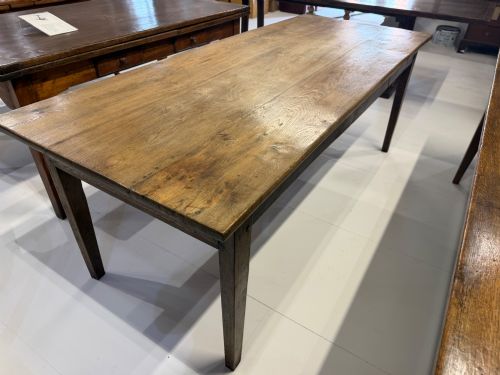
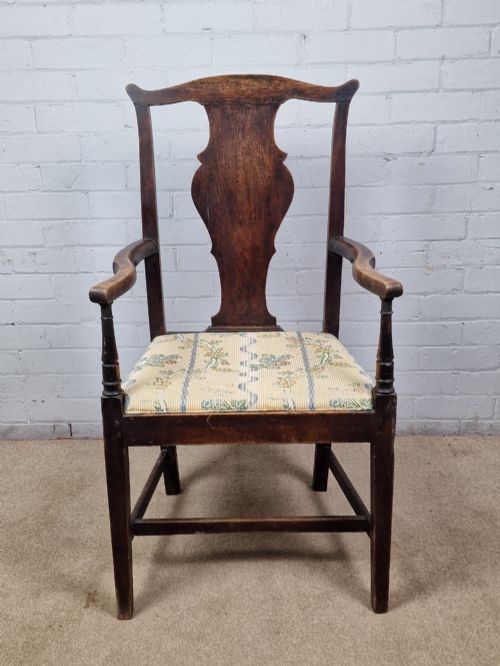
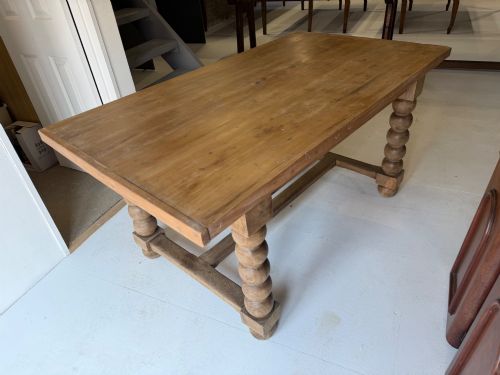
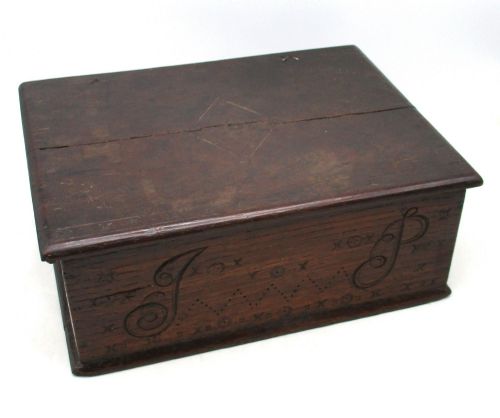

Rustic Wooden Desk
A rustic wooden desk brings tactile warmth and enduring character to a room through honest joinery and time-worn timber.
Rustic Wooden Desk
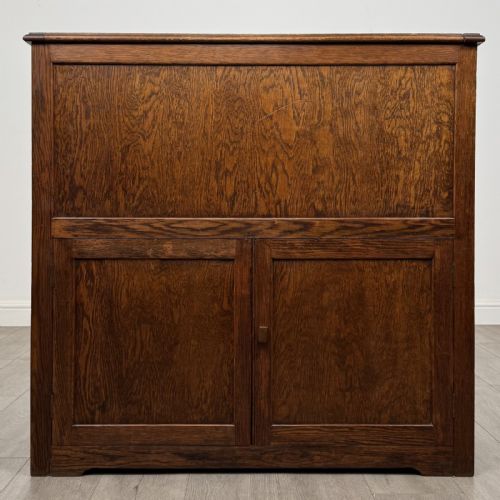
A rustic wooden desk represents the intersection of practical utility and vernacular craftsmanship, spanning periods from the seventeenth century through to the early twentieth century.
The pieces found here predominantly reflect English Country, Victorian Country, and Rustic Farmhouse traditions, focusing on robust forms built for daily use rather than courtly display.
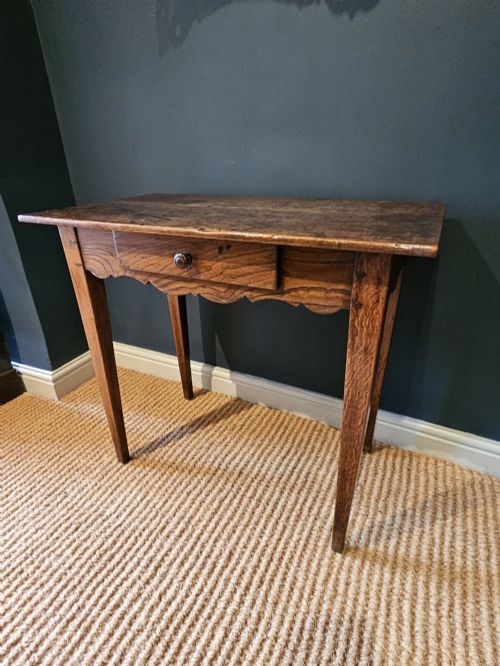
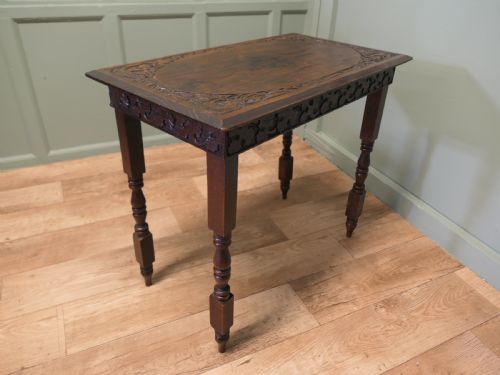
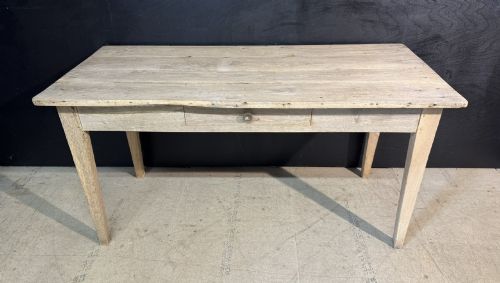
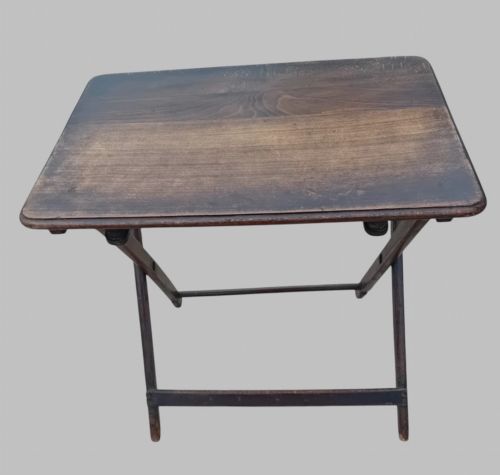
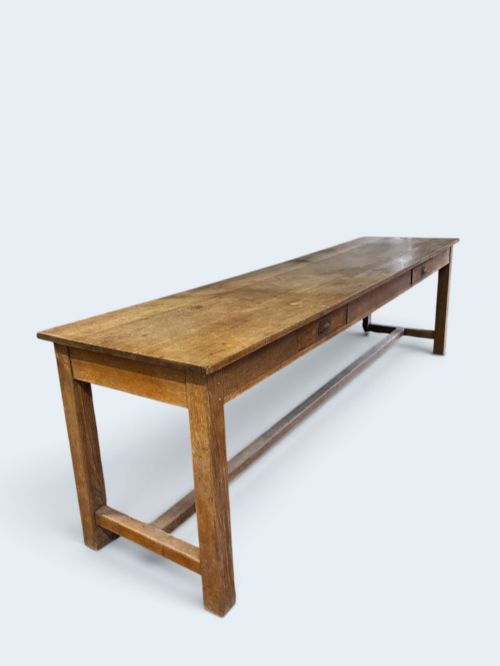
Buyers frequently encounter side tables, serving tables, and prep tables adapted to writing and working roles, constructed from native woods that show decades of honest wear.
Materials and construction
Makers utilised solid native timbers including oak, elm, pine, ash, beech, and fruit wood, selecting each species for its local availability and structural strength.
Construction relied on traditional joinery methods such as mortise and tenon joints, dovetailing, and pegged frames, occasionally incorporating iron hardware for reinforcement.
Listings span multiple eras from the 17th to the 20th century, featuring native timbers like oak, elm, pine, and ash across various regional styles.
Judging quality and character
Quality rests in the integrity of the timber and the honesty of the construction, where patination developed through age outweighs pristine surfaces.
The distinction between standard utility pieces and finer regional variants lies in the subtlety of the turning, the balance of proportions, and the selection of figured woods like yew or cherry.
Gabbitass Worksop
The Rustic Wooden Desk Glossary
- Vernacular
- Everyday objects made by local craftsmen without high academic architectural influence. These pieces prioritise functional utility over prevailing metropolitan fashions.
- Patina
- The surface sheen and colour acquired by wood through age, handling, and wax polishing. This quality signifies authenticity and decades of domestic use.
- Mortise and tenon
- A joint wherein a protruding tenon fits snugly into a corresponding mortise hole. It forms the structural backbone of traditional table frames.
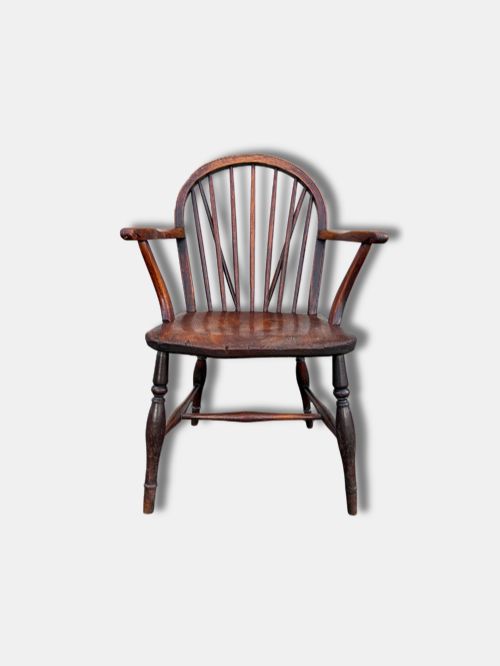
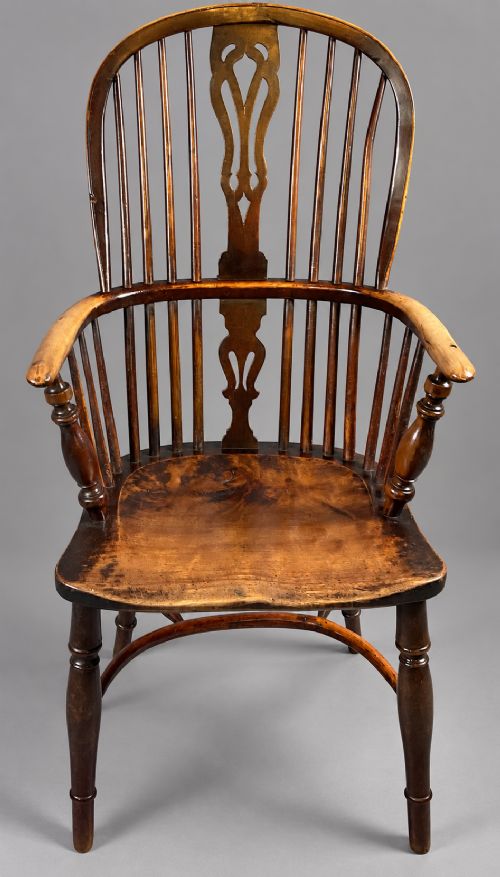
- Windsor
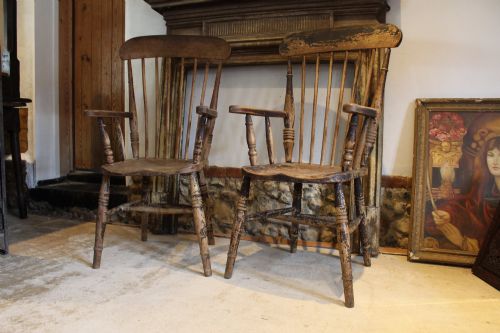
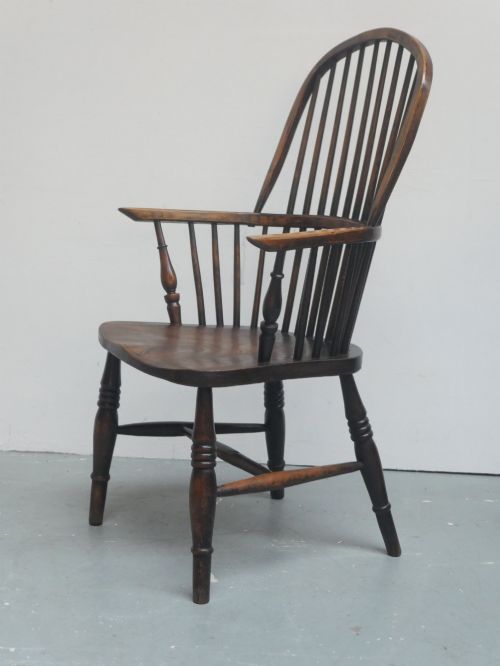
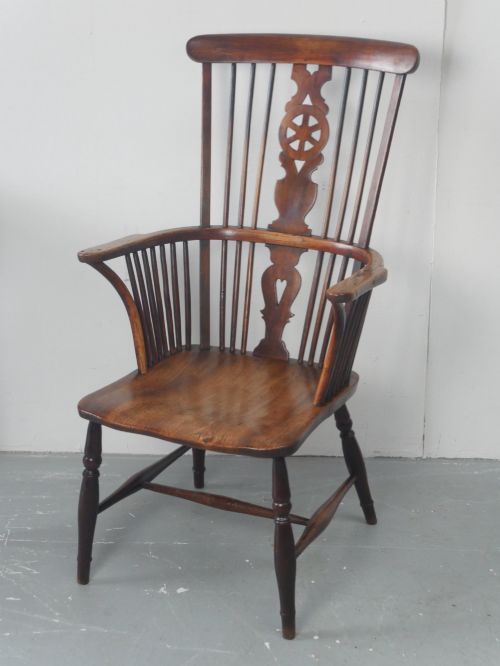
- A chair built with a solid wooden seat into which the legs and back spindles are directly inserted. This form evolved through regional variations in ash, elm, and yew.
Rustic Wooden Desk: Frequently Asked Questions
How do I date a rustic wooden desk?
Dating relies upon observing tool marks, timber selection, and construction methods characteristic of specific periods like the eighteenth or nineteenth century.
Changes in nail types, joint tightness, and the depth of the timber's patina further help establish the age of the piece.
What woods were commonly used?
Makers relied heavily on native hardwoods and softwoods such as oak, elm, ash, beech, and pine.
Selection depended on regional availability and the specific structural demands placed on the table or writing surface.
How should I care for the surface?
Preserving the surface requires regular application of natural beeswax to nourish the dry timber and maintain the historic sheen.
Avoiding direct sunlight and excessive moisture prevents the old wood from warping or splitting over time.
Are these pieces suitable for daily work?
Solid construction and sturdy frames make these tables well-suited for contemporary writing and working environments.
Their historical charm brings character to modern rooms while retaining the functional workspace intended by their makers.