

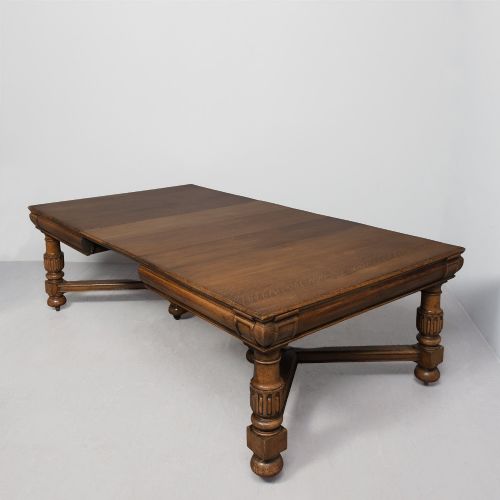
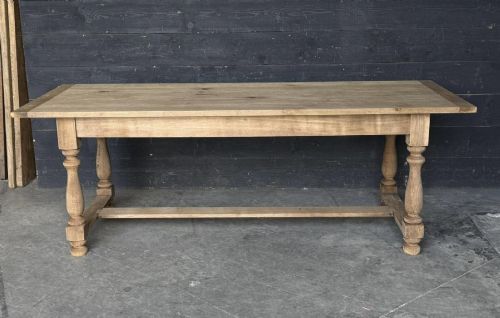
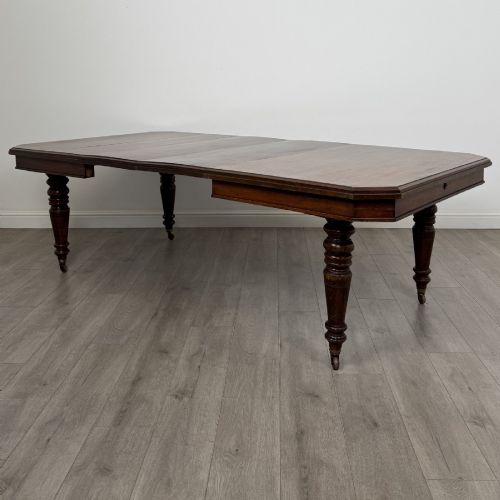
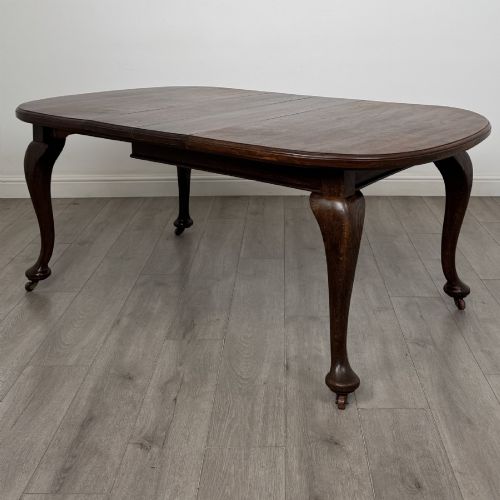

Vintage Extended Leaf Table
A vintage extended leaf table brings modular room to your dining space through clever mechanism and solid timber construction.
Vintage Extended Leaf Table
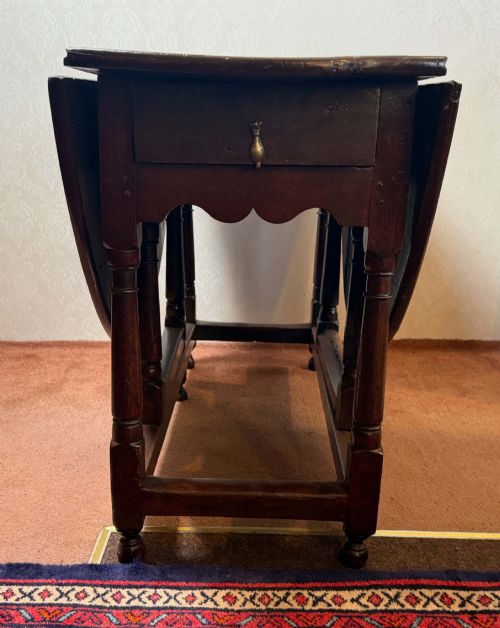
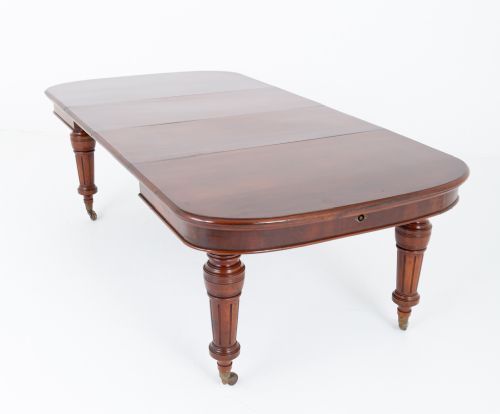
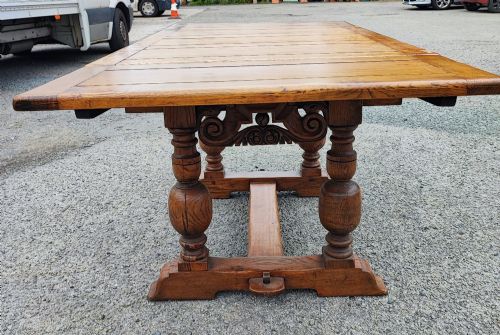
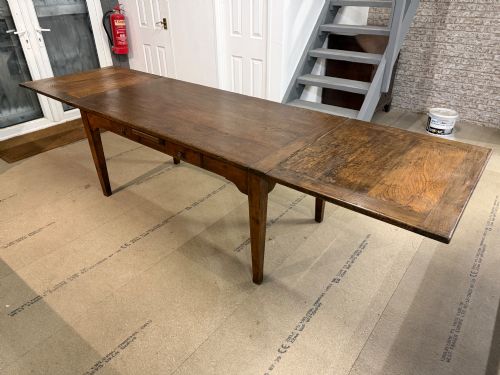
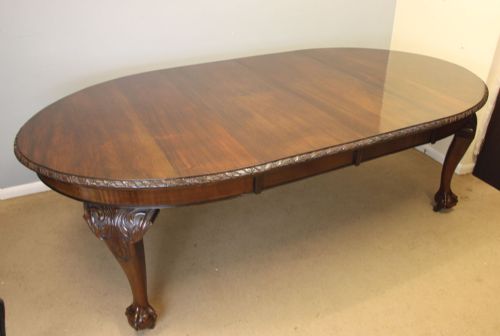
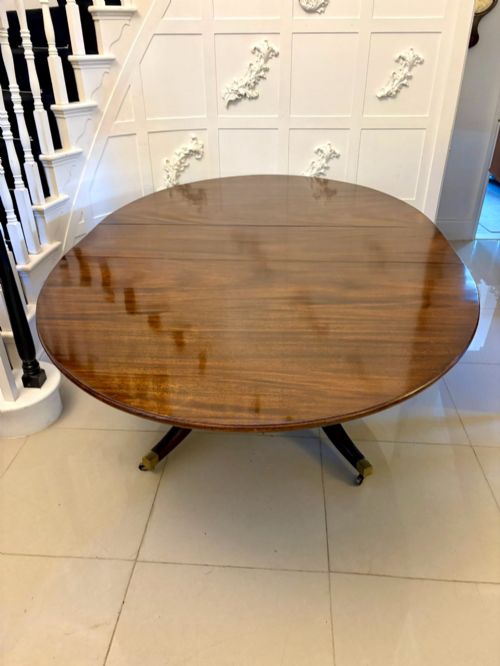
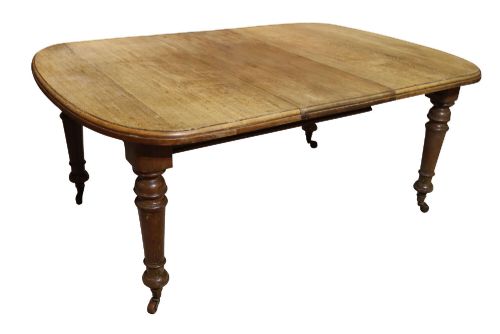
A vintage extended leaf table is a practical dining piece designed to adapt its surface area for gatherings through removable leaves, pull-out extensions, or draw leaves. When you search for a vintage extended leaf table, you encounter robust timber furniture primarily spanning the Victorian, Edwardian, and early twentieth-century periods.
What varies in quality
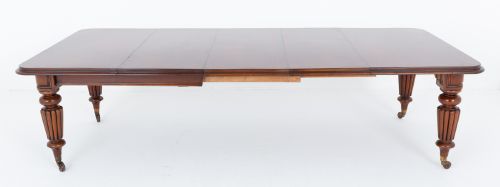
The choice of primary timber sets the baseline for quality, with dense Spanish mahogany and solid oak demanding greater skill to carve and assemble than softer secondary woods. The precision of the extension mechanism determines how smoothly leaves slide or drop into alignment without sagging.
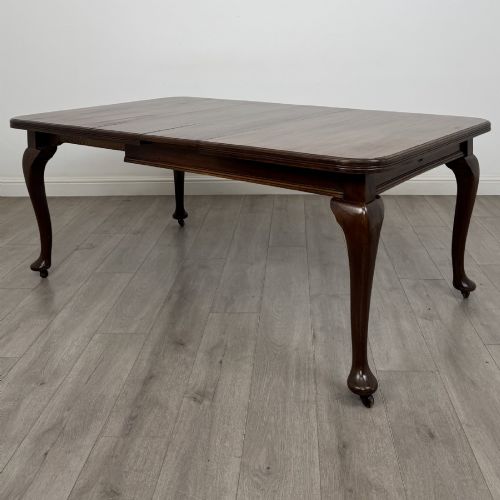
Fine decorative touches, such as crisp carving on cabriole legs, subtle satinwood inlay, and matched flame mahogany veneers, separate standard utilitarian tables from finer formal dining furniture. Structural integrity in the underframe and leaves ensures the table remains level when fully extended.
Vintage Extended Leaf Table Retail Price Guide 2026
Typical asking prices for vintage extended leaf table among the pieces listed under this phrase on Sellingantiques today, from the lower quarter to the upper quarter. They describe what is for sale here now, not the wider market.
Listings feature oak and mahogany predominantly, spanning the nineteenth century through the nineteen-thirties.
The Vintage Extended Leaf Table Glossary
- Draw leaf
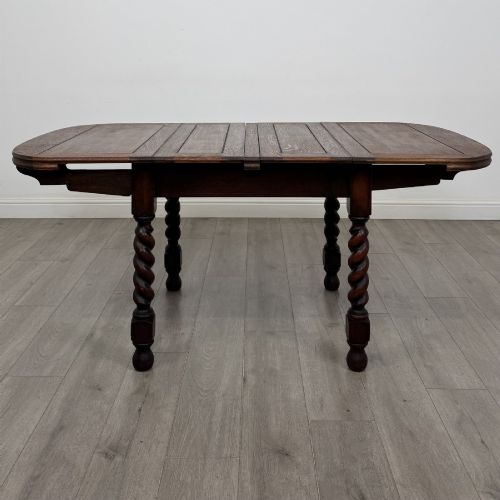
- A table design where two extension leaves are stored underneath the main top and pulled out from each end when needed.
- D-end
- A table configuration featuring semi-circular ends that separate when extra leaves are inserted into the middle.
- Refectory
- A long, narrow dining table style traditionally used in communal halls, often supported by heavy trestles or turned legs.
- Cabriole leg
- A furniture leg that curves out in a convex arc and tapers inward in a concave arc, terminating in a decorative foot.
Vintage Extended Leaf Table: Frequently Asked Questions
How do draw leaf tables work?
Draw leaf tables use an under-top mechanism where auxiliary leaves slide out smoothly from beneath the main surface. This allows the user to increase table length quickly without storing separate boards elsewhere.
The leaves drop slightly into place once fully pulled, creating a continuous flat top for dining.
What woods were used for these tables?
Cabinet makers predominantly used oak and mahogany for their strength, rich grain patterns, and durability. Walnut, cherry, and satinwood inlay also appear on specific period pieces.
These timbers provided the structural rigidity needed to support heavy extension frames and frequent daily use.
How do I care for a mahogany table?
Protect mahogany surfaces from direct sunlight to prevent the rich reddish-brown tone from fading over time. Use coasters and placemats to guard against moisture rings and heat damage.
Apply natural beeswax periodically to nourish the timber and maintain a soft, protective sheen.
How can I date an Edwardian table?
Edwardian tables, produced between nineteen-one and nineteen-ten, often feature lighter mahogany or oak construction with influences from earlier Sheraton styles. Look for clean lines, subtle inlay work, and Edwardian hardware.
Construction methods during this era combined machine precision with traditional hand finishing.