

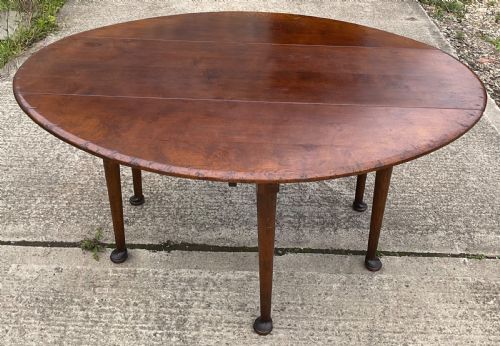


Brown Wood Extension Table
A brown wood extension table brings centuries of dining tradition into a room, offering adaptable timber surfaces for gatherings of any size.
Brown Wood Extension Table
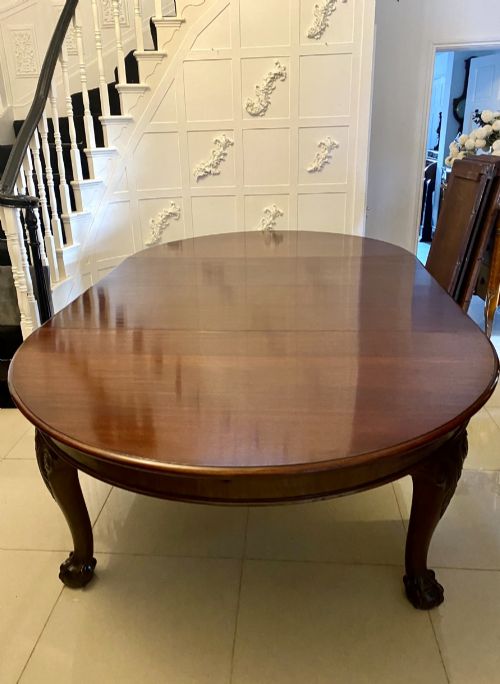
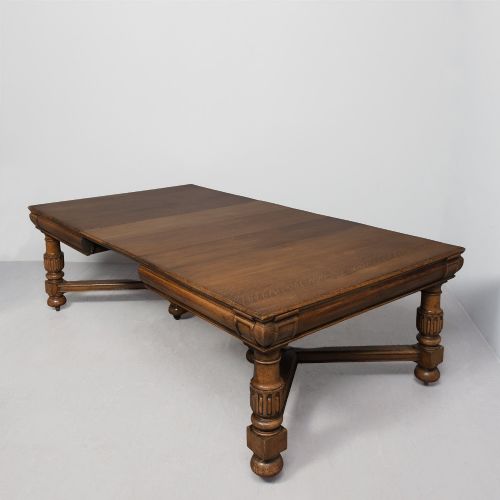
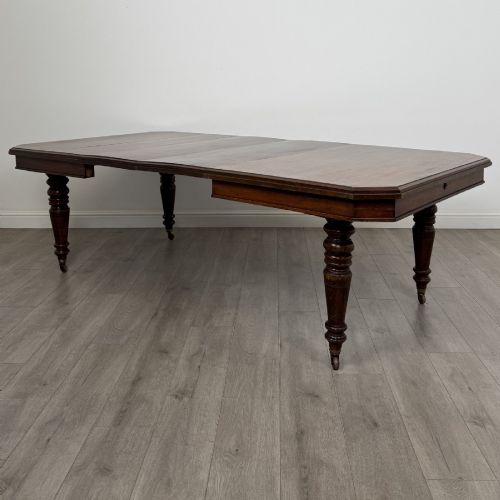
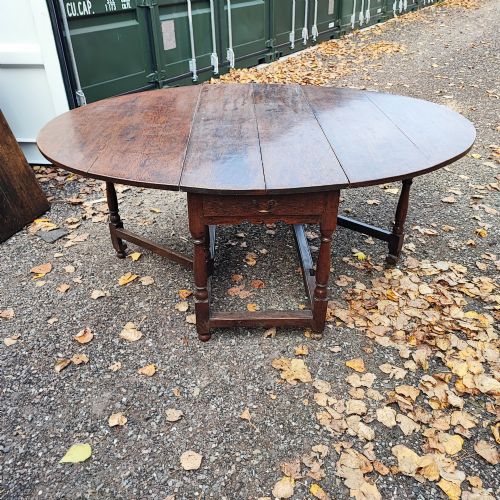
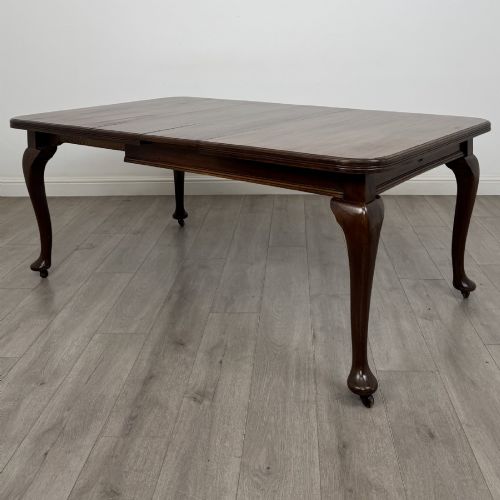
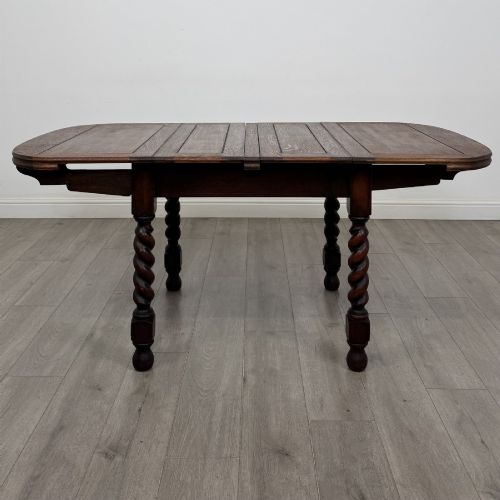
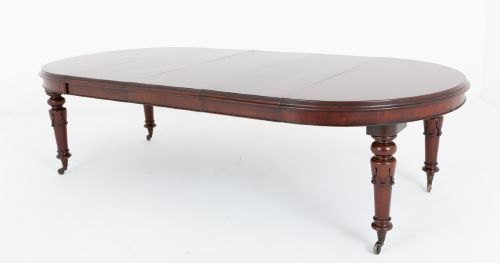
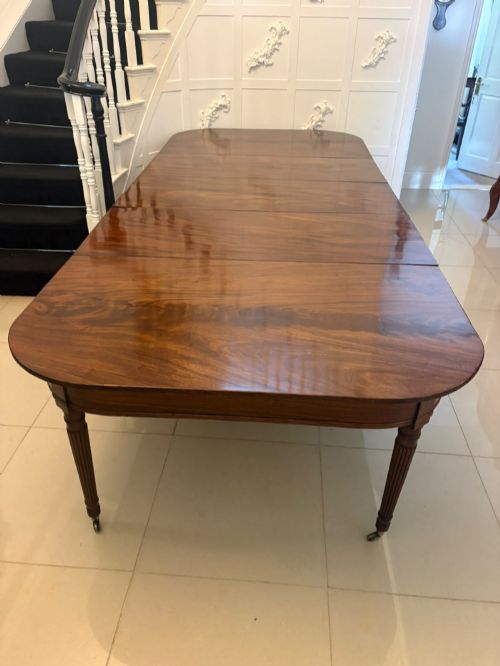
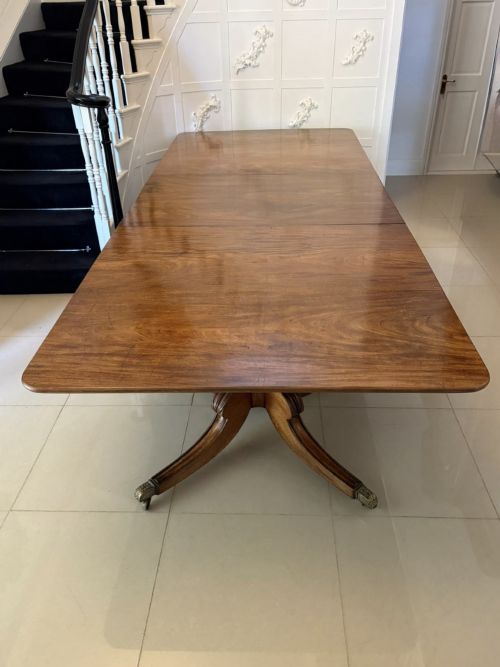
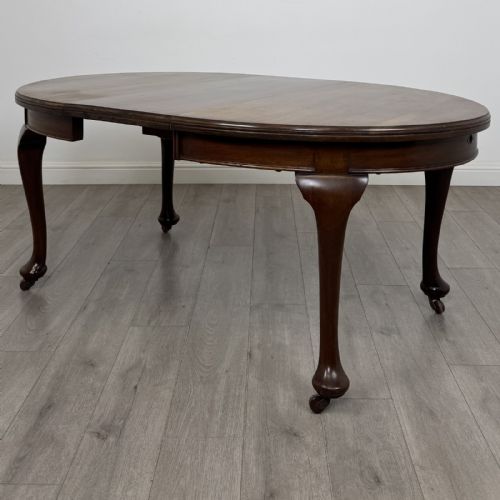
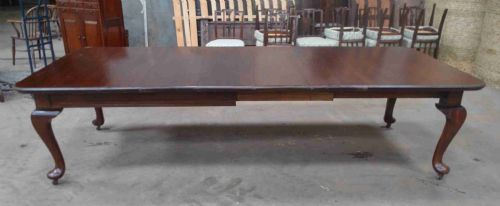
A brown wood extension table primarily appears on this page in the form of large mahogany or oak dining tables, alongside occasional sofa and pembroke tables. These dining pieces date predominantly from the nineteenth century, including Victorian, Edwardian, Regency, and George IV periods, though earlier examples such as seventeenth-century gateleg formats also occur.
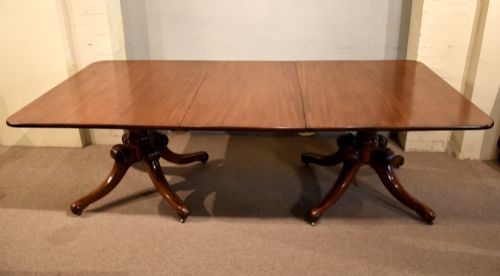
Buyers will encounter various extending mechanisms designed to increase surface area, ranging from twin and triple pillar designs with removable leaves to draw-leaf formats and gateleg structures. Mahogany remains the dominant timber, frequently showing figured grain patterns, while oak and cherry provide alternative brown wood finishes across both formal dining and occasional variants.
How they were made
Cabinet makers utilised dense hardwoods like mahogany, oak, and cherry, often selecting figured veneers for table tops and incorporating secondary timbers for internal framing. Brass fittings frequently appear on castors and extension mechanisms to facilitate the movement of heavy pillars and leaves.
Construction techniques involve sturdy pedestal bases, gateleg supports, or four-legged frames fitted with sliding tracks to accommodate extra leaves. Inlaid details in satinwood or ebony occasionally accent the primary brown wood surfaces, reflecting stylistic revivals from the Georgian and Sheraton periods.
Brown Wood Extension Table Retail Price Guide 2026
Typical asking prices for brown wood extension table among the pieces listed under this phrase on Sellingantiques today, from the lower quarter to the upper quarter. They describe what is for sale here now, not the wider market.
What varies in quality
The distinction between standard examples and the finest pieces rests upon timber selection, such as highly figured mahogany or dense seventeenth-century oak, and the precision of the extension mechanism. Heavier multi-pillar tables designed to seat sixteen or eighteen guests demonstrate superior architectural ambition compared to simpler domestic formats.
Refinement in carving, such as reeded legs, cabriole supports, or subtle satinwood inlay, separates utilitarian dining tables from high-status furniture made for grand reception rooms. The integrity of the original leaves and the smooth operation of the extending tracks further define the standing of each piece.
The Brown Wood Extension Table Glossary
- Draw leaf
- An extension table fitted with sliding leaves stored beneath the main top that pull out to lengthen the surface. This mechanism allows for quick adjustment without removing separate boards.
- Twin pedestal
- A base construction featuring two central columns resting on splayed legs, commonly found supporting long dining surfaces. It provides stability and legroom for seated guests.
- Gateleg table
- A drop-leaf table where hinged legs swing out like a gate to support the raised flaps. This form dates back centuries and offers compact storage when folded.
- Pembroke table
- A small occasional table with hinged drop leaves on either side and usually a single drawer. It functions well as a versatile side table in a drawing room.
- Reeded legs
- Cylindrical table legs carved with parallel convex mouldings running vertically. This decorative treatment appears frequently on Regency and nineteenth-century dining tables.
Brown Wood Extension Table: Frequently Asked Questions
How do extension mechanisms work on antique tables?
Antique extension tables typically rely on a pull-out wooden track system where the central frame parts to accept one or more removable leaves. Some Edwardian and twentieth-century examples utilise draw-leaf mechanisms that store extra boards directly beneath the main surface.
Securing these leaves often involves brass clips, wooden pegs, or winding handles that draw the sections tightly together. This ensures a stable and even dining surface when fully extended for guests.
How do I seat ten people comfortably?
Tables designated for ten or more guests usually measure sufficient length through multiple pedestals or robust four-legged frames. Twin and triple pillar mahogany dining tables from the nineteenth century provide the necessary structural support without obstructing chair placement.
When arranging seating around these larger brown wood tables, check the clearance beneath the apron or skirts to ensure dining chairs slide in easily. Using tables with extra leaves allows you to adjust the length depending on the number of diners.
What is the difference between mahogany and oak dining tables?
Mahogany tables generally present a reddish-brown hue with fine, often figured grain patterns suited to formal Georgian, Regency, and Victorian dining rooms. They tend to have smoother finishes and can incorporate sophisticated pillar supports or inlaid satinwood.
Oak tables usually display a heavier, more pronounced grain and a warmer golden-brown tone, often associated with earlier gateleg or Jacobean revival styles. Oak provides a robust, rustic character well-suited to sturdy everyday use.
Can I use an antique sofa table for dining?
Sofa tables are traditionally smaller occasional pieces designed to sit behind a sofa, featuring drop leaves and often two small drawers. While they offer extending surfaces, their lighter construction and lower clearance differ from dedicated dining tables.
Using a sofa table for dining is practical only for intimate meals or light tea rather than large dinner parties. Their primary charm lies in flexible placement around a sitting room rather than heavy daily dining service.