

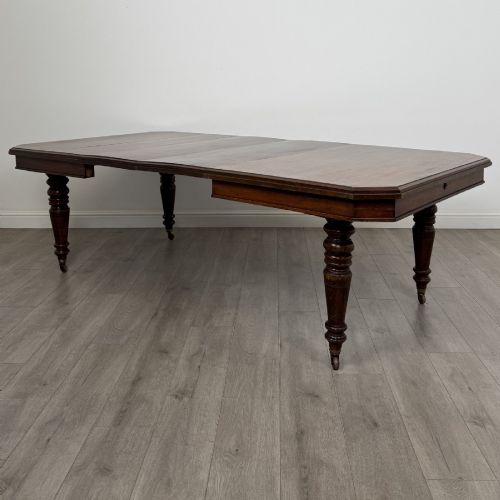
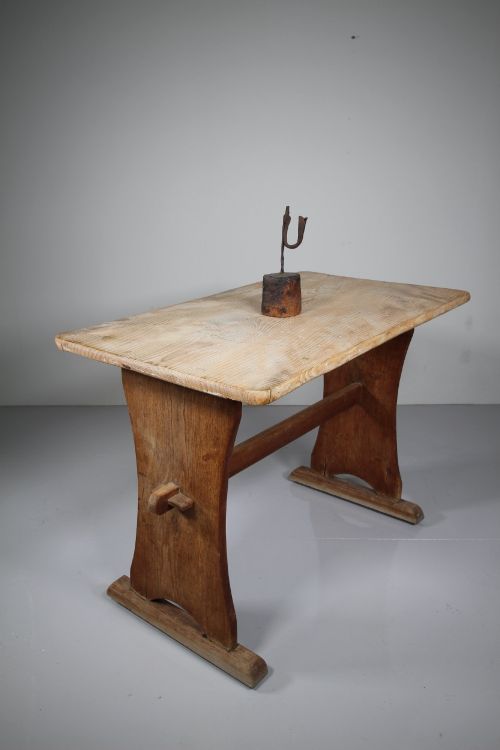
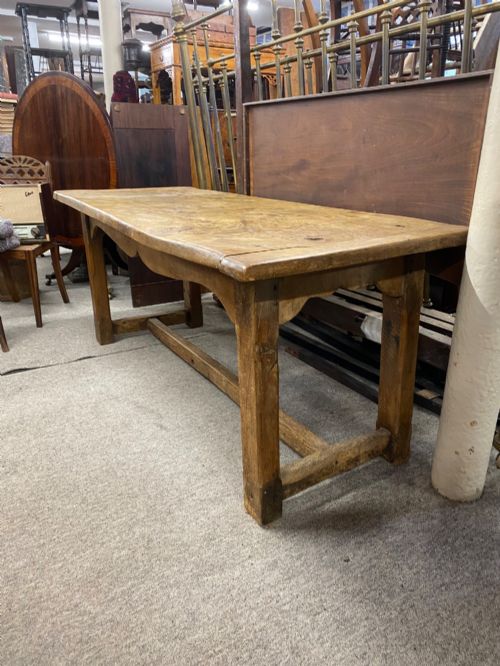
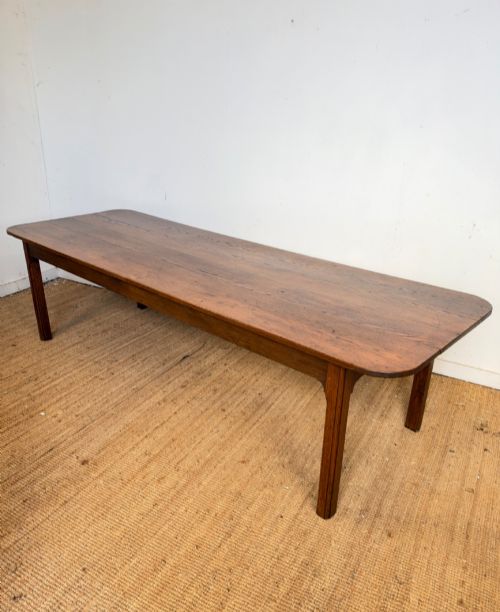

Victorian Kitchen Dining Table
A victorian kitchen dining table brings robust timber and honest utility to the heart of a home, built for daily labour and long suppers.
Victorian Kitchen Dining Table
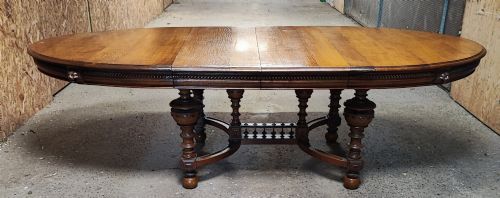
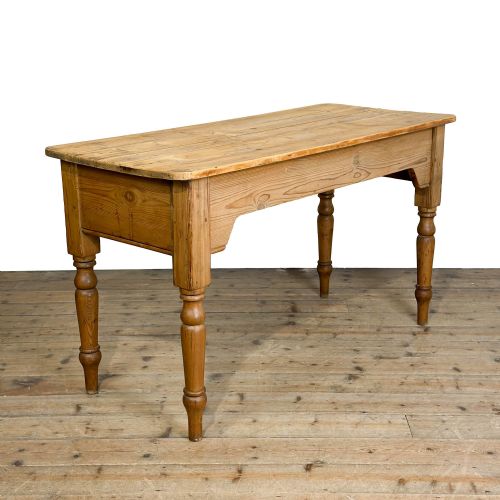
When searching for a victorian kitchen dining table, buyers encounter sturdy pieces designed for utility and everyday domestic use during the nineteenth century. These items span various functional forms, from simple workspace boards to large extending dining tables meant for family gatherings.
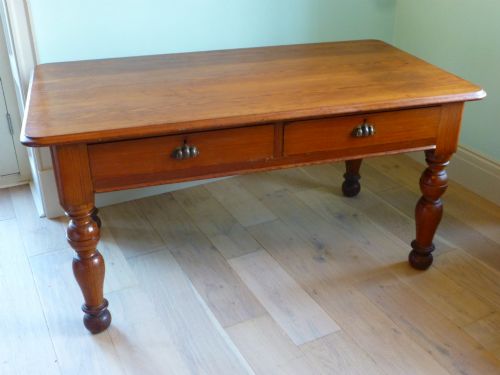
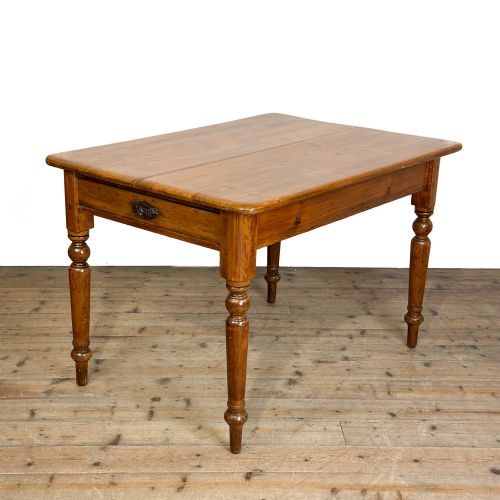
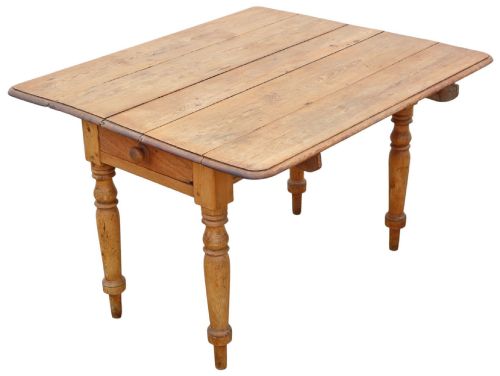
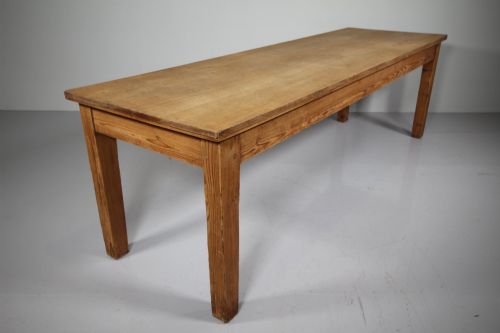
Tables range from compact drop-leaf variants with single drawers to massive eight-foot and ten-seater boards capable of accommodating large gatherings. The variety reflects the diverse domestic and rural needs of the era, prioritising robust construction over delicate ornament.
How they were made
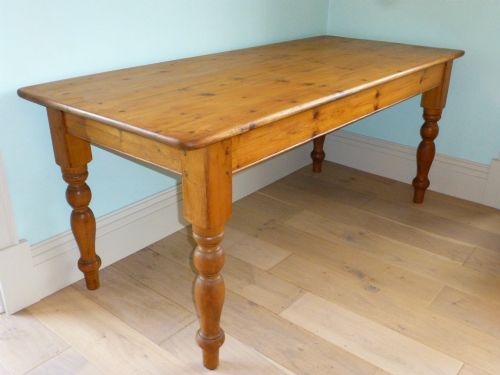
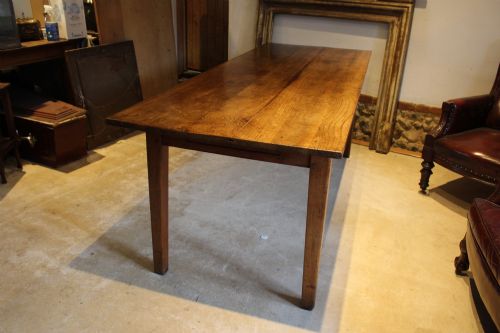
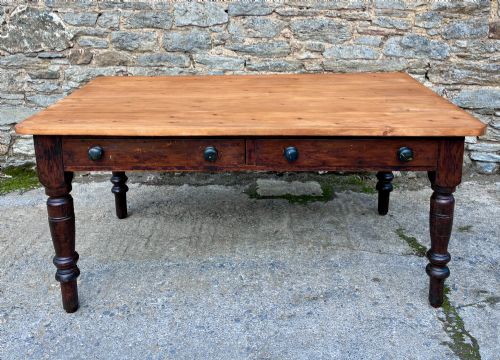
Carpenters constructed these tables using durable native timbers such as pine, oak, elm, and ash, selected for strength and resilience. Solid planks formed the tops, often supported by sturdy legs of turned wood or straightforward square posts.
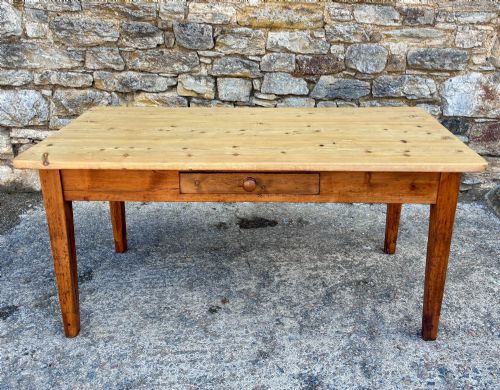
Many examples incorporate practical additions like single drawers in the front frieze, drop leaves, or draw mechanisms for extension. Joinery relied on traditional methods to ensure stability under heavy daily use in busy kitchens and dining spaces.
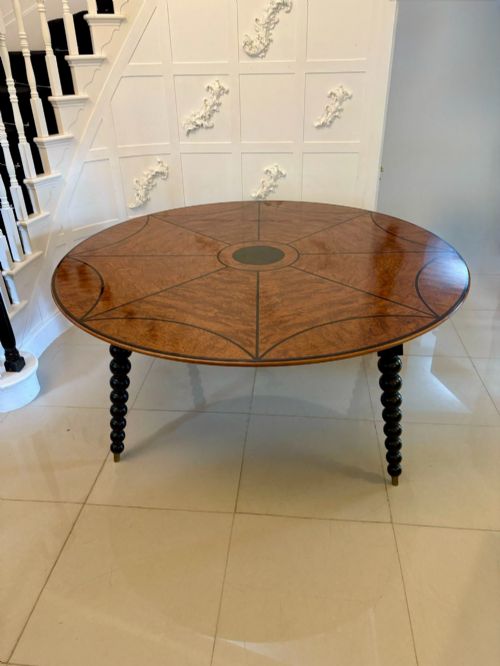
Surfaces received simple finishes including wax, paint, or natural bleaching from scrubbing, while select formal pieces utilised brass fittings or ebony inlay. The emphasis remained on enduring structural integrity rather than elaborate surface decoration.
Victorian Kitchen Dining Table Retail Price Guide 2026
Typical asking prices for victorian kitchen dining table among the pieces listed under this phrase on Sellingantiques today, from the lower quarter to the upper quarter. They describe what is for sale here now, not the wider market.
Listings feature pine, oak, elm, and ash timbers across Victorian, Edwardian, and nineteenth-century periods.
What varies in quality
Quality in these tables depends heavily on the selection of timber, with dense burr pollard oak, figured ash, and thick multi-plank oak standing apart from standard utility pine. Superior pieces display thoughtful grain matching and robust timber thickness across the top boards.
The sophistication of the mechanism distinguishes formal dining tables from basic kitchen boards, particularly in smooth-operating extending systems with matching leaves. Refined turning on the legs and integrated frieze drawers also signal elevated craftsmanship by skilled makers.
The Victorian Kitchen Dining Table Glossary
- Refectory table
- A long, narrow dining table traditionally used in communal halls and adapted for domestic dining. These pieces often feature stretcher rails between the legs for added stability.
- Draw leaf table
- An extending table design where auxiliary leaves slide out from beneath the main top. This mechanism allows the surface area to expand quickly when hosting guests.
- Frieze
- The horizontal band running directly beneath the tabletop. This section frequently houses integrated storage drawers in kitchen utility designs.
- D-End table
- A dining table with semicircular ends, popular during the Victorian period. These sections separate or extend to accommodate extra leaves for large gatherings.
- Pitch pine
- A durable resinous softwood utilised in heavy nineteenth-century furniture. It offers distinct grain patterns and exceptional structural strength.
Victorian Kitchen Dining Table: Frequently Asked Questions
How do I care for a pine kitchen table?
Clean the surface gently using a damp cloth and mild soap, avoiding harsh chemicals that strip historic finishes. Regular waxing helps protect the wood from moisture and preserves the patina built up over decades of use.
Keep the table away from direct heat sources and drastic humidity changes to prevent the timber planks from warping or splitting. Treating the wood with care ensures the surface ages gracefully in a modern home.
Will a large farmhouse table fit my dining room?
Measure your floor space carefully, allowing adequate room around the table for chairs to pull out comfortably. Consider the placement of doors and walkways so the substantial dimensions of an eight or ten-seater do not crowd the room.
Many period tables feature generous lengths, such as two hundred centimetres or more, requiring careful planning for delivery and placement. Checking these measurements beforehand guarantees the piece anchors the room harmoniously.
How do I distinguish a Victorian table from an Edwardian one?
Victorian tables often display heavier proportions, darker woods like oak or pitch pine, and robust turned legs built for utilitarian durability. Edwardian pieces can sometimes lean towards lighter, airier forms, occasional bleached finishes, or simpler rustic styling.
Construction details and timber choices offer clues to the specific era of manufacture. Comparing the joinery style against known nineteenth-century practices helps clarify the timeline.
Were these tables used only in kitchens?
While many pine and elm examples served as hardworking kitchen or workspace tables for food preparation, others were built specifically for formal dining. Oak extending tables and polished refectory boards graced dining rooms rather than sculleries.
Utility tables often show the marks of daily labour, whereas formal variants display finer timber selection and decorative inlays. Both types adapt well to modern living spaces depending on the desired aesthetic.