


Vintage Expandable Table
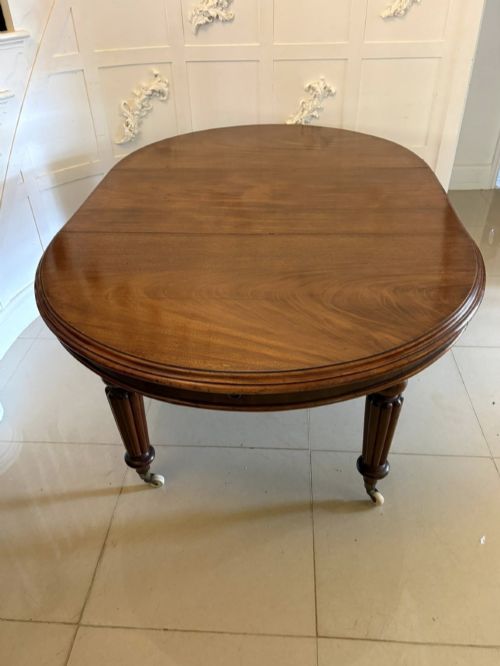
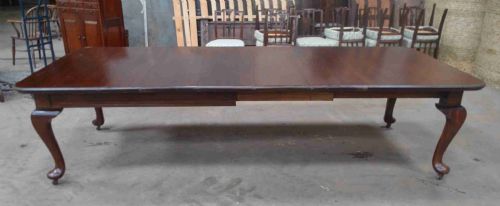
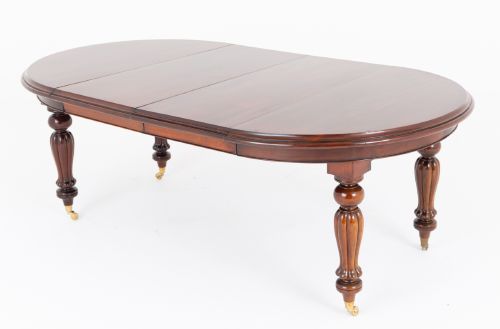
A vintage expandable table offers the flexibility of a large dining surface with the charm of period timber.
Vintage Expandable Table
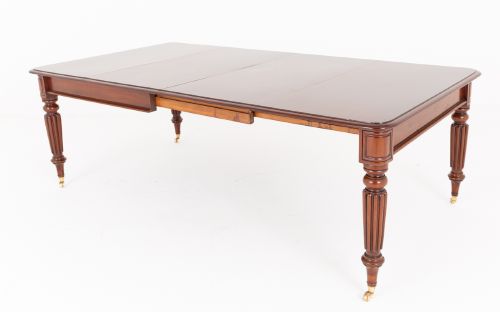
A vintage expandable table provides adaptable dining space through ingenious mechanisms like wind-out screw systems, drop leaves, and extra leaves. These pieces bridge the gap between daily convenience and formal entertaining.
The selections span distinct historical eras, most notably the Victorian, Regency, and William IV periods, alongside Georgian and 17th-century pieces. Mahogany is the dominant timber, often shaped into D-end, oval, or gateleg configurations.
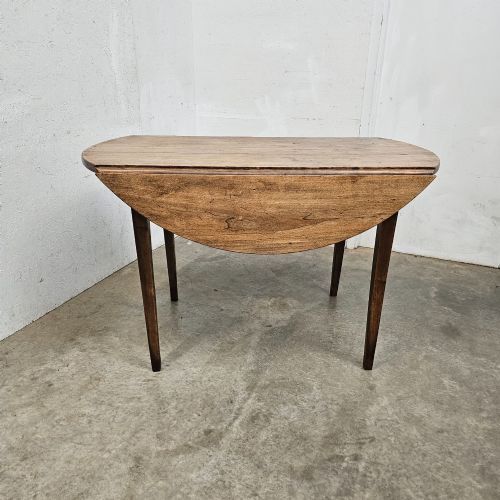
Buyers will encounter formal dining tables designed to seat substantial numbers, alongside smaller drop-leaf and folding formats. Many examples incorporate clever engineering, such as castors and telescopic designs, to manage the weight of the timber.
Materials and construction methods
Cabinet makers relied heavily on solid mahogany and fruitwood, utilising figured veneers to create striking tabletops that conceal sophisticated internal mechanisms. Brass components, including castors and screw winder fixings, frequently support the extending frames.
Joinery techniques ranged from traditional gateleg pivots to complex wind-out wooden runners that allowed central leaves to be inserted smoothly. Carved details, such as claw and ball feet, required skilled hand-carving to match the stature of large banquet tables.
Mahogany is the primary timber across these listings, accompanied by oak, fruitwood, walnut, and teak.
Assessing craftsmanship and proportion
Quality rests in the smoothness of the extending mechanism and the stability of the frame when fully loaded with leaves. Superior examples maintain rigid alignment and level surfaces across every section.
The choice of timber grain, the crispness of carved details on the legs, and the integration of original brass castors separate standard utility tables from exceptional workshop pieces.
Gillows·Thomas Treherne
The Vintage Expandable Table Glossary
- Wind out
- A mechanical system using a handle and internal metal screw thread to expand the table framework smoothly. This innovation became widespread during the nineteenth century.
- Drop leaf
- A tabletop featuring hinged flaps on either side that fold down when not in use to save space. These are common in earlier formats.
- D-end
- A table end shaped in a semi-circle resembling the letter D, often used in modular dining suites that separate into console tables. They attach securely to central extending sections.
- Gateleg
- A table construction where hinged legs swing outward like a gate to support folding leaves. This design dates back centuries and provides sturdy support for drop leaves.
- Castor
- A small wheel fitted to the base of table legs to ease movement across floors. Brass mounts were typical on higher quality nineteenth-century dining furniture.
Vintage Expandable Table: Frequently Asked Questions
How do wind-out tables work?
A removable metal handle inserts into the side skirt of the table, turning an internal screw mechanism that draws the two main halves apart. This creates a precise gap in the centre for loose timber leaves to drop into place.
The mechanism requires steady turning to ensure the wooden runners glide evenly without binding. Once fully extended, brass clips or brass pins often secure the leaves tightly together.
Can I seat ten people comfortably?
Many large Victorian and William IV examples are engineered to accommodate eight to twelve diners when fully extended with multiple extra leaves. The robust mahogany frames and heavy pillar supports distribute the weight evenly.
Buyers should verify the number of included original leaves and check the clearance beneath the apron for dining chairs. Some models include central support legs to prevent sagging under a heavy load.
What is a Cumberland table?
A Cumberland table is a distinct Regency drop-leaf dining format featuring hinged flaps and a compact central frame that folds down efficiently. It offers versatile placement as a console or breakfast table when unextended.
The pivoting leg supports fold neatly inward, allowing the entire structure to occupy minimal floor space. These pieces highlight early nineteenth-century space-saving ingenuity.
How do I care for mahogany surfaces?
Solid mahogany responds best to regular dusting with a soft, dry cloth and occasional treatment with traditional beeswax to nourish the timber grain. Direct sunlight and sudden temperature changes should be avoided to prevent warping.
Using heat-resistant mats protects the polished French polish finish from hot serving dishes and moisture rings. Gentle care preserves the depth of colour built up over generations.