

Vintage Etagere Shelving
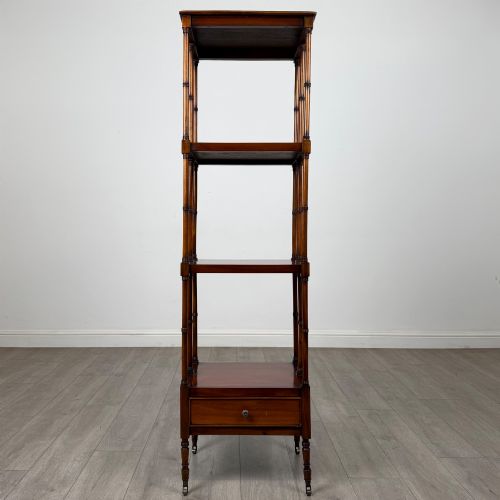
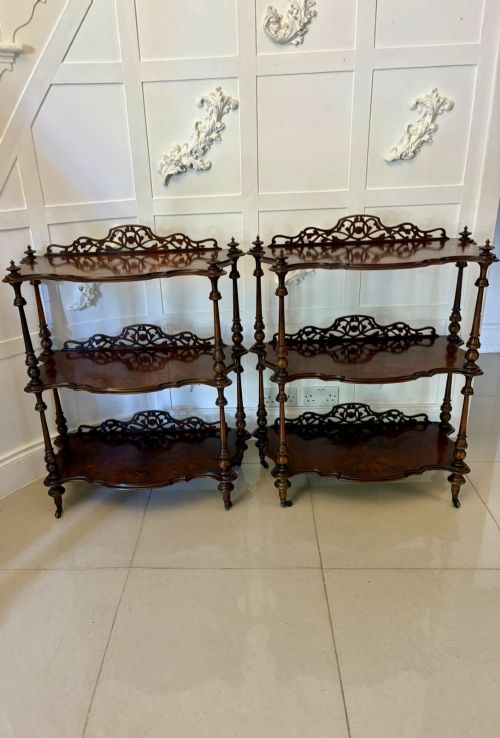
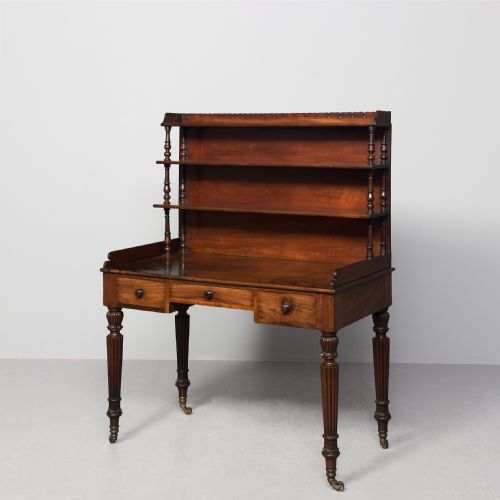
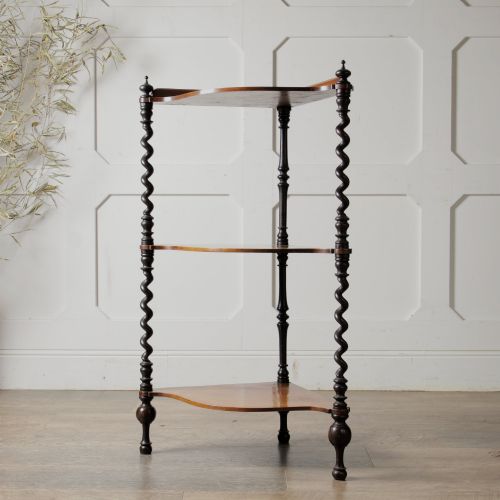
These vintage etagere shelving units bring open display and layered timber structure to a room, offering practical elegance for collectors of tiered display furniture.
Vintage Etagere Shelving
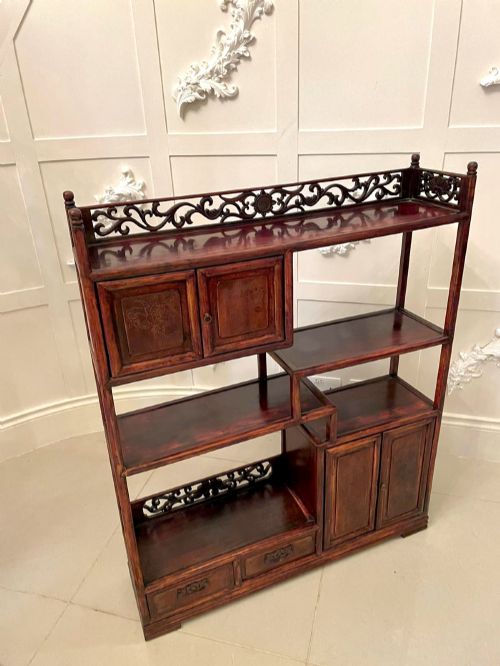
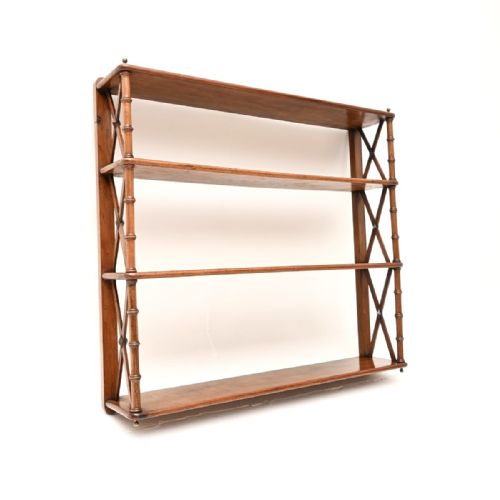
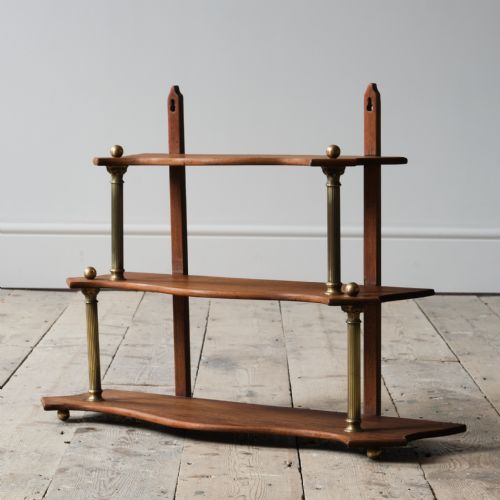
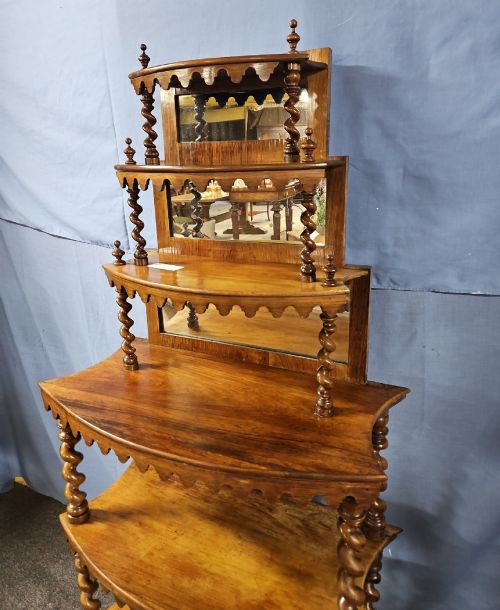
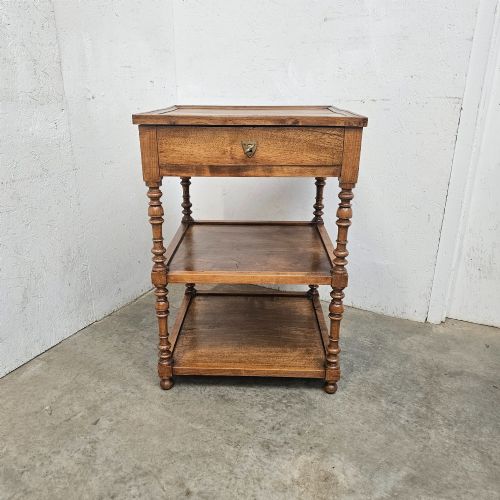
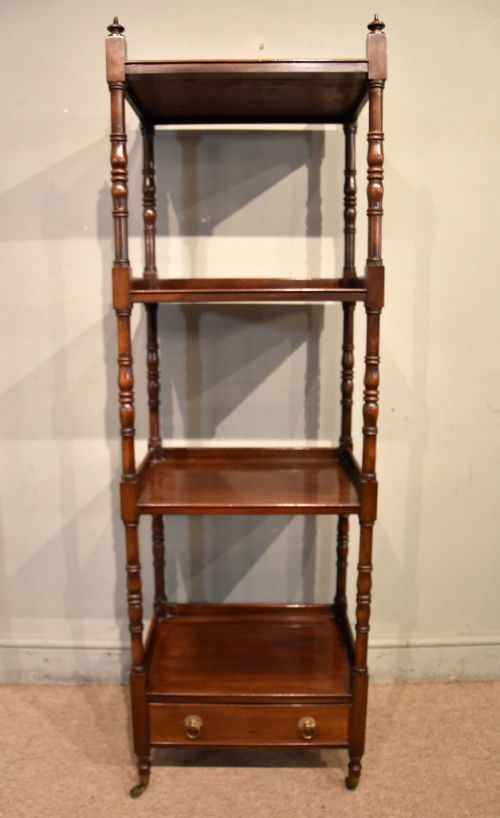
When you search for vintage etagere shelving, you find an array of open tiered display furniture designed to hold books, ceramics and decorative objects across multiple levels. These pieces range from substantial multi-tiered floor standing whatnots to delicate wall hanging shelves.
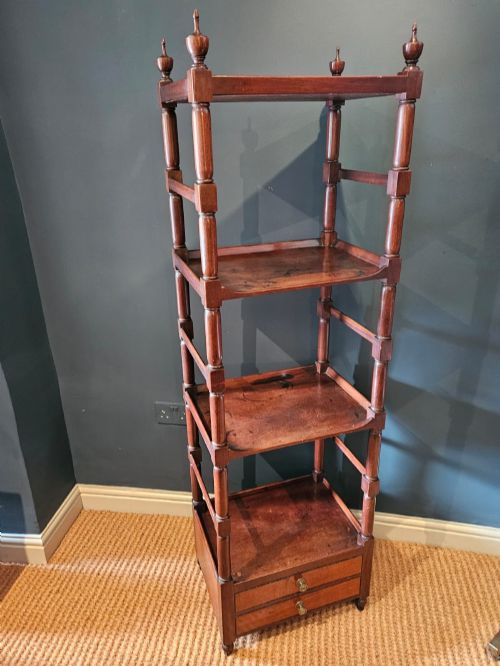
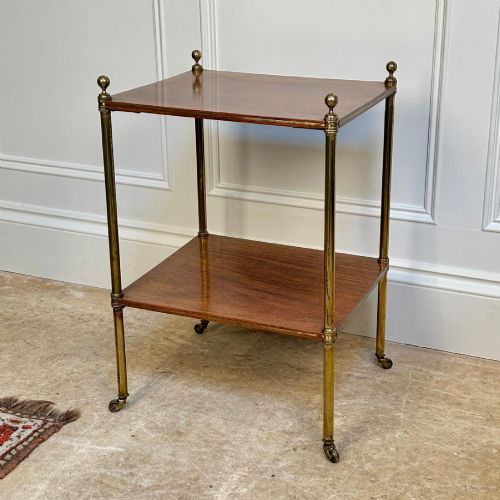
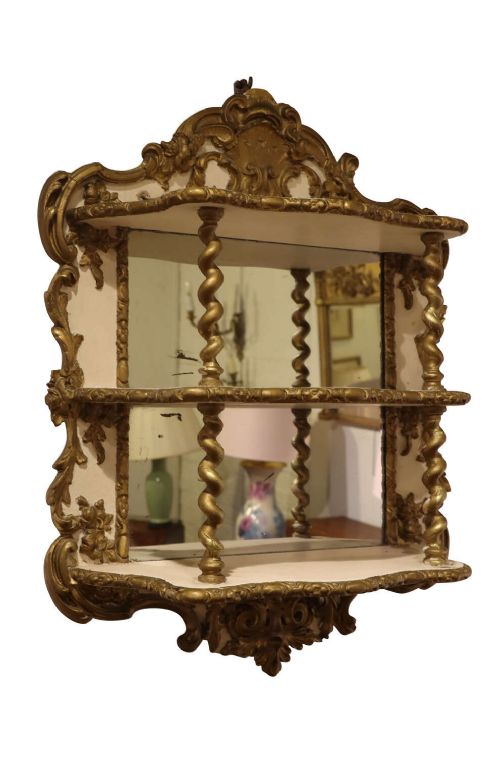
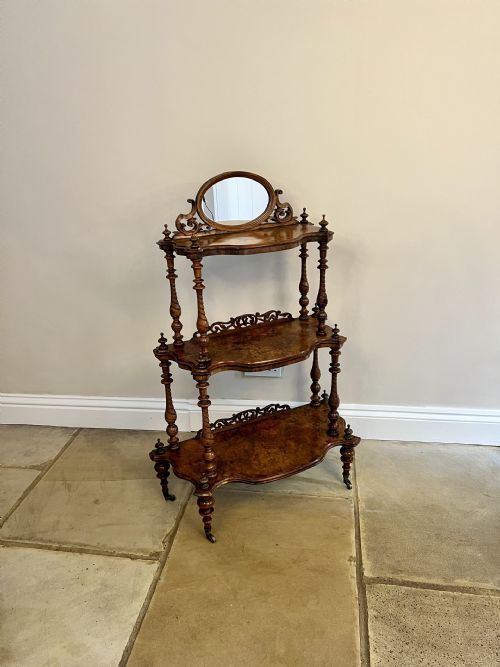
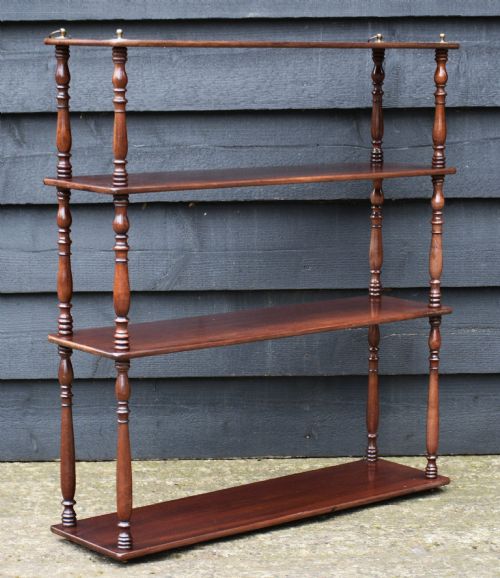
The versions most commonly met on this page include nineteenth century Victorian whatnots, Regency mahogany bookcases and French walnut wall shelves. Makers utilised diverse formats such as corner cabinets, waterfall designs and bamboo shelf units.
Originating as practical furniture for displaying ornaments or holding books, these open structures suit contemporary rooms that require accessible storage without heavy doors. Each tier steps back or maintains a uniform footprint depending on the specific period design.
Materials and construction methods
Cabinet makers constructed these tiered pieces predominantly from rich timbers including mahogany, walnut, burr walnut and rosewood, frequently incorporating brass details or turned supports like barley twist and bobbin legs. Ebonised wood and bamboo also appear across nineteenth century examples.
Structural integrity relied on precise joinery, with freestanding whatnots utilising sturdy vertical pillars to support graduated shelves, while wall hanging versions integrated secure brackets or mounting boards. Inlays, parquetry and carved giltwood surface decoration frequently enhanced the primary timber frames.
Periods represented across the inventory span the Regency era, the Victorian period, and early twentieth century Edwardian pieces.
Distinctions in craftsmanship and finish
Quality in these multitiered units rests upon the selection of timber veneers, particularly figured burr walnut and book-matched mahogany, which elevate standard utility pieces into refined decorative furnishings. Finer examples display meticulous attention to turned supports, delicate fretwork and crisp parquetry inlay.
Structural robustness also defines the superior end of the range, where joints remain tight and shelves bear weight without sagging. The presence of maker stamps or retail signatures further separates standard workshop production from distinguished cabinet maker output.
James Mein of Kelso·Samson and Son London
The Vintage Etagere Shelving Glossary
- Etagere
- A piece of furniture consisting of a set of open shelves for displaying small objects or ornaments. These tiered stands developed in France during the eighteenth century and remained popular through the Victorian era.
- Whatnot
- A multitiered open piece of furniture used for storing or displaying ornaments, books and knick-knacks. Victorian examples often feature three or four graduated tiers supported by turned columns.
- Barley Twist
- A type of decorative turning resembling a twisted rope, commonly found on the vertical supports of nineteenth century furniture. This technique adds dynamic texture to the framework of shelves and tables.
- Parquetry
- Geometric mosaic woodwork used for decorative inlay on furniture surfaces. Craftsmen arrange small pieces of contrasting timber to create patterned panels on tabletops and shelf surrounds.
- Bobbin Turning
- A method of woodturning that produces a series of rounded, spool-like shapes along the length of a support leg or stretcher. This style appears frequently on aesthetic period and late nineteenth century pieces.
Vintage Etagere Shelving: Frequently Asked Questions
What is an etagere?
An etagere is an open piece of furniture featuring multiple tiers designed specifically for displaying decorative objects, porcelain and books. Unlike enclosed cabinets, these open shelves allow light to pass through and showcase items from all angles.
Originating in France, the form evolved to include freestanding corner units, wall mounted shelves and tall tower formats constructed from various timbers and exotic materials like bamboo.
How were nineteenth century whatnots used?
Nineteenth century whatnots served primarily in parlours and drawing rooms to exhibit prized ornaments, collected curiosities and handy volumes of books. Their tiered design maximised display space within domestic interiors without dominating the room.
As domestic habits shifted toward curated displays of personal taste, these open shelving units became central fixtures for demonstrating refinement and hosting decorative porcelain collections.
How do I care for antique wood shelves?
Maintaining antique timber shelves involves keeping them away from direct sunlight and sudden temperature shifts that can dry out walnut and mahogany veneers. Dusting regularly with a soft, dry cloth preserves the polished surface without building up chemical residues.
Applying a traditional beeswax polish occasionally helps nourish the wood and maintain the natural lustre of older finishes without sealing the grain permanently.
Are wall hanging shelves sturdy?
Wall hanging shelves rely on secure wall fixings and sound original mounting points to support their weight and the objects placed upon them. Historical examples often incorporate brass hanging brackets integrated directly into the timber backboard.
When positioning these shelves, ensuring the fixings anchor securely into wall studs guarantees safe daily use for displaying lighter ceramics, books or decorative plates.