


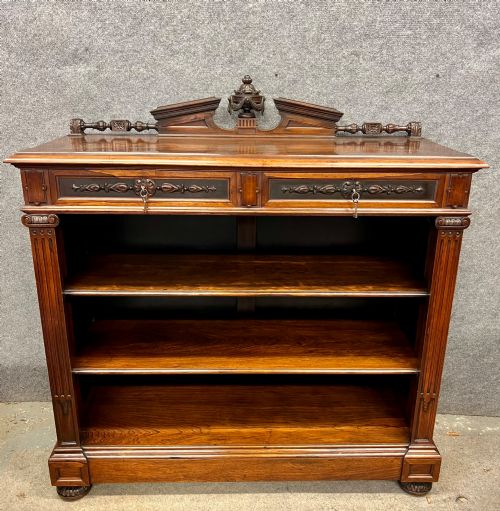
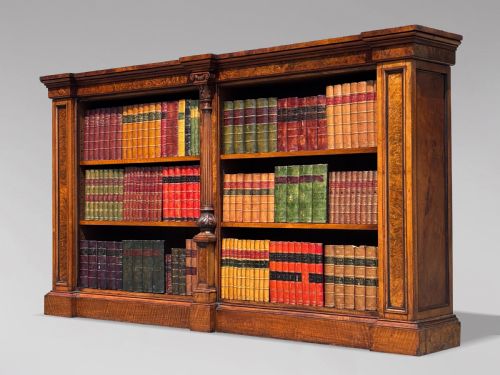
Carved Walnut Display Shelves
Carved walnut display shelves combine utility with rich timber grain, offering a practical solution for holding books and ornaments.
Carved Walnut Display Shelves
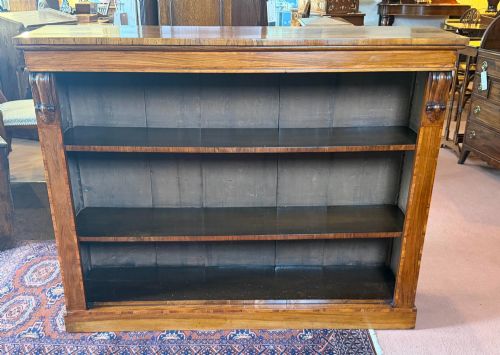
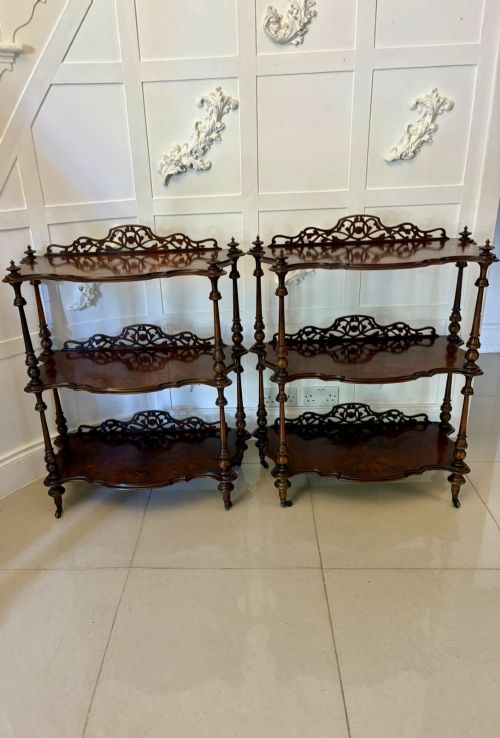
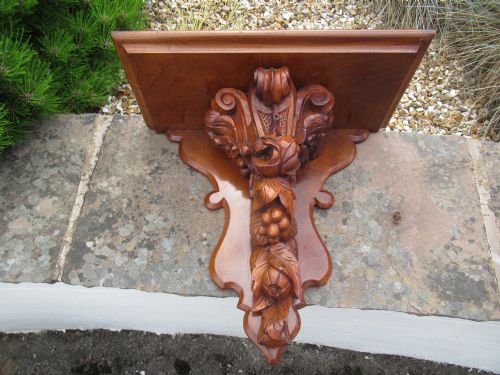
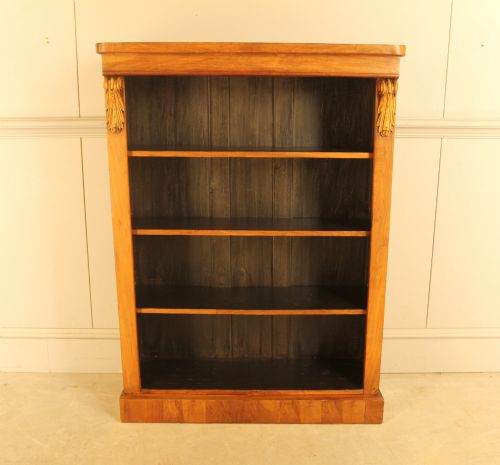
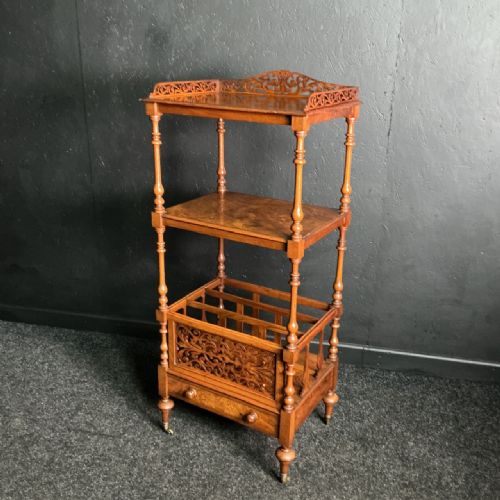
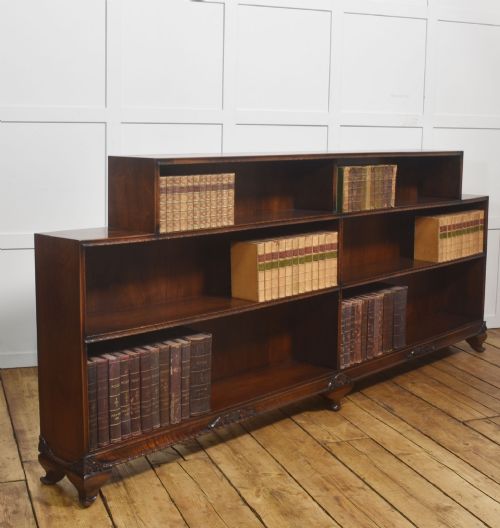
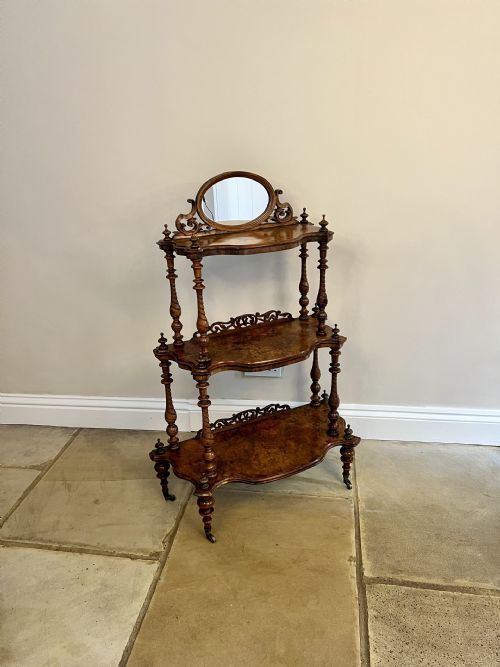
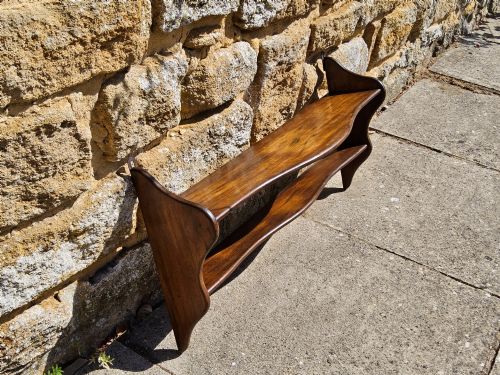
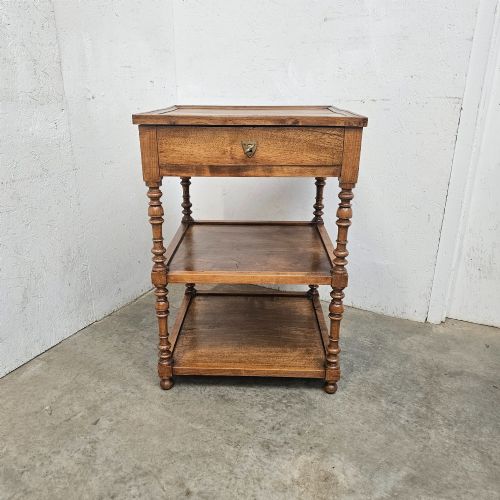
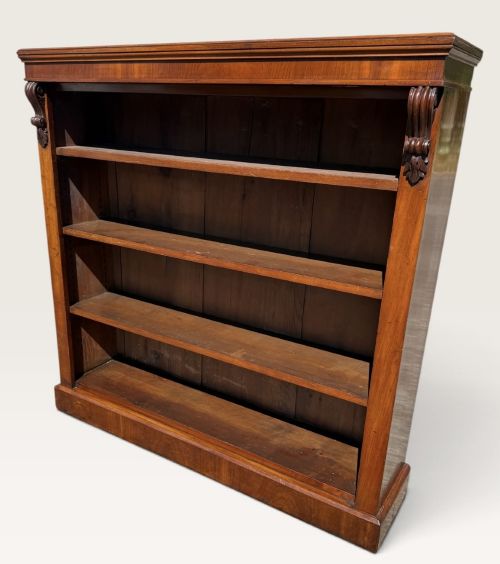
Carved walnut display shelves appear primarily across the nineteenth century and the Victorian era, taking forms such as multi-tiered whatnots, corner shelves, wall brackets, and open bookcases. These pieces serve to organise collections of books or decorative objects while adding architectural interest to a room.
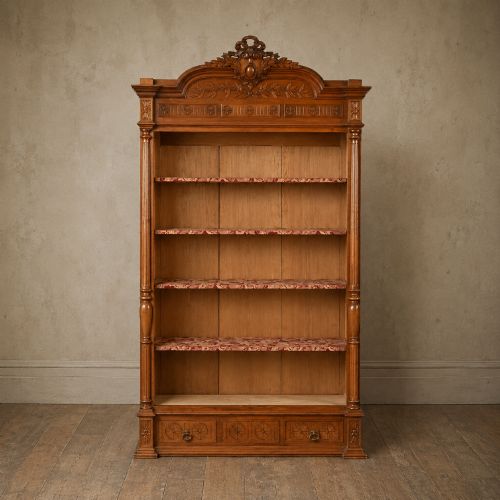
The selection spans domestic wall-hung brackets and large freestanding library bookcases, with smaller etageres and corner whatnots frequently meeting the search for carved walnut display shelves. Makers utilised the dense timber to build sturdy framework capable of supporting multiple tiers without losing decorative grace.
How they were made
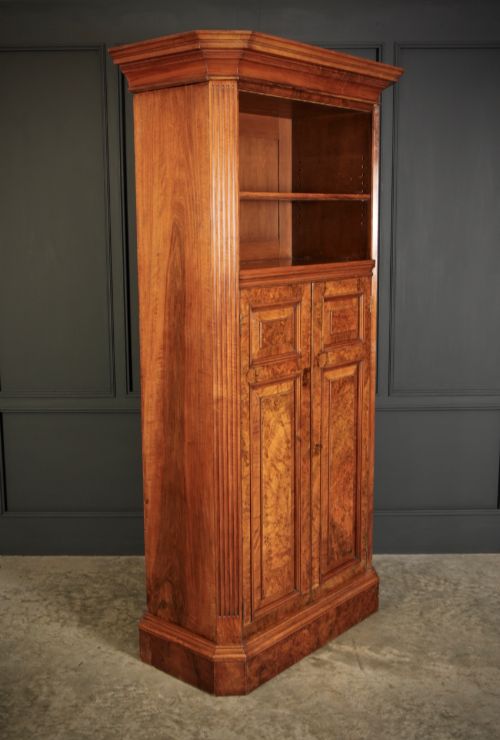
Cabinet makers relied heavily on walnut and burr walnut timber, often selecting figured grain for prominent display surfaces like tabletops and shelves. Secondary timbers such as pine and mahogany appear in internal structures and backing boards.
Construction combined traditional joinery with applied carvings, turned legs, and occasional brass fittings or glass panels. Pieces range from solid wood continental library bookcases to delicate multi-tiered étageres assembled with careful turning.
Listings feature walnut, burr walnut, mahogany, and pine across nineteenth-century Victorian periods, including William IV and late Victorian styles.
What varies in quality
The degree of carving depth and the selection of burr walnut veneer dictate the visual impact of each piece. Superior examples exhibit intricate, crisp hand-carving and highly figured timber across every tier rather than plain surfaces.
Structural integrity separates standard utility furniture from exhibition pieces, particularly in freestanding multi-tiered whatnots and large bookcases. Better craftsmanship shows in tight joints, balanced proportions, and the thoughtful integration of turned supports.
Gabriel Viardot·Gillows
The Carved Walnut Display Shelves Glossary
- Burr walnut
- A type of timber veneer taken from the warted growth on a walnut tree, prized for its swirling, knotted grain patterns. It frequently covers the primary surfaces of Victorian display furniture.
- Whatnot
- A piece of freestanding furniture consisting of several open shelves for displaying small objects or books. They appeared in various shapes including corner units and multi-tiered étageres.
- Etagere
- A piece of furniture with a set of open shelves for displaying ornaments. These often share characteristics with whatnots and display stands.
- Credenza
- A low-standing cabinet or sideboard, sometimes incorporating display space or shelving. Victorian examples in walnut often feature fine wood grain and decorative mounts.
Carved Walnut Display Shelves: Frequently Asked Questions
What is a whatnot shelf?
A whatnot is a multi-tiered piece of furniture designed specifically for displaying ornaments, ceramics, and small books. These open-shelf units gained popularity in the nineteenth century.
They appear as freestanding fixtures or tailored corner units, offering vertical storage without enclosing items behind glass doors.
How do I date a walnut bookcase?
Dating relies on observing construction methods, timber selection, and stylistic details such as Victorian revival motifs or turned legs. Nineteenth-century pieces often display hand-cut joinery and specific regional cabinet-making traits.
Comparing the hardware, secondary woods, and overall proportions against documented periods helps narrow down the decade of manufacture.
Where should I place wall brackets?
Wall brackets function best in hallways, alcoves, or living spaces where floor area is limited. They provide a sturdy platform for small decorative objects or trailing plants.
Ensure the wall fixings match the weight and density of the walnut timber to support the bracket safely.
How do I clean burr walnut?
Maintenance involves dusting with a soft, dry cloth to protect the delicate grain and veneer. Avoid modern chemical sprays that can strip the traditional polish.
Periodically feeding the wood with an appropriate wax maintains the sheen and guards against drying out.