
Vintage Equestrian Painting Framed
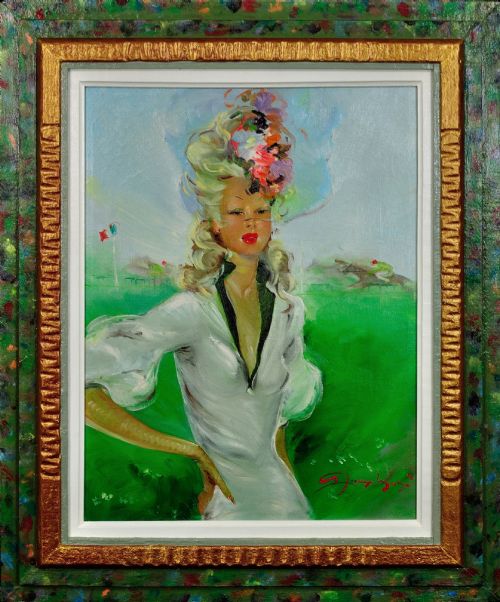
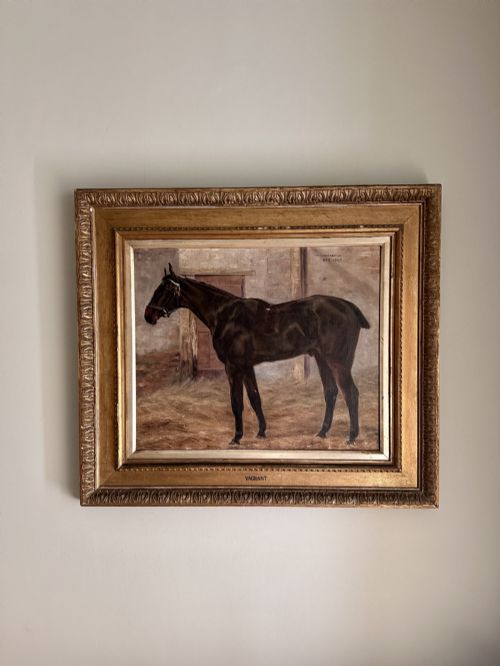
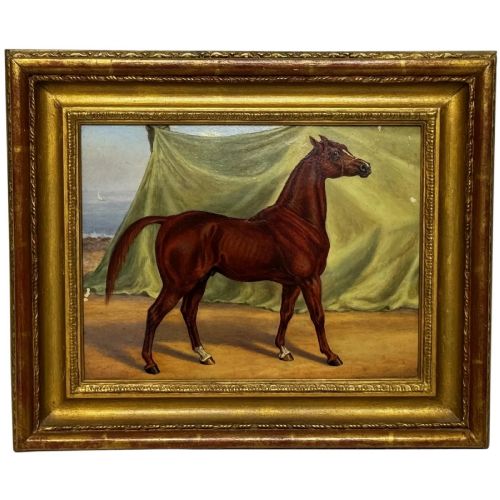
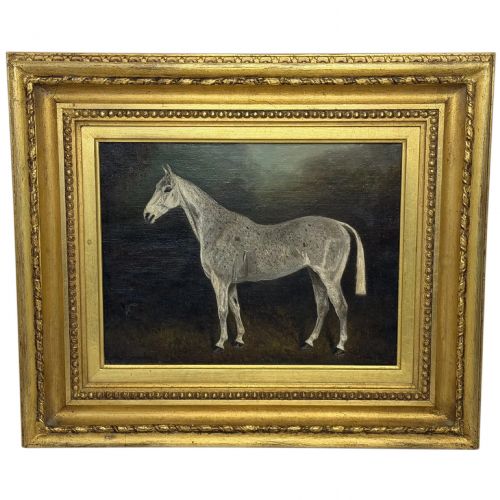
A vintage equestrian painting framed for display brings the rich tradition of equine portraiture and sporting art directly into a room.
Vintage Equestrian Painting Framed
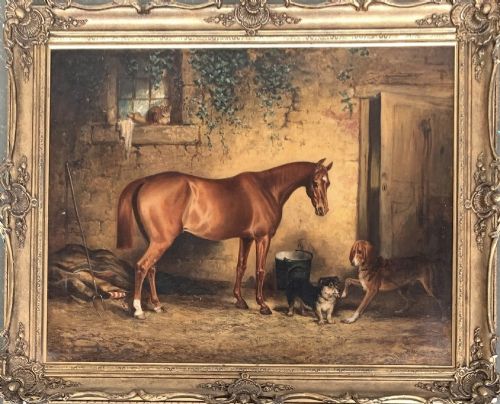
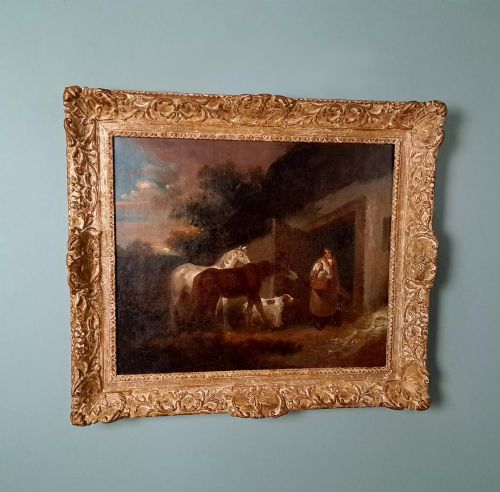
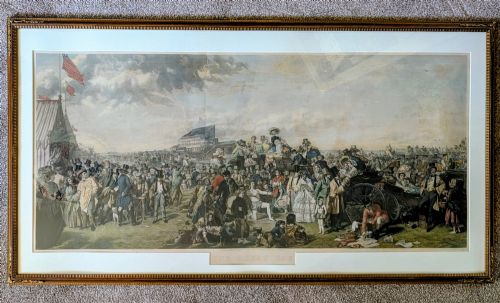
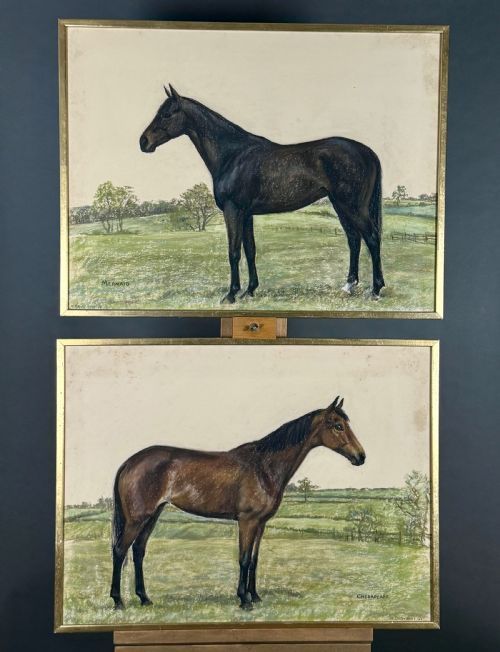
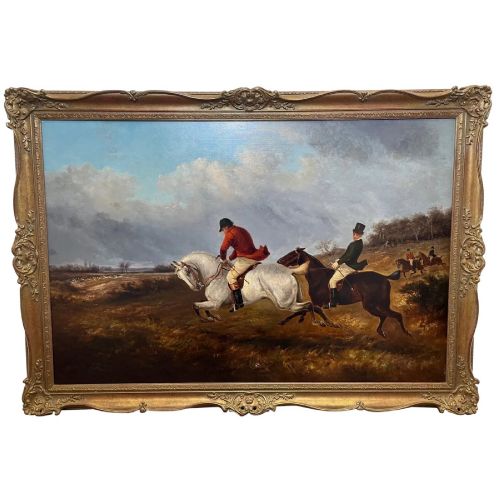
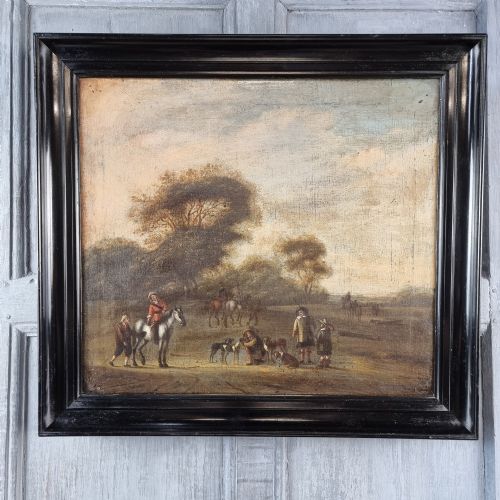
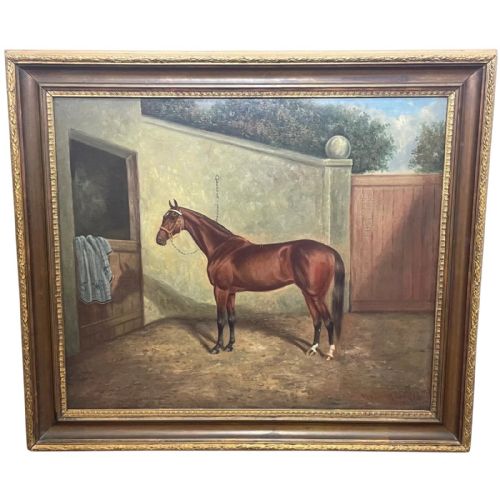
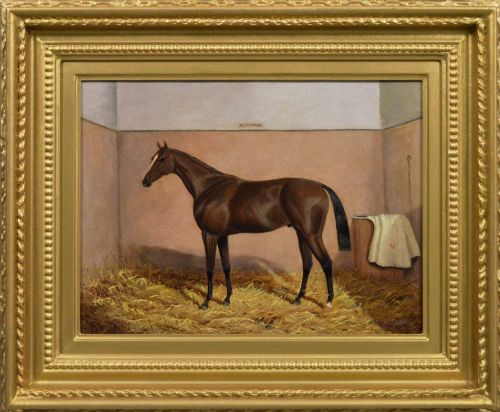
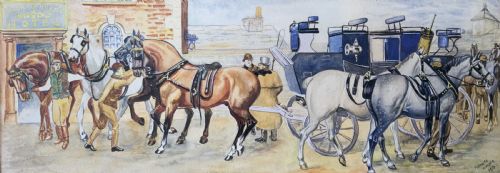
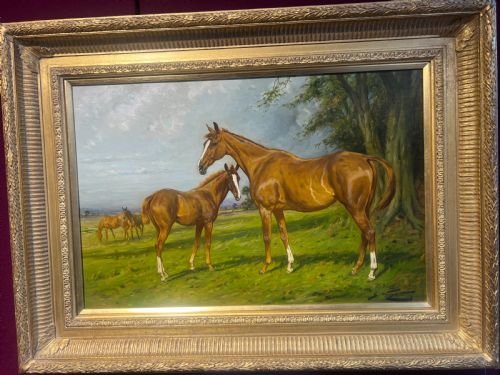
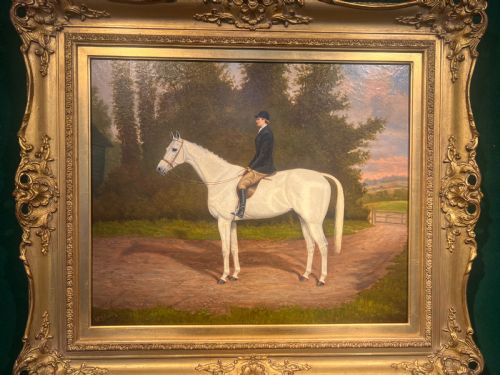
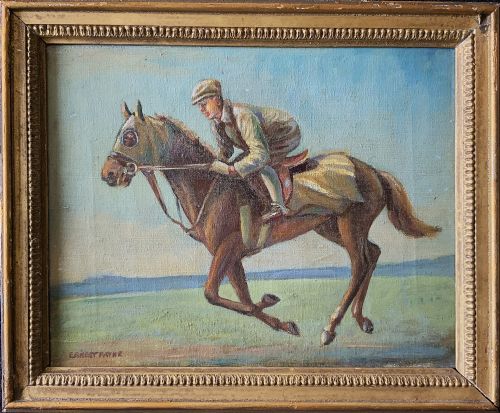
A vintage equestrian painting framed captures horses, racing scenes, hunting moments, and stable life across periods from the nineteenth century through the mid-twentieth century. These works appear in various forms, including detailed oil paintings on canvas, delicate watercolours, and pastels on paper.
The subjects range from named racehorses and prize hunters to coaching scenes and tranquil pasture studies. Buyers will encounter Victorian sporting art alongside later Edwardian and mid-century interpretations of equine life.
Materials and construction
Pigments in oil paint or watercolour are applied to canvas, wood panels, or heavy paper, capturing the texture of horse coats and leather tack. Many works retain their original wood or giltwood frames, which often feature period mouldings and protective glass.
Artists utilised traditional brushwork and layering techniques, particularly in nineteenth-century oils and later twentieth-century studies, to achieve depth in landscapes and animal anatomy.
Several canvases faithfully preserve the names of celebrated nineteenth-century racehorses alongside local hunting hounds.
Assessing quality in equine art
Quality rests upon the anatomical precision of the horse and the artist's ability to render light, movement, and muscle tone convincingly. Weaker works often show stiff proportions or flat backgrounds, whereas superior examples demonstrate confident brushwork and accurate observation of the subject.
The integrity of the original framing, the clarity of the signature or provenance, and the stability of the canvas or paper surface further distinguish finer pieces from standard decorative works.
Henry Barraud·William Joseph Shayer Senior·Thomas Smythe·Frederick Albert Clark·George Wright·Philip Rideout·John Frederick Herring Snr·John Rattenbury Skeaping·Charles Walter Simpson
The Vintage Equestrian Painting Framed Glossary
- Giltwood
- Wood carved and coated with gold leaf or gold paint, frequently used for traditional picture frames. This finish adds a warm, reflective border to the artwork.
- Sporting Art
- A genre of painting dedicated to equestrian subjects, hunting, racing, and rural pastimes. It gained immense popularity during the Victorian and Edwardian periods.
- Oil on Canvas
- A painting technique where pigmented oil paint is suspended in drying oils and applied to a stretched cloth support. This method allows for rich colour blending and longevity.
- Provenance
- The documented history of ownership of an artwork, tracing its origin back to the creator or initial collection. It provides vital evidence of authenticity.
Vintage Equestrian Painting Framed: Frequently Asked Questions
How do I date an equestrian painting?
Dating relies on stylistic clues, artist signatures, framing materials, and the clothing styles of any human figures present in the composition. Records of named racehorses also help anchor the year of creation.
Examination of the canvas weave, stretcher bars, and backing paper can provide further physical evidence of age.
Where should I hang a framed horse painting?
These works suit traditional studies, living rooms, and hallways, particularly against neutral or panelled walls that complement giltwood and dark wood frames. Proper placement avoids direct sunlight to protect pigments and paper.
Ensuring stable room humidity prevents warping in older wood frames and canvas supports.
What is the difference between oils and watercolours here?
Oil paintings on canvas offer rich textures and deep colour saturation, often housed in heavy giltwood or carved frames. Watercolours and pastels on paper present a lighter, more translucent quality and usually require glass protection.
Both mediums document equine subjects but create distinctly different visual atmospheres on the wall.
Are framed antique horse paintings fragile?
Older canvases and works on paper require care regarding moisture, sudden temperature shifts, and physical impact. Original frames with gesso ornamentation can chip if handled roughly.
Routine dusting with a soft, dry cloth keeps the surface clean without risking moisture damage.