


Vintage Entryway Table
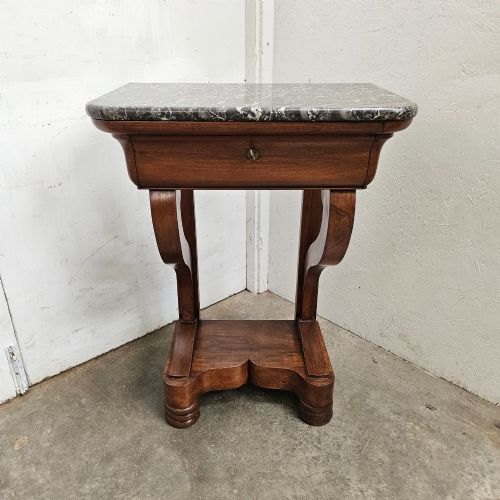
A vintage entryway table grounds a hall with a marble, oak, or mahogany surface designed for daily use.
Vintage Entryway Table
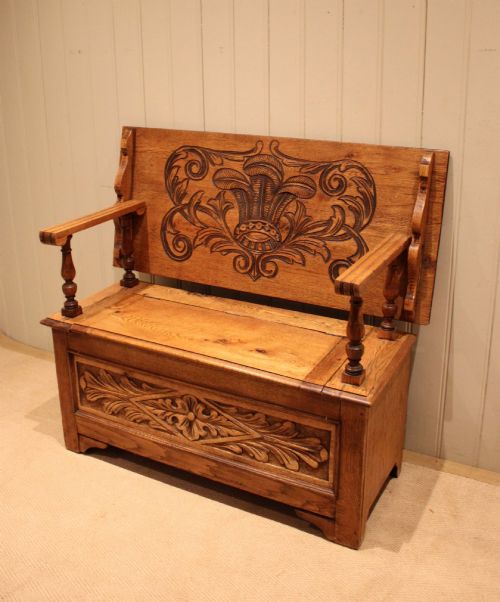
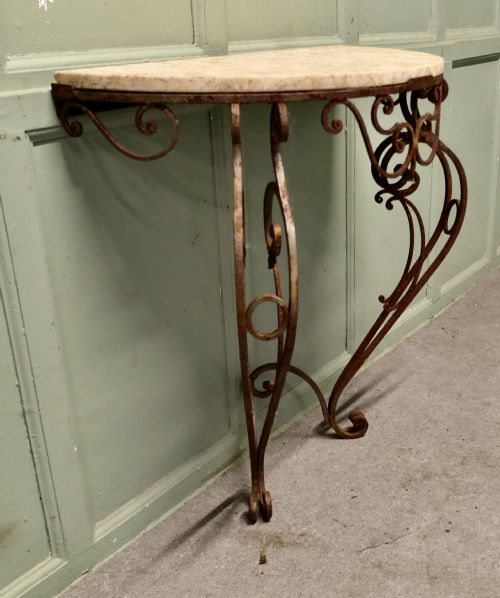
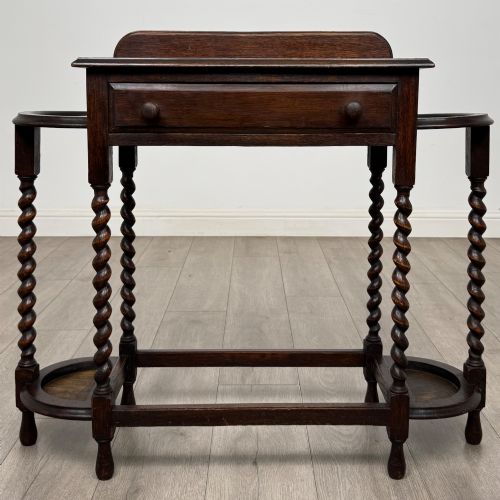
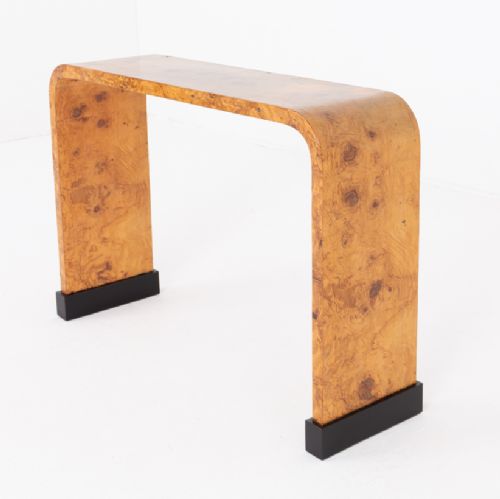
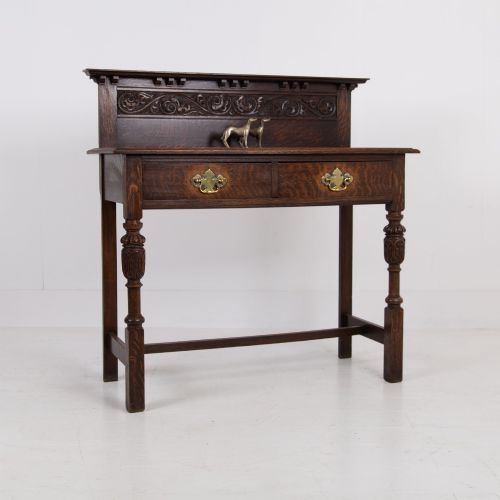
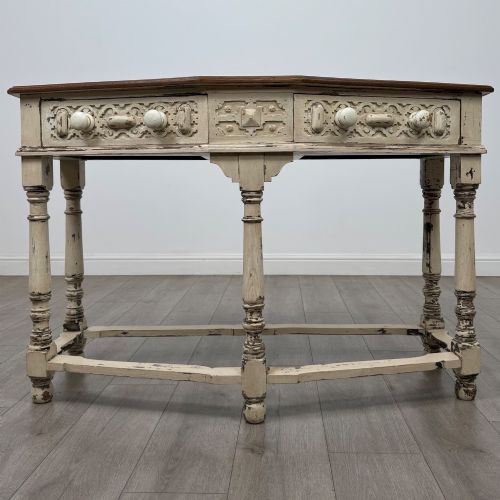
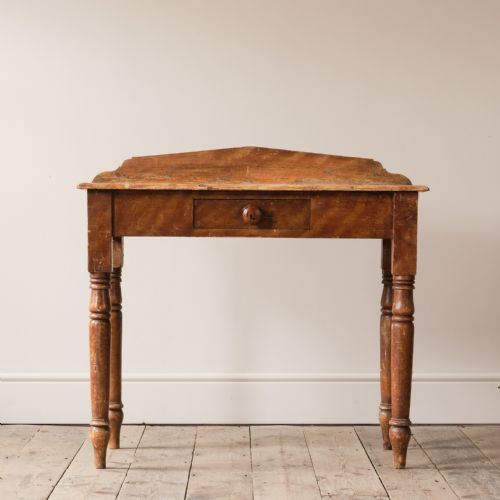
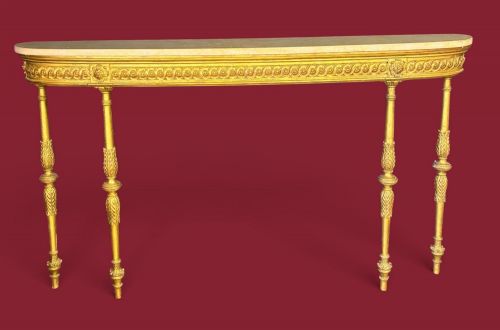
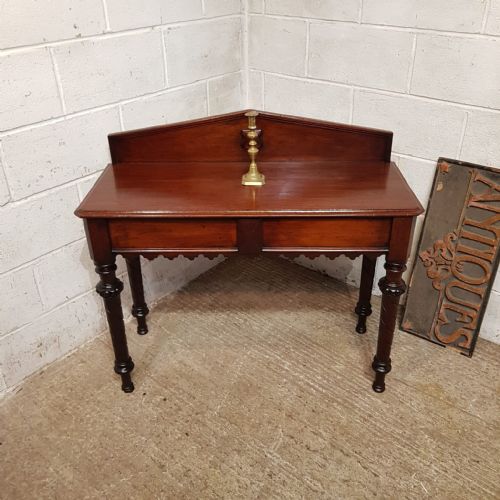
A vintage entryway table serves as a functional surface in a hallway, arriving in forms such as console tables, side tables, hall tables, and hall stands. These pieces range from narrow demi-lune shapes to sturdy oak monks benches and fitted hall stands with mirrors.
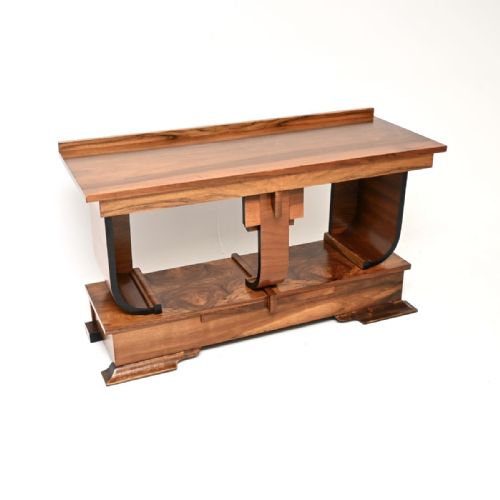
The selection on this page draws heavily from the nineteenth and twentieth centuries, spanning Edwardian, Victorian, Georgian, and Art Deco periods. French influences appear frequently through chateau and country style console tables.
Origins stretch from English workshops to French provincial makers, alongside occasional continental and Asian pieces. Buyers most often meet oak and mahogany tables or marble-topped iron consoles suitable for narrow spaces.
How they were made
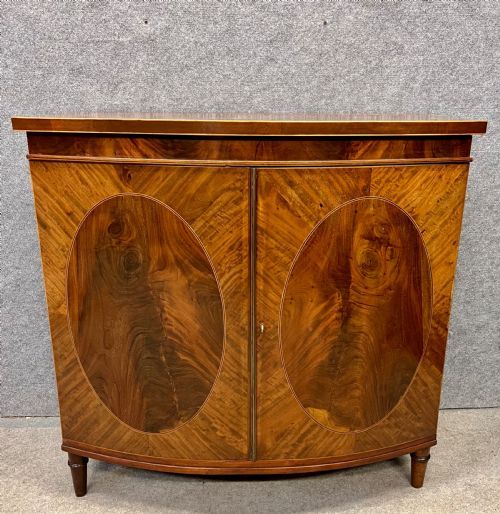
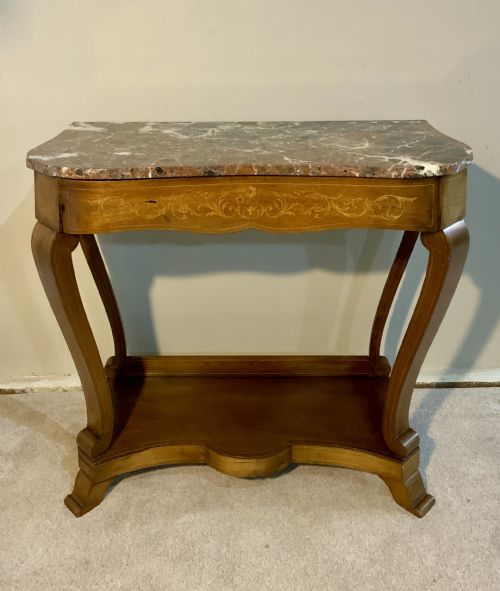
Cabinetmakers utilised solid timbers including oak, walnut, mahogany, satinwood, and pine, frequently shaping them into demi-lune, serpentine, or bowfront profiles. Marquetry inlay, carving, and original paint finishes added surface detail to these wooden frames.
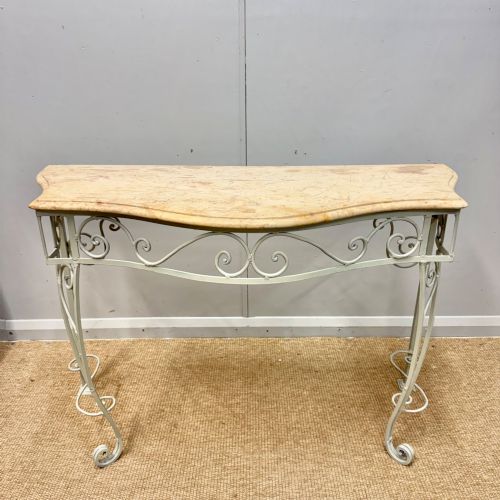
Many tables combined heavy structural materials by mounting heavy marble slabs onto carved giltwood, walnut, or wrought iron bases. Brass accents, mirrors, and ironwork hardware completed pieces intended for functional hallway placement.
Some antique hall stands combined mirrors, umbrella wells, and hidden glove drawers to keep nineteenth-century callers properly organised.
What varies in quality
Quality rests upon the harmony of proportions and the integrity of the materials selected by the maker. Heavy timber construction, well-figured walnut, and thick fossil marble tops separate substantial examples from lighter decorative pieces.
The finesse of the carving, the crispness of any applied gilding, and the retention of original paint or polished surfaces dictate the standing of a table. Superior execution appears in clean joinery and balanced hardware integration.
The Vintage Entryway Table Glossary
- Demi-lune
- Half-moon shape. This curve allows a table to sit flush against a hallway wall while occupying minimal floor space.
- Console table
- A table fixed to a wall or supported by front legs. It provides a narrow surface for display or drop keys in an entrance.
- Giltwood
- Wood covered in thin gold leaf. It creates a bright reflective finish often seen on ornate nineteenth-century frames.
- Hall stand
- A tall hallway fixture combining a table surface, coat hooks, and an integrated mirror. These pieces organise entryways efficiently.
- Baroque
- A decorative style characterised by drama and rich ornamentation. It appears on heavy eighteenth-century tables with dynamic carved details.
Vintage Entryway Table: Frequently Asked Questions
Where should I place a console table?
A console table fits naturally against a blank wall in a hallway or landing where floor space is limited. Its shallow depth keeps circulation paths clear while providing a surface for lamps or post.
Pairing the table with a matching wall mirror or hall stand creates a cohesive entrance arrangement that maximises light and utility in compact spaces.
How do I maintain marble tops?
Marble surfaces require prompt wiping of liquid spills to prevent staining, particularly on porous antique stone. Use a damp cloth with mild soap rather than acidic cleaners that etch the polish.
Applying a specialist stone wax periodically helps protect the finish against everyday wear from keys and decorative objects.
How do I date an oak hall table?
Dating relies on examining the timber grain, construction joints, and stylistic details such as Edwardian inlays or Jacobean Revival carving. The presence of hand-cut joints or original hardware offers clues to the period.
Comparing the decorative motifs with known nineteenth and twentieth-century design movements helps narrow the decade of manufacture.