





Vintage Entry Hall Tree
A vintage entry hall tree greets visitors at the threshold, holding coats, hats and umbrellas while setting the tone for a home.
Vintage Entry Hall Tree
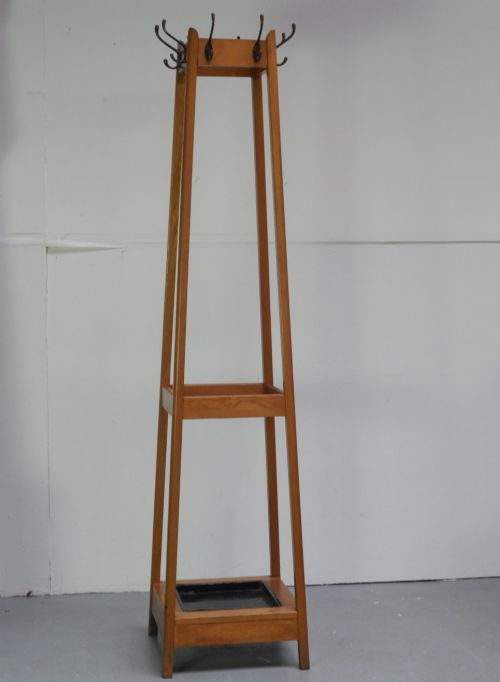
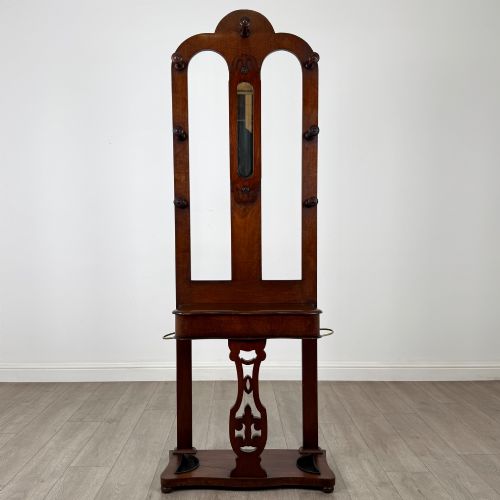
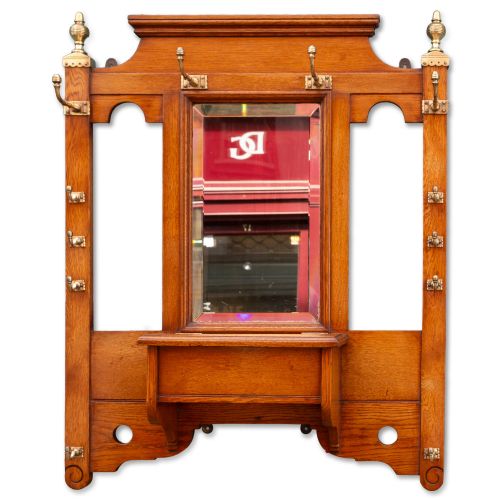
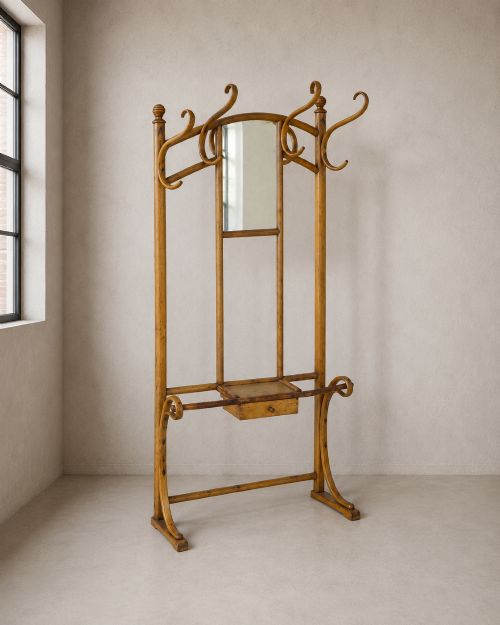
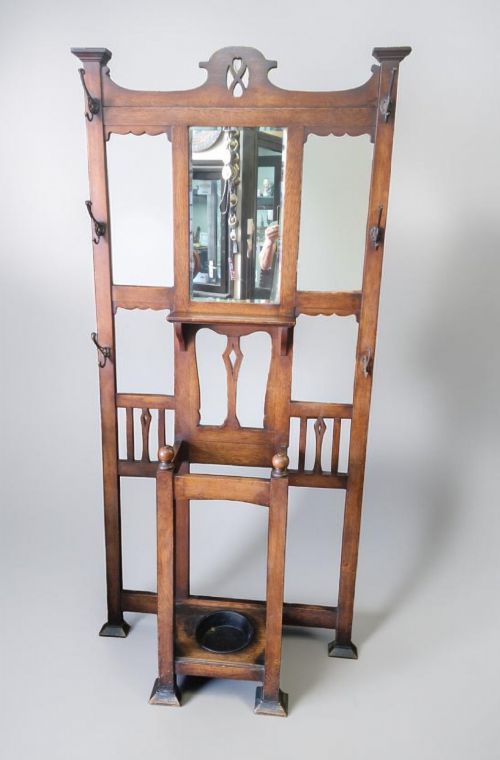
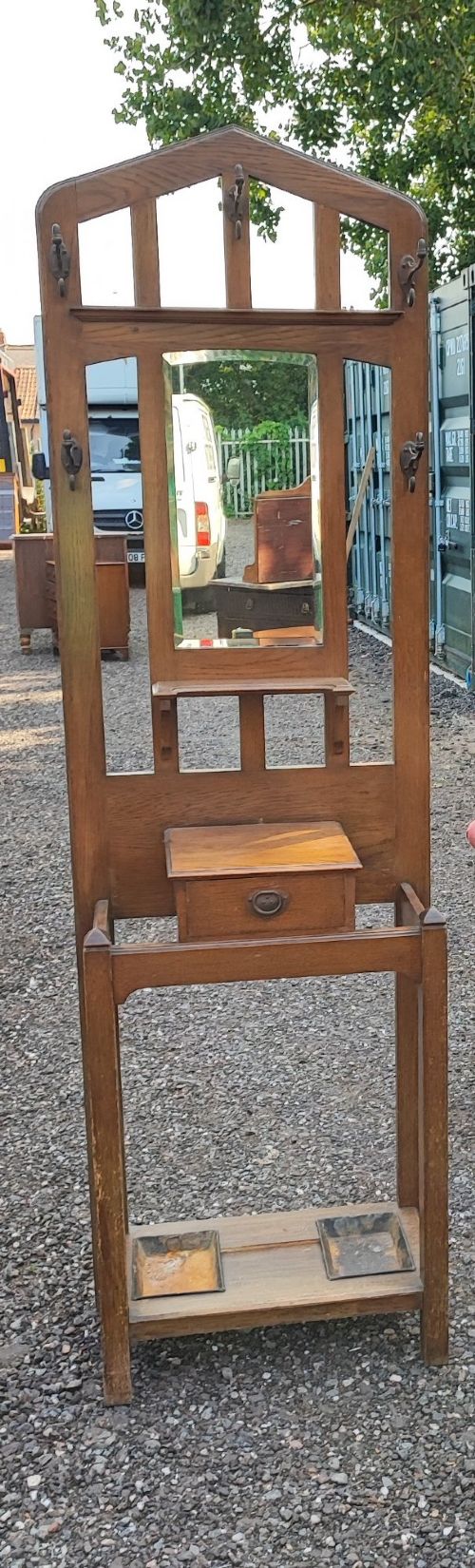
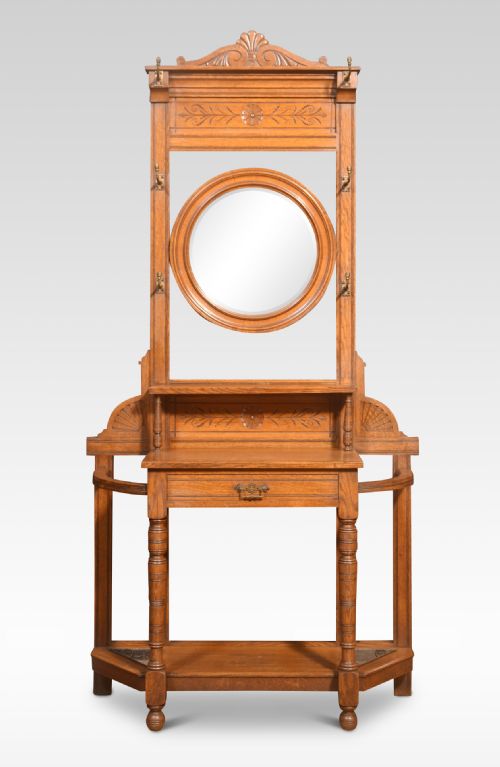
A vintage entry hall tree encompasses functional hallway furniture designed to organise outerwear and accessories upon entering a house. These pieces appear in forms ranging from substantial freestanding stands with integrated mirrors to wall-mounted racks.
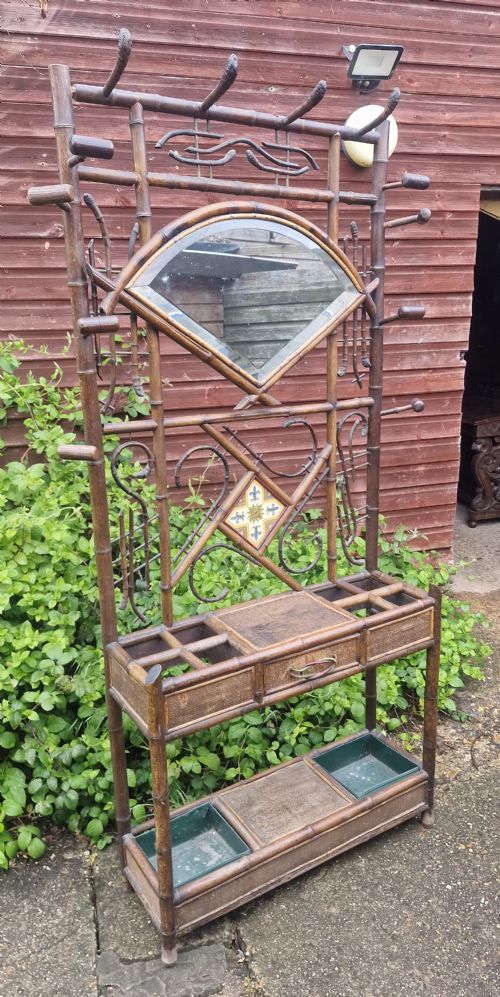
Victorian and Edwardian examples dominate the selection, alongside pieces from the 1900s, 1910s, 1920s and 1930s. Buyers frequently encounter oak and mahogany constructions, complemented by variants in bamboo, walnut, cast iron and wrought iron.
The styles span traditional Victorian and Late Victorian periods through to Arts and Crafts, Art Nouveau, Victorian Gothic Revival, and English Industrial. Such diversity ensures a match for both formal period interiors and eclectic modern hallways.
Materials and construction methods
Makers utilised solid timbers such as oak, walnut and mahogany, often employing carving, fretwork and inlay to decorate the main framework. Bentwood techniques also appear, shaping pliable wood into curved profiles for lighter stands.
Metal components form an integral part of the construction, with brass and iron utilised for coat hooks, umbrella wells and drip trays. Cast iron and wrought iron provide heavy-duty structural support and ornate detailing, particularly in industrial and Victorian designs.
Vintage Entry Hall Tree Retail Price Guide 2026
Typical asking prices for vintage entry hall tree among the pieces listed under this phrase on Sellingantiques today, from the lower quarter to the upper quarter. They describe what is for sale here now, not the wider market.
Listings feature oak, mahogany, walnut, bamboo, brass, cast iron, iron, glass and marble across Victorian to 1930s periods.
Distinctions in craftsmanship
The selection of timber and the depth of carving separate standard utility pieces from finer items. Superior examples feature figured woods, intricate hand-carved detailing and well-executed joinery that remains rigid under the weight of heavy winter coats.
Hardware quality dictates the longevity of a piece, distinguishing robust brass hooks and original cast iron drip pans from later replacements. The integration of components, such as secure mirror mountings and stable umbrella wells, reflects the care taken during original manufacture.
Coalbrookdale·Astrola·Thonet
The Vintage Entry Hall Tree Glossary
- Hall stand
- A freestanding piece of furniture incorporating coat hooks, a mirror, and storage for umbrellas or walking sticks. These versatile items anchor the entrance space.
- Bentwood
- Wood softened by steam and bent into curved shapes. This technique creates lightweight yet strong frames found in early twentieth-century designs.
- Drip tray
- A metal pan placed at the base of a stand to catch water from wet umbrellas. These trays protect wooden floors from moisture damage.
- Fretwork
- Ornamental openwork pattern created by piercing wood with a saw. It adds decorative lightness to heavy timber hall stands.
- Valet
- A specialised furniture fixture or small rack designed to hold daily accessories like hats and gloves. It provides quick access near the front door.
Vintage Entry Hall Tree: Frequently Asked Questions
What is a vintage entry hall tree used for?
A vintage entry hall tree serves as a central station for outdoor wear, providing hooks for coats and hats alongside storage for umbrellas and walking sticks. Many incorporate mirrors and small compartments for keys or gloves.
Placing one in a hallway keeps everyday clutter contained while offering a practical spot for last-minute preparations before stepping outside.
How do I choose the right size?
Measure your hallway width and ceiling height carefully, noting that freestanding stands require sufficient floor clearance around umbrella bases. Wall-mounted racks suit narrower corridors where floor space is limited.
Consider the scale of surrounding furniture to ensure the piece balances the proportions of your entrance hall.
How do I care for wooden hall furniture?
Maintain the wood by dusting regularly with a soft cloth and applying periodic coats of appropriate wax to preserve the finish. Avoid placing damp items directly onto vulnerable wooden surfaces.
Utilising the built-in metal drip trays for wet umbrellas prevents moisture from reaching the base timbers.
Can these stands support heavy winter coats?
Most solid oak, mahogany and cast iron stands easily support heavy garments thanks to their robust original construction. Ensuring the piece is stable on the floor or securely anchored to the wall is key for heavy loads.
Distributing weight evenly across the available hooks prevents undue stress on individual joints.