
Thonet Coat Tree
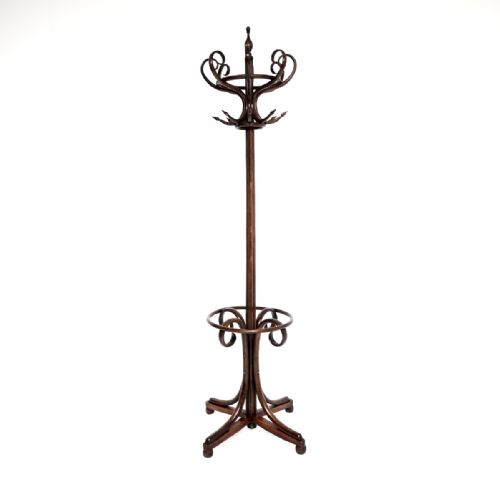
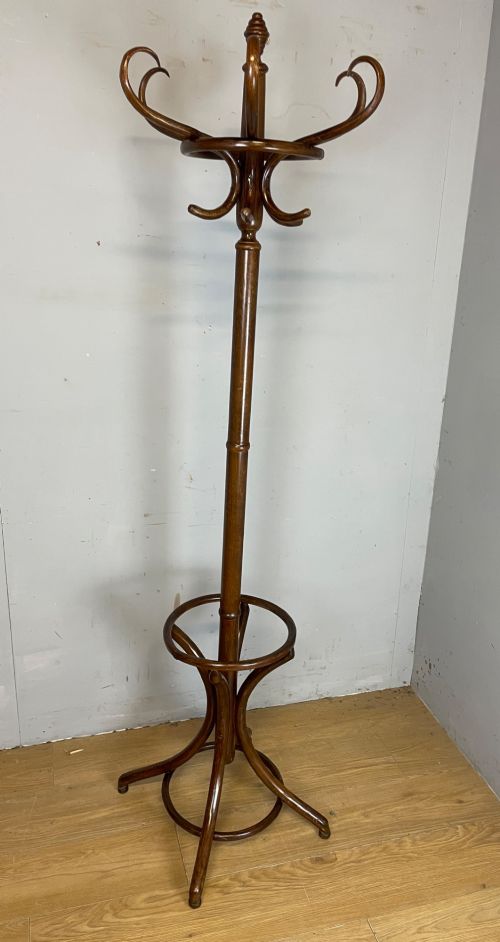
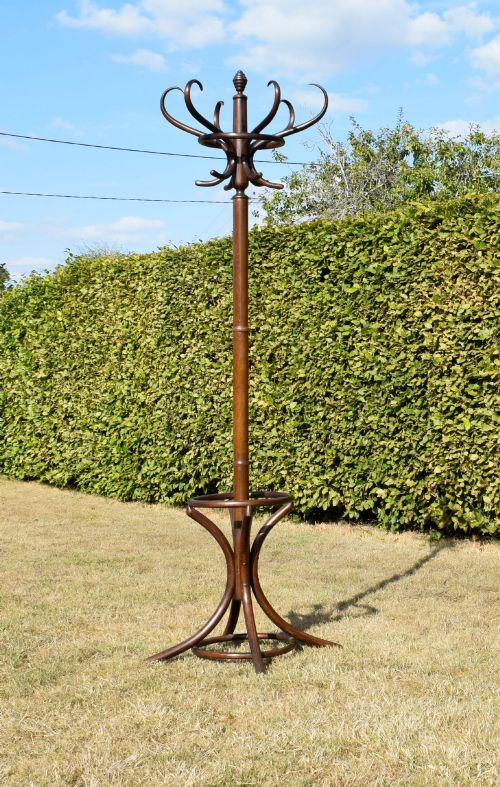
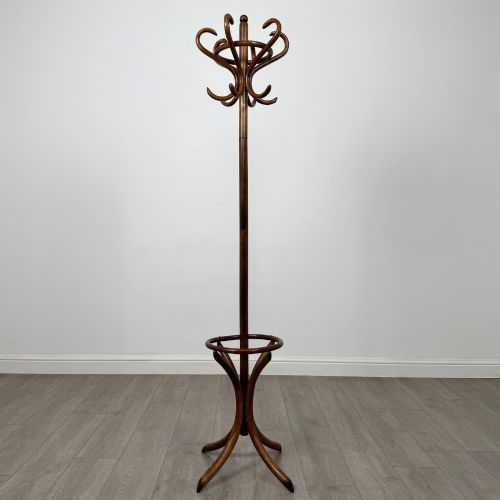
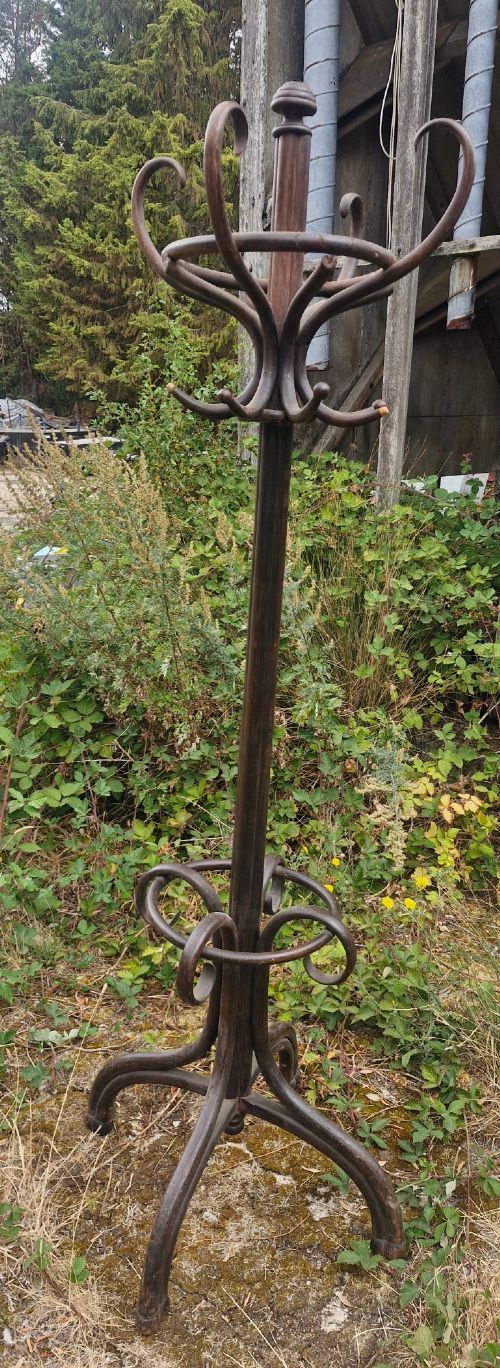
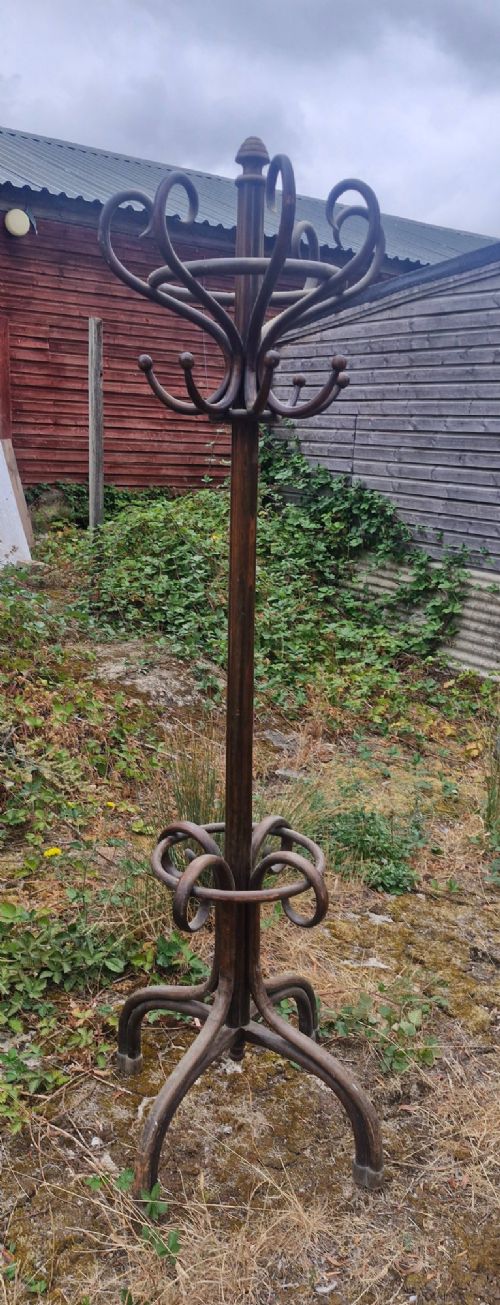
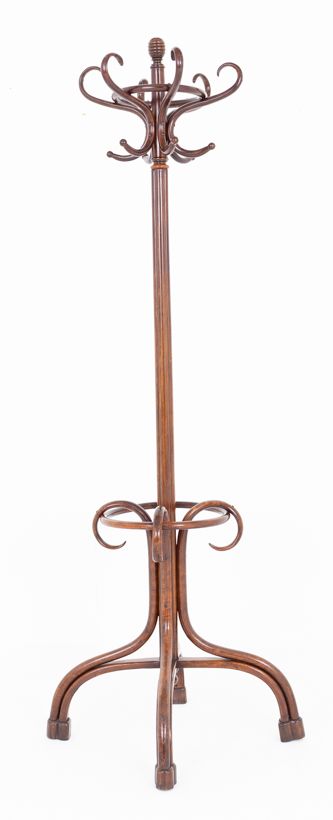
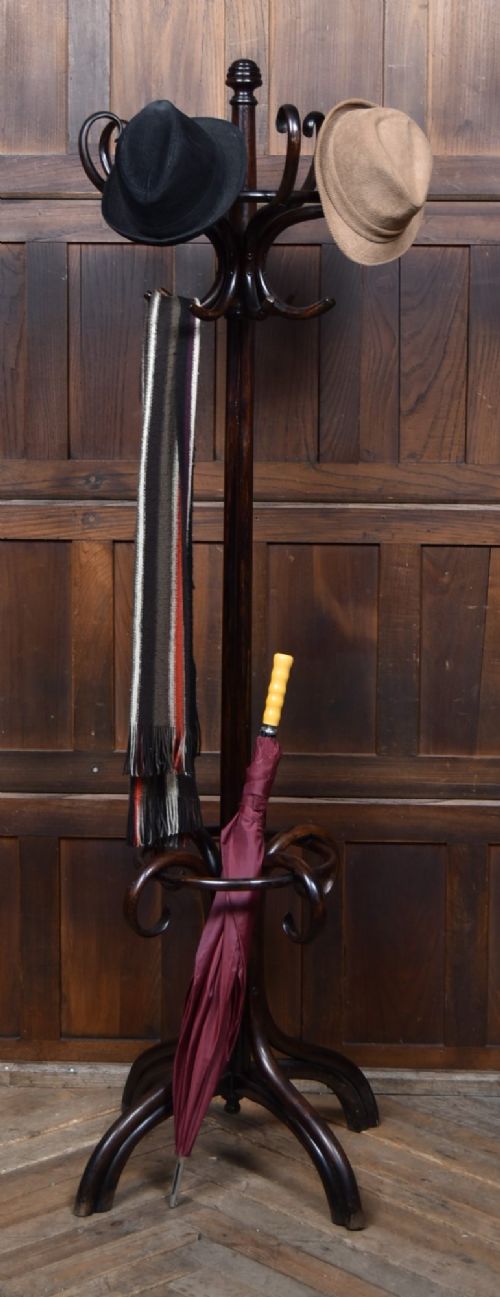
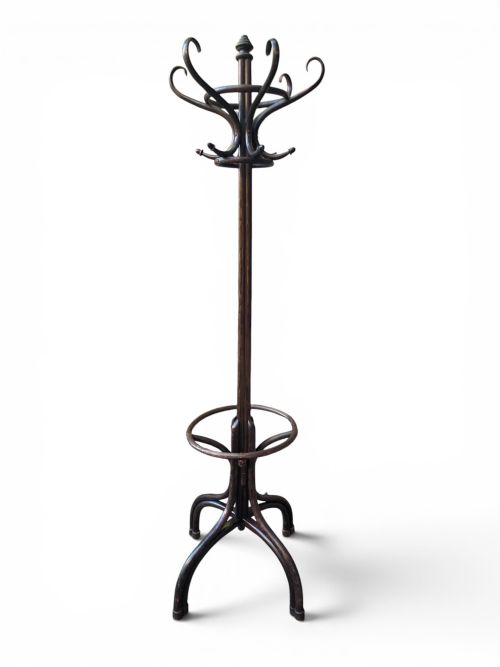
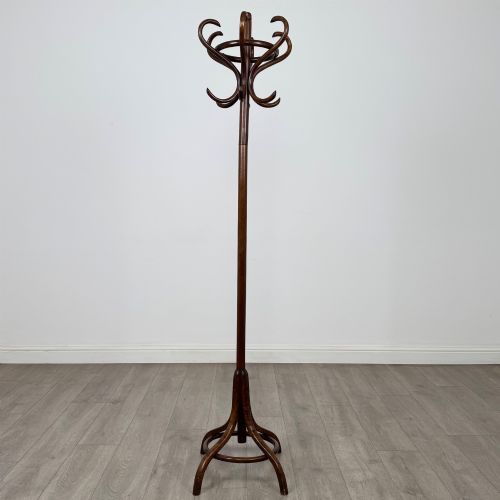
A Thonet coat tree is a triumph of steam-bent beechwood, offering sculptural utility for holding hats, coats, and sticks.
Thonet Coat Tree
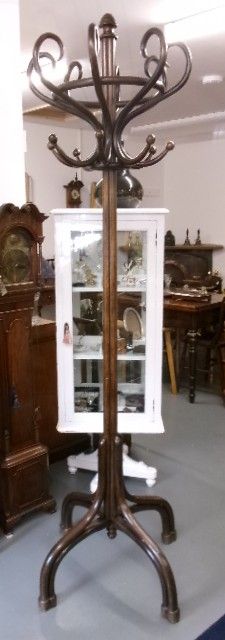
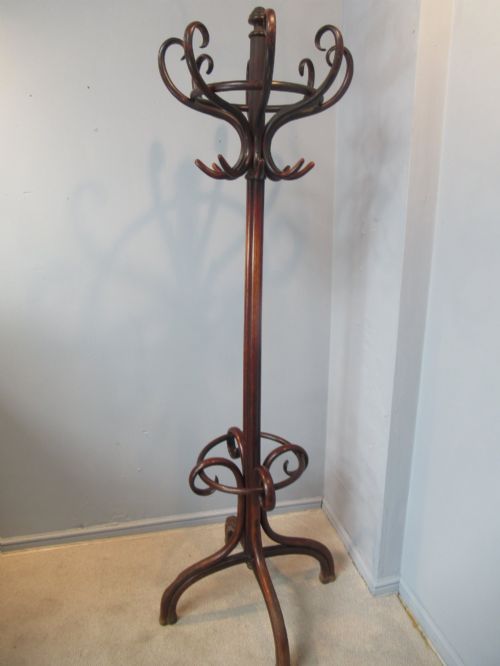
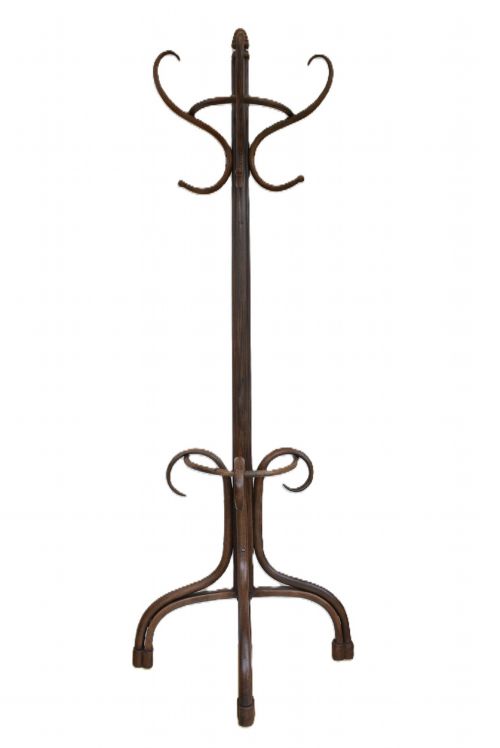
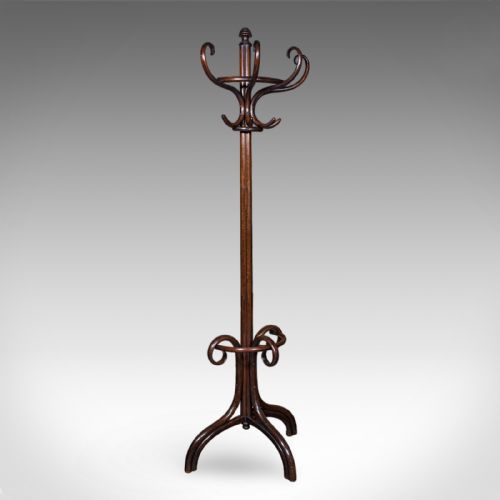
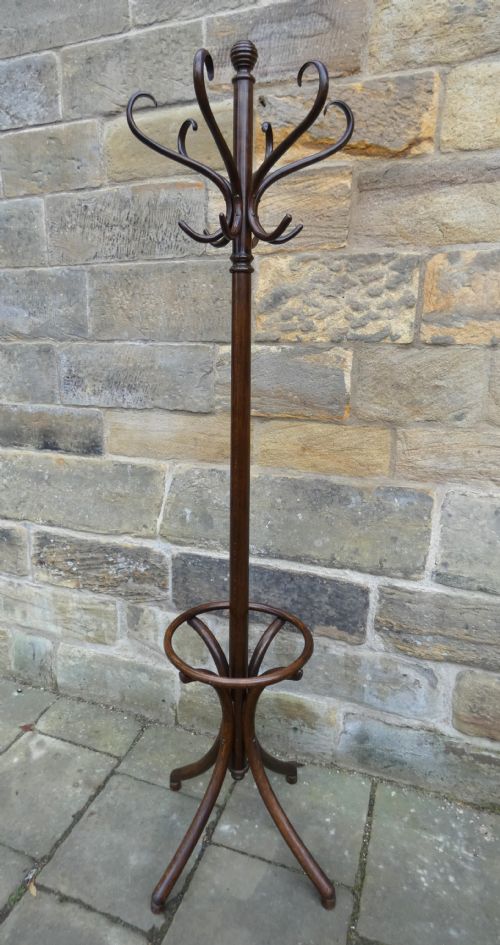
When you search for a thonet coat tree, you look at upright pieces designed for hallway organisation, spanning the late nineteenth century through to the nineteen-thirties. The most common versions on this page are tall stands fashioned from curved beechwood with multiple upper hooks for hats and coats.
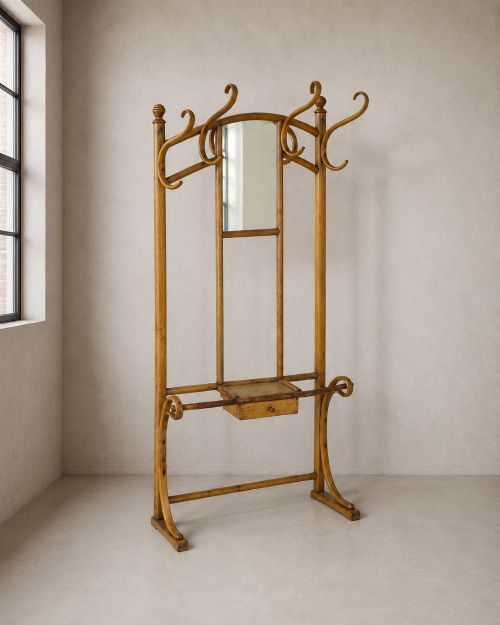
Many examples incorporate revolving top sections or half-round Demi Lune shapes designed to sit flat against a wall. These utilitarian hall stands reflect the domestic requirements of Victorian and Edwardian entryways, combining structural lightness with sturdy capacity.
How They Were Made
The construction relies heavily on solid beech and steamed beechwood, which manufacturers subjected to moisture and heat to achieve smooth, sweeping curves. This bentwood technique allowed makers to shape structural stems and sweeping hook brackets without relying on heavy joinery.
Surfaces often received a wood stain or honey-coloured finish to accentuate the grain of the beech. Glass elements sometimes appeared in associated components, whilst the structural integrity depended entirely on the precise tension and shaping of the steamed timber.
Listings feature beech and bentwood forms spanning from the eighteen-eighties through the Edwardian period and into the nineteen-thirties.
What Varies in Quality
Quality separates ordinary production from superior pieces through the complexity of the wooden framework and the weight of the timber. Finer examples display double top tiers, revolving mechanisms that move smoothly, or heavy build specifications that ensure stability under a load of winter garments.
Attribution also plays a role in distinction, as labelled pieces from known makers command greater interest than unmarked alternatives. The crispness of the curved joins and the retention of original honey-toned staining further separate standard utility items from exceptional examples.
Thonet·Fischel
The Thonet Coat Tree Glossary
- Bentwood
- Wood that has been shaped by being subjected to steam and pressure. This technique forms the characteristic flowing curves seen in these stands.
- Demi Lune
- A half-moon shape used for wall-standing furniture. These hall stands sit flush against a wall to save floor space.
- Hall Stand
- An entryway piece combining coat hooks, hat racks, and umbrella storage. They organise visitor garments in domestic hallways.
- Beechwood
- A hard, fine-grained timber commonly utilised for steam bending. It provides the necessary strength and flexibility for tall coat trees.
Thonet Coat Tree: Frequently Asked Questions
How do I date a bentwood coat stand?
Dating relies on construction methods, labels, and design patents from periods such as the Victorian era or the nineteen-tens. Earlier pieces often feature distinct maker stamps or paper labels from workshops like Thonet or Fischel.
Examination of the bentwood curves and the assembly of the base also provides clues. Pieces from the nineteen-twenties and nineteen-thirties tend to show slight variations in turning and hardware compared to nineteenth-century examples.
Are these coat stands stable enough for heavy coats?
These stands are engineered to balance weight evenly across their spreading wooden legs. Distributing heavy winter coats symmetrically keeps the structure upright during daily use.
Wall-standing or half-round versions offer additional stability by resting close to vertical surfaces. Placing heavier items on the lower or opposing hooks prevents tipping.
How do I care for stained beechwood?
Maintaining stained beechwood involves dusting with a dry cloth and occasionally feeding the surface with appropriate wood wax. Avoiding direct sunlight prevents the honey-coloured stain from fading over decades.
Excess moisture should be kept away from the timber to protect the original finish and the steam-bent joints. Gentle cleaning preserves the natural patina of the wood.