


Vintage Entry Chandelier
These vintage entry chandelier pieces illuminate thresholds with French and Edwardian elegance.
Vintage Entry Chandelier
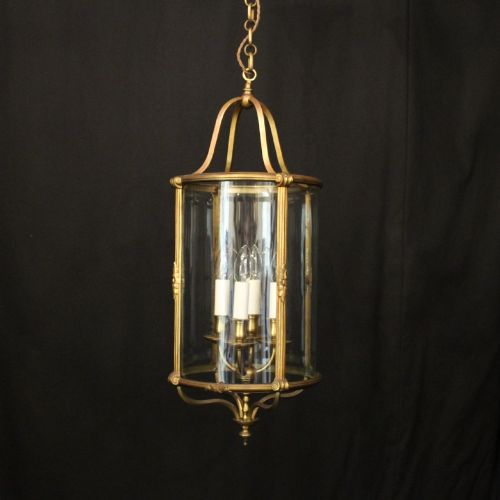
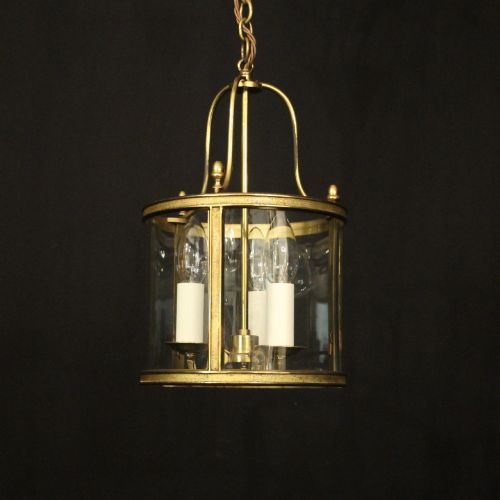
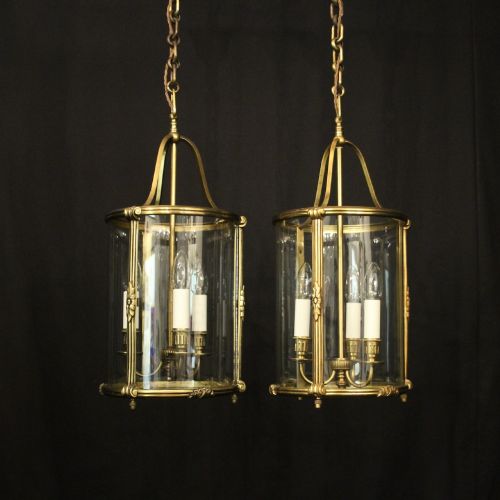
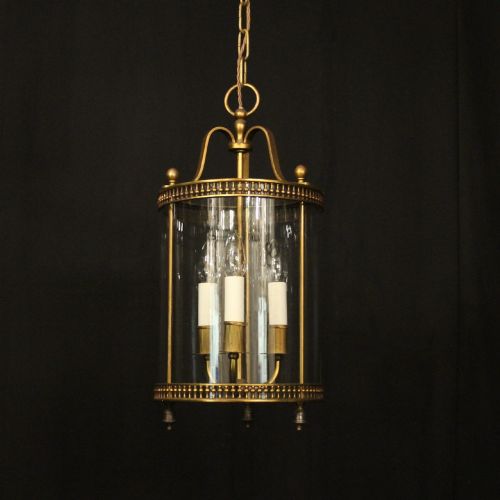
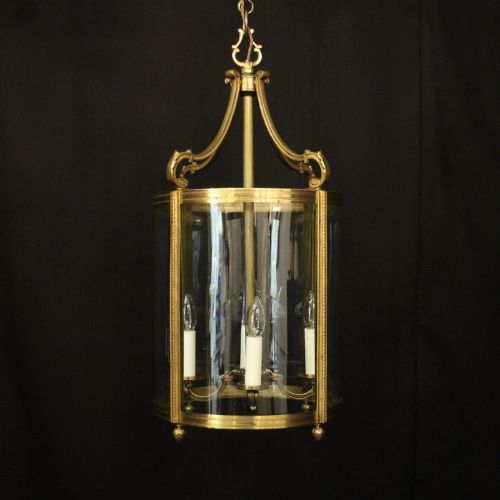
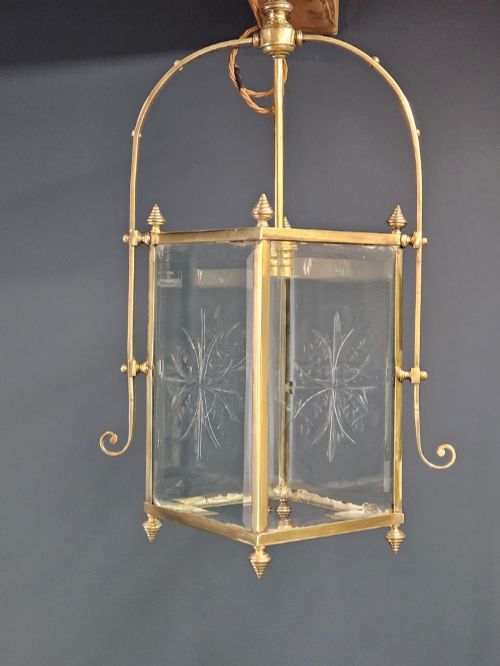
When you search for a vintage entry chandelier, you are looking at ceiling lights, hall lanterns, and pendant lights designed to hang in corridors and vestibules. The pieces on this page are predominantly French hall lanterns, alongside English and Italian examples.
Most items take the form of hanging lanterns featuring glass panels set within metal frames. You will frequently encounter fixtures dating from the 1920s and 1930s, as well as 19th-century and Edwardian pieces.
The styles lean heavily towards French neoclassical, French Louis XV, and French Louis XVI designs. These vary from single light fixtures to larger four-light versions suitable for grand spaces.
Materials and construction
The frames are constructed from brass, bronze, gilded bronze, and gilt brass, often combined with glass panels. Metalwork techniques include casting and gilding to achieve the characteristic metallic lustre.
Makers utilised glass panels, which are frequently convex to diffuse the light from the internal bulbs. Metal components such as gilded bronze and silver gilt metal were shaped into classical and chateau forms.
Convex glass panels were originally shaped to make single candle flames appear multiplied within the brass cage.
Quality variations
Quality in these lanterns is defined by the weight and fineness of the metalwork. Cast bronze and heavy brass frameworks sit at a different level from lighter constructed alternatives.
The intricacy of the cast detailing, particularly in French neoclassical and Louis-style frames, distinguishes finer examples. Additionally, the clarity and curvature of the glass panels contribute to the overall refinement.
The Vintage Entry Chandelier Glossary
- Convex glass
- Glass panels that curve outward. This shape helps to cast light wider across a hallway.
- Gilt bronze
- Bronze that has been coated with a thin layer of gold. It provides a durable and rich metallic finish.
- Hall lantern
- A ceiling-hung light fixture designed specifically for corridors and entryways. These typically feature protective glass sides around the bulbs.
- Edwardian
- A period spanning the reign of King Edward VII until 1910. Pieces from this era often display lighter proportions than their Victorian predecessors.
- Louis XVI
- A French design style characterised by classical symmetry and straight lines. It draws inspiration from ancient Greek and Roman forms.
Vintage Entry Chandelier: Frequently Asked Questions
Where should I hang a hall lantern?
These fixtures are designed for entryways, hallways, and stairwells where ceiling height permits a hanging light. They provide functional illumination while serving as a decorative focal point upon entering a building.
Ensure you measure the drop height carefully to allow adequate clearance below the lantern. High ceilings in period properties accommodate larger four-light versions particularly well.
How do I date a brass hall lantern?
Dating relies on stylistic clues, construction methods, and materials such as the distinction between Edwardian brass framing and 1930s French production. Examining the fixings and the type of glass panels also offers guidance.
Consult the period markers in the listing details to understand the era of manufacture. Pieces span from the 19th century through to the early decades of the twentieth century.
Are these lights suitable for low ceilings?
Most hanging lanterns require a certain amount of vertical space due to their suspension chains and frames. Single light versions often have a more compact profile than large four-light models.
Check the overall dimensions before purchase to ensure the fixture fits your specific ceiling height. Shorter suspension setups can sometimes be adapted safely by an electrician.
How do I clean a gilded bronze lantern?
Dust the metal and glass components gently with a soft, dry cloth to prevent accumulation. Avoid harsh chemical cleaners that might strip the gilt surface or damage the bronze.
Specialist metal cleaners should be used with extreme caution on gilded or plated surfaces. Professional restoration advice is recommended for delicate antique finishes.