

Antique Hall Pendant Light
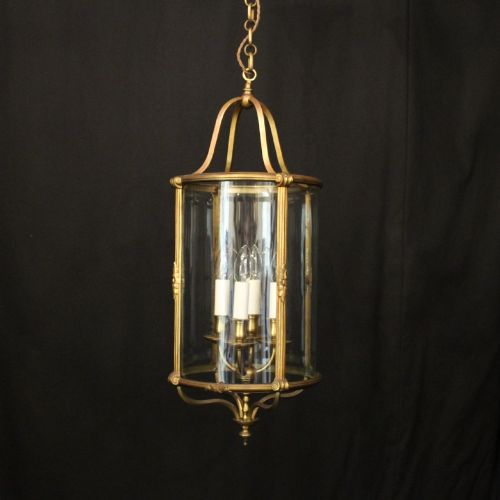
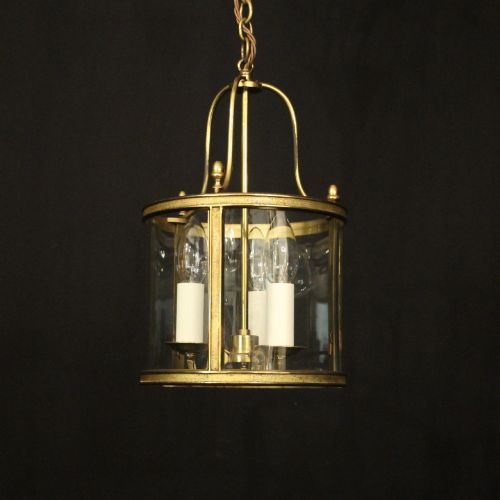
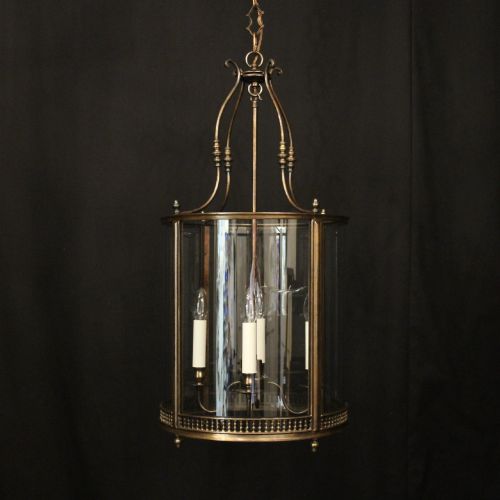
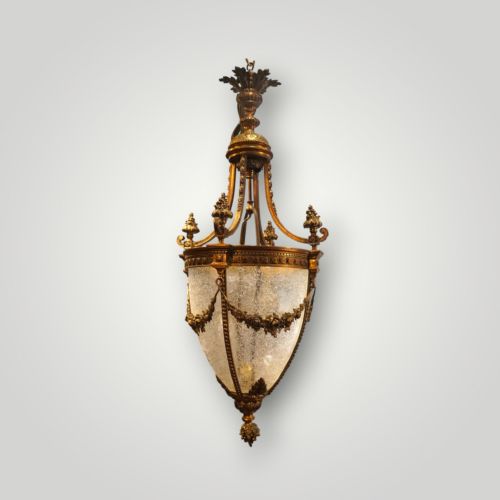
These antique hall pendant light fixtures bring entrance spaces alive with period brass, bronze and leaded glass.
Antique Hall Pendant Light
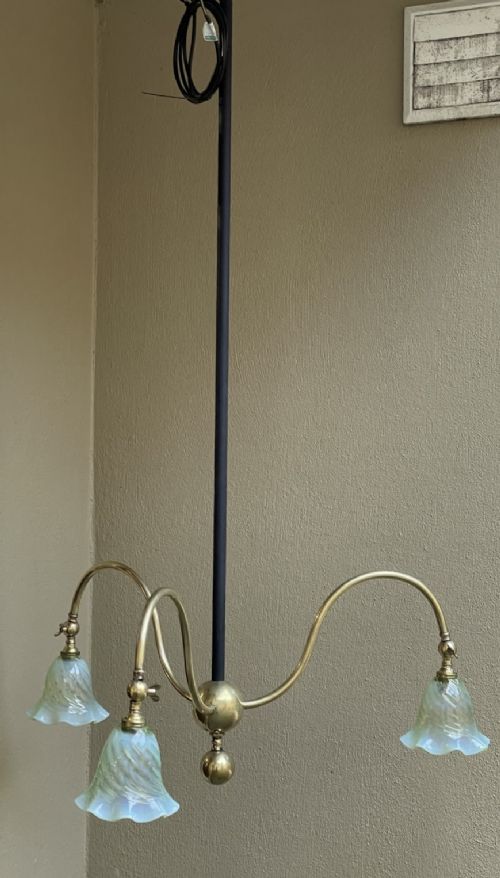
An antique hall pendant light serves as a primary overhead fixture for entranceways, corridors and stairwells, offering both illumination and architectural presence. Buyers seeking this phrase encounter hanging lanterns, ceiling lights and chandeliers spanning the nineteenth century through the nineteen-thirties.
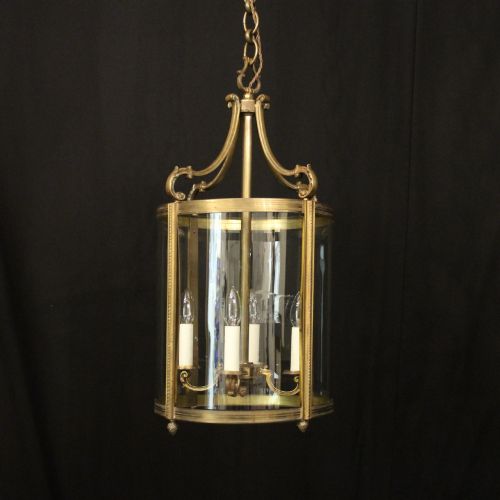
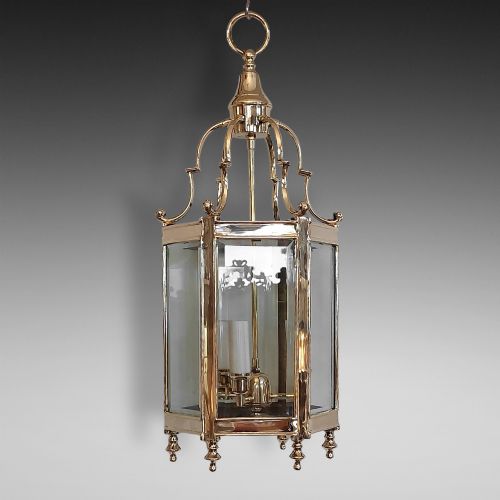
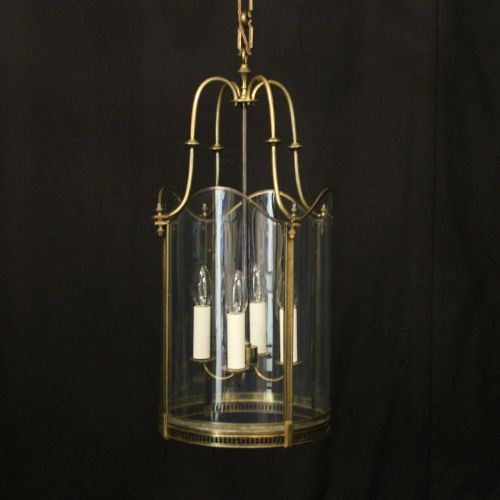
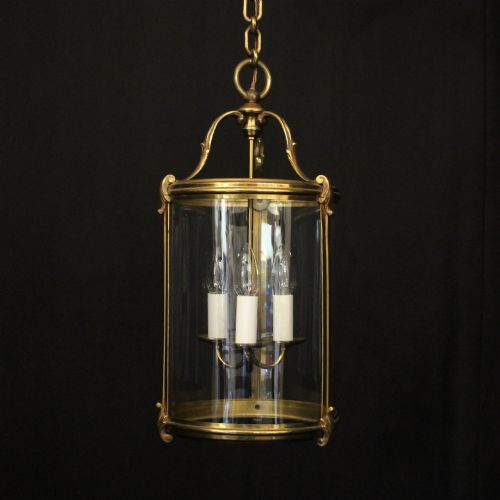
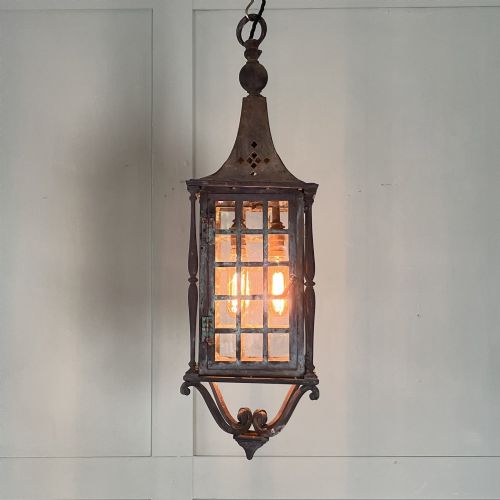
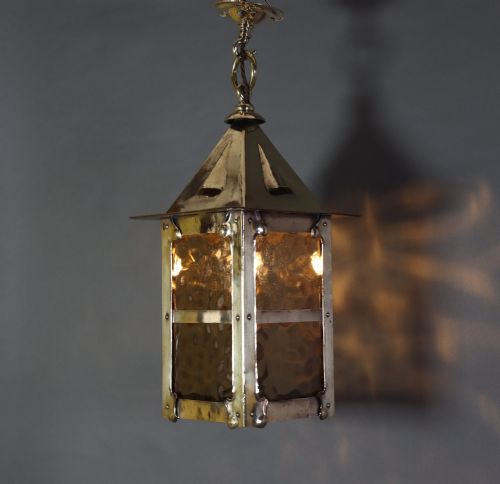
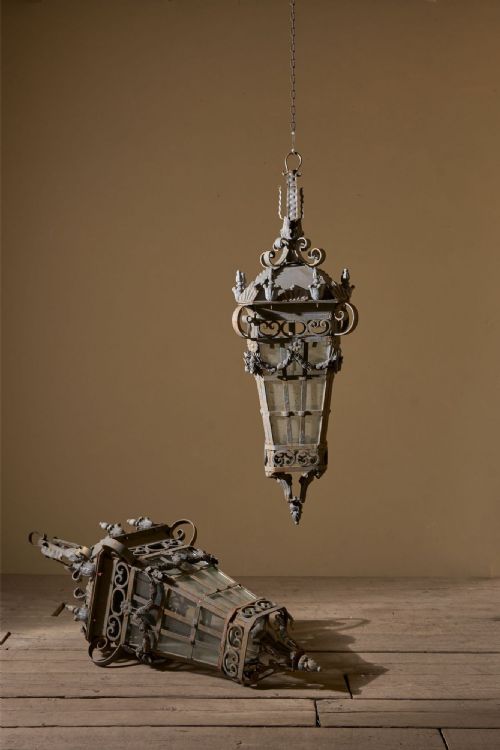
The pieces appearing most frequently on this page combine glazed panels with metal frames, often taking hexagonal, square or convex forms. These designs originate from English and French workshops, encompassing Victorian, Edwardian and Arts and Crafts aesthetics.
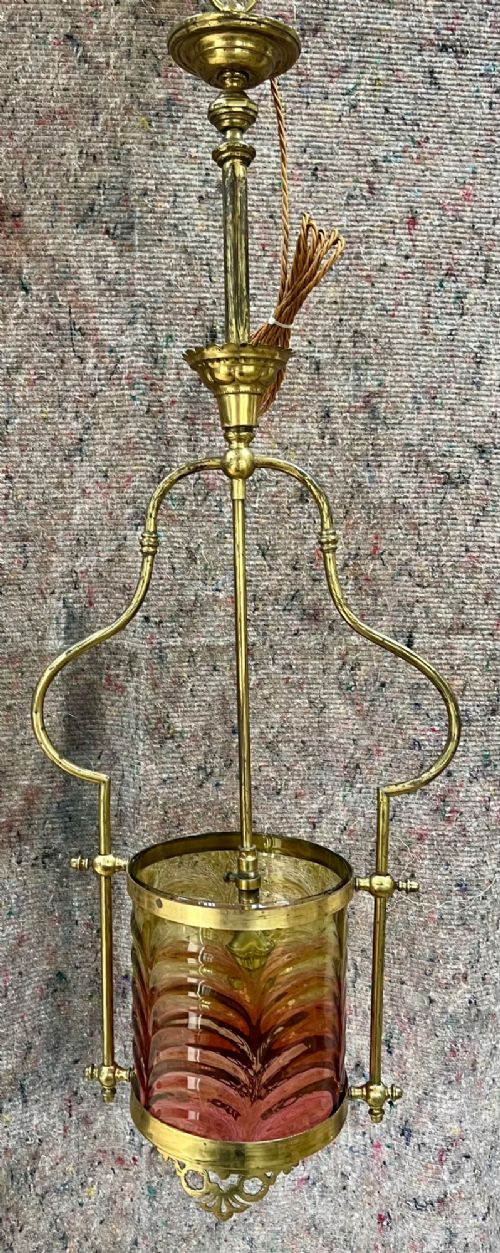
Makers designed these fixtures to command narrow spaces without overwhelming them, suspending the light source cleanly from ceilings. The selection ranges from single-bulb brass lanterns to multi-light gilded bronze iterations suited to grander halls.
Assessing quality in period hanging lights
Quality reveals itself in the weight of the metal casting, the crispness of decorative chasing and the integrity of the structural joints. Finer pieces employ heavier gauges of brass or bronze and feature hand-blown or deeply convex glass rather than thin, uniform panes.
The sophistication of the decorative vocabulary distinguishes standard utility lighting from exceptional examples. Superior lanterns display refined proportions, integrated hardware such as operational access doors, and complex finishing like fire-gilding or detailed polychrome work.
Listings feature periods from the nineteenth century up through the nineteen-thirties, including Victorian and Edwardian examples.
The Antique Hall Pendant Light Glossary
- Convex glass
- Curved glass panes that project outward from the lantern frame. This shape disperses light more widely across a hallway.
- Hall lantern
- A ceiling-suspended lighting fixture enclosed in glass and metal. It is designed specifically for entrance areas and corridors.
- Leaded glass
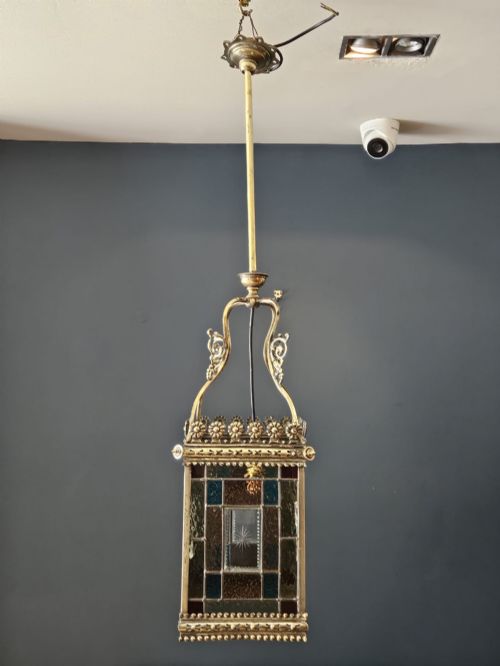
- Individual pieces of glass joined together by strips of leadcame. This technique allows for geometric or stained glass patterns within the lantern walls.
- Gilt bronze
- Bronze metal treated with a thin layer of gold or a gold-coloured finish. It provides a rich, warm reflectivity to the fixture.
- Bulls eye glass
- Thick, round glass panes featuring a central circular distortion left from the glassblowing process. They catch and refract light distinctively.
Antique Hall Pendant Light: Frequently Asked Questions
Were these lights originally electrified?
Most surviving pieces from the nineteenth and early twentieth centuries were originally adapted from gas or candle power to electricity during their working lives. Makers designed many frames with internal access doors specifically to facilitate burner maintenance and later rewiring.
Today, finding a fixture that has been converted to electricity is standard practice. Modern internal wiring can be neatly threaded through the original suspension chains and brass tubes.
How do I clean antique glass panels?
Carefully remove the glass panels from the metal frame if the retaining clips or tabs allow safe disassembly. Wash them gently in warm soapy water using a soft cloth to avoid scratching fragile surfaces.
Dry the panels thoroughly before reinserting them into the frame. Take extra care around leaded or stained sections to prevent loosening the historical solder joints.
What is the difference between Victorian and Edwardian lanterns?
Victorian lanterns tend to feature heavier brass frames, ornate detailing, and Gothic Revival or classical influences. Their proportions are often substantial, designed to suit high-ceilinged nineteenth-century townhouses.
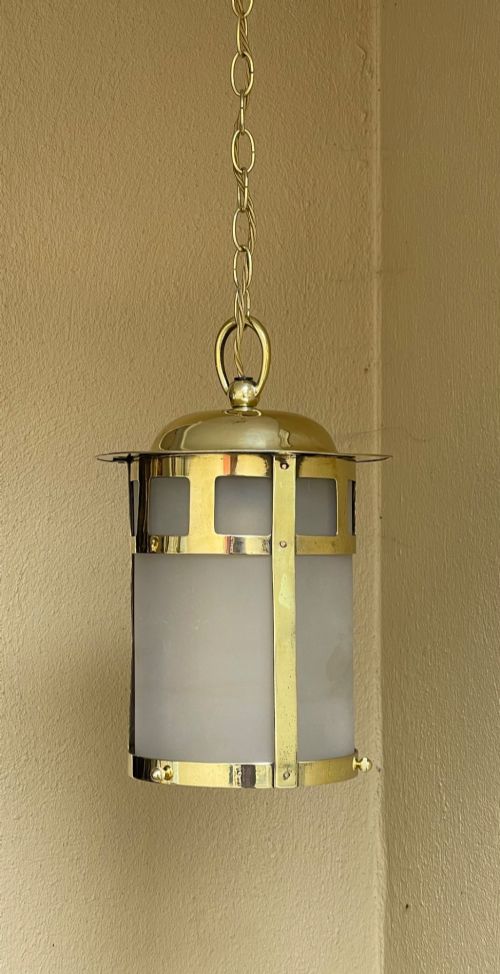
Edwardian examples frequently show lighter brass construction, simpler geometric forms, and early influences from the Arts and Crafts movement. They reflect a shift towards cleaner lines in domestic hallway decoration.