


French Country Hall Light
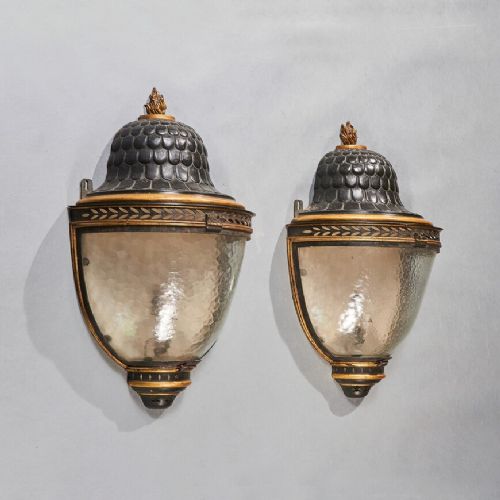
These french country hall light fixtures bring warmth to an entryway, combining rustic charm with refined metalwork from the nineteenth century.
French Country Hall Light
A french country hall light brings distinct provincial character to an entrance, drawing on traditions of rustic European and classical design. When searching for this style, buyers encounter pieces that span the nineteenth century, including specific dates such as 1880 and 1920.
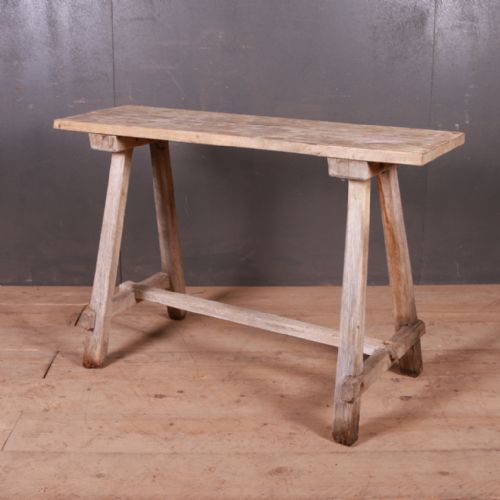
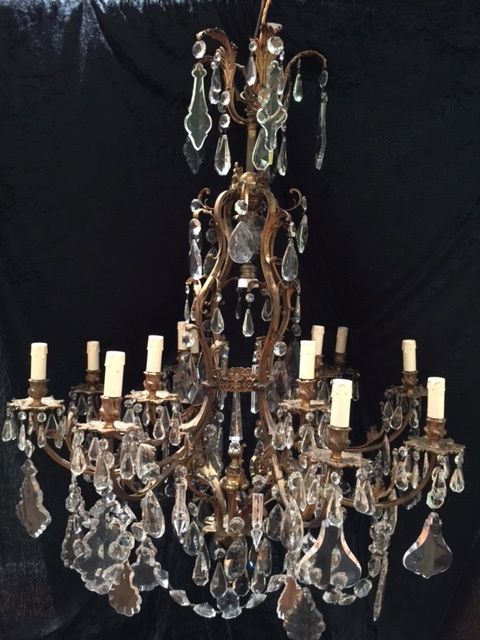
The selections on this page encompass various forms of hanging and wall-mounted illumination. Hall lanterns, wall lanterns, and chandeliers predominate, occasionally accompanied by related furniture such as console tables, centre tables, benches, and settles.
Originating primarily from French workshops, these pieces reflect the aesthetic of provincial chateaus and country homes. The design vocabulary relies heavily on French provincial, neoclassical, and rustic European traditions rather than ornate urban luxury.
Materials and Construction
Metalwork forms the structural backbone of these fixtures, utilising brass, bronze, and parcel gilt metal. Artisans frequently applied a gilded finish to brass and bronze components to catch and reflect candlelight or early electric illumination.
Glass panels enclose the light sources, working in tandem with painted metal elements like tole peinte. Oak, timber, chestnut, sycamore, and elm appear in related furniture pieces, showing traditional joinery and surface bleaching.
Assessing Quality and Craftsmanship
The refinement of the cast metalwork distinguishes superior examples from simpler ones. Superior pieces display crisp detailing in gilded bronze and brass, whereas lesser versions rely on simpler junctions and heavier, less articulate casting.
The integration of glass and painted components indicates the maker's skill. Fine hall lanterns balance delicate tole peinte or parcel gilt surfaces with robust structural frames, ensuring the piece maintains visual balance from every angle.
The French Country Hall Light Glossary
- Tole Peinte
- Painted sheet metal used extensively in decorative lighting and accessories. This technique allowed artisans to introduce vibrant colour and intricate surface patterns to metal fixtures.
- Parcel Gilt
- Partially gilded metal where gold leaf is applied only to specific raised areas or details. This creates a striking contrast against the darker bronze or patinated brass underneath.
- Hall Lantern
- An enclosed hanging light fixture designed specifically for corridors and entrance halls. They typically feature glazed panels to protect the light source from drafts.
- Settle
- A wooden bench with a high back and solid arms, often featuring storage beneath the seat. In a provincial interior, this piece sat near the entrance for practical daily use.
French Country Hall Light: Frequently Asked Questions
What is a french country hall light?
A french country hall light is a hanging or wall-mounted fixture designed for entryways, incorporating materials like gilded brass, bronze, and glass.
These pieces draw on provincial French styles from the nineteenth century, blending rustic utility with refined decorative metalwork.
How were these lanterns used originally?
Originally, these fixtures held candles or early oil lamps to illuminate dark entrance halls and corridors for residents and visitors.
Positioned in high-traffic zones, they served both a practical purpose and a decorative function, welcoming guests into the home.
How do I live with antique lighting?
Living with antique lighting involves balancing historical character with modern electrical needs. Many pieces adapt easily to contemporary wiring while retaining their original patinated frames.
Ensure the scale of the lantern matches your ceiling height and hallway proportions to create a balanced interior space.
How do I identify nineteenth century styles?
Identifying nineteenth-century pieces requires examining the materials, casting techniques, and stylistic markers such as neoclassical symmetry or provincial rustic forms.
Looking closely at the metal composition, such as gilded bronze or tole peinte, helps narrow down the period and regional origin.