



Vintage English Lead Crystal
Vintage English lead crystal brings together centuries of drinking vessels and tableware shaped by Georgian, Regency, Victorian, and Edwardian hands.
Vintage English Lead Crystal
When you search for vintage English lead crystal, you find functional tableware and barware spanning from the eighteenth century into the twentieth. The selection relies heavily on Georgian, Regency, and Victorian pieces, alongside Edwardian designs.
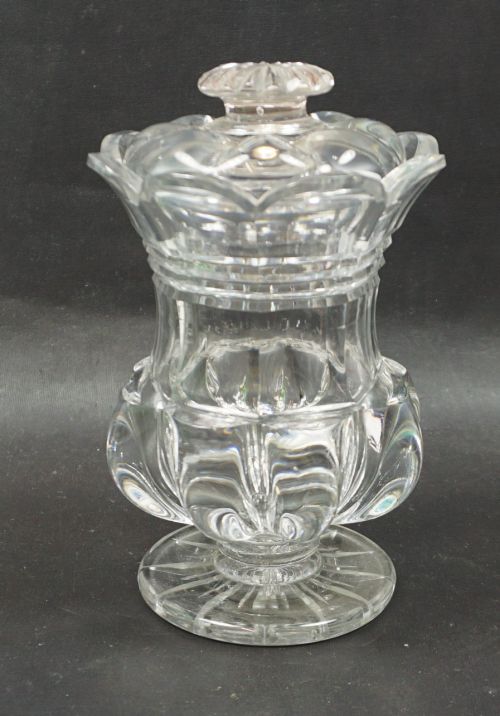
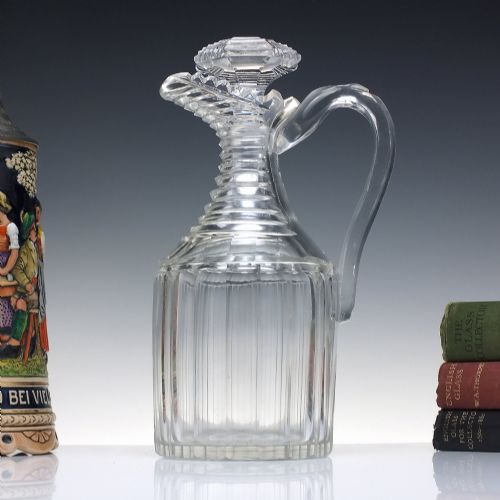
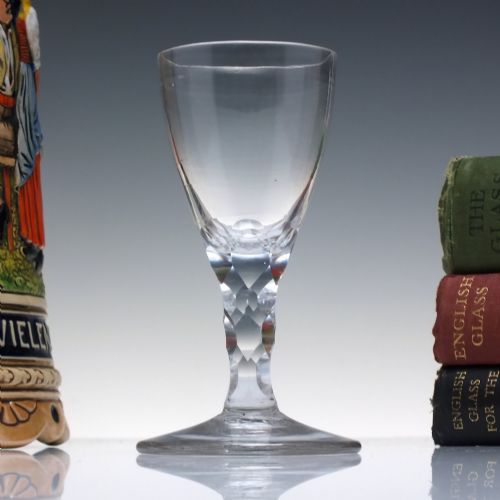
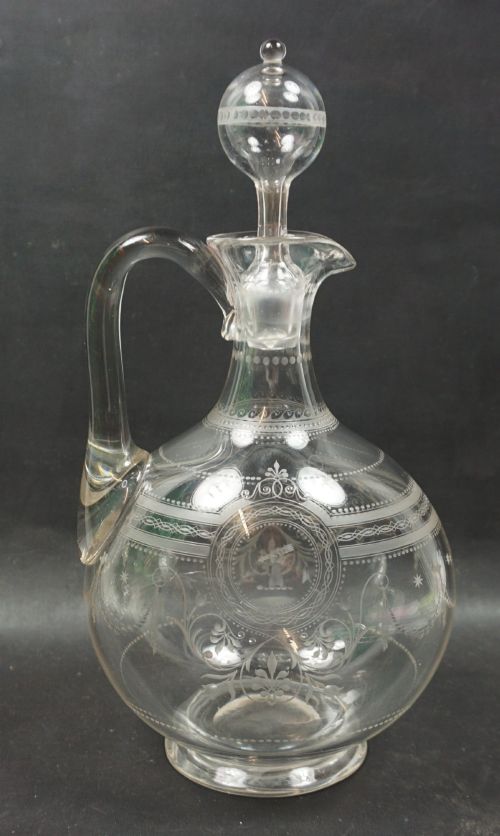
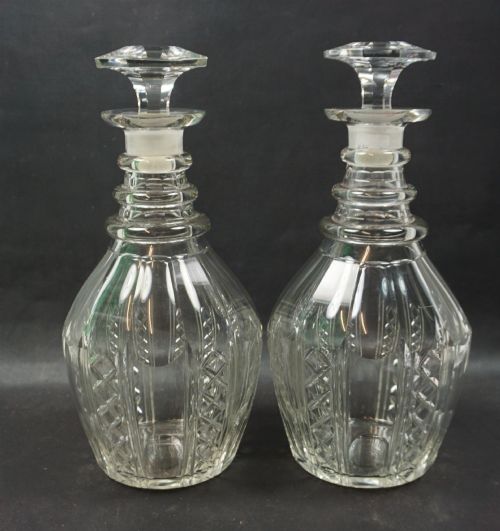
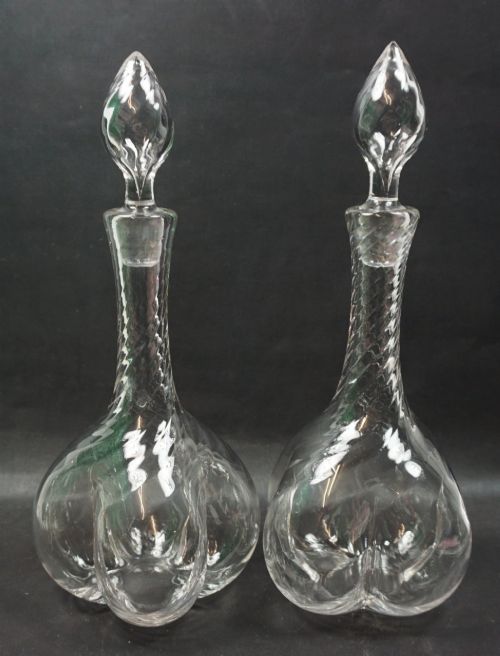
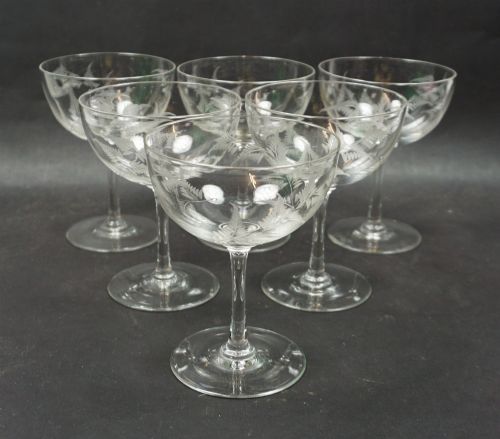
The objects range from decanters, claret jugs, and rummers to wine glasses, champagne coupes, preserve jars, and ice plates. Drinking vessels dominate the group, alongside serving pieces intended for the table or sideboard.
Materials and methods of production
Makers utilised lead glass, flint glass, and heavy crystal, often working clear glass to emphasise brilliance and refractive quality. Coloured glass appears selectively, notably in turquoise green vessels from the early nineteenth century.
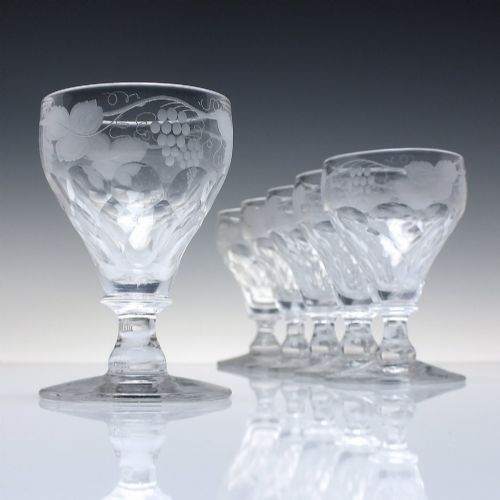
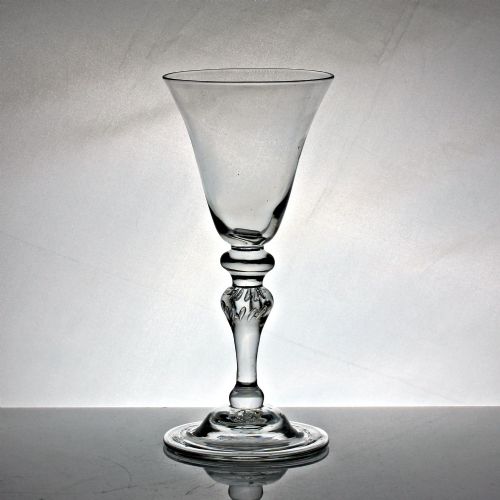
Decoration relied on free-blown shaping, pillar moulding, and precise wheel-cutting, alongside intricate engraving depicting hops, barley, and ferns. Stemware featured specialised internal structures including air twists, mercury twists, and opaque twists.
Vintage English Lead Crystal Retail Price Guide 2026
Typical asking prices for vintage english lead crystal among the pieces listed under this phrase on Sellingantiques today, from the lower quarter to the upper quarter. They describe what is for sale here now, not the wider market.
Listings span from the 18th century through the Georgian, Regency, and Victorian eras to the Edwardian period.
Distinctions in execution and design
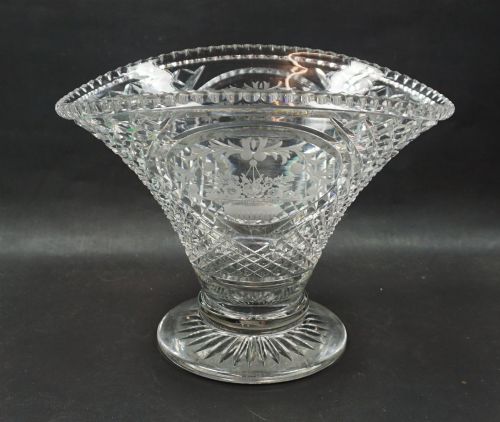
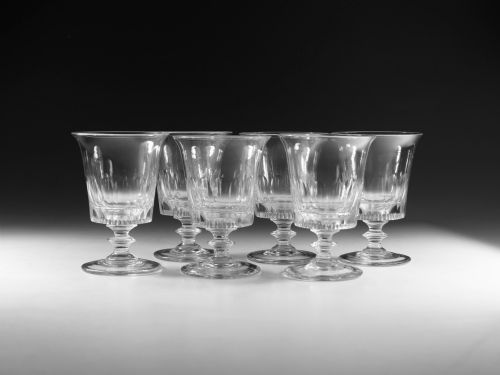
Quality rests on the crispness of the facet cutting, the depth and clarity of the engraved motifs, and the weight of the metal itself. Heavier crystal and balanced proportions mark the upper end of domestic production.
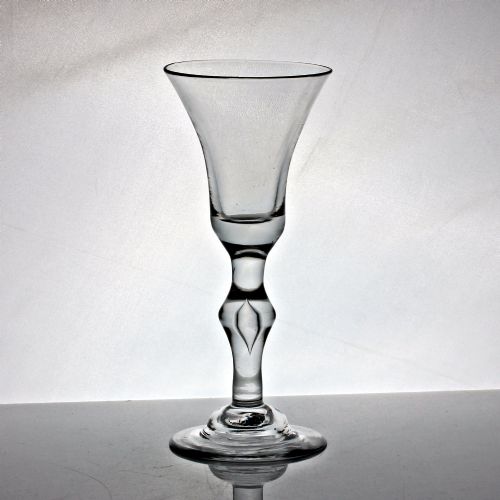
Proportion and symmetry separate standard utility items from finer tablewares, particularly in baluster stems, decanter ring moulding, and the alignment of engraved crests or botanical details.
John Walsh Walsh·Webb England
The Vintage English Lead Crystal Glossary
- Lead crystal
- Glass containing lead oxide which increases weight, refractive index, and working time for cutting. This material allows deep, sharp facets that scatter light.
- Rummer
- A large, heavy drinking glass used for ale, wine, or spirits during the eighteenth and nineteenth centuries. These vessels often feature engraved botanical motifs like hops and barley.
- Air twist
- A stem containing an elongated thread or spiral of tiny air bubbles trapped within the glass. Makers produced this effect by drawing out twisted canes of glass.
- Mercury twist
- A stem containing a silvery thread resembling quicksilver, formed by drawing out air channels in the metal. It differs from an air twist by its opaque, light-catching appearance.
- Ship's decanter
- A decanter with a broad, stable base and a sloping body designed to prevent tipping at sea. These vessels were widely used on board ships and in dining rooms.
Vintage English Lead Crystal: Frequently Asked Questions
How do I identify a Georgian wine glass?
Georgian wine glasses display characteristic stem formations like balusters, air twists, or facet cuts supporting bell or ogee bowls. These pieces often feature thick feet with rough pontil marks underneath.
Examine the weight and tactile feel of the metal, as eighteenth-century lead glass possesses a distinct density and deep ring when tapped.
What is a rummer used for?
Rummers served as robust drinking vessels for ale, wine, or rum during the Georgian and Regency periods. Their generous capacity made them everyday vessels for taverns and dining tables alike.
Many examples feature commemorative or agricultural engravings, reflecting the social habits and rural economy of the time.
How do I care for antique crystal?
Wash antique lead crystal by hand in lukewarm water using mild detergent, placing a towel in the bottom of the sink to prevent chipping. Avoid sudden temperature changes to protect the old metal from thermal shock.
Dry the pieces immediately with a lint-free linen cloth to maintain the clarity of the cut facets and engraved decoration.
How do I date a glass decanter?
Decanter dating relies on the shape of the body, the number and profile of neck rings, and the form of the stopper. Regency examples often display distinct three-ring necks and ovoid or mallet bodies.
Inspect the base for wear marks and pontil scars, which indicate the manufacturing methods typical of the eighteenth and nineteenth centuries.