

Vintage English China
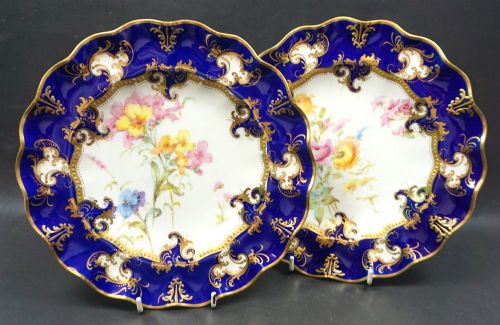
When you search for vintage english china, you enter a field of painted cabinet plates, porcelain figurines, and decorative dessert services spanning centuries of domestic production.
Vintage English China
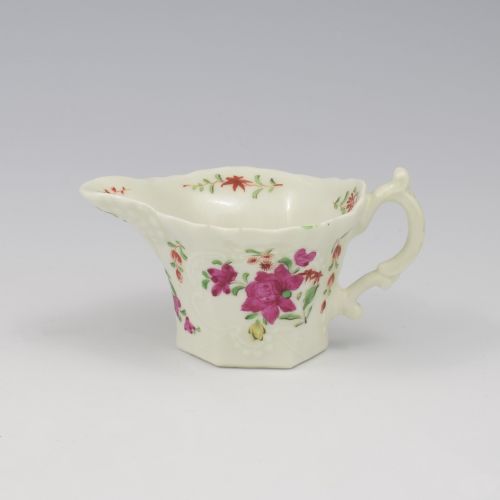
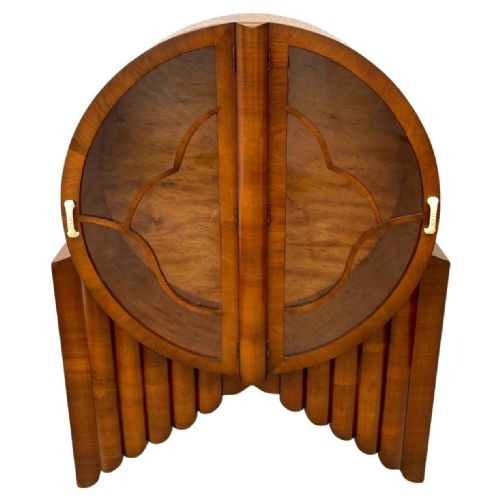
When searching for vintage english china, buyers encounter a diverse range of items including cabinet plates, decorative figures, dessert services, and vases from various periods. The selection encompasses porcelain and bone china forms decorated in styles running from Georgian and Victorian Imari to Art Deco and traditional English aesthetics.
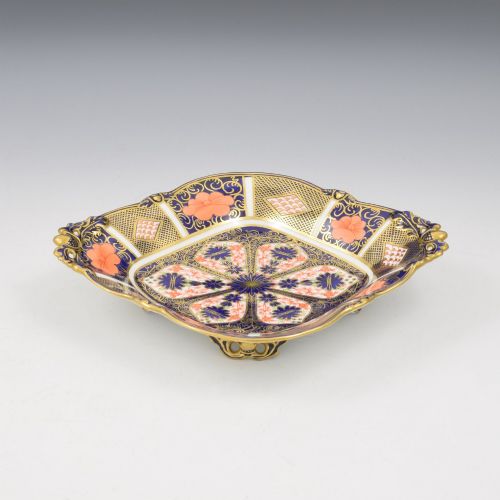
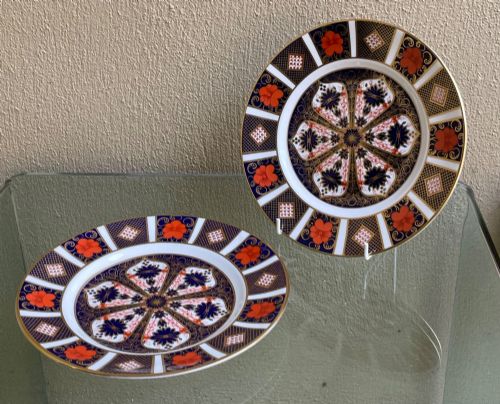
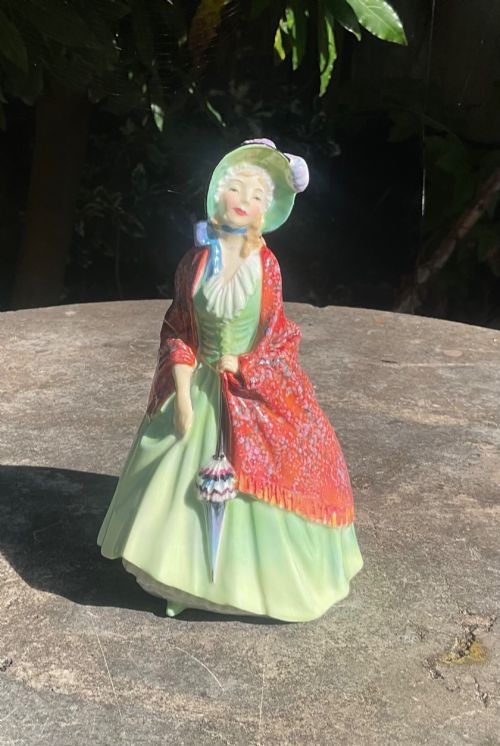
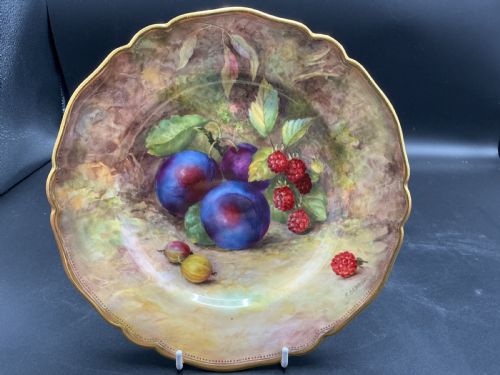
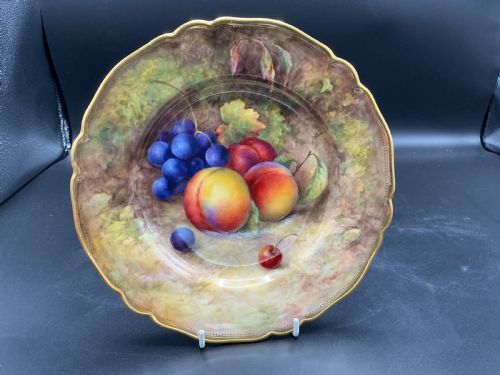
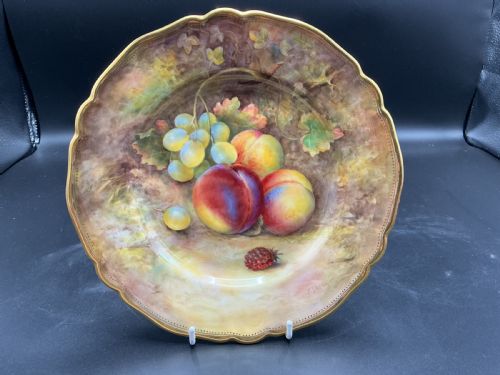
The objects most frequently met on this page span the late nineteenth century through the mid twentieth century, alongside earlier eighteenth-century porcelain pieces. These take the form of painted fruit plates, glazed figurines depicting named characters, and matching sets intended for display or formal dining.
How they were made
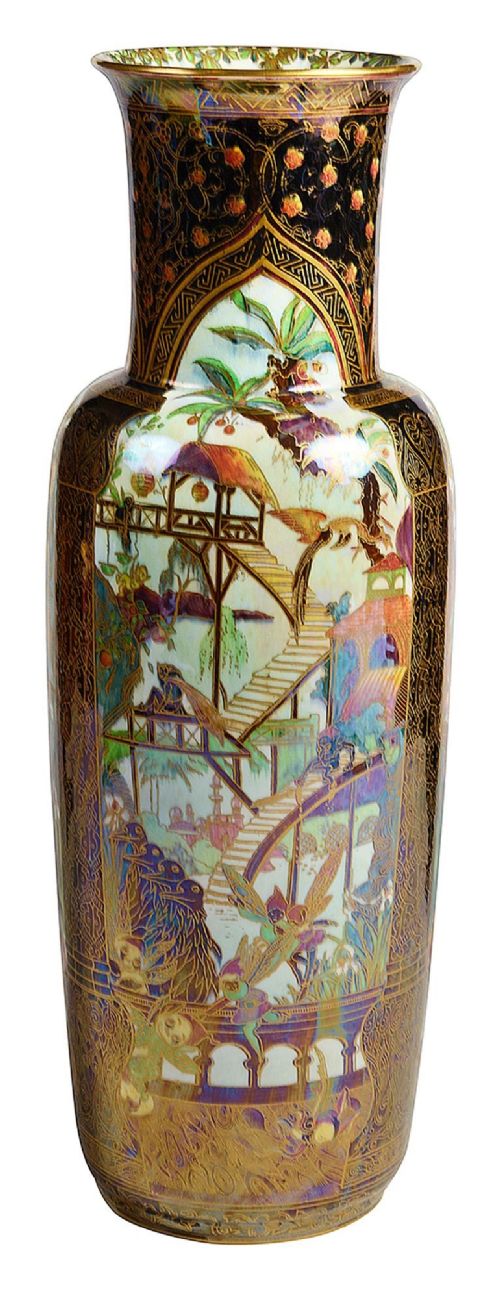
Makers utilised ceramic bodies composed of bone china and porcelain, fired and finished with detailed enamel painting and glaze. Many pieces incorporate applied gold leaf and gilding to highlight borders, handles, and raised motifs.
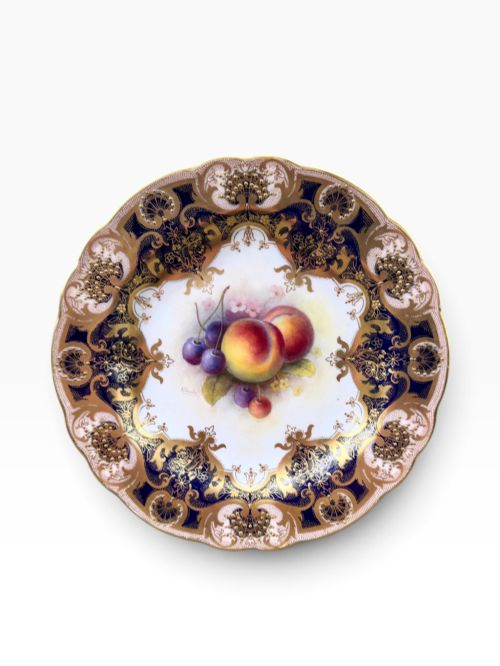
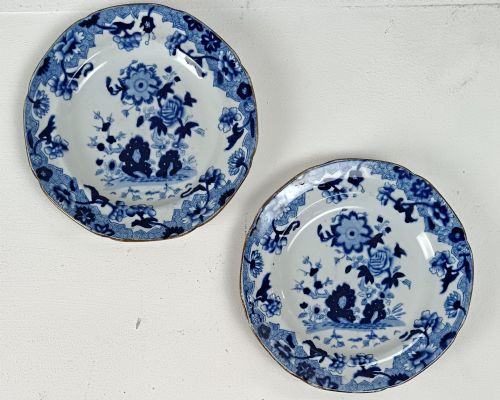
Painting was frequently executed by hand, as seen in signed fruit plates and intricate Imari patterns. Transfer printing techniques were also employed for certain dessert services and blue and white tea wares before final glazing and firing.
One figurine depicts a character caught quite literally in the stocks, capturing a moment of village drama in solid porcelain.
What varies in quality
The distinction between standard items and the top of the range rests upon the skill of the hand-painting and the prominence of the artist involved. Pieces bearing signatures from known decorators command greater attention than factory-standard output.
Complexity of form and the crispness of the gilding and enamel work dictate the tier of quality. Well-preserved porcelain bodies with intact gold leaf and detailed hand-painted subjects represent the higher end of the surviving output.
Royal Crown Derby·Royal Doulton·Wedgwood·Royal Worcester·Spode·New Hall
The Vintage English China Glossary
- Bone china
- A type of soft-paste porcelain incorporating bone ash, developed in England to create a strong, white ceramic body. It accepts complex enamels and gilding cleanly.
- Imari style
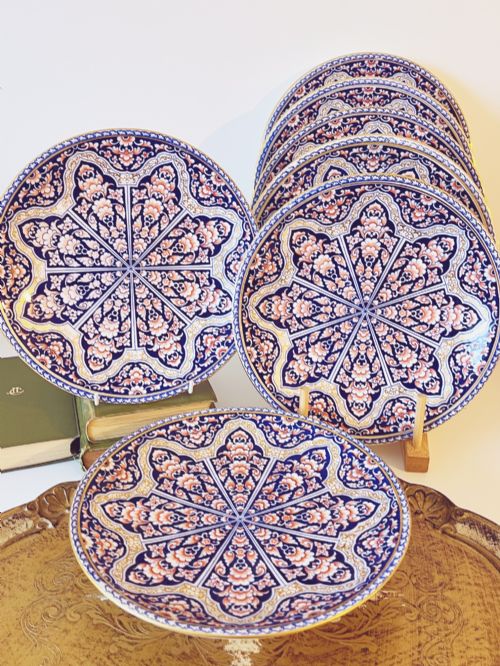
- A decorative scheme inspired by Japanese exports, typically employing a palette of iron red, cobalt blue, and gold leaf. It appeared frequently on English porcelain through the nineteenth and twentieth centuries.
- Cabinet plate
- A decorative ceramic plate intended for display in a cabinet or on a wall rather than for dining use. These often feature hand-painted fruit, floral studies, or scenes.
- Dessert service
- A matching set of ceramic pieces designed for serving dessert courses, usually comprising a central comport accompanied by multiple matching plates.
- Gilding
- The application of gold leaf or gold paint to ceramic surfaces to ornament rims, handles, and painted scenes. Its preservation contributes to the condition of the piece.
Vintage English China: Frequently Asked Questions
What is vintage english china?
Vintage english china comprises ceramic wares, porcelain figurines, and decorative plates produced in England across the eighteenth, nineteenth, and twentieth centuries. These items reflect changing domestic tastes, from Georgian tea wares to Art Deco display pieces.
Collectors prize them for their variety of forms, including cabinet plates, dessert services, and hand-painted vases from notable potteries.
How do I identify periods?
Periods are identified through a combination of factory backstamps, registration marks, painting styles, and ceramic bodies. Eighteenth-century pieces often display distinct paste characteristics, while Victorian and Edwardian items frequently carry impressed or printed maker ciphers.
Stylistic cues such as heavy gilding, Imari palettes, or geometric Art Deco lines further assist in dating individual objects.
Were these items used daily?
While tea services and dessert sets were made for domestic dining and entertaining, many decorative figures and cabinet plates were intended purely for display. Items like dessert services saw occasional use during formal meals.
Finely painted cabinet plates and porcelain figurines generally avoided heavy daily service to preserve their hand-painted enamels and gold leaf.
How do I care for my collection?
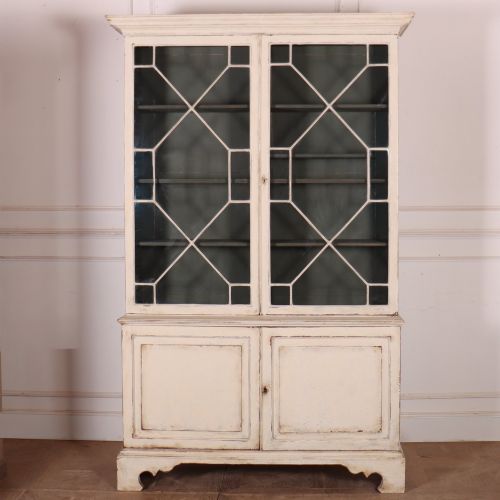
Care involves gentle handling and avoiding abrasive cleaning materials that might harm delicate gold leaf, enamel work, and surface glazes. Displaying items away from direct sunlight protects the painted colours from fading over time.
Cabinets and vitrines offer secure environments that guard fragile porcelain bodies and figurines against accidental knocks.