



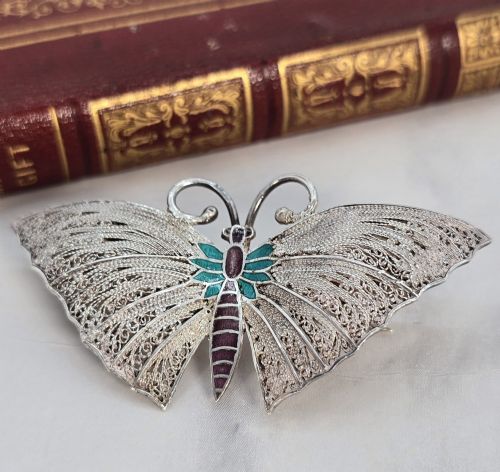


Vintage Enamel Badge
These vintage enamel badge pieces combine bright vitreous colour with sterling silver work, offering a tangible piece of twentieth-century design.
Vintage Enamel Badge
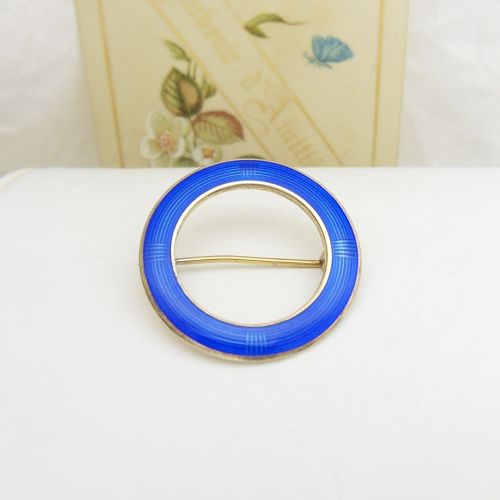
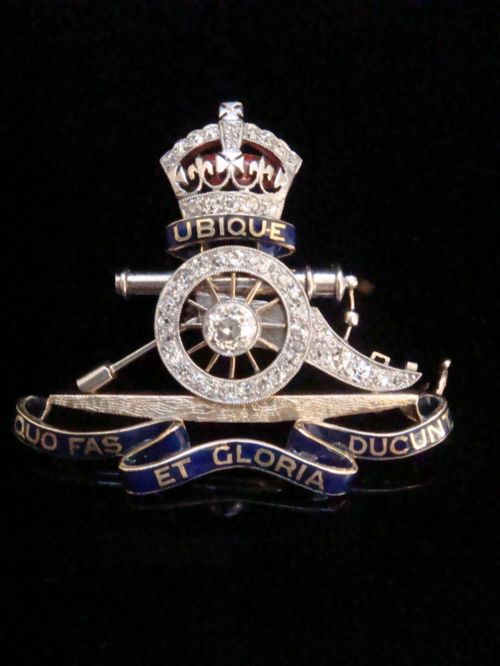
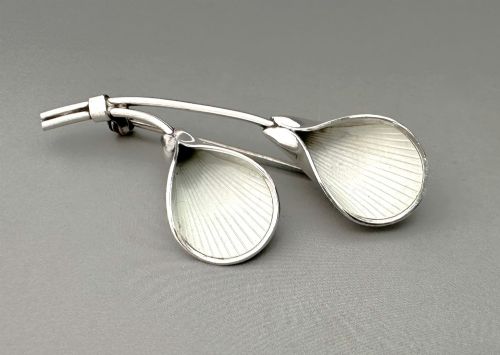
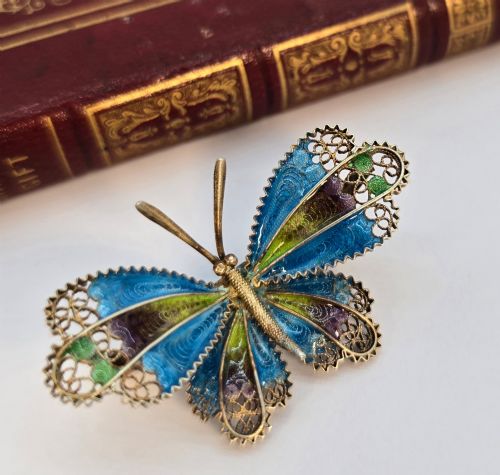
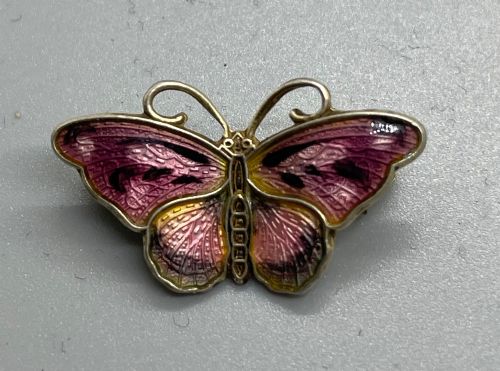
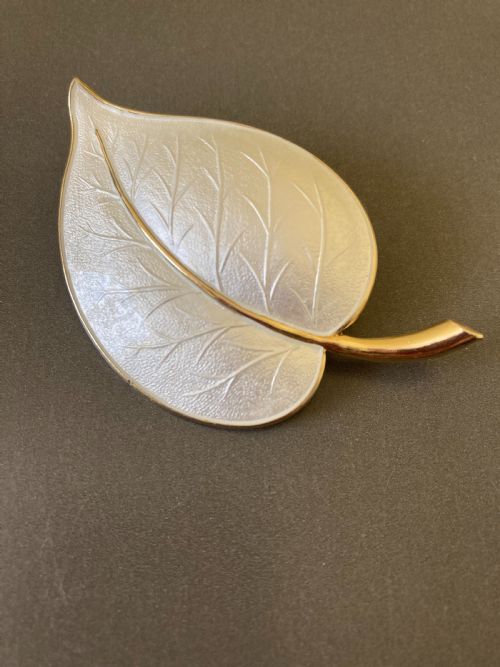
A vintage enamel badge selection spans brooches, pins, and club members' passes originating from the Edwardian era through the mid-century decades. The listings heavily feature botanical and insect motifs, particularly butterflies and floral sprays.
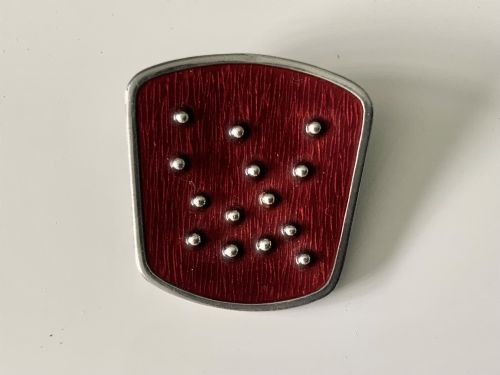
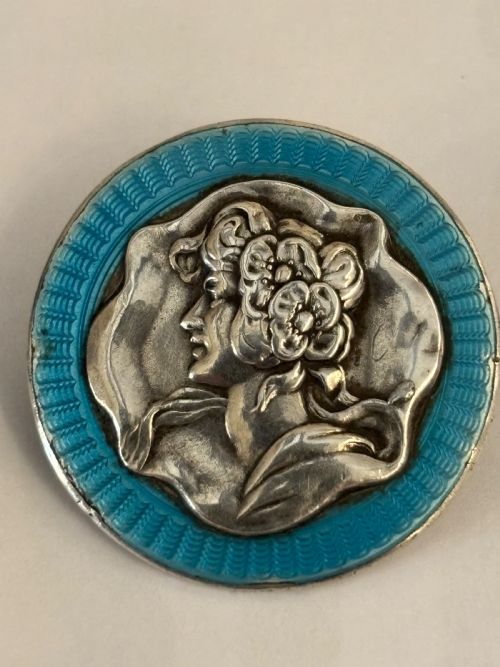
Scandinavian makers dominate the silver and guilloche enamel pieces, often working in bright red or multi-coloured translucent pastes. Alongside these, British makers and continental workshops produced portrait badges, racing club passes, and structural brooches.
Buyers encounter everything from delicate Art Deco geometric pieces to robust Victorian articulated designs and mid-century modern Scandinavian items. The format functions primarily as wearable art or collectible club memorabilia rather than functional fastenings.
How they were made
Craftsmen fused powdered glass to sterling silver or silver gilt bases under high heat to create the vitreous enamel surface. Guilloche technique added machine-turned patterns beneath translucent enamel to catch the light.
Filigree wirework often outlines the cells, known as champleve or cloisonne methods, trapping the coloured glass paste before firing. Marcasite stones and butterfly wing details frequently supplement the enamelled panels on early twentieth-century examples.
A tiny butterfly wing brooch sits quietly alongside heavy horse racing club badges from the nineteen-thirties, proving insects and turf events share a display case.
What varies in quality
The precision of the silver smithing and the clarity of the guilloche engraving dictate the baseline standard of each piece. Heavier gauge sterling silver foundations and complex multi-coloured enamel applications separate finer workshop outputs from mass production.
The crispness of the enamel work without surface clouding or distortion marks the superior examples. Maker attribution, particularly pieces bearing documented Scandinavian or British workshop signatures, further distinguishes the grade.
Aksel Holmsen·A H Darby & Son
The Vintage Enamel Badge Glossary
- Guilloche
- A decorative technique where a mechanical lathe engraves a precise, intricate pattern into metal beneath translucent enamel.
- Vitreous enamel
- A material made by fusing powdered glass to a metallic substrate through firing at high temperatures.
- Silver gilt
- Sterling silver that has been coated with a thin layer of gold, providing a warm golden tone.
- Filigree
- Delicate ornamental work consisting of twisted fine silver wire soldered together in open patterns.
- Marcasite
- Polished pyrite stones faceted and set into silver mounts to resemble small diamonds.
Vintage Enamel Badge: Frequently Asked Questions
How do I wear them?
These pieces function well pinned to lapels, heavy knit cardigans, or wool scarves where the weight of the silver is supported securely.
Avoid placing them on very delicate silks or fine cottons that might pull under the weight of the metal and enamel.
How do I clean enamel?
Wipe the surface gently with a soft, damp cloth to remove dust without abrasive polishes that might scratch the glass.
Keep silver dips away from the enamel panels, as chemical cleaners can damage the vitreous surface or loosen the underlying foil.
Are they all brooches?
While the majority function as wearable brooches or pins, the category also includes club members' passes and event visitor badges.
Pin mechanisms vary from simple C-clasps on older pieces to safety roll-locks on mid-century Scandinavian designs.
How do I date them?
Examine the pin mechanism, metal hallmarks, and stylistic cues such as Art Deco geometry or mid-century Scandinavian minimalism.
Edwardian and Victorian examples often feature heavier mountings and traditional pin hinges, whereas later pieces display cleaner lines and brighter guilloche work.