


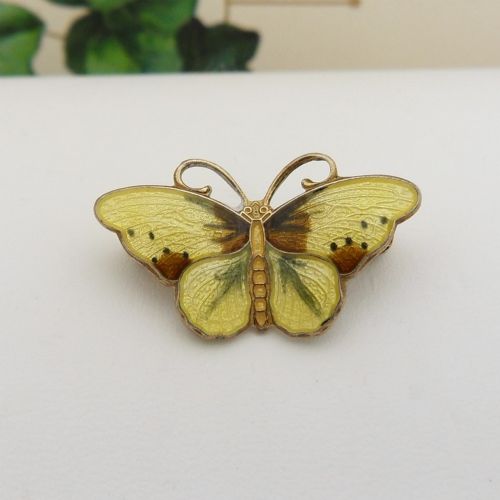
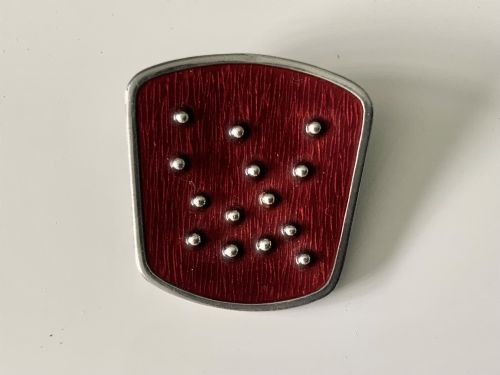
Silver and Enamel Brooch
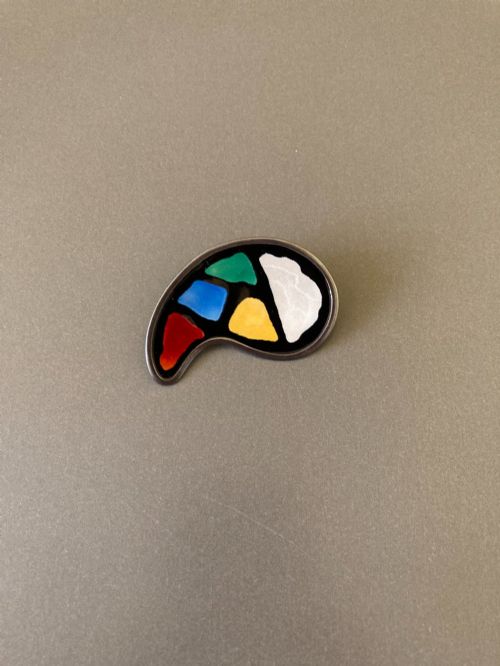
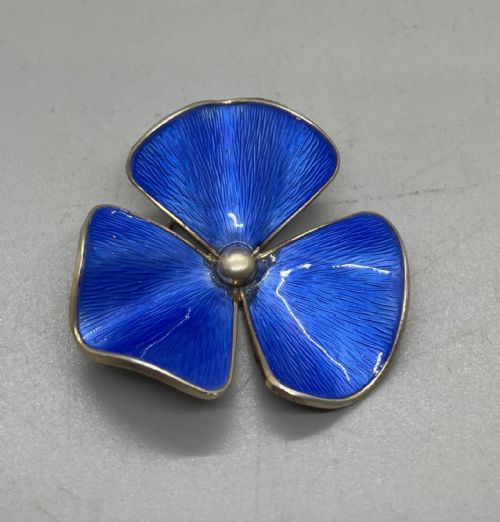
A silver and enamel brooch brings together lustrous metal and coloured glass fusion to offer a wearable piece of history.
Silver and Enamel Brooch
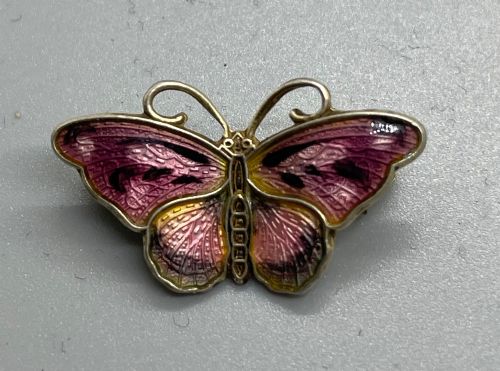
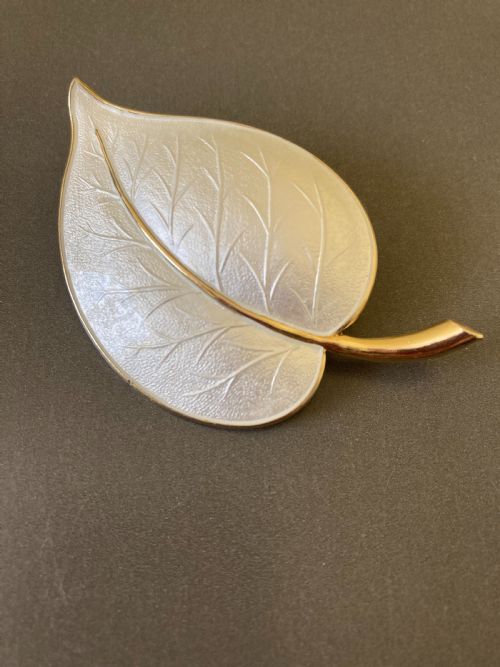
A silver and enamel brooch typically takes the form of a decorative pin fastened to garments, featuring prominently in styles ranging from Victorian and Edwardian pieces to mid-century Scandinavian designs.
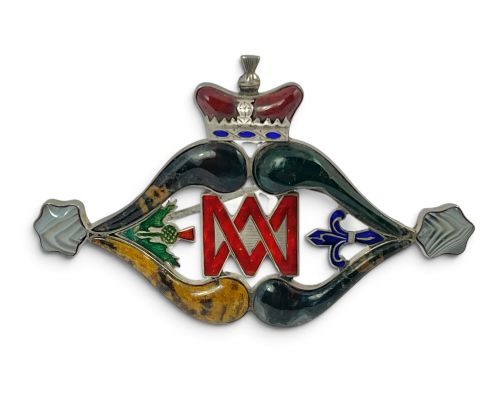
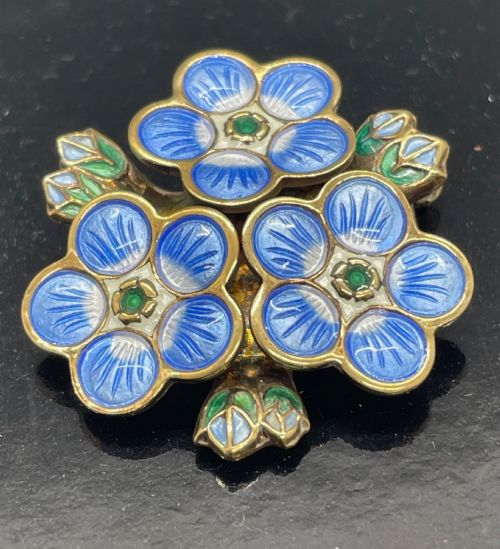
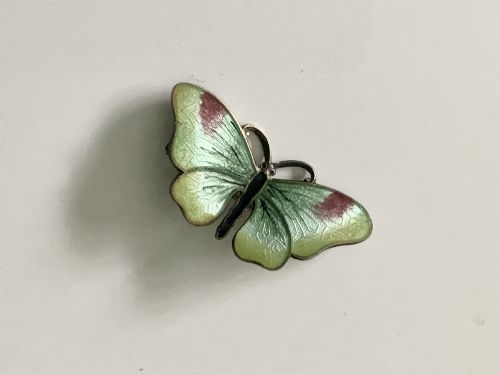
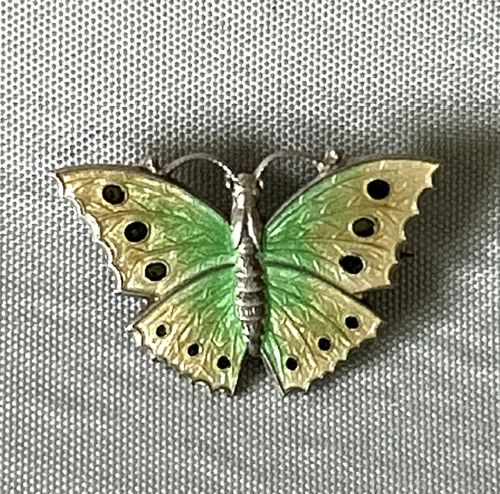
Earlier examples from the Victorian and Edwardian periods appear alongside Arts and Crafts creations, showcasing subjects like flowers, birds, and insects in silver settings.
How They Were Made
Silversmiths formed the base structures using sterling silver, sometimes applying a gold wash known as silver gilt or gold vermeil to enrich the surface appearance.
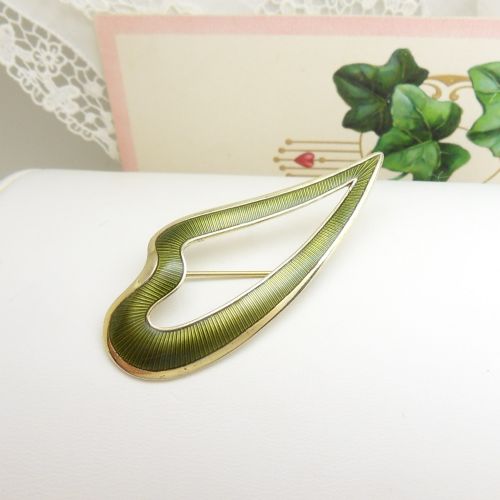
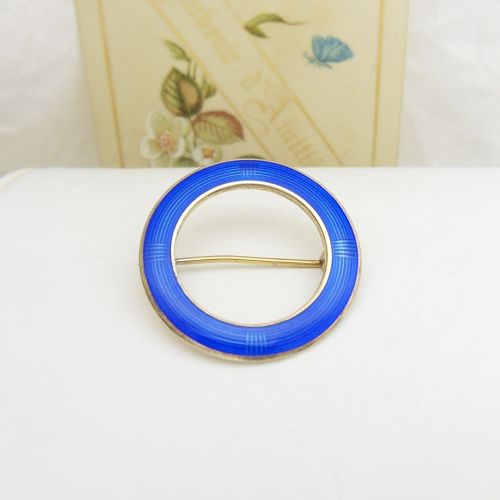
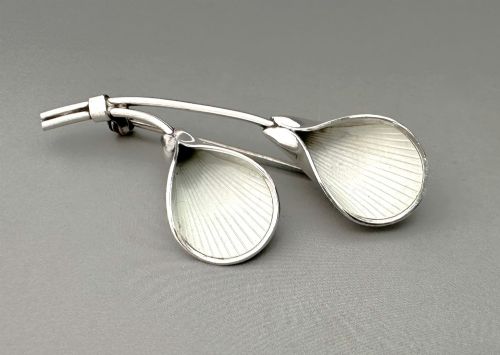
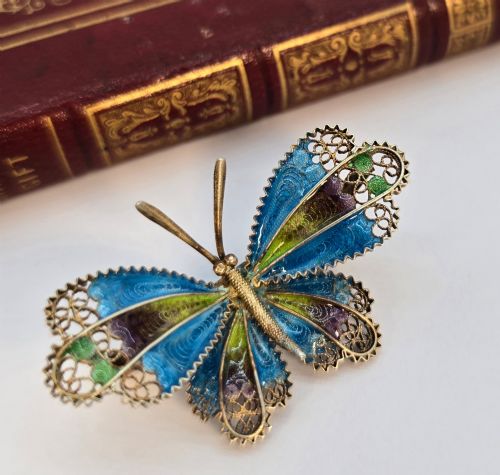
Glass-based enamel powders were fused to the metal under high heat, occasionally utilising guilloche techniques with engine-turned machine engraving beneath translucent colours or plique-a-jour methods resembling stained glass.
Listings span multiple eras from the nineteenth century through the mid-twentieth century, featuring butterfly and floral motifs in sterling silver and silver gilt.
What Varies in Quality
The precision of the enamel work dictates much of the distinction, separating uniform, smooth surfaces with complex engine-turned patterns from simpler flat applications.
Makers' marks and clear silver hallmarks stamped into the metal provide tangible proof of origin and workshop standards, influencing how firmly a piece is attributed to notable designers.
Aksel Holmsen·David Andersen·Hroar Prydz·A H Darby And Son·Henry Matthews·Levinger And Bissinger·Gustav Gaudernack
The Silver and Enamel Brooch Glossary
- Guilloche
- An ornamental engraving technique that etches precise geometric patterns into metal before translucent enamel is applied over top. This method creates a shimmering depth beneath the coloured glass.
- Silver Gilt
- Silver that has been coated with a thin layer of gold on its exterior surface. It provides the warm appearance of gold while retaining a silver base.
- Plique-a-jour
- An enamelling technique where the glass is fired in open cells without a backing metal, allowing light to shine straight through. The result resembles miniature stained glass.
- Sterling Silver
- An alloy consisting of silver and other metals designed to increase durability while maintaining a bright metallic lustre. Most quality pieces utilise this standard.
- Vitreous Enamel
- A material made by fusing powdered glass to a metallic substrate through firing at high temperatures. This creates a durable, glossy coloured surface.
Silver and Enamel Brooch: Frequently Asked Questions
How do I date a silver and enamel brooch?
Dating relies heavily on hallmarks, maker stamps, and stylistic markers such as the characteristic motifs of the Art Nouveau or Mid-Century Modern periods.
Examining the fastening mechanism also helps, as pin hinges and catches evolved significantly between the Victorian era and the 1960s.
What is guilloche enamel?
Guilloche is a decorative technique where a machine etches precise, repeating patterns into the silver base before a translucent enamel layer is applied.
The underlying engraved pattern shines through the coloured glass to create a shimmering, textured visual effect.
How should I clean my brooch?
Enamel is essentially glass and requires gentle handling to avoid scratching the surface or damaging the delicate silver framework.
Warm water and a soft cloth work best, avoiding harsh chemical dips that can ruin the enamel or remove gilt finishes.
Are Scandinavian brooches marked?
Many pieces originating from Norway and Denmark bear specific maker marks, silver purity stamps like 925, and sometimes indicators for sterling quality.
Familiarising yourself with these small stamped symbols allows you to identify prominent workshops easily.