

Silver Pin
A silver pin spans delicate Edwardian novelty cushions and bold mid-century brooches, offering both functional charm and enduring metalwork.
Silver Pin
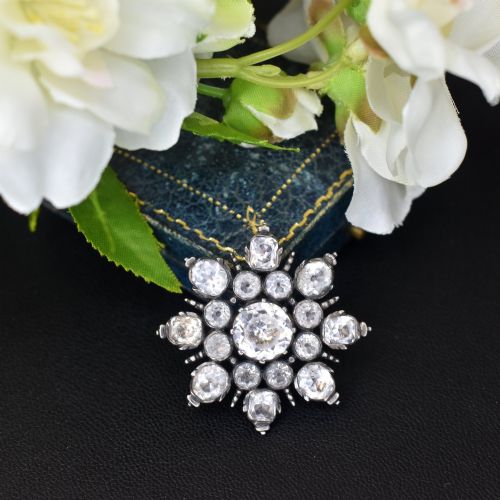
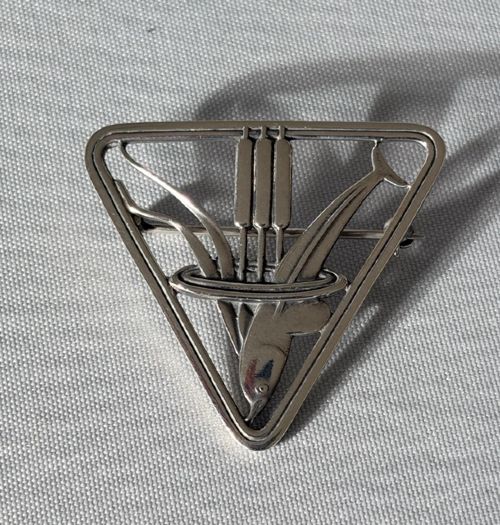
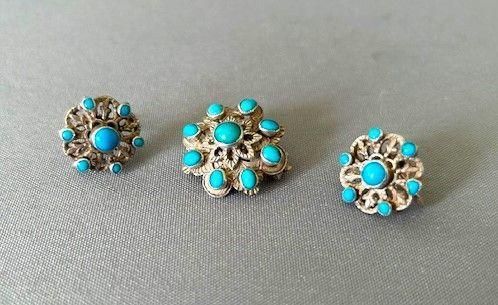
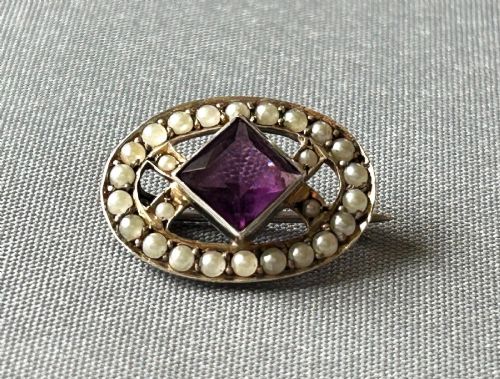
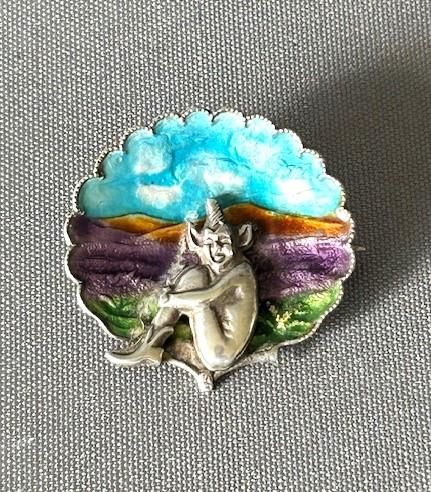
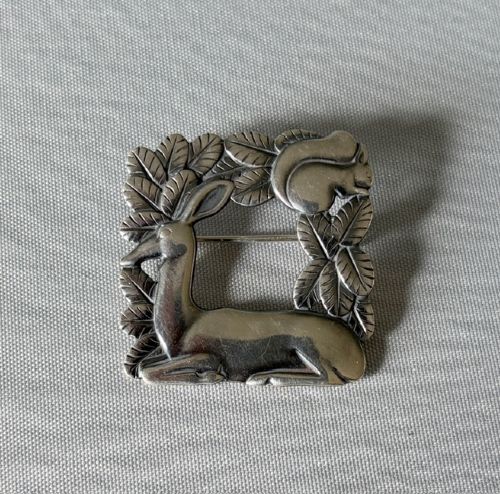
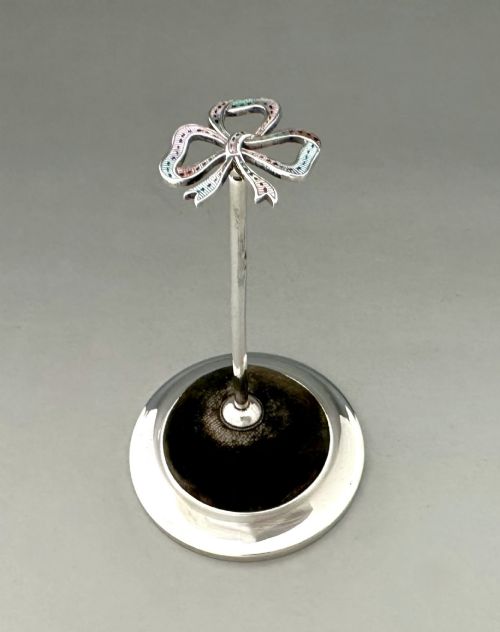
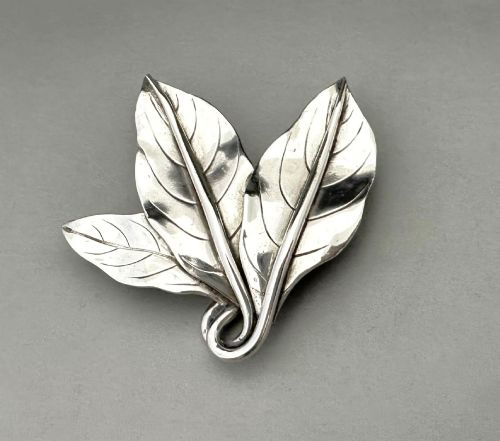
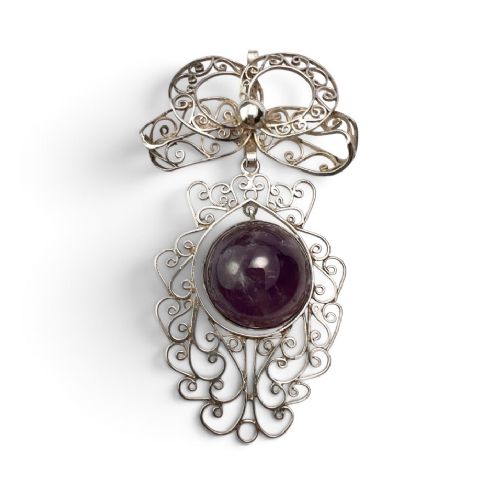
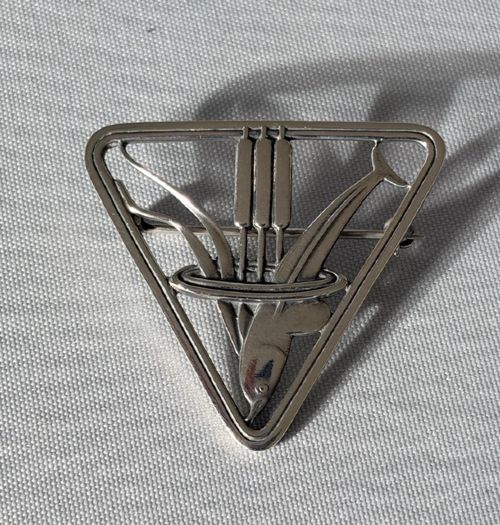
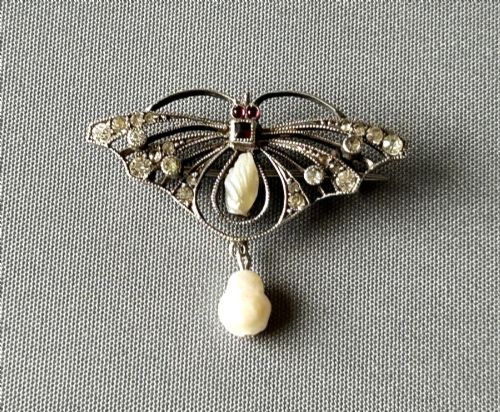
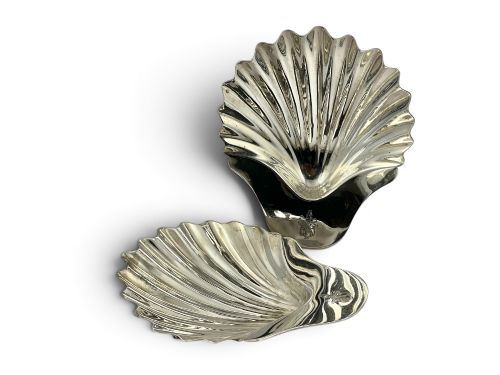
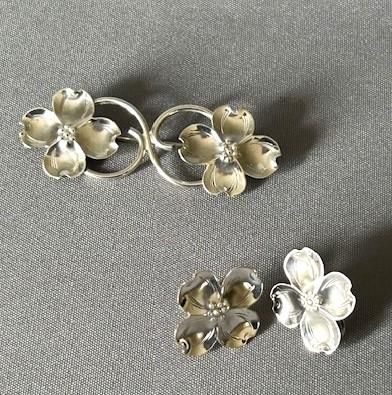
A silver pin search uncovers a diverse array of small personal accessories and ornamental metalwork from the Victorian, Edwardian, and mid-century periods. These items range from novelty pin cushions modelled as animals and shoes to intricate brooches, hat pins, and decorative fasteners.
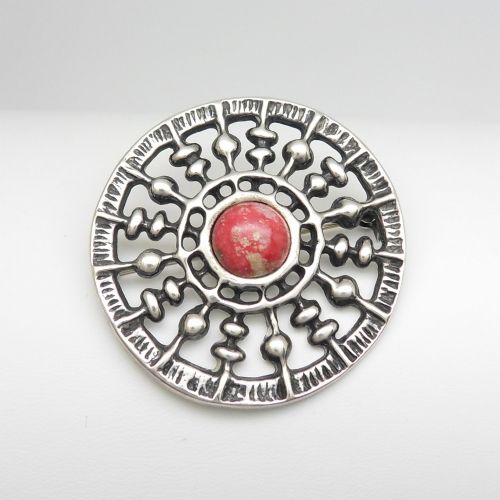
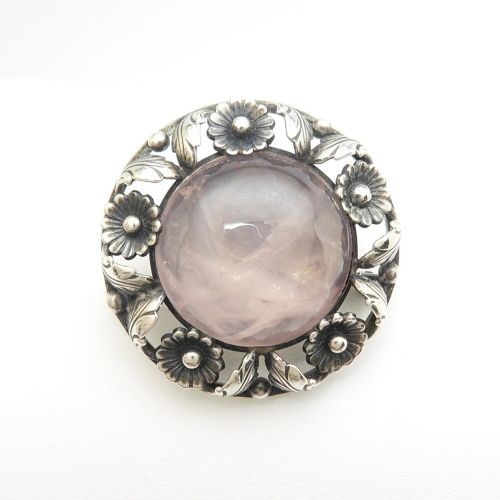
Brooches and novelty pin cushions form the most frequent encounters on this page, reflecting the heavy domestic and personal output of the late nineteenth and early twentieth centuries. Pieces frequently incorporate sterling silver alongside natural stones, enamel, or glass.
Origins span across British workshops, Scandinavian design houses, and American makers, demonstrating how different regions interpreted small silver objects across the decades.
Construction and Materials
Makers utilised sterling silver, silver gilt, and white metal as the primary foundations for these items, often shaping the metal through casting, piercing, and filigree techniques. Structural elements regularly incorporated velvet inserts for cushions or claw-set stones for ornamental brooches.
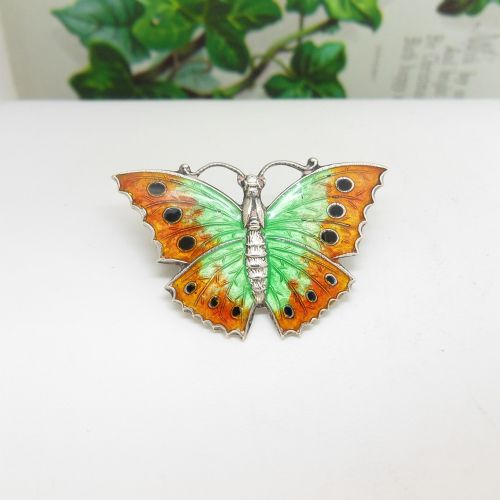
Enamel work, including vitreous and plique-a-jour methods, added vibrant colour to wing motifs and geometric designs, while stones such as agate, moonstone, quartz, and garnet provided contrasting natural textures.
Silver Pin Retail Price Guide 2026
Typical asking prices for silver pin among the pieces listed under this phrase on Sellingantiques today, from the lower quarter to the upper quarter. They describe what is for sale here now, not the wider market.
Listings feature items spanning the Georgian era through to the mid-twentieth century, utilising sterling silver, enamel, agate, and velvet.
Assessing Quality
The standard of craftsmanship shows clearly in the crispness of chased details, the security of stone settings, and the preservation of applied enamel without loss or heavy scratching. Superior pieces demonstrate purposeful weight and careful finishing on the reverse as well as the front.
Design distinction separates standard production items from those bearing the hallmarks of notable workshops or specific modernist aesthetics, where proportion and line elevate the object beyond simple utility.
Charles Horner·Georg Jensen·Aksel Holmsen·Sampson Mordan and Co·Henry Matthews
The Silver Pin Glossary
- Sterling silver
- An alloy containing a high proportion of silver combined with other metals to ensure durability in small wearable items.
- Pin cushion
- A padded small container or novelty object designed to hold sewing pins safely.
- Enamel
- A glassy substance melted onto the surface of metal to add decorative colour and smooth ornamentation.
- Filigree
- Delicate ornamental work consisting of fine silver wire twisted into intricate patterns.
- Hallmark
- An official stamp applied to precious metals indicating standard of purity, place of assay, and date.
Silver Pin: Frequently Asked Questions
What are silver pins used for?
These pieces served multiple functions historically, acting as secure garment fastenings, decorative hat ornaments, or miniature desktop pin cushions for sewing.
Today, collectors primarily wear the brooches or display the novelty cushions and dishes as decorative small antiques.
How do I date an Edwardian silver pin?
Dating relies heavily on legible hallmarks indicating the assay office and year letter, alongside distinct stylistic cues such as floral motifs or naturalistic animal shapes.
Edwardian pieces often feature lighter piercing and specific Edwardian-era safety catches compared to heavier Victorian counterparts.
What is a novelty pin cushion?
Novelty pin cushions are small silver figures modelled as animals, boots, or household objects fitted with a fabric or velvet pad to hold pins.
Pets, birds, and shoes were especially popular subjects for Victorian and Edwardian silversmiths.
How should I care for antique silver?
Silver benefits from gentle cleaning with a soft cloth to remove tarnish without disturbing delicate enamel, stones, or fabric inserts.
Store pieces in dry conditions away from direct sunlight to protect vulnerable materials like velvet and natural gems.