

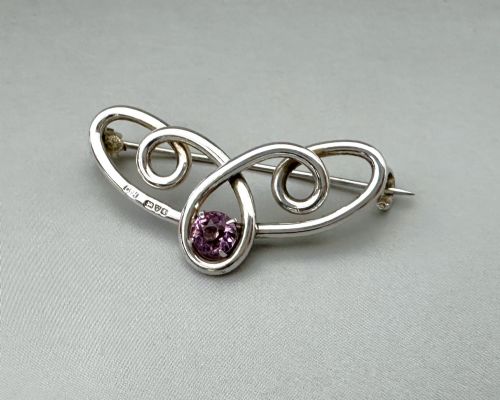
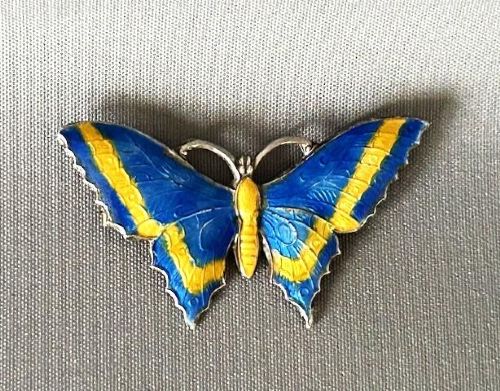
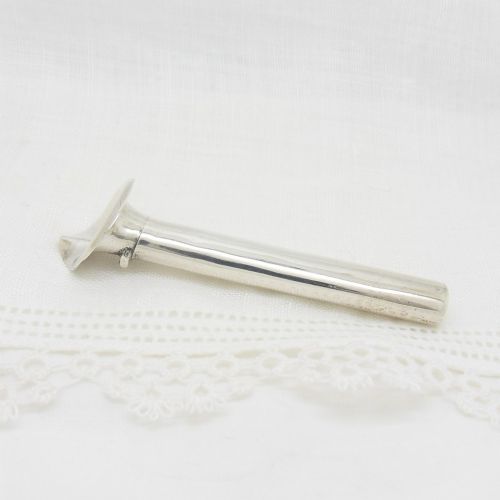
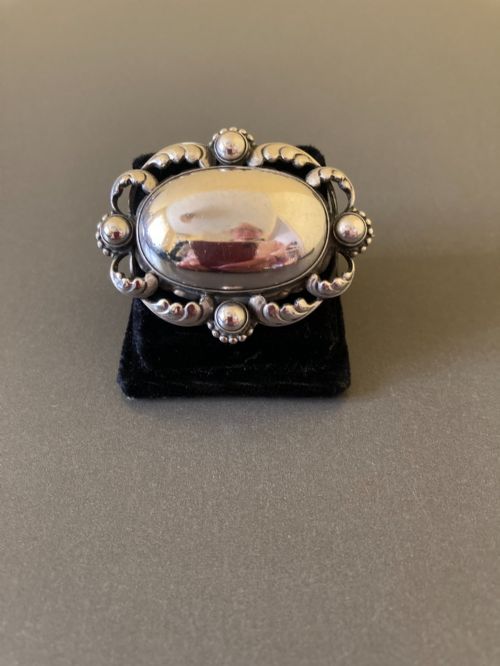

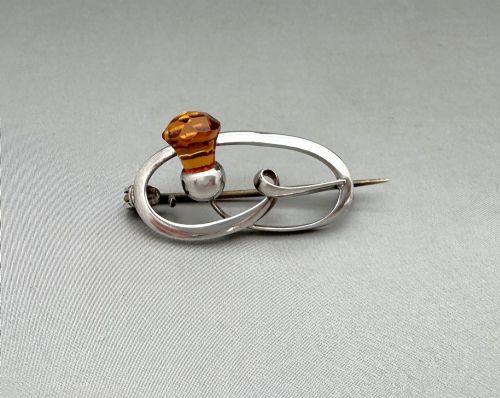


Sterling Silver Lapel Pin
These sterling silver lapel pin selections offer compact, wearable silver work spanning the Edwardian period to the mid-century.
Sterling Silver Lapel Pin
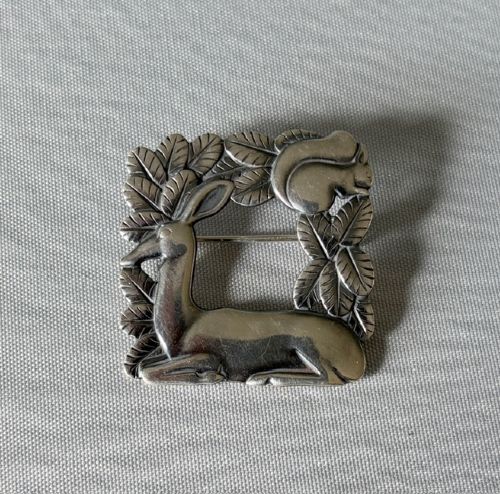
A sterling silver lapel pin encompasses small decorative fasteners, hat pins, jabot pins and brooches fashioned from silver. You will encounter diverse forms ranging from animal subjects like dogs and frogs to intricate geometric designs.
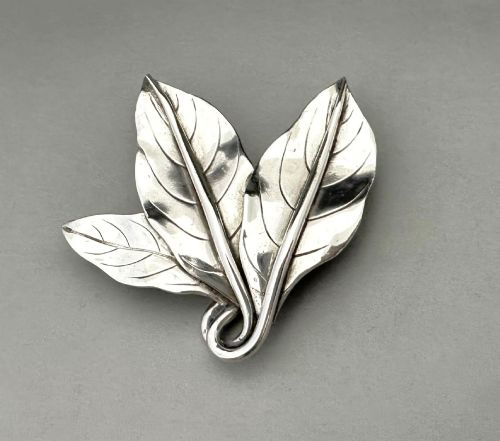
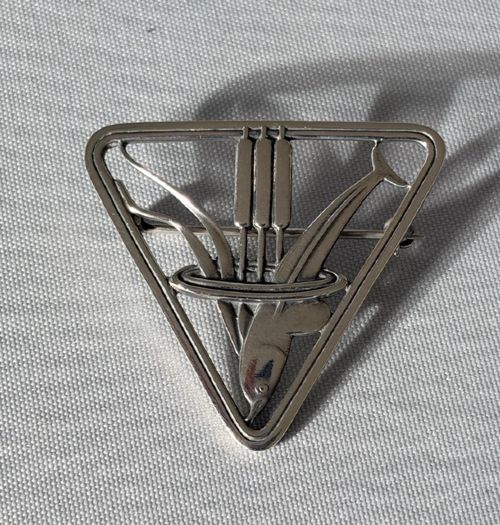
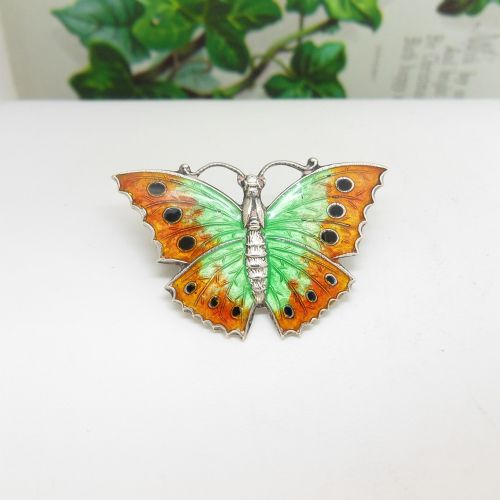
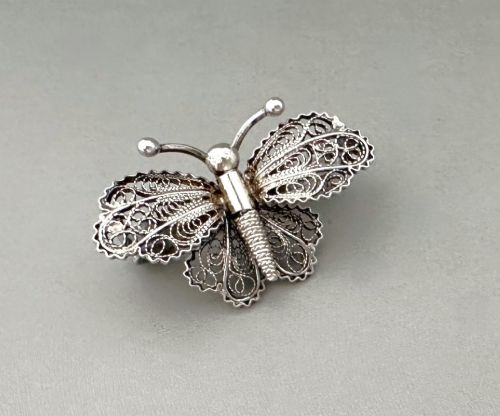
The pieces on this page draw from multiple decades including the Edwardian era, Art Deco period and mid-century modern design. Animal figures, insects, and floral motifs dominate the available selection of these small ornaments.
Makers utilised various traditional formats such as bar pins, double heart brooches, and kilt pins designed to secure clothing or adorn lapels. Each piece reflects the stylistic preferences of its specific decade of origin.
Materials and construction techniques
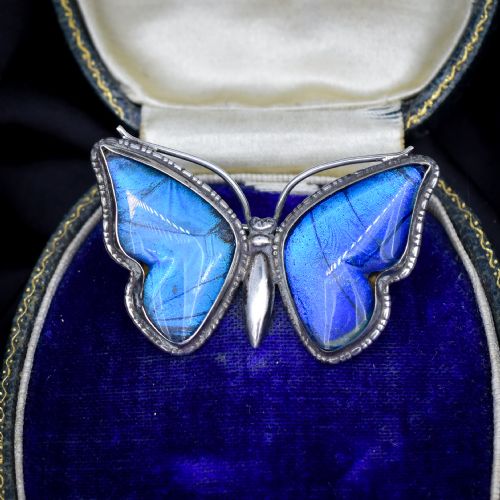
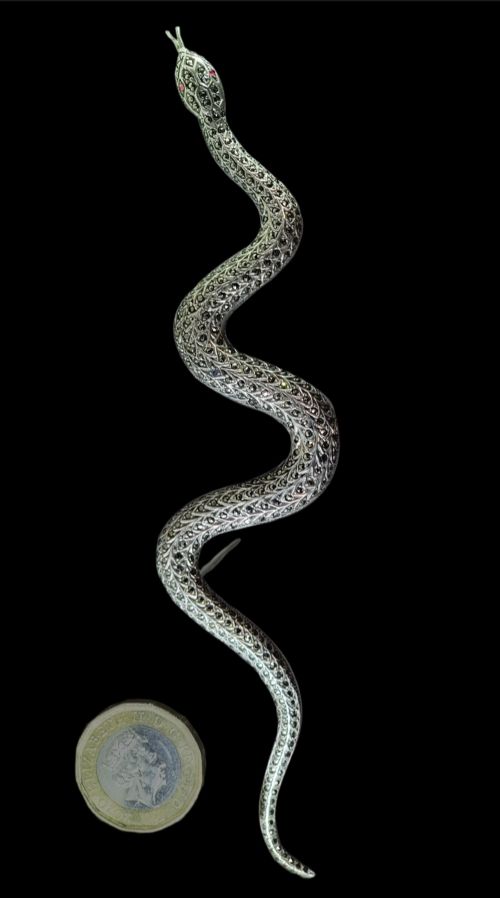
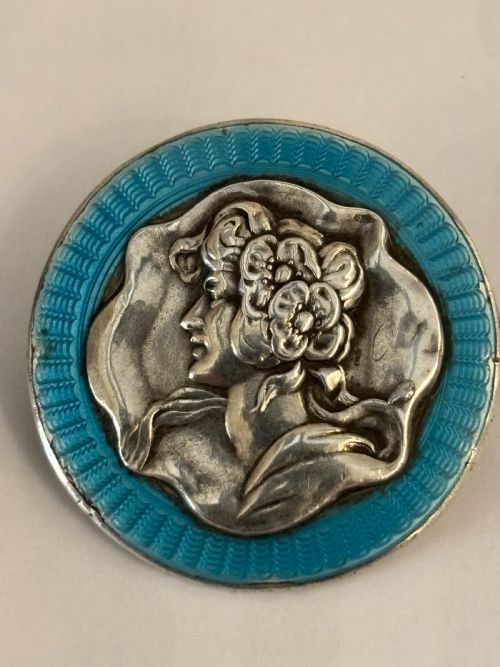
Artisans constructed these items primarily from sterling silver, frequently pairing the metal with vitreous enamel, guilloche enamel, or polished glass. Selected pieces incorporate natural elements like marcasite stones, moonstones, amber glass, and butterfly wing panels.
Techniques range from delicate filigree wirework and silver gilt to detailed stone setting and hand-applied enamel decoration. Workshops employed traditional silversmithing methods to form articulated joints, secure pin stems, and shape figural motifs.
Sterling Silver Lapel Pin Retail Price Guide 2026
Typical asking prices for sterling silver lapel pin among the pieces listed under this phrase on Sellingantiques today, from the lower quarter to the upper quarter. They describe what is for sale here now, not the wider market.
Listings feature items from the Edwardian period, 1900, 1910, 1920, 1930, 1940, 1950, and 1960.
Distinguishing quality in silver pins
Quality reveals itself in the precision of the metalwork, the clarity and preservation of the enamel, and the secure setting of stones like marcasite or moonstone. Finer examples display crisp detail in figural subjects such as birds, insects, and animals.
The reputation of specific makers and the complexity of decorative techniques, such as guilloche patterning or intricate filigree, elevate the standing of individual pieces. Well-preserved surfaces and intact original components indicate superior craftsmanship.
Charles Horner·Mikimoto·John Hart of Iona
The Sterling Silver Lapel Pin Glossary
- Marcasite
- Pyrite crystals cut and polished into small facets, then set closely together in silver to create a sparkling border or surface. These stones catch the light similarly to small diamonds.
- Guilloche enamel
- Decorative technique where translucent enamel is layered over engine-turned metal engraving. This process produces repeating geometric patterns that remain visible beneath the coloured glass surface.
- Jabot pin
- Long ornamental pin originally designed to fasten the jabot frills on cravats or garments. They function similarly to modern lapel or scarf pins.
- Filigree
- Delicate jewellery-work consisting of fine silver threads twisted and soldered together into openwork patterns. This technique requires considerable manual dexterity from the artisan.
- Silver gilt
- Sterling silver that has been coated with a thin layer of gold through chemical or electrolytic processes. This finish provides a warm golden tone while retaining a silver base.
Sterling Silver Lapel Pin: Frequently Asked Questions
How do I date a silver lapel pin?
Dating relies on stylistic clues, accompanying hallmarks, and the specific materials employed during manufacturing. Art Deco pieces often feature geometric motifs, whereas Edwardian items favour lighter floral or insect designs.
Examining the construction of the pin mechanism and catch also helps determine the approximate decade of production. Comparing design characteristics against known period styles provides further confirmation.
What is butterfly wing jewellery?
Butterfly wing jewellery uses iridescent scales from tropical butterflies sealed beneath a bevelled glass dome. This technique gained popularity during the early twentieth century for pictorial motifs.
Master craftsmen arranged the natural wing sections to depict landscapes, butterflies, or birds against a painted background. The glass protects the delicate organic material from damage.
How should I clean silver pins with enamel?
Cleaning requires gentle methods to protect both the silver metal and fragile enamel or glass components. Use a soft, dry cloth to remove surface dust without abrasive polishes.
Avoid liquid chemical dips entirely, as these solutions can penetrate settings and ruin enamel or dislodge glued stones. Professional advice is recommended for pieces requiring deeper restoration.
Were hat pins worn differently from lapel pins?
Hat pins were manufactured with significantly longer stems to anchor large women hats securely through thick felt and hair. Lapel pins feature shorter stems designed specifically for fastening to coat lapels or fabric folds.
Despite their original functional differences, many antique hat pins are now collected and displayed as decorative art objects. Both types showcase the miniature metalwork typical of their era.