
Vintage Elm Side Chairs
Vintage elm side chairs bring honest timber grain and vernacular craft into a room, serving as sturdy seating with centuries of utility behind them.
Vintage Elm Side Chairs
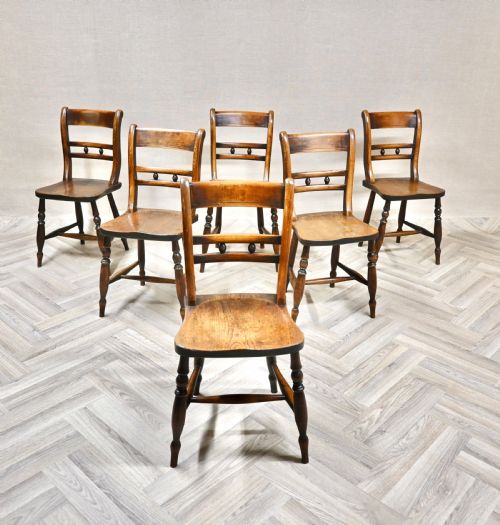
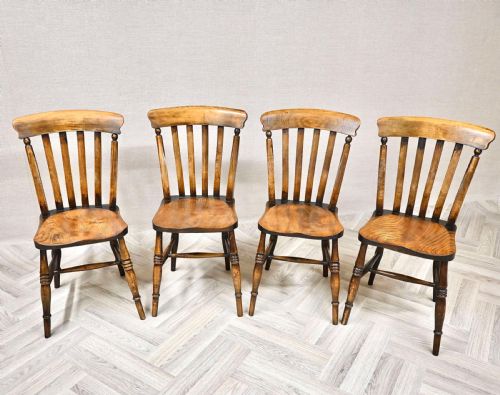
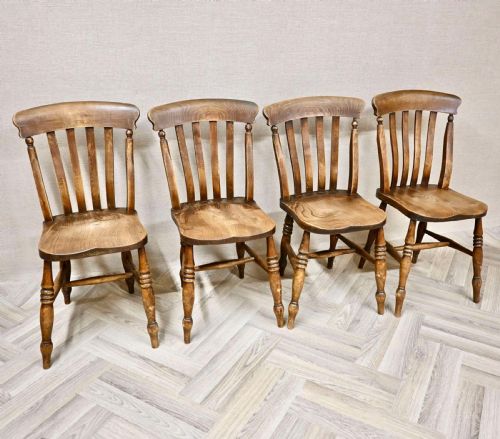
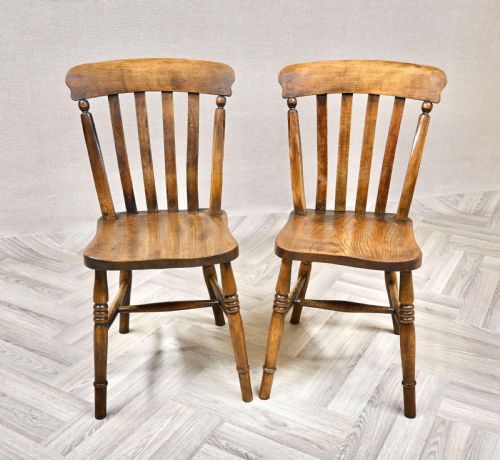
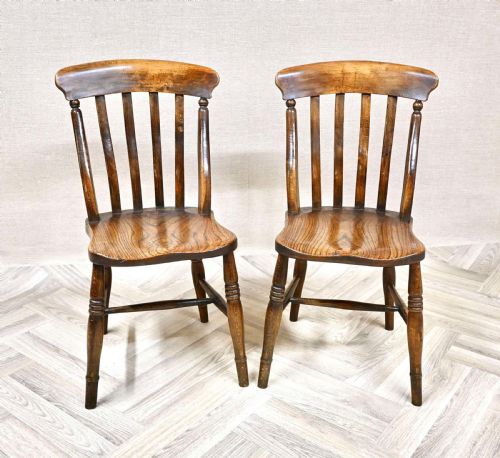
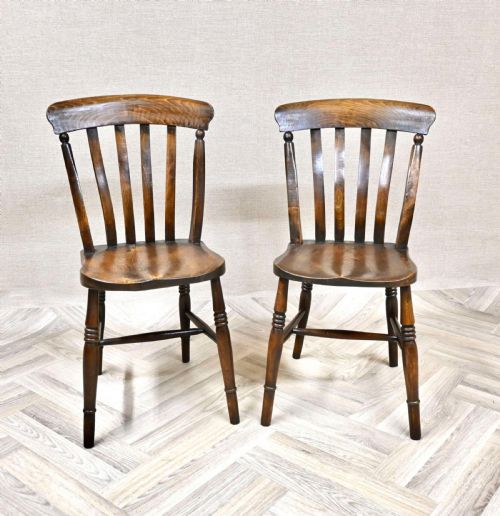
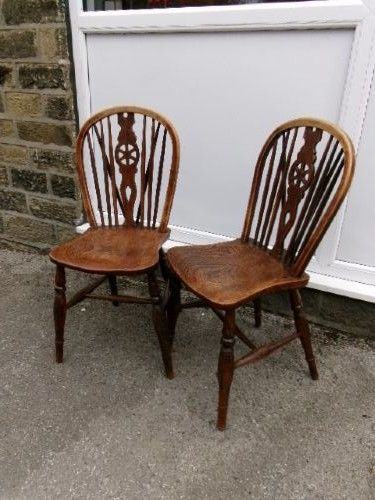
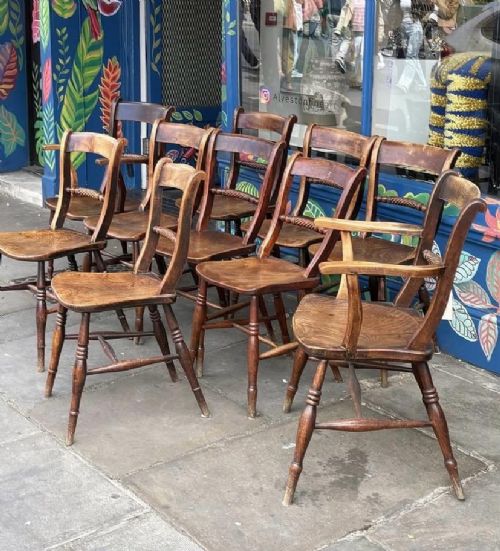
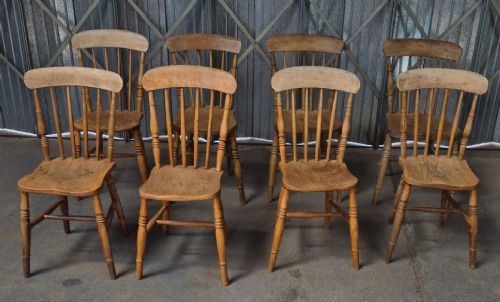
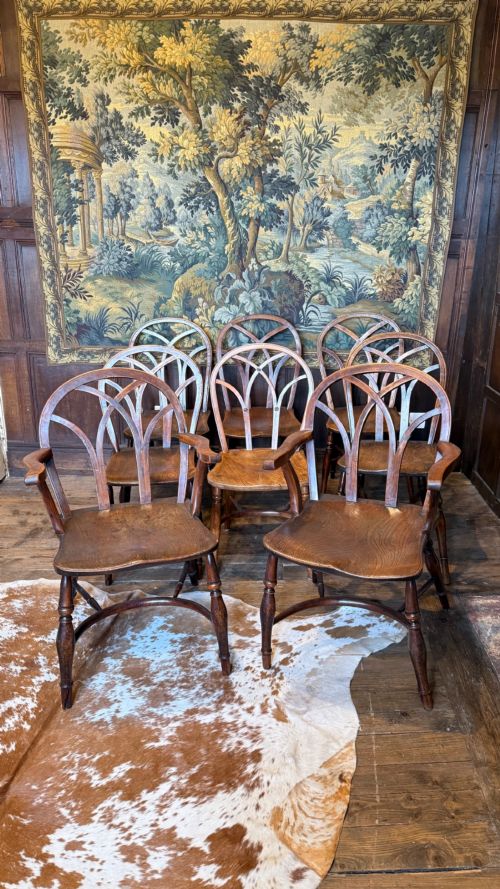
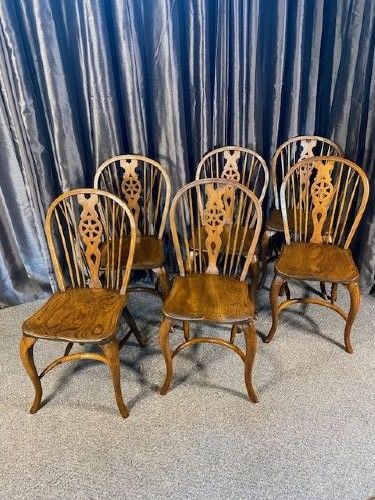
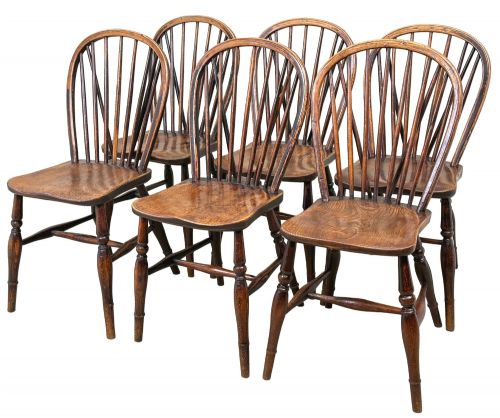
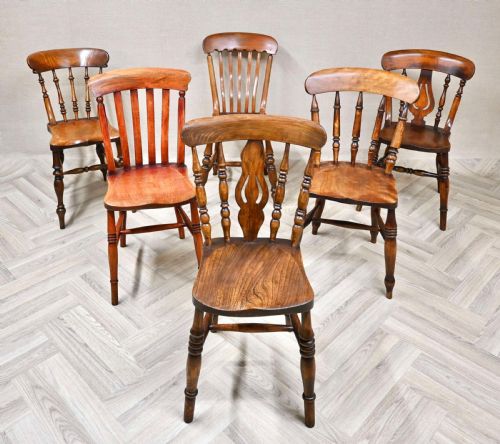
Vintage elm side chairs span centuries of vernacular seating, encompassing everything from simple farmhouse dining seats to decorative revival forms. When hunting for vintage elm side chairs, buyers most frequently encounter nineteenth century Windsor styles, wheelback designs, and kitchen chairs shaped by regional rural traditions.
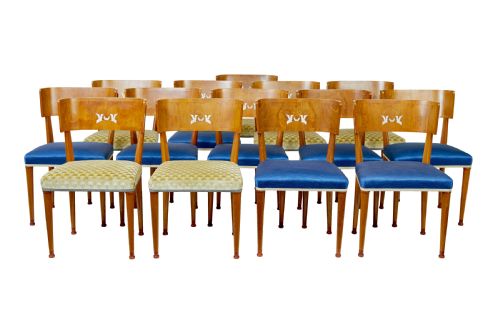
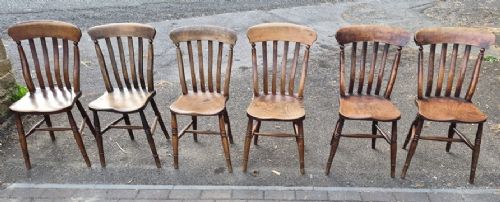
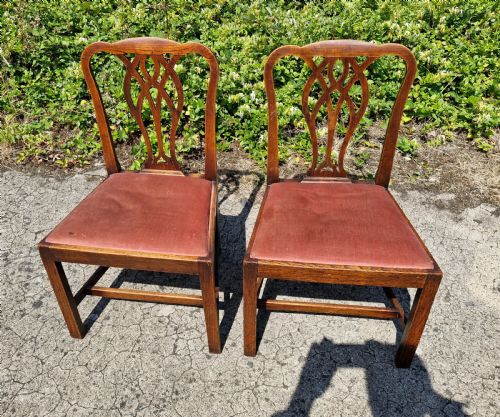
The evidence shows these pieces appearing in various configurations, including pairs, harlequin sets, and larger sets of six or eight. Alongside traditional English country styles, the listings include Swedish Art Deco klismos forms, Chinese concubine chairs, and Gothic Revival variations.
Makers often combined elm with supporting timbers such as beech, ash, and oak to build sturdy frames for daily use. Whether rendered as fiddle back, stick back, or ladderback designs, these side seats remain fundamentally practical objects shaped by utility.
Materials and construction methods
Craftsmen utilised solid elm for its tough, interlocking grain, which resisted splitting when shaped into solid saddle seats. This dense timber paired frequently with beech or ash for turned legs, spindles, and steam bent bow frames.
Joinery relied on traditional methods such as wedged through tenons and double stretchers to ensure lasting rigidity under heavy use. Secondary materials like rush occasionally provided seat webbing, while occasional examples incorporated fabric or lacquer finishes.
The listings demonstrate a strong presence of nineteenth century Windsor designs, frequently paired with beech and ash structural elements.
Distinguishing quality in rustic seating
Quality rests heavily on the figure of the elm seat plank and the harmony of the turned components. A well preserved grain pattern and cleanly executed spindle turnings elevate an ordinary kitchen seat into a piece of notable character.
The integrity of the structural joints and the matching of components across a set dictate the overall desirability. Original surfaces unmarred by aggressive stripping retain the honest patination earned through generations of domestic use.
The Vintage Elm Side Chairs Glossary
- Windsor
- A wooden chair built with a solid sculpted saddle seat into which the legs and back spindles are directly tenoned.
- Thames Valley
- A regional English style of Windsor chair typically featuring a wheelback or comb back construction in elm and beech.
- Spindleback
- A chair back constructed from numerous slender turned wooden uprights rather than solid splats.
- Fiddle back
- A dining chair featuring a central splat shaped like the silhouette of a musical stringed instrument.
- Harlequin set
- A collection of chairs that share a general style or period while exhibiting individual variations in design and detail.
Vintage Elm Side Chairs: Frequently Asked Questions
How do I spot an authentic antique elm chair?
Authentic pieces show natural wear patterns, tool marks from initial shaping, and genuine timber shrinkage around the seat joints. Look for traditional construction details like wedged legs protruding through the seat top.
Examine the underside to check for handmade pegging and appropriate timber ageing. Real age displays a soft patination that modern reproductions struggle to replicate.
Are these chairs comfortable for daily dining?
Most vintage elm side chairs feature deeply saddled wooden seats shaped to fit the body comfortably without upholstery. Their ergonomic curves provide surprising support during long meals.
Adding loose squab cushions can increase comfort if desired, though many prefer the clean timber surface. Their sturdy proportions make them well suited to regular daily use around a dining table.
How do I mix different styles around a table?
Embrace the harlequin approach by pairing chairs with similar back heights or shared timber tones. Keeping a common thread like turned legs or spindle backs helps disparate country chairs look cohesive.
Avoid matching every single detail and instead focus on overall scale and silhouette. A unified colour palette or consistent seat height ensures the arrangement feels deliberate.
What care do elm seats require?
Protect antique elm timber by keeping chairs away from direct heat sources and abrupt humidity changes. Excessive dryness can cause old wood to split.
Apply a microcrystalline wax occasionally to nourish the surface and maintain the natural lustre. Avoid soaking the timber with water during routine cleaning.