


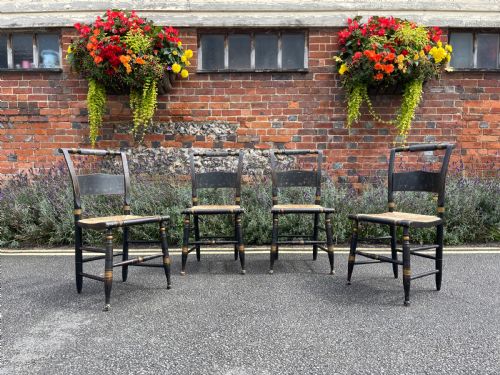


Turned Leg Rush Chairs
Turned leg rush chairs are classic vernacular seating offering sturdy traditional comfort for the rustic interior.
Turned Leg Rush Chairs
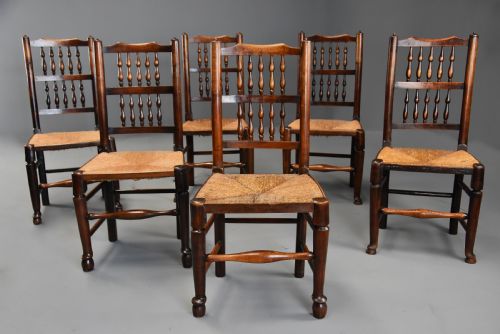
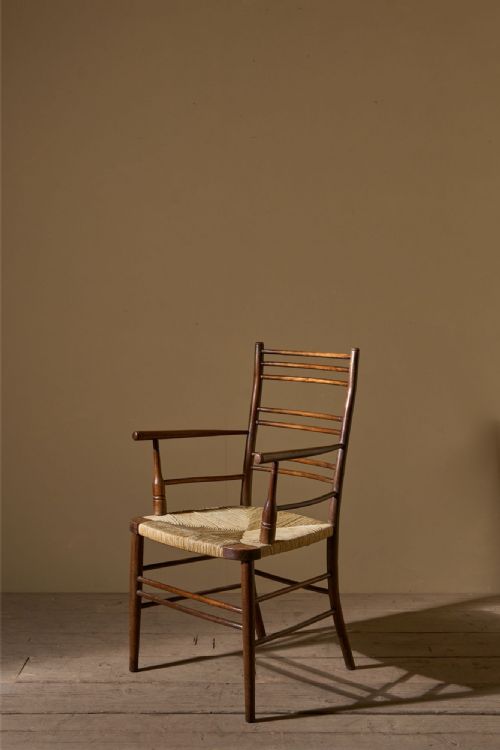
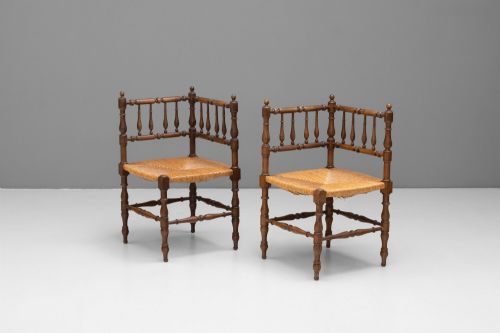
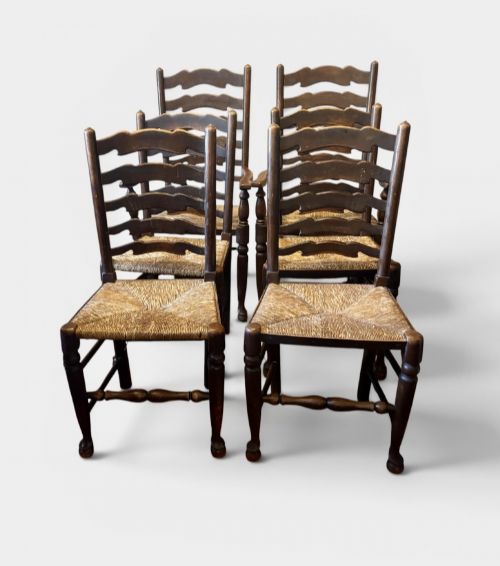
Turned leg rush chairs bring enduring country utility to the dining room and kitchen through time-honoured rural forms. When you search for turned leg rush chairs, you encounter traditional seating spanning periods from the Georgian era through the nineteenth century and into the early twentieth century. These pieces predominantly appear in English country, rustic farmhouse, and arts and crafts styles.
How they were made
Maker-joiners utilised native hardwoods like oak, elm, ash, and fruitwood to construct the frames of these country seats. Turning lathes shaped the spindle legs and stretchers, creating rhythmic profiles that balanced structural strength with domestic economy. Regional craftsmen selected dense timbers for durability, often combining different woods within a single chair frame.
Rush forms the traditional woven seating surface, tightly braided to provide a resilient and supportive platform. Some chairs incorporate fabric elements or painted finishes, adding decorative variation to the vernacular aesthetic. The joinery relies on traditional pegging and mortise-and-tenon construction designed to withstand generations of daily use.
The listings here span the Georgian period, the nineteenth century, and the early twentieth century up to nineteen thirty, constructed in oak, elm, ash, and fruitwood.
What varies in quality
The integrity of the timber framing and the tightness of the rush weaving determine the standing of each piece. Superior examples display a rich, honest patina accumulated through decades of use, whereas lesser pieces may show unsympathetic repairs or weakened joints. The harmony of proportions within a matched set or harlequin grouping dictates the visual success of the chairs.
The Turned Leg Rush Chairs Glossary
- Rush
- Marshland plant material twisted into cords and woven to form traditional chair seats. This material provides a flexible yet durable surface that breathes with atmospheric changes.
- Spindle back
- A chair design featuring vertical turned wooden spindles in the backrest. This construction method offers lightweight support while utilising minimal timber.
- Ladder back
- A chair back composed of horizontal arched slats resembling the rungs of a ladder. It represents a staple form of English country and vernacular seating.
- Vernacular
- Objects designed by local craftsmen to fulfill practical domestic needs rather than following academic architectural fashions. These pieces rely on regional materials and time-honoured traditions.
- Patina
- The deep surface sheen and mellowing of colour developed by wood over long periods of handling and exposure. It serves as a visual indicator of age and honest history.
Turned Leg Rush Chairs: Frequently Asked Questions
How do I date a rush seat chair?
Dating relies on examining the turning style of the legs, the assembly methods, and the wear patterns on the timber. Regional vernacular furniture often retains traditional construction traits long after urban centres have adopted new fashions.
Comparing the specific wood species, such as elm or fruitwood, alongside the form of the ladder back or spindle back helps narrow the decade of origin.
Can I use these chairs every day?
These pieces were built specifically for robust domestic service in kitchens and dining rooms. Their sturdy frames of oak, ash, or elm handle daily sitting well when joints remain stable.
Care should be taken to protect the woven rush surface from excessive moisture and sharp objects to ensure longevity.
What is a harlequin set?
A harlequin set consists of chairs that share a similar style, period, or construction method without being an exact factory-matched dozen. This grouping reflects how country households historically gathered and replaced seating over time.
Such sets offer a charmingly varied appearance around a dining table while maintaining visual harmony.
How do I care for rush seats?
Rush requires a stable indoor environment away from extreme humidity and direct heat sources that can make the natural fibres brittle. Regular gentle dusting with a soft brush keeps debris from settling into the twists of the weave.
Spills should be blotted immediately rather than rubbed to prevent staining the plant material.